The Four CHIC Tests a Mastiff Breeder Must Clear
Bringing a Mastiff into your home is an incredible, life-changing experience, but the journey often begins with navigating a bewildering array of health clearances and breeder claims. It's truly overwhelming to sort through the jargon and understand what’s genuinely important for these magnificent giants. This guide is here to unravel the mystery of the four core CHIC tests every responsible Mastiff breeder must clear, helping you confidently choose a puppy with the best possible start to a long and healthy life.
Understanding CHIC and Its Importance for Mastiffs
When you're dreaming of a Mastiff, you're picturing a gentle giant, a loyal companion. What you might not be picturing is the potential heartbreak and immense financial strain of a dog plagued by preventable genetic health issues. This is where the CHIC program steps in, a beacon for ethical breeding and informed puppy buyers.
What Exactly is the CHIC Program?
The Canine Health Information Center (CHIC) is a health database co-sponsored by the Orthopedic Foundation for Animals (OFA) and the AKC Canine Health Foundation. Its primary goal is to provide a centralized public database of health information for purebred dogs, assisting breeders in making sound breeding decisions and giving puppy buyers a clear picture of a puppy's genetic heritage. For a dog to receive a CHIC number, it must undergo all the health screenings recommended by its parent breed club. These recommendations are specific to each breed, targeting the health issues most prevalent within that particular lineage. It's not just about getting a passing grade; it's about completing the required tests and making the results public, whether good or bad. This transparency is key to improving breed health over generations. Think of it as a comprehensive health report card, not just a pass/fail certificate, ensuring that no stone is left unturned when assessing a potential breeding dog's health profile.
Why CHIC Matters More for a Giant Breed Like the Mastiff
For a breed as large and relatively short-lived as the Mastiff, robust health is paramount. Their immense size, rapid growth rate, and heavy bone structure put them at a higher risk for certain orthopedic conditions like hip and elbow dysplasia compared to smaller breeds. A condition that might be a minor inconvenience in a smaller dog can be truly debilitating, even life-threatening, for a 200-pound Mastiff. Furthermore, Mastiffs are prone to certain cardiac and ocular issues that can significantly impact their quality of life. The average lifespan of a Mastiff is already shorter than many breeds, often only Six to Ten Years Is What a Mastiff Gets. Therefore, every effort to ensure those years are as healthy and comfortable as possible becomes critical. Relying on CHIC certifications significantly reduces the risk of inheriting these devastating conditions, offering a Mastiff puppy the best chance at a full, active life. It provides a level of verifiable assurance that a breeder has done their due diligence, going beyond simple claims to demonstrate concrete health testing.
Navigating Breeder Claims vs. Verified Clearances
It's easy for a breeder to say their dogs are healthy. They might even show you a single "clear" certificate for one test. But the CHIC program elevates this conversation from anecdotal claims to verifiable data. When a breeder presents a CHIC number, it means that dog has undergone all the recommended breed-specific health tests and the results are publicly accessible through the OFA database. This transparency allows you, as a prospective owner, to independently verify the health history of both parent dogs, rather than simply taking a breeder at their word. You might encounter breeders who claim their vets "check hips" or "eyes," but without an official OFA or PennHIP certification, or a CAER eye exam, these claims hold little weight. For instance, a quick physical exam by a local vet cannot accurately assess hip or elbow quality for breeding purposes. It requires specialized imaging and expert evaluation by veterinary radiologists. Always ask for CHIC numbers and be prepared to look them up yourself. This proactive approach is your strongest defense against unknowingly supporting irresponsible breeding practices and inheriting potential future heartache. When considering a health insurance plan, companies like Healthy Paws often highlight the benefits of starting with a healthy puppy, as it helps in avoiding pre-existing condition exclusions later on.
The Cornerstone: Hip Evaluations (OFA/PennHIP)
Hip dysplasia is perhaps the most well-known and feared orthopedic condition in giant breeds. It’s a complex, multi-factorial disease, but genetics play a significant role. For a Mastiff, whose entire massive weight rests on these joints, healthy hips are non-negotiable for a good quality of life.
Why Hip Dysplasia Is Such a Massive Concern in Mastiffs
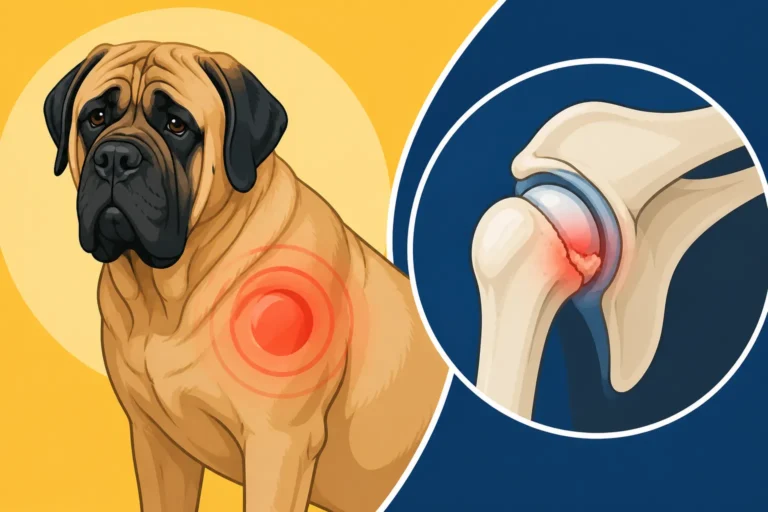
Imagine a 200-pound dog trying to stand up, walk, or even just shift its weight, with painful, malformed hip joints. That's the reality for a Mastiff suffering from severe hip dysplasia. This condition occurs when the ball and socket of the hip joint don't fit together properly, leading to looseness, cartilage wear, and eventually, crippling arthritis. Due to their immense size and rapid growth, Mastiffs are particularly susceptible. The stress on their developing joints is enormous, and if there's a genetic predisposition, the problem can quickly escalate. A Mastiff with dysplastic hips will experience chronic pain, difficulty moving, and a significantly reduced quality of life. Early intervention can help, but often the condition requires extensive, expensive treatments, or even surgery. Understanding Why a Mastiff's Hips Fail Under Its Own Weight underscores why this test is so critical for breeders.
Deciphering OFA Ratings and What They Mean
The Orthopedic Foundation for Animals (OFA) provides one of the most widely accepted methods for evaluating canine hip health. Dogs are typically x-rayed at two years of age, and these radiographs are then evaluated by a panel of three independent veterinary radiologists who grade the hips. The grades range from Excellent, Good, Fair (all considered passing for breeding), to Borderline, Mild, Moderate, and Severe (all considered dysplastic).
A breeder seeking a CHIC number for their Mastiff will need to submit hip X-rays to OFA for evaluation. You should always look for parents with "Good" or "Excellent" ratings. "Fair" is technically passing, but many dedicated Mastiff breeders prefer to use dogs with better hip conformation to further reduce the risk. It's a complex process, and while a "Good" rating doesn't guarantee a puppy won't develop some degree of hip issues (since environment and nutrition also play a role), it drastically improves the odds. Understanding The Age a Mastiff Is Certified by OFA is key, as no reputable breeder will certify hips on a dog younger than 24 months.
| OFA Hip Grade | Description | Suitability for Breeding (Mastiffs) |
|---|---|---|
| Excellent | Superior hip conformation; virtually no joint laxity. | Highly desirable. |
| Good | Well-formed hips with good congruity. | Acceptable and common. |
| Fair | Passable hip conformation; minor irregularities. | Technically acceptable, but many breeders aim higher. |
| Borderline | Marginally dysplastic; cannot be definitively graded. | Not recommended for breeding. |
| Mild Dysplasia | Minor hip laxity and early signs of degenerative joint disease. | Not recommended for breeding. |
| Moderate Dysplasia | Significant laxity and noticeable degenerative changes. | Not recommended for breeding. |
| Severe Dysplasia | Gross hip laxity, severe degenerative changes, and malformation. | Not recommended for breeding. |
PennHIP: A Different Approach to Hip Health
While OFA relies on subjective radiographic evaluation, PennHIP offers an objective, quantitative measurement of hip laxity, which is often an early indicator of hip dysplasia. Developed by the University of Pennsylvania Hip Improvement Program, PennHIP can be performed on dogs as young as 16 weeks, though many breeders wait until closer to a year. It involves three specific radiographs: a distraction view, a compression view, and a hip-extended view. The distraction view, in particular, measures how loose the hip joint is, expressed as a "Distraction Index" (DI). A lower DI number indicates tighter hips and a lower susceptibility to developing hip dysplasia.
PennHIP results are given as a percentile ranking, comparing the dog's hips to others of the same breed. For example, a dog in the 70th percentile has tighter hips than 70% of Mastiffs in the database. Many breeders utilize PennHIP alongside or instead of OFA, as it can offer earlier insights and a more precise measurement of laxity. The ability to test at a younger age means breeders can make more informed decisions sooner. Regardless of which method a breeder uses, the crucial factor is that these evaluations are performed by certified professionals and the results are transparently available for prospective puppy buyers to review. This commitment to transparency is what distinguishes an ethical breeder dedicated to improving the breed's health.
Elbow Evaluations: Preventing Crippling Issues
Just as critical as hip health for a giant breed is the condition of their elbows. Elbow dysplasia, much like hip dysplasia, is a complex genetic disease that can cause severe lameness and chronic pain in Mastiffs.
The Devastating Impact of Elbow Dysplasia on a Mastiff
Elbow dysplasia encompasses a group of developmental abnormalities of the elbow joint that lead to incongruity, abnormal bone growth, and eventual arthritis. In a rapidly growing, heavy-boned breed like the Mastiff, these subtle developmental errors are exacerbated by their sheer size and weight. Imagine a Mastiff, already prone to putting immense pressure on its joints, trying to navigate daily life with a painful, grinding elbow. This condition can severely limit their mobility, making even simple tasks like standing up, walking, or going up stairs agonizing. It often manifests as lameness, stiffness, and reluctance to exercise, significantly impacting their quality of life. The pain can be chronic and progressive, and treatments, which can range from pain management to complex surgeries, are often expensive and not always fully curative. It's sobering to learn that Elbow Dysplasia Affects One Mastiff in Seven, making careful screening essential.
Understanding OFA Elbow Grades and What's Acceptable
The OFA elbow certification process is similar to that for hips. Radiographs of the elbows are taken, typically once the dog is 24 months old, and evaluated by a panel of radiologists for signs of elbow dysplasia. Unlike hips, where there are several passing grades, for elbows, there are only two categories: Normal (Grade 0) or Dysplastic (Grades 1, 2, or 3). Any grade above 0 indicates some degree of elbow dysplasia, from mild to severe.
For breeding purposes, Mastiffs must have an OFA elbow grade of Normal (Grade 0) to be considered clear and suitable for a CHIC number. Breeders should never use a dog with any grade of elbow dysplasia for breeding, as it dramatically increases the likelihood of producing affected offspring. While environmental factors like diet and exercise during puppyhood can influence the expression of elbow dysplasia, the genetic component is undeniably strong. Therefore, rigorously screening breeding stock is paramount in the fight to reduce the incidence of this painful condition in the breed.
The Importance of Early Screening and Responsible Breeding
While OFA elbow certifications are traditionally done at two years of age, responsible breeders often take proactive steps much earlier. This might include careful monitoring of a puppy's growth rate and ensuring appropriate nutrition to prevent overgrowth, which can exacerbate joint issues. Limiting strenuous exercise, especially activities involving jumping or repetitive impact, is also crucial for growing Mastiff puppies. It's often said that Why a Mastiff Puppy Must Not Be Exercised Hard is a vital piece of advice for new owners.
However, even with the best puppy-rearing practices, if the genetic predisposition for elbow dysplasia is present, it can still manifest. This highlights why thorough screening of both parents is so crucial. A breeder who truly understands their lines will be able to discuss not only the elbow clearances of the parents but also the elbow health of ancestors and siblings. This comprehensive approach to breeding helps ensure that the genetic risk is minimized across generations, creating healthier puppies for families to cherish. Don't shy away from asking your prospective breeder about their strategy for preventing elbow dysplasia and what results they have seen in their lines.
Eye Examinations: Protecting Precious Sight
Vision is critical for any dog, but for a massive breed like the Mastiff, good eyesight helps them navigate their world safely and avoid accidental bumps. Several eye conditions can affect Mastiffs, making regular veterinary ophthalmology exams a vital part of health clearances.
Common Eye Conditions Affecting Mastiffs
Mastiffs can be predisposed to several eye conditions, some of which are genetic and can lead to vision impairment or even blindness. One of the most significant concerns is Progressive Retinal Atrophy (PRA), a group of degenerative diseases that affect the retina and eventually lead to blindness. There are different forms of PRA, and for Mastiffs, the specific variant is often called PRA (Mastiff type), which is inherited in a dominant fashion. This means that Why Mastiff Retinal Atrophy Needs Only One Copy of the Gene to be expressed, making carrier status in breeding dogs particularly important.
Other conditions include various forms of retinal dysplasia, such as retinal folds, which can range from benign to vision-affecting. Ectropion (eyelids rolling out) and entropion (eyelids rolling in) are also seen, though often more structurally related than purely genetic in the same way PRA is. These can cause chronic irritation, infections, and even damage to the cornea. While some conditions are inherited, others can be age-related or multifactorial. Therefore, comprehensive eye exams are crucial to detect both congenital and adult-onset issues.
The Role of the OFA Eye Certification Registry (CAER/CERF) Exam
The OFA Eye Certification Registry (CAER), formerly known as CERF (Canine Eye Registration Foundation), is the standard for evaluating canine eye health. For a Mastiff to receive a CHIC number, it must undergo a comprehensive eye examination performed by a board-certified veterinary ophthalmologist. This specialist will examine the entire eye structure, looking for any signs of inherited or acquired eye diseases.
The examination is usually performed annually because some conditions can develop later in life or change over time. The ophthalmologist will issue a CAER form, noting any abnormalities found. For a Mastiff to pass this component of the CHIC requirements, the exam results must be "normal" or "clear" of any significant, vision-impairing genetic conditions. If a condition like retinal folds or minor cataracts is found, the ophthalmologist will classify it as "breeder option," indicating a condition that might be inherited but is not severely vision-threatening. However, for conditions like PRA, a dog would be considered "affected" and not suitable for breeding. Knowing Whether a Mastiff Should Have a Yearly Eye Exam is essential for breeders and owners alike.
Beyond the Basics: Emerging Genetic Eye Tests
While the CAER exam provides a broad assessment of ocular health, advances in genetic testing now allow for even more precise screening for specific inherited eye diseases. For Mastiffs, one crucial DNA test is for Progressive Retinal Atrophy (PRA). Companies like Optigen offer specific DNA tests for various forms of PRA. Identifying carriers or affected dogs through DNA means breeders can make informed choices to avoid propagating the disease, even before clinical signs develop.
For example, a DNA test can tell a breeder if their dog is "clear," a "carrier" (meaning it carries one copy of the gene but won't be affected), or "affected" (meaning it has two copies and will likely develop the disease). Responsible breeders will use these DNA tests in conjunction with the annual CAER exams to ensure they are breeding away from these devastating conditions. Combining both clinical examination and genetic testing offers the most comprehensive approach to safeguarding the vision of future Mastiff generations. This multi-faceted approach helps ensure that you receive a puppy from parents who have been thoroughly screened, leading to a much healthier companion.
Cardiac Health: Listening to a Giant Heart
The heart of a Mastiff is a powerful engine, circulating blood through a massive body. Given their size, any issues with cardiac health can have serious implications, making thorough cardiac evaluations a critical part of a responsible breeding program.
Why Heart Health Is Crucial for Mastiffs
Just like humans, dogs can suffer from various heart conditions, some of which are congenital (present at birth) or hereditary. For a Mastiff, whose heart works extra hard to supply blood to its immense frame, even minor abnormalities can become significant problems. Conditions like subaortic stenosis (SAS), where the aorta is narrowed, making the heart work harder, or dilated cardiomyopathy (DCM), where the heart muscle weakens and enlarges, can be life-threatening. These conditions can lead to exercise intolerance, shortness of breath, fainting, and ultimately, heart failure.
The sheer size of a Mastiff means that cardiac conditions can progress rapidly and often come with a dire prognosis. A healthy heart is fundamental to a Mastiff's overall well-being and longevity. Therefore, rigorous screening of breeding stock is not just a recommendation; it's an ethical imperative to prevent the passing on of these potentially devastating genetic predispositions. Responsible breeders understand that healthy hearts mean healthier puppies, reducing the risk of premature loss for families who adore their gentle giants.
What a Breeder Needs to Check: Auscultation and Echocardiograms
For CHIC certification, Mastiffs require a cardiac evaluation by a board-certified veterinary cardiologist. This typically involves two main components:
- Auscultation: This is where the cardiologist listens to the dog's heart with a stethoscope to detect any murmurs, arrhythmias (irregular heartbeats), or abnormal sounds. Murmurs can indicate turbulent blood flow, which might be a sign of a structural heart defect. While some murmurs are benign, others are not.
- Echocardiogram (Cardiac Ultrasound): This is a non-invasive imaging technique that allows the cardiologist to visualize the heart's structure and function in real-time. They can assess the size of the heart chambers, the thickness of the heart muscle, the integrity of the valves, and how efficiently blood is flowing. This is crucial for diagnosing conditions like SAS or DCM.
Both of these evaluations provide a comprehensive picture of the dog's heart health. For CHIC, the results must be "normal" or "clear" of any significant hereditary cardiac disease. Breeders should perform these exams before breeding, and often repeat them periodically, especially for conditions that can develop later in life. This careful screening helps to ensure that puppies come from lines with sound cardiovascular health. Asking Whether a Mastiff Needs a Cardiac Exam before purchase is a question every prospective owner should pose.
Understanding Common Mastiff Cardiac Issues
While the board-certified cardiologist's report will provide specific details, understanding some of the common cardiac issues in Mastiffs can help you better interpret the results.
- Subaortic Stenosis (SAS): This is a narrowing below the aortic valve, forcing the heart to pump harder to push blood out. It can be mild to severe. Mild cases might live a normal life, but moderate to severe SAS significantly increases the risk of sudden death or heart failure.
- Dilated Cardiomyopathy (DCM): In DCM, the heart muscle becomes thin and weak, and the chambers enlarge, reducing the heart's ability to pump blood effectively. This is a progressive disease that often leads to heart failure.
- Arrhythmias: These are irregular heartbeats. Some are benign, but others can indicate underlying heart disease or predispose the dog to sudden cardiac arrest.
These are just a few examples, but they highlight the importance of expert evaluation. A reputable breeder will be able to discuss the specific cardiac history of their breeding dogs and their lineage, providing peace of mind that they are actively working to breed away from these potentially life-ending conditions. Ensuring a healthy start can also mean fewer unexpected vet bills in the long run, though having pet insurance from a provider like Healthy Paws is always a wise decision for a giant breed.
Beyond the Core Four: Additional Health Considerations for Mastiffs
While the "Core Four" CHIC tests—hips, elbows, eyes, and heart—form the bedrock of responsible Mastiff breeding, truly dedicated breeders often go above and beyond, incorporating additional health screenings and genetic tests to further safeguard the health of their lines.
DNA Testing for Cystinuria Type III
Cystinuria is a hereditary kidney disorder that affects the transport of certain amino acids, leading to the formation of cystine stones in the urinary tract. In Mastiffs, this condition is particularly relevant as they are affected by a specific type, Cystinuria Type III, which is autosomal dominant with incomplete penetrance, and most commonly affects intact males. This means that a male Mastiff with just one copy of the gene can develop painful and potentially life-threatening urinary stones, leading to blockages. It's an agonizing condition that can require emergency surgery.
Fortunately, a DNA test is available to identify Mastiffs who are clear, carriers, or affected by Cystinuria Type III. Responsible Mastiff breeders will routinely test their breeding stock for this gene. Breeding two clear dogs will produce clear puppies, while breeding a clear dog to a carrier will produce a mix of clear and carrier puppies. Given that Cystinuria Type III and the Intact Male Mastiff are so linked, genetic screening is a crucial tool in preventing this painful and dangerous condition. A breeder who includes this test demonstrates a profound commitment to the health of their puppies.
Degenerative Myelopathy and Its Genetic Link
Degenerative Myelopathy (DM) is another heartbreaking neurological disease that affects the spinal cord, leading to progressive weakness and paralysis, typically in the hind limbs. While it's more commonly associated with breeds like German Shepherds and Boxers, Mastiffs can also be affected. The disease is caused by a genetic mutation (SOD1 gene) and is inherited in an autosomal recessive manner. This means a dog must inherit two copies of the mutated gene (one from each parent) to be at risk of developing DM. Dogs with one copy are "carriers" and will not develop the disease themselves but can pass it on.
There is a DNA test available for DM that identifies dogs as clear, carriers, or at risk/affected. While not a CHIC requirement for Mastiffs, many conscientious breeders choose to include this test in their breeding protocols. By knowing the DM status of their breeding stock, they can make informed decisions to avoid breeding two carriers together, which would produce at-risk puppies. Understanding Degenerative Myelopathy in a Mastiff is crucial for breeders aiming for comprehensive health. Preventing the heartache of a Mastiff slowly losing its ability to walk is a powerful motivator for breeders to go beyond the basic CHIC requirements.
Responsible Breeding Practices for a Longer, Healthier Life
Beyond specific tests, a responsible breeder embodies a holistic approach to ensuring a longer, healthier life for their Mastiffs. This includes meticulous record-keeping, not just for the immediate parents but for generations of their lineage, tracking common health issues, temperament, and longevity. They are transparent about any health concerns that may have arisen in their lines, discussing how they are working to mitigate those risks. They select breeding pairs based on complementary health profiles and temperaments, not just show ring success.
Furthermore, these breeders provide excellent care for their puppies from birth, including proper nutrition tailored to the slow growth needs of a giant breed. They guide new owners on proper puppy exercise and nutrition to support healthy development, recognizing that genetics are only one piece of the puzzle. They also offer lifelong support, ready to answer questions and provide advice years after a puppy leaves their home. This dedication to the breed's future is what truly defines a responsible Mastiff breeder, one who ensures that you not only get a beautiful puppy but one with the best possible genetic foundation for a long and joyful life.
What to Ask Your Breeder and Where to Find Information
Finding a reputable Mastiff breeder can feel like a daunting task, but armed with knowledge about CHIC and health clearances, you can confidently navigate the process. Knowing what questions to ask and where to verify information is crucial.
Essential Questions to Verify CHIC Compliance
When you're talking to a potential Mastiff breeder, don't be afraid to ask direct questions about health testing. A good breeder will welcome your inquiries and be proud to share their documentation. Here are some essential questions to ask:
- "Do you obtain CHIC numbers for your breeding dogs?" This is a direct question that immediately tells you if they understand and participate in the program. If they don't, ask why not. There should be a very good reason, and often, there isn't one.
- "Can I see the OFA/PennHIP certifications for the parents (or the specific CHIC numbers)?" Don't just accept a verbal "they're clear." Ask to see the actual certificates or, even better, the CHIC numbers you can look up yourself.
- "What were the specific OFA grades for hips and elbows?" Remember, "Fair" for hips is passing, but "Good" or "Excellent" is preferred. For elbows, only "Normal" (Grade 0) is acceptable.
- "When was the last CAER eye exam performed by a veterinary ophthalmologist?" Remember, these should be done annually. Ask to see the most recent certificate.
- "Who performed the cardiac evaluation, and what were the findings?" Ask for the name of the board-certified cardiologist and review the report.
- "Do you do any additional genetic testing, such as for Cystinuria Type III or Degenerative Myelopathy?" While not CHIC requirements, these show a breeder's commitment to going the extra mile.
- "What is the average lifespan of the dogs in your lines, and what causes of death are common?" This helps you understand the overall health longevity within their specific pedigree.
- "What kind of health guarantee do you offer, and what does it cover?" A robust health guarantee, often covering major genetic health issues, is a sign of a confident and responsible breeder.
These questions help you determine if the breeder is truly dedicated to the health of their Mastiffs, not just breeding for profit or convenience.
Utilizing the OFA Public Database
The best way to verify a breeder's claims about health testing is to use the Orthopedic Foundation for Animals (OFA) public database. This database is an invaluable tool for prospective puppy owners.
Here's how to use it:
- Visit the OFA website: Navigate to the "Search Health Databases" section.
- Search by dog's registered name or registration number: A reputable breeder will provide you with the full registered names or AKC registration numbers of the sire and dam of the litter.
- Review the results: The search results will show all the OFA-registered health tests for that specific dog, including hip, elbow, eye, and cardiac clearances, along with any other tests the breeder submitted. You'll see the official grades and dates of certification.
- Look for a CHIC number: If the dog has completed all the required breed-specific tests and made the results public, it will have a CHIC number listed.
This tool empowers you to confirm every health claim a breeder makes. If a breeder is hesitant to provide the information needed to search the database, consider that a major red flag. Transparency is a hallmark of an ethical breeder, and the OFA database is designed precisely for that transparency. You can often see the results for parents, grandparents, and other relatives, giving you a deeper insight into the health trends within that particular line.
Understanding Health Guarantees and the Breeder's Responsibility
A health guarantee from a reputable breeder is a crucial part of the puppy contract, offering a measure of protection and demonstrating the breeder's commitment to the health of their puppies. These guarantees typically cover serious genetic health conditions that might manifest within a certain timeframe, often two to three years. They usually specify conditions like severe hip or elbow dysplasia, certain heart conditions, or severe eye diseases.
However, it's important to read the health guarantee carefully. Understand what it covers, for how long, and what conditions apply. For example, some guarantees might require a diagnosis by a board-certified specialist, or that the puppy has not been bred. Most will stipulate that if a qualifying condition arises, the breeder may offer a replacement puppy from a future litter or a partial refund, often requiring the return of the affected dog (though this can be emotionally devastating for owners). While no guarantee can predict everything, a well-structured one reflects a breeder's confidence in their breeding program and their willingness to stand behind the health of their puppies. It’s a sign that they take their responsibility seriously and are invested in the well-being of the Mastiffs they bring into the world. Discussing this with a breeder, alongside reviewing their CHIC clearances, helps build a relationship based on trust and shared values. Pet insurance plans from companies like Healthy Paws can also offer a robust financial safety net for unexpected health issues, complementing a breeder's guarantee.
Living with a Health-Cleared Mastiff: Ongoing Care
Even with impeccable CHIC clearances, owning a Mastiff means a lifelong commitment to their well-being. A strong genetic foundation is the best start, but proper care, nutrition, and regular veterinary attention are essential to maintain that health throughout their relatively short lives.
Maintaining Joint Health Throughout Your Mastiff's Life
A Mastiff with good hips and elbows is a joy, but maintaining those joints requires ongoing vigilance. Their massive weight means constant stress on their musculoskeletal system. This starts from puppyhood, ensuring they grow slowly on a large breed specific diet, avoiding excessive calcium or protein. Too much rapid growth can undo even the best genetic predispositions. For adults, keeping your Mastiff at a lean, healthy weight is perhaps the single most important factor in preserving joint health. An overweight Mastiff puts tremendous strain on its hips, elbows, and other joints, accelerating the onset of arthritis.
Regular, moderate exercise tailored to their needs—not high-impact activities—helps build muscle tone and support joints. Consider supplements like glucosamine, chondroitin, and fish oil (Omega-3 fatty acids) as they age, to help lubricate joints and reduce inflammation. Providing soft, orthopedic bedding is also vital to prevent pressure sores and provide cushioning. Remember, a Mastiff spends a lot of time resting, and a hard floor or inadequate bed can take a toll. Ensuring Traction: Why a Mastiff Cannot Live on Bare Hardwood is also important to prevent slips and falls that can injure joints.
Regular Vet Checks and Proactive Health Management
Even the healthiest Mastiff needs consistent veterinary care. Regular check-ups allow your vet to monitor their overall health, catch potential issues early, and keep vaccinations and parasite control up to date. Given their propensity for certain conditions, your vet might recommend specific screenings as your Mastiff ages, such as yearly blood work to check organ function, or more frequent eye exams if any minor issues were noted on their CAER certification.
Discussing your Mastiff's diet, exercise routine, and any changes in behavior or mobility with your vet is crucial. Early detection of issues like arthritis, changes in heart rhythm, or subtle eye problems can significantly impact treatment outcomes and quality of life. Be prepared for the fact that a giant breed like a Mastiff will have higher costs for medications, anesthesia, and even routine preventatives simply because of their size. Having a good pet insurance plan from a company like Healthy Paws can truly be a lifesaver in these situations, helping to manage the significant veterinary expenses that can arise. Proactive management of their health is the key to ensuring those precious years are as comfortable and happy as possible for your beloved companion.
The Peace of Mind a Healthy Start Provides
Ultimately, choosing a Mastiff from parents with all four CHIC clearances, and ideally, additional genetic testing, provides unparalleled peace of mind. It doesn't guarantee a lifetime free of health issues – no living creature comes with such a promise – but it drastically reduces the likelihood of inheriting debilitating and costly genetic conditions. You start your journey with your gentle giant knowing that their breeder has made every effort to provide them with the best possible genetic foundation.
This allows you to focus on the joy of companionship, the quirky behaviors, and the profound bond you'll develop, rather than constantly worrying about potential health crises. While all Mastiffs face challenges inherent to their size and lifespan, starting with a dog from a responsible breeder who prioritizes health gives you the best chance for a happy, healthy future together. Caring for a Mastiff Past Five becomes much easier when you've had a solid foundation of health from the very beginning. It's an investment in their future, and in your shared happiness, that is truly priceless.
Disclaimer
This article provides general information about Mastiff health and the CHIC program. It is not a substitute for professional veterinary advice. Always consult with a qualified veterinarian regarding your dog's specific health concerns and treatment options. The mention of specific brands or products is for informational purposes only and does not constitute an endorsement.