The Meal Schedule a Mastiff Puppy Needs
Bringing a Mastiff puppy home is an exhilarating, slightly overwhelming experience. These magnificent creatures grow at an astonishing rate, transforming from a furry bowling ball into a gentle giant in what feels like moments. But with that rapid growth comes immense responsibility, especially when it comes to their diet. Many new owners feel completely lost in a sea of conflicting advice about what to feed, how much, and most importantly, when. This guide is designed to cut through the noise, offering a clear, realistic meal schedule for your Mastiff puppy to help ensure they grow up healthy, strong, and without the preventable health issues often linked to improper feeding.
Why a Structured Feeding Schedule is Non-Negotiable for Your Mastiff Puppy
It's tempting, especially with a breed as naturally food-motivated as a Mastiff, to just keep the bowl full, letting them graze as they please. After all, isn't that what some sources suggest for dogs? However, for a giant breed puppy, free-feeding isn't just a minor oversight; it can set them up for a lifetime of pain and expensive veterinary bills. The sheer scale of a Mastiff's growth makes their skeletal development incredibly delicate, and a precise meal schedule is one of your most powerful tools to protect it.
The Risks of Free-Feeding a Giant Breed Puppy
When a Mastiff puppy is allowed to eat whenever they want, they almost inevitably consume too many calories. This might sound benign, but for a breed prone to orthopedic issues like hip and elbow dysplasia, it's a huge problem. Excess calories lead to rapid weight gain, which in turn puts undue stress on their still-developing bones, joints, and growth plates. Imagine the delicate scaffolding of a growing skyscraper being suddenly forced to bear the weight of a finished building – that's essentially what happens to a Mastiff puppy growing too fast. Their bones and cartilage simply can't keep up with the demands placed on them by an accelerated growth rate. This is precisely Why a Mastiff Puppy Must Grow Slowly.
Beyond immediate orthopedic concerns, free-feeding also makes it incredibly difficult to monitor their actual food intake. If your puppy suddenly eats less, you might not notice for hours, or even a full day, because the bowl is always full. This delay can be critical if they're experiencing a sudden illness or gastrointestinal upset. Moreover, a free-fed puppy can become obese, a condition that further exacerbates joint problems and can lead to a host of other health issues, shortening their already too-brief lifespan. This lack of control and oversight is why Why a Mastiff Puppy Is Never Free Fed is such a critical piece of advice for giant breed owners.
The Importance of Slow, Steady Growth
Every Mastiff owner wants their puppy to reach their full, impressive potential, but that journey must be a slow and deliberate one. The goal isn't to make them huge as quickly as possible; it's to foster strong, healthy skeletal development. A structured feeding schedule allows you to precisely control the amount of food your puppy receives, thereby regulating their growth rate. This measured approach gives their bones, muscles, and ligaments time to mature and strengthen at a pace they can handle.
This isn't just about total calories, either. The balance of nutrients, particularly calcium and phosphorus, is paramount for a growing Mastiff. Too much calcium, in particular, can be incredibly detrimental, leading to developmental orthopedic diseases. Commercial large-breed puppy foods are formulated with this delicate balance in mind, but overfeeding them or adding unregulated supplements can throw everything off. Understanding The Protein and Calcium Ceiling for a Mastiff Puppy is crucial for protecting your puppy's joints. By sticking to scheduled meals, you can ensure they receive the appropriate amount of these vital nutrients without going overboard, reducing the risk of complications down the line.
Crafting the Ideal Meal Schedule for Your Mastiff Puppy's First Year
Getting the meal schedule right is one of the most impactful things you can do for your Mastiff puppy's long-term health. It's not a one-size-fits-all, static plan, but rather an evolving strategy that adjusts as your colossal canine grows. We'll start with frequent small meals and gradually transition to fewer, larger ones, mirroring their changing metabolic needs and growth trajectory.
Puppyhood: Three to Four Meals a Day (8-16 Weeks)
When your Mastiff puppy first comes home, likely around 8 to 10 weeks old, they are in a period of intense, albeit carefully controlled, growth. Their tiny stomachs can't handle large volumes of food at once, and their metabolism is still quite high, meaning they burn through calories quickly. For these reasons, feeding three to four smaller meals spaced throughout the day is ideal. This ensures a steady supply of nutrients for their rapidly developing body without overwhelming their digestive system or leading to excessive weight gain.
A typical schedule for this age might look like:
- 7:00 AM: First meal
- 12:00 PM (noon): Second meal
- 5:00 PM: Third meal
- 9:00 PM: Fourth meal (if opting for four meals, especially for very active pups or those with smaller appetites)
Always start by following the breeder's feeding schedule initially, as a sudden change can upset a puppy's stomach. Then, gradually transition to your preferred routine over a few days. This frequent feeding helps manage blood sugar levels, provides consistent energy, and also offers regular opportunities for potty breaks, which is a huge bonus when house-training a Mastiff puppy. These early months are about setting the foundation, not just for their physical health but for a predictable routine that fosters a sense of security.
Adolescence: Transitioning to Three Meals a Day (4-8 Months)
As your Mastiff puppy approaches four months of age, their digestive system matures a bit, and they can handle slightly larger meals. This is typically when you can start transitioning from four meals a day down to three. If you were already feeding three, you'll simply continue with that schedule, ensuring the portion sizes are adjusted according to their growth and the food manufacturer's guidelines. This period sees continued significant growth, but the aim is still controlled and steady.
A three-meal schedule provides a good balance:
- 7:00 AM – 8:00 AM: Morning meal
- 1:00 PM – 2:00 PM: Midday meal
- 6:00 PM – 7:00 PM: Evening meal
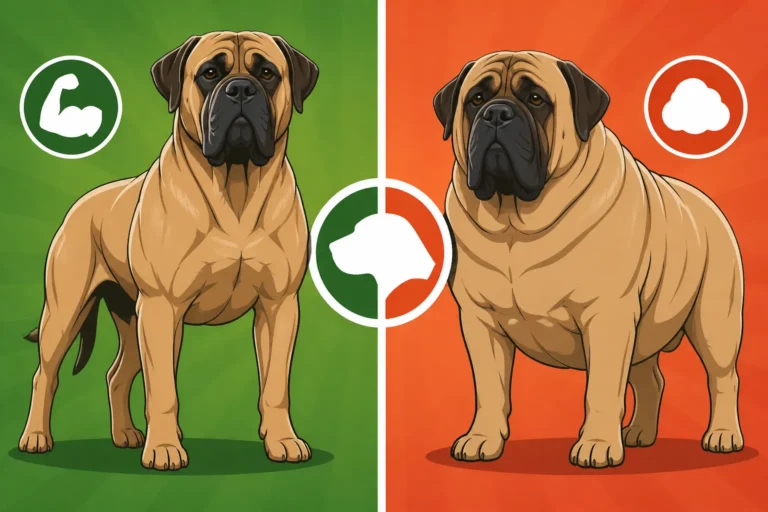
During this phase, it's crucial to consistently monitor your puppy's body condition. You want them to look "ribby," meaning you should be able to easily feel their ribs, but not see them prominently. If you can't feel their ribs without pressing, they're likely carrying too much weight. This is important because How Ribby a Mastiff Puppy Should Look is a strong indicator of healthy growth. Remember that a Mastiff puppy can gain several pounds a week at this age, so regular checks are vital. Many Mastiff owners find that Why a Mastiff Stays on Three Meals Longer than some other breeds is beneficial, helping to keep their growth steady.
Young Adulthood: Settling into Two Meals a Day (8-12+ Months)
Somewhere between 8 and 12 months, depending on the individual puppy and your veterinarian's advice, your Mastiff will be ready to transition to two meals a day. While they still have considerable growing and filling out to do, particularly in terms of muscle and bone density, the frantic pace of early puppyhood growth will have slowed significantly. This means their caloric needs per pound of body weight begin to decrease, and their larger stomach can comfortably hold more food at each sitting.
A typical two-meal schedule:
- 7:00 AM – 8:00 AM: Morning meal
- 6:00 PM – 7:00 PM: Evening meal
When making this transition, do it gradually. Over a week or so, slowly increase the size of the morning and evening meals while eliminating the midday one. Keep a close eye on their appetite, energy levels, and stool quality. This is also the period where you'll start thinking about transitioning from large-breed puppy food to a high-quality adult large-breed formula. Your vet can give you specific guidance on The Month a Mastiff Should Leave Puppy Food, as the ideal time can vary based on individual growth and development. It's a significant milestone, indicating they're well on their way to becoming a magnificent adult. You might also want to consult How Much an Adult Mastiff Eats by Weight Each Day to prepare for the coming feeding volumes.
Here's a quick overview of the meal schedule evolution:
| Age Range | Meals Per Day | Sample Feeding Times | Key Considerations |
|---|---|---|---|
| 8-16 Weeks | 3-4 | 7 AM, 12 PM, 5 PM, (9 PM if 4 meals) | Small, frequent meals; high energy needs |
| 4-8 Months | 3 | 7 AM, 1 PM, 7 PM | Gradual reduction; monitor growth |
| 8-12+ Months | 2 | 8 AM, 6 PM | Slower growth; discuss transition to adult food with vet |
Practical Tips for Sticking to Your Mastiff Puppy's Meal Plan
Sticking to a schedule for a growing Mastiff isn't always easy, especially with their endearing, often hungry stares. But consistency is your best friend. From selecting the right food to understanding how treats fit in, these practical tips will help you stay on track and ensure your Mastiff puppy thrives.
Choosing the Right Food and Portions
The foundation of any good meal plan for a Mastiff puppy is the food itself. Always opt for a high-quality commercial dog food specifically formulated for large or giant breed puppies. These formulas are designed with the lower calcium and phosphorus ratios necessary for healthy bone development in fast-growing breeds. Brands like Orijen, Taste of the Wild, or even the extensive selection found on Chewy often have excellent options. Avoid generic puppy foods or those not specifically marked for large breeds, as they may contain nutrient levels inappropriate for your Mastiff's unique growth needs.
When it comes to portions, always start by consulting the feeding guide on the back of your chosen food bag. These guides typically provide a range based on your puppy's current weight and age. However, these are just starting points. Your puppy's individual metabolism, activity level, and growth rate will dictate whether you need to feed slightly more or less. Monitor their body condition score weekly. If they're too thin, increase by a small amount; if they're gaining too quickly or looking too plump, reduce slightly. The key is small, incremental adjustments and consistency. Avoid sudden, drastic changes to their food type or quantity, as this can lead to digestive upset. For those looking for high-quality, pre-portioned options, some owners explore services like Ollie, although the sheer volume for a Mastiff can be a consideration.
Consistency, Routine, and Monitoring
Dogs are creatures of habit, and Mastiffs especially thrive on routine. Feeding your puppy at the same times each day not only aids their digestion but also helps with house training. Their digestive system becomes predictable, making potty breaks easier to anticipate. A consistent schedule also builds trust and reduces anxiety, as your puppy learns exactly when to expect their meals.
Beyond timing, monitor everything:
- Stool Quality: Observe their poop. It should be firm and well-formed. Loose stools or diarrhea can indicate digestive upset, overfeeding, or an underlying health issue.
- Energy Levels: A well-fed puppy should be energetic and playful (within reason for a Mastiff, who are notoriously calm). Lethargy could be a sign something is off with their diet or health.
- Weight & Body Condition: As mentioned, weekly checks are crucial. Keep a simple log of their weight gain. Remember How Much a Mastiff Puppy Gains in a Week can be quite substantial, so careful monitoring is essential.
- Post-Meal Rest: After every meal, enforce a quiet rest period of at least 30-60 minutes. This is especially important for deep-chested breeds like Mastiffs to help reduce the risk of bloat (gastric dilatation-volvulus), a life-threatening condition. Knowing How Long a Mastiff Must Rest After a Meal is not just a good idea, it's a critical safety measure.
Regular veterinary check-ups are also indispensable. Your vet can provide objective assessments of your puppy's growth, advise on portion control, and address any concerns you might have about their development.
Handling Treats and Training Aids
Treats are an invaluable tool for training a Mastiff puppy, but they are also extra calories that need to be accounted for. It's easy to inadvertently overfeed your puppy if you're liberal with treats. Always choose small, low-calorie options. Break larger treats into pea-sized pieces to stretch them further and reduce caloric impact.
Think of treats as part of their daily caloric budget. If you're doing an intensive training session, consider reducing their next meal slightly to compensate. Avoid table scraps entirely. Not only are many human foods unhealthy or even toxic for dogs, but they can also disrupt the carefully balanced nutrition of their kibble and lead to picky eating habits down the line. For comprehensive guidance, you might want to look into Whether Training Treats Count Against a Mastiff's Calories to ensure you're not derailing their diet unknowingly. Finding bulk healthy treats on platforms like Amazon can also be a cost-effective strategy for a giant breed.
Common Pitfalls and Troubleshooting Your Puppy's Feeding Schedule
Even with the best intentions and a solid schedule, you might encounter bumps along the road. Mastiff puppies, like all living beings, can be unpredictable. Knowing how to troubleshoot common feeding issues will save you stress and ensure your big puppy stays on the path to good health.
When Your Mastiff Puppy Skips a Meal
It can be alarming when your usually ravenous Mastiff puppy suddenly turns their nose up at their food. First, don't panic. A skipped meal isn't always a cause for immediate alarm, especially if they are otherwise acting normal and energetic. Sometimes, a puppy might just not be as hungry, or perhaps they're a bit distracted.
If your puppy skips a meal:
- Wait it Out (Briefly): Leave the food down for about 15-20 minutes. If they don't eat it, pick it up. Do not leave it out for hours, as this contributes to free-feeding habits.
- Stick to the Schedule: Offer the next meal at its regularly scheduled time. Don't try to "make up" for the skipped meal by offering extra later.
- Observe: Watch your puppy closely. Are they still drinking water? Are they playful? Is their stool normal?
- When to Call the Vet: If your puppy skips two consecutive meals, shows signs of lethargy, vomiting, diarrhea, or any other concerning symptoms, contact your veterinarian immediately. A sudden loss of appetite in a puppy, especially a giant breed, can sometimes indicate a more serious issue that requires prompt attention.
Dealing with Rapid Weight Gain or Loss
One of the biggest concerns for Mastiff puppies is growing too fast, which puts immense strain on their developing joints and predisposes them to conditions like hip and elbow dysplasia. On the flip side, losing weight or failing to gain adequately can also signal a problem.
- Too Rapid Weight Gain: If your puppy feels plump, you can't easily feel their ribs, or they're gaining weight at an alarming rate according to your vet, it's time to adjust portions. Remember, the goal is slow, steady growth. Reduce their daily food intake by a small amount (e.g., 10-15%) and reassess in a week. Do not switch to an adult food prematurely or try to drastically cut calories without veterinary guidance, as this can lead to nutritional deficiencies. It's vital to refer to The Feeding Chart a Mastiff Puppy Should Follow and work with your vet to ensure they're on a healthy trajectory.
- Weight Loss or Failure to Thrive: If your puppy is underweight, lethargic, or not gaining as expected, a vet visit is paramount. There could be underlying health issues, parasites, or simply an inadequate caloric intake for their individual needs. Do not just blindly increase food portions without a vet's diagnosis, as this might exacerbate an existing problem.
Understanding What Excess Calcium Does to a Mastiff's Elbows is also crucial here. Resist the urge to add calcium supplements or extra dairy to their diet if you suspect slow growth, as imbalances can be more damaging than helpful.
The Role of Supplements and Additives
In the quest for the "perfect" Mastiff, many owners are tempted by a myriad of supplements promising enhanced growth, better joints, or shinier coats. However, with large breed puppies, less is often more, and certain supplements can be downright harmful if not prescribed by a veterinarian.
- Calcium Supplements: Avoid them unless specifically instructed by your vet. Commercial large-breed puppy foods are meticulously balanced to provide the correct calcium-to-phosphorus ratio. Adding extra calcium can disrupt this balance, leading to serious developmental orthopedic issues like osteochondritis dissecans (OCD).
- Joint Supplements: While adult Mastiffs often benefit from joint supplements, starting them too early in a puppy can be a debated topic and should only be done under veterinary guidance. Focus first on proper diet and controlled growth.
- Other Additives: Be wary of adding things like raw eggs, excessive meat, or other "human foods" to your puppy's diet. These can throw off the nutritional balance of their commercial kibble and introduce pathogens. Stick to a high-quality, complete, and balanced large-breed puppy food as the cornerstone of their diet.
Always discuss any supplements or dietary changes with your veterinarian. They are your best resource for navigating the unique nutritional needs of your growing Mastiff.
Disclaimer
This article is for general informational purposes only and does not constitute professional advice. Laws, prices and regulations vary by location and change over time. Consult a qualified professional for guidance on your specific situation.