How Much a Mastiff Puppy Gains in a Week
Bringing home a Mastiff puppy is an incredible joy, but it also comes with a unique set of anxieties, especially when you watch them grow at what seems like an astonishing rate. Many new owners find themselves constantly wondering if their giant-breed puppy is gaining weight too fast, too slow, or just right. This guide will walk you through what to realistically expect when it comes to your Mastiff puppy's weekly weight gain, helping you understand the delicate balance required for healthy development.
Understanding the Mastiff Puppy Growth Curve
A Mastiff puppy doesn't grow like other dogs. Forget everything you know about standard puppy growth charts, because a Mastiff is on its own trajectory. Their sheer size means their bones, joints, and soft tissues are under immense pressure from day one, and this rapid development needs careful management. It’s not just about getting big; it's about getting big correctly.
The Rapid Initial Growth Phase
From the moment they arrive home, Mastiff puppies are little growth machines. They seem to put on weight by the day, sometimes even by the hour! This initial surge is natural, but it's also where many owners inadvertently cause problems by overfeeding or not providing the right kind of nutrition. In the first few months, a Mastiff puppy's skeletal system is rapidly expanding, and this framework needs to be strong enough to support the massive muscle and tissue mass that will follow. It's a critical period where foundational health decisions are made. Breeders often emphasize slow, steady growth, and it's a mantra you'll want to adopt.
Why Steady Gain is Key for Bone and Joint Health
Imagine building a skyscraper. You wouldn't rush the foundation, right? The same principle applies to your Mastiff puppy. Rapid, unchecked weight gain, especially in the first year, can put excessive strain on still-developing growth plates and soft cartilage. This can significantly increase the risk of serious orthopedic issues like hip and elbow dysplasia, which are already prevalent in giant breeds. It’s a common misconception that a bigger puppy is a healthier puppy. In reality, a lean, steadily growing Mastiff puppy with visible definition (you should be able to feel the ribs, not necessarily see them protruding) is far healthier than a chunky one. You want your puppy to grow into its frame, not outgrow it prematurely. This delicate balance is why it's so important to monitor their weight and condition closely. For more on this, you might find Why a Mastiff Puppy Must Grow Slowly particularly insightful.
Typical Weekly Weight Gain for a Mastiff Puppy
While every puppy is an individual, there are general ranges you can expect your Mastiff puppy to gain each week. These aren't hard and fast rules, but rather guidelines to help you gauge their progress. Remember, the goal isn't to hit a specific number on the scale each week, but to ensure consistent, healthy development without extremes.
Factors Influencing Weekly Gain
Several factors play a huge role in how much your Mastiff puppy will gain week to week:
- Genetics: The size and growth rate of your puppy's parents and their lines will have a significant impact. Some lines naturally produce slower-growing or faster-growing individuals.
- Diet Quality: This is paramount. A high-quality, large-breed puppy food formulated specifically for giant breeds will provide the correct balance of protein, fat, calcium, and phosphorus to support steady growth without encouraging rapid, unhealthy weight spikes. Foods designed for smaller breeds or generic "all life stages" often have too much calcium for a growing Mastiff, which can be detrimental. You can often find reputable giant breed puppy foods on platforms like Chewy, which makes it easier to compare nutritional profiles.
- Feeding Schedule and Amount: Free-feeding a Mastiff puppy is a recipe for disaster. Why a Mastiff Puppy Is Never Free Fed cannot be stressed enough. Structured meal times with carefully measured portions are essential. Overfeeding even a high-quality diet can lead to excessive weight gain.
- Activity Level: While Mastiff puppies shouldn't be over-exercised, appropriate, controlled activity helps build muscle and bone density. Too much sedentary time combined with overfeeding can pack on pounds quickly.
- Individual Metabolism: Just like people, some puppies have faster metabolisms than others, influencing how efficiently they use their food.
What to Expect by Age
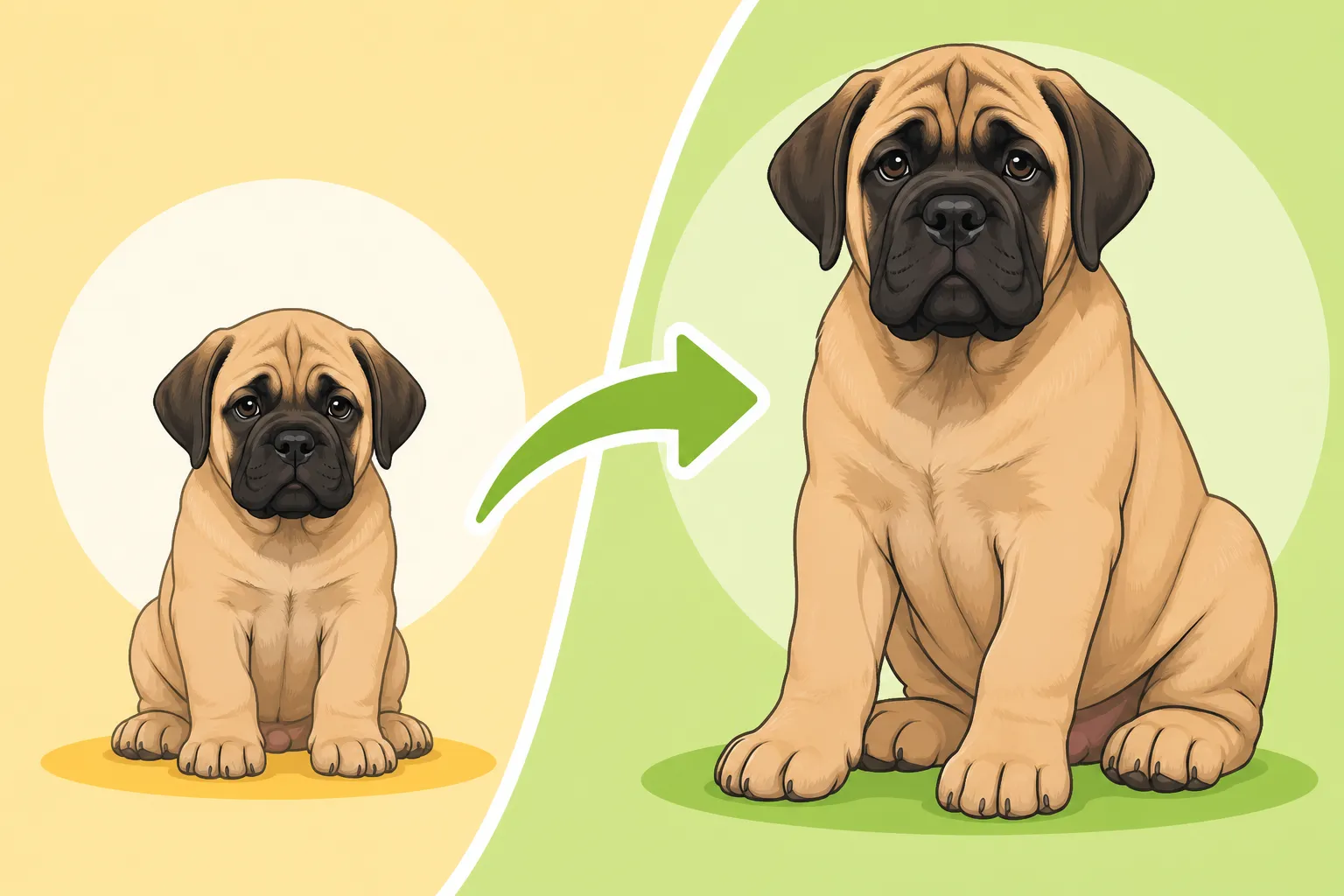
During the most intense growth periods, typically from 8 weeks to about 6-8 months, a Mastiff puppy can gain a substantial amount of weight each week. It's not uncommon for them to add anywhere from 3 to 7 pounds per week during their peak growth spurts. This might sound like a lot, but for a breed destined to weigh over 150 pounds, it's part of their natural trajectory.
Here's a general table of expected weekly weight gain ranges during critical growth phases. Remember, these are broad estimates and your individual puppy's growth may vary. Always consult your veterinarian for personalized advice.
| Age Range | Estimated Weekly Weight Gain (Pounds) | Notes |
|---|---|---|
| 8 weeks to 4 months | 3 – 6 lbs | Rapid skeletal growth, often experiencing noticeable spurts. |
| 4 months to 8 months | 4 – 7 lbs | Continued rapid growth, starting to fill out. Highest risk for orthopedic stress with improper management. |
| 8 months to 12 months | 2 – 5 lbs | Growth starts to slow down, focusing more on muscle and density. |
| 12 months to 18-24 months | 1 – 3 lbs | Very gradual filling out, subtle weight gain, body maturing. |
Beyond 12 months, the weekly gain will become much less pronounced, and often you'll see your Mastiff filling out and developing muscle mass more than simply gaining sheer weight. The overall goal is to maintain a lean body condition throughout this entire period.
Recognizing Healthy vs. Unhealthy Growth Patterns
Knowing what typical growth looks like is one thing, but truly understanding if your specific puppy is on a healthy track requires careful observation. It's not just the number on the scale, but the overall body condition and how they carry themselves.
Signs of Too Rapid Growth
If your Mastiff puppy is gaining weight too quickly, you'll start to notice certain signs. They might appear overly chunky or "roly-poly," rather than having a lean, athletic puppy build. You might find it hard to feel their ribs without pressing firmly, or you might see a lack of waist definition when looking down at them from above. Their legs might appear bowed or stressed, and they might seem a bit clumsy or reluctant to move.
Overfeeding protein and calcium can also contribute to problems. What Excess Calcium Does to a Mastiff's Elbows highlights a crucial dietary concern. Too much energy (calories) or an imbalance in minerals can force the body to grow faster than the bones and joints can structurally support, leading to lifelong issues. If you notice these signs, it's vital to consult your vet immediately to adjust their diet and exercise regimen. Remember, "chubby" might look cute, but it's detrimental to a Mastiff's long-term health.
When to Be Concerned About Slow Growth
On the flip side, slow growth can also be a red flag. While a lean puppy is good, one that is visibly underweight, lethargic, or showing signs of poor coat quality could be struggling. If you can easily see all of your puppy's ribs, spine, and hip bones without them having just eaten or exercised heavily, they might not be getting enough nutrition.
Possible reasons for slow growth include:
- Inadequate Food Intake: Not enough food, or food that isn't calorically dense enough for a growing giant.
- Poor Quality Food: A diet lacking essential nutrients, even if the quantity seems sufficient.
- Parasites: Internal parasites can steal nutrients, hindering growth. Regular deworming is crucial for puppies.
- Underlying Health Issues: Less commonly, slow growth can signal a more serious health problem that requires veterinary intervention.
It's always best to err on the side of caution. If you have concerns about your puppy's growth, whether too fast or too slow, a vet visit is the most responsible course of action. They can assess your puppy's body condition score and recommend appropriate adjustments. Don't hesitate to check in with your vet, especially if you're using a newer food option like Ollie, to ensure it's meeting your Mastiff's unique nutritional demands for growth.
Practical Tips for Monitoring and Managing Growth
Successfully managing a Mastiff puppy's growth isn't about rigid adherence to a chart, but rather consistent monitoring and intelligent adjustments based on your puppy's individual needs and your vet's guidance.
Accurate Weighing at Home
You'll quickly outgrow a standard kitchen scale, but there are good ways to keep tabs on your giant puppy's weight at home. The easiest method for bigger puppies is the "weigh yourself, then weigh yourself holding the puppy" trick using a regular bathroom scale. Subtract your weight from the combined weight, and you have your puppy's measurement. As they get even larger, you might need a dedicated baby scale for infants or a pet scale, many of which can be found on Amazon, designed to handle heavier loads. Record their weight weekly in a journal or on your phone. This creates a data trend that is far more valuable than a single number, allowing you to spot consistent over- or under-gain.
Beyond the scale, get comfortable with feeling your puppy's body. You should be able to feel their ribs with light pressure, but not see them prominently. They should have a defined waist when viewed from above, and their belly should tuck up slightly, not hang down. This hands-on assessment is critical, even more so than the scale reading alone. For specific guidance, you can refer to How Ribby a Mastiff Puppy Should Look.
The Role of Diet in Controlled Growth
Diet is the single most powerful tool you have for controlling your Mastiff puppy's growth rate. Choosing a high-quality, large or giant breed puppy formula is non-negotiable. These foods are specifically designed with lower calcium levels and carefully balanced protein-to-fat ratios to support slow, steady bone development. Always follow the feeding guidelines on the bag, but be prepared to adjust based on your puppy's individual condition and your vet's advice. Sometimes, feeding slightly less than the recommended amount for their current weight is appropriate if they are prone to gaining too quickly.
It's also crucial to understand The Protein and Calcium Ceiling for a Mastiff Puppy to prevent developmental orthopedic diseases. Treats should be healthy, low-calorie, and used sparingly. Avoid giving human food scraps, which can upset their delicate nutritional balance. A consistent feeding schedule, typically three meals a day for younger puppies, helps regulate their metabolism and ensures they aren't gorging. Your vet can provide you with a personalized feeding chart, or you can use general guidelines like those found in The Feeding Chart a Mastiff Puppy Should Follow. Remember, a healthy Mastiff is a lean Mastiff, especially in puppyhood.
Disclaimer
This article is for general informational purposes only and does not constitute professional advice. Laws, prices and regulations vary by location and change over time. Consult a qualified professional for guidance on your specific situation.