How Rome Shipped British Mastiffs Home
Imagine for a moment the sheer logistical nightmare of moving a two-hundred-pound Mastiff across continents today. Now, strip away all modern conveniences—no climate-controlled vehicles, no air travel, no specialized shipping containers, and certainly no easy way to restock food or veterinary supplies mid-journey. This was the monumental task facing the ancient Romans when they decided to bring the formidable ancestors of our modern Mastiffs from the misty shores of Britannia back to the bustling heart of Rome. It wasn't just about loading a dog onto a ship; it was an ambitious feat of ancient animal husbandry and imperial ambition, fraught with peril and demanding immense resources.
The Lure of British Hounds: Why Rome Wanted Them
The Roman conquest of Britain, beginning famously with Julius Caesar's expeditions, wasn't just about land and resources; it was also about discovery, and the Romans quickly discovered the impressive indigenous dogs of the island. These weren't your average village curs; these were large, powerful hounds renowned for their strength, courage, and imposing presence. The reputation of these "Pugnaces Britanniae," or "fighters of Britain," quickly spread throughout the Empire, creating a demand that fueled a fascinating, albeit arduous, trade.
Caesar's Encounters and Early Observations
When Julius Caesar first landed in Britain in 55 and 54 BCE, his legions likely encountered dogs unlike any they had seen before. Roman war dogs were already a thing, with breeds like the Molossus (an ancestor of many modern Mastiff-type dogs) being known, but the British variety seemed to possess a particular tenacity. Caesar's writings, while primarily focused on military campaigns, hinted at the formidable nature of the local fauna, and it wouldn't be long before the utility of these powerful native dogs became apparent. They weren't just guardians; they were a symbol of raw power.
These early observations would have quickly filtered back to Rome. Imagine a legionary returning from campaign, regaling tales of these massive, unflinching dogs defending settlements or assisting local tribes in hunting formidable game. Such stories, combined with the Romans' own appreciation for large, imposing canines, would have naturally piqued imperial interest. The practical applications for such animals, both in the domestic sphere and the arenas, would have been immediately clear.
This initial exposure laid the groundwork for future demand. The Roman military machine was always looking for an edge, and while the British Mastiff ancestors weren't primarily used as war dogs in the same way some earlier Molossus types might have been, their sheer size and strength made them objects of fascination and potential utility. The idea of acquiring such animals wasn't merely a fleeting thought; it quickly became an ambition.
The Reputation of British Mastiffs
By the time of the full Roman conquest under Claudius in 43 CE, the reputation of these British hounds was well-established. They were not just strong; they were considered fiercely loyal and utterly fearless. Roman writers and naturalists later described them with a mixture of awe and respect, highlighting their ability to tackle large prey like wild boar and even bears. This made them ideal for the gladiatorial games, a gruesome but popular form of entertainment that showcased exotic animals and fierce combat.
Beyond the brutal entertainment, these dogs were also valued for their protective instincts. A large, vigilant dog was an excellent deterrent for anyone considering trespassing on a Roman villa or challenging a merchant caravan. The very sight of a Mastiff-type dog would have been enough to make most would-be criminals think twice, making them indispensable guardians in a world without modern security systems. This dual role—as both spectacle and protector—solidified their status as highly sought-after imports.
The mystique surrounding these "barbarian" dogs from the far reaches of the Empire only added to their appeal. Possessing a British Mastiff wasn't just practical; it was a status symbol, a testament to Roman power and reach. The ability to command and display such a formidable animal, sourced from a newly conquered province, spoke volumes about one's wealth and influence within Roman society. It was the ultimate statement piece, a living trophy.
Demand for Arena and Guard Dogs
The primary draw for bringing these magnificent animals back to Rome was undoubtedly their prowess in the arena. The Roman appetite for spectacle was insatiable, and fights between animals, or between animals and gladiators, were a common feature of public games. The British Mastiff, with its power and apparent ferocity, was a perfect candidate for these displays, pitted against other beasts or participating in elaborate hunts (venationes). They were a crowd-pleaser, representing the untamed wildness that Rome sought to control and display. For more on this, you might explore What Mastiffs Fought in the Colosseum.
However, their utility extended beyond mere entertainment. Wealthy Romans also sought these dogs for guarding their vast estates, villas, and even their person. A powerful dog like a British Mastiff provided a living security system, its deep bark and imposing stature a clear warning to intruders. This practical application meant that the demand wasn't limited to the organizers of public games; private citizens with significant property and status also desired these formidable protectors.
Furthermore, these dogs likely played a role in hunting. The Roman aristocracy enjoyed hunting, and a powerful dog capable of tracking and bringing down large game would have been a valuable asset. Whether it was for boar hunts in the Italian countryside or simply as companions on grand estates, the British Mastiff offered a blend of utility and prestige that few other breeds could match. The diverse demand ensured a steady flow of these dogs from Britain to Rome, despite the difficulties involved. You can read more about The Mastiffs That Fought in the Arena.
The Ancient Logistics of Transporting Giants
Moving any animal over long distances in the ancient world was a challenge, but moving a large, powerful dog like a Mastiff's ancestor presented a unique set of difficulties. The journey from Britain to Rome was thousands of miles, encompassing both treacherous overland travel and perilous sea voyages. Every step of the way, handlers faced the daunting task of keeping these animals fed, watered, healthy, and contained.
Overland Journeys: From Britain's Shores to Roman Ports
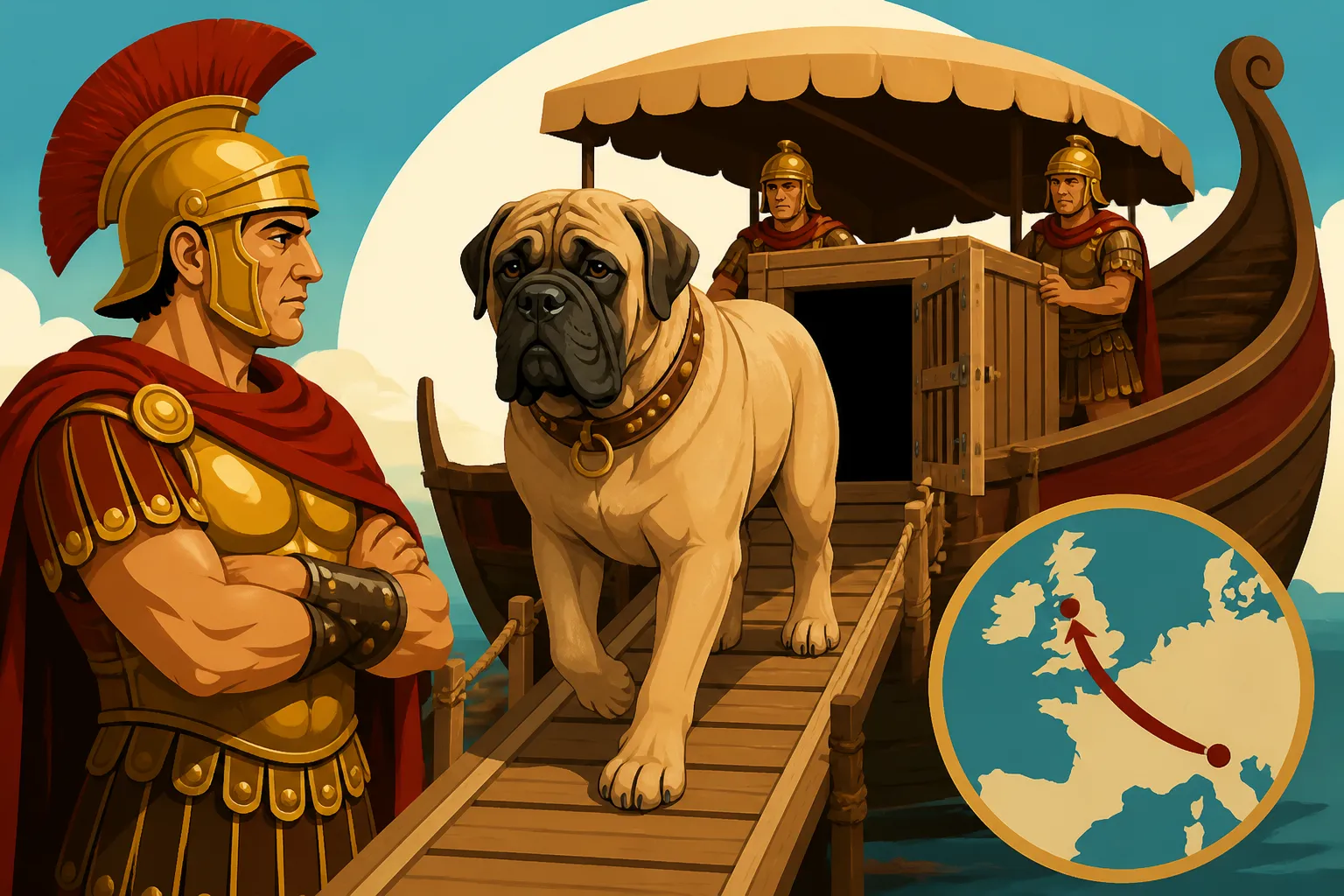
The initial leg of the journey would have involved transporting the dogs from wherever they were acquired in Britain to one of the Roman ports, such as those on the south coast, like Portus Adurni (Portchester) or Dover. This overland trek would have been grueling. Imagine trying to lead a dozen or more large, often semi-wild dogs through diverse terrain, across rivers, and along rudimentary Roman roads. They would have needed sturdy leashes and collars, likely made of thick leather and possibly reinforced with metal, much more robust than any standard dog collar you'd find at, say, Chewy today.
The pace would have been slow, dictated by the dogs' stamina and the need for frequent stops for rest, food, and water. Handlers would have had to carry substantial amounts of food, which might have included dried meat, grain-based gruel, or whatever could be procured locally along the route. Keeping the dogs hydrated was critical, requiring access to fresh water sources, which could be scarce in certain regions or during dry seasons. Disease and injury were constant threats, and without modern veterinary care, even a minor ailment could become life-threatening.
Beyond the physical demands, there was the challenge of managing their temperament. These were powerful animals, not always accustomed to continuous human handling, especially by strangers. The journey itself could be stressful, leading to aggression or escape attempts. Specialized wagons or carts might have been used for very young or injured animals, but for the most part, these dogs would have walked, escorted by experienced handlers who understood their nature and how to keep them moving. How Roman Troops Brought Mastiffs to England delves into the Roman presence there.
Seaborne Passage: Ships, Supplies, and Survival
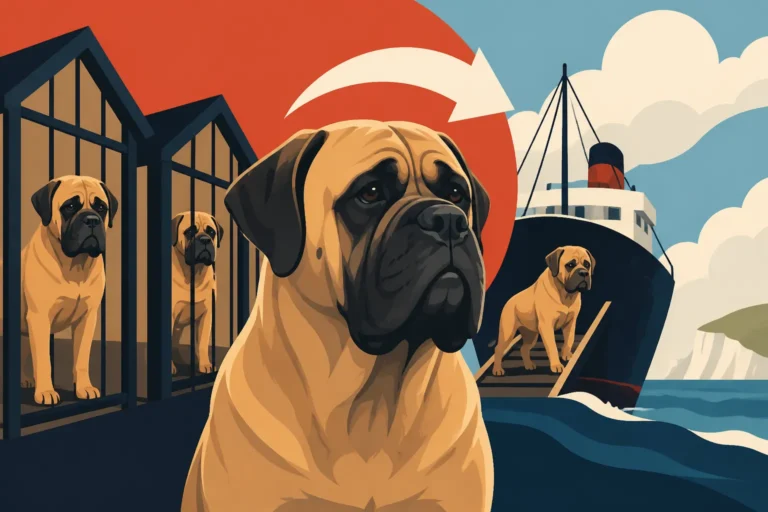
Once at a port like Richborough or Dover, the dogs would be loaded onto ships bound for continental Europe. This was arguably the most challenging part of the journey. Roman cargo ships, while capable of carrying substantial loads, were not designed for animal transport in the way modern livestock carriers are. Dogs would likely have been housed in wooden crates or secured in designated areas on the main deck or below deck, depending on the weather and the specific vessel. Fresh air was important, but so was protection from the elements.
The voyage across the English Channel and then potentially through the Bay of Biscay or around the Iberian Peninsula to reach Italy could take weeks or even months, depending on winds, currents, and intermediate stops. During this time, every single resource had to be carefully managed. Food and fresh water were the biggest concerns. Water barrels would have been essential, and rations of dried meat, hardtack, and other non-perishable foods would have been calculated with precision. Unlike ordering in bulk from an online retailer like Chewy, Roman logistics meant meticulous planning for every meal.
The confined spaces and constant motion of the ship would have been incredibly stressful for the dogs. Seasickness, fear, and boredom could lead to health issues or aggressive behavior. Handlers would have been responsible for cleaning their quarters, preventing the spread of disease, and attempting to keep the animals as calm and comfortable as possible. Imagine a storm at sea, with massive dogs chained or crated, being tossed about in the belly of a wooden ship – a truly harrowing scenario for both man and beast.
Challenges of Feeding and Caring for Large Canines at Sea
Feeding these large Mastiff ancestors during an extended sea voyage was a monumental undertaking. A full-grown Mastiff can consume a significant amount of food daily, and even their ancient counterparts would have needed substantial sustenance to maintain their strength. The type of food would have been basic and utilitarian: dried meat, hard biscuits made from grains, or perhaps fish if fishing was successful during the voyage. There was no specialized giant-breed formula back then.
Hydration was perhaps an even greater concern. Fresh water supplies had to be carefully rationed. If a ship ran low on water, it could spell disaster for the animals. Handlers would have needed to ensure each dog received its share, despite potential jostling and competition. The health of the dogs was constantly at risk from dehydration, malnutrition, and the unsanitary conditions that could quickly develop in crowded quarters without proper waste disposal.
Furthermore, veterinary care was primitive by today's standards. A broken leg, a serious infection, or a severe illness could easily result in the death of an animal without modern medicines, sterile environments, or surgical techniques. Handlers would have relied on folk remedies, basic wound care, and sheer resilience. The attrition rate for such long-distance animal transport was likely very high, making each successful delivery a testament to the perseverance and skill of those involved.
Here's a comparison of ancient and modern animal transport challenges:
| Feature | Ancient Roman Transport (Mastiffs) | Modern Transport (Mastiffs) |
|---|---|---|
| Duration | Weeks to months (overland + sea) | Hours to days (air, specialized road transport) |
| Vessel Type | Basic cargo ships, wagons | Climate-controlled crates, dedicated pet transport vehicles, cargo planes |
| Food & Water | Carried in bulk, rationed, basic ingredients, high risk of spoilage | Pre-packaged, specialized diets (e.g., from Chewy), readily available fresh water |
| Veterinary Care | Primitive, herbal remedies, high mortality for serious illness | On-board vets, emergency clinics, preventative medicines, advanced surgical options |
| Climate Control | None, exposed to elements, risk of heatstroke/hypothermia | Temperature-controlled environments, specialized cooling/heating for comfort |
| Stress Factors | Confinement, storms, unfamiliar smells, limited exercise, disease risk | Noise, confinement, separation anxiety, limited exercise, strict health checks |
| Legislation | None for animal welfare during transport, focus on delivery | Strict animal welfare laws, regulations for transport conditions, permits |
Arrival and Role in the Roman World
Upon arrival in a Roman port, such as Ostia Antica, the port of Rome, the surviving Mastiffs would still have a journey ahead of them to reach their final destinations. For the arena, they would be taken to holding pens near the Colosseum or other amphitheaters. For private owners, they would be escorted to villas across the city or countryside. Their life in Rome, however, often began with an immediate purpose, reflecting the reasons they had been brought so far.
Life Beyond the Arena: Guarding and Hunting
While the arena might have been the primary initial destination for many British Mastiffs, their lives were often multifaceted. A dog that performed well in the games might then be sold to a wealthy Roman as a guard dog. Their imposing size, formidable appearance, and proven courage made them ideal for protecting vast estates, which often housed valuable goods, livestock, and servants. They were an active deterrent against bandits and trespassers, roaming properties at night or stationed at key entry points. For details on historical guard dogs, see The English Castles Mastiffs Guarded.
Beyond pure guarding, some of these Mastiffs would have found roles as hunting companions. The Roman elite engaged in large-scale hunts, and a dog with the strength and tenacity to confront large prey like wild boar or deer would have been highly prized. Their powerful build and strong bite could help bring down game, making them indispensable members of a hunting party. This role allowed them to utilize their natural instincts and physical capabilities in a more 'working' capacity, albeit still for aristocratic entertainment.
Moreover, simply owning such a magnificent beast was a statement. These dogs were symbols of power, wealth, and sophisticated taste. They were a living testament to Rome's imperial reach and its ability to acquire the best from its conquered territories. Much like owning a rare exotic animal, possessing a British Mastiff elevated a Roman citizen's status, showcasing their influence and resources to all who visited their household.
Breeding Programs and Status Symbols
The successful transportation of British Mastiffs naturally led to attempts at establishing breeding programs within Roman Italy. The goal would have been to propagate their desirable traits—size, strength, and courage—without incurring the immense cost and risk of importing more dogs from Britain. This would have involved careful selection of individuals, possibly crossing them with existing large Roman breeds like the Molossus to create a distinct 'Roman Mastiff' type, adapted to the local climate and conditions. These were the early days of selective breeding, centuries before detailed pedigrees or genetic tests like those used for The Four CHIC Tests a Mastiff Breeder Must Clear.
These breeding efforts were not just about practical utility; they were also about maintaining the status symbol. A Roman aristocrat who could breed and raise his own line of formidable Mastiffs would gain even greater prestige. Puppies from such esteemed lines would likely fetch high prices, further solidifying the breed's value and desirability within the Roman elite. The dogs became a part of the social fabric, reflecting the power dynamics of the Roman world.
The long-term impact of these breeding efforts is still felt today, as the ancient Roman Mastiff-type dogs are considered ancestors to many modern Mastiff breeds across Europe. The legacy of these British imports, therefore, isn't just about their individual lives in the arenas or on estates, but about their contribution to the genetic tapestry of powerful canines that have served humans for millennia. From hunting dogs to protectors, their influence has been profound.
The Enduring Legacy of Roman Transport
The story of how Rome shipped British Mastiffs home is more than just a historical anecdote; it’s a testament to human determination, the value placed on these powerful animals, and the incredible challenges of ancient logistics. The successful transport of these dogs across vast distances, through arduous overland journeys and perilous sea voyages, speaks volumes about the Roman Empire's organizational capabilities and its unwavering desire for what it perceived as valuable. The fact that the ancestors of the Mastiff survived these journeys and thrived in the Roman world is a remarkable feat.
These dogs, whether they ended up in the gladiatorial arena, guarding a senator's villa, or hunting with the elite, left an indelible mark on Roman culture and, eventually, on canine history itself. Their genetic contribution is interwoven into the lineage of many modern Molosser breeds, and their presence in Roman society speaks to a deep appreciation for their strength, loyalty, and imposing nature. It reminds us that even thousands of years ago, people were willing to go to extraordinary lengths for their dogs, a sentiment that resonates deeply with Mastiff owners today.
The entire endeavor, from identifying the quality of the British hounds to executing their transport and integrating them into Roman society, showcases a fascinating intersection of military conquest, cultural exchange, and animal appreciation. It highlights how important these animals were, not just as tools or spectacles, but as living symbols of power and prestige, forever linking the British Isles to the grandeur of ancient Rome through the magnificent ancestors of the Mastiff.
Disclaimer
This article is for general informational purposes only and does not constitute professional advice. Laws, prices and regulations vary by location and change over time. Consult a qualified professional for guidance on your specific situation.