Whether a Mastiff Prefers Being the Only Dog
Mastiff social dynamics and personality traits help owners determine if this giant breed truly prefers living as a solo dog.
Work with the temperament you have.
House-training and crate work, recall, leash manners, separation anxiety, and the behaviors this breed is wired for.

Mastiff social dynamics and personality traits help owners determine if this giant breed truly prefers living as a solo dog.

Cohabiting two female Mastiffs requires understanding breed dynamics and managing resources to prevent serious same-sex aggression conflicts.

Mastiff tolerance toward small dogs depends on natural temperament, prey drive considerations, and careful early socialization steps.

Mastiff play styles and accidental body slams explain how two hundred pounds of giant breed size impacts safe interactions with other dogs.

Mastiff play habits feature slow wrestling matches and gentle body slams, showing how two hundred pound dogs interact safely.
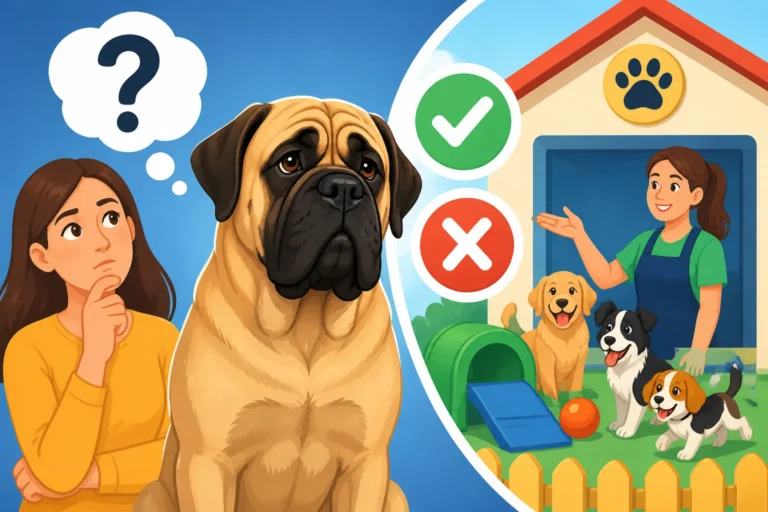
Mastiff daycare challenges, including size, gentle temperament, and bloat risks, explained with safe care alternatives for owners.

Mastiff size and weight create vulnerable joint trauma risks and dangerous overheating hazards in busy, uncontrolled dog park environments.
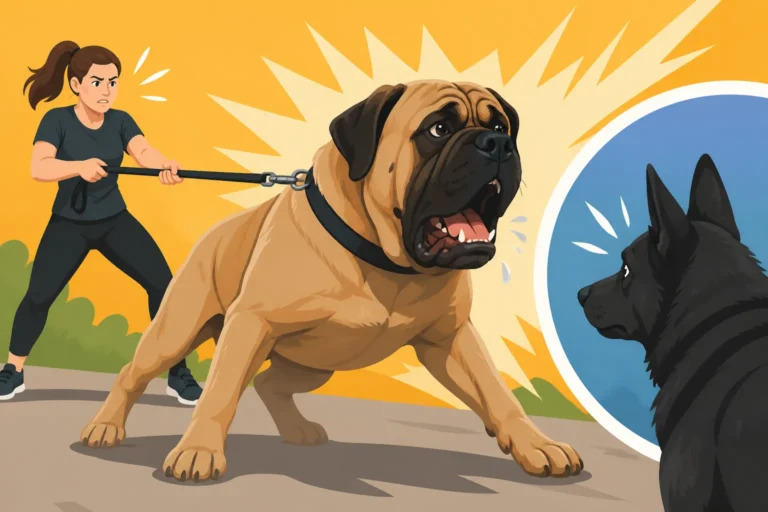
Leash reactivity in a two hundred pound Mastiff involves powerful lunging and barking, creating immense physical danger for owners.

Mastiff puppy shyness and normal caution differ in behavior, helping owners distinguish typical breed hesitation from true fear.

Inadequate socialization in Mastiffs creates lifelong fear and reactivity, causing daily challenges for large dogs and owners.