Whether a Mastiff Bonds to One Person
Mastiffs display profound family loyalty along with a natural preference for one primary caregiver who feeds and walks them.
Work with the temperament you have.
House-training and crate work, recall, leash manners, separation anxiety, and the behaviors this breed is wired for.

Mastiffs display profound family loyalty along with a natural preference for one primary caregiver who feeds and walks them.
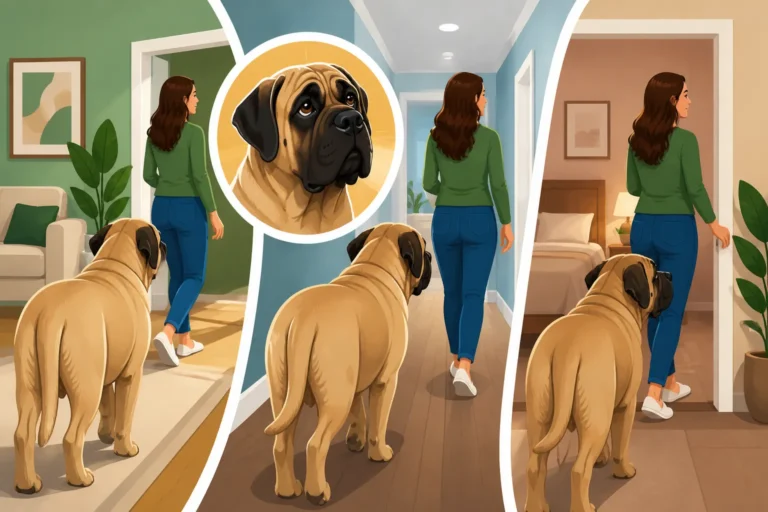
Mastiff shadowing behavior stems from deep protective instincts, strong family bonds, and a natural pack mentality that keeps the giant dogs close.
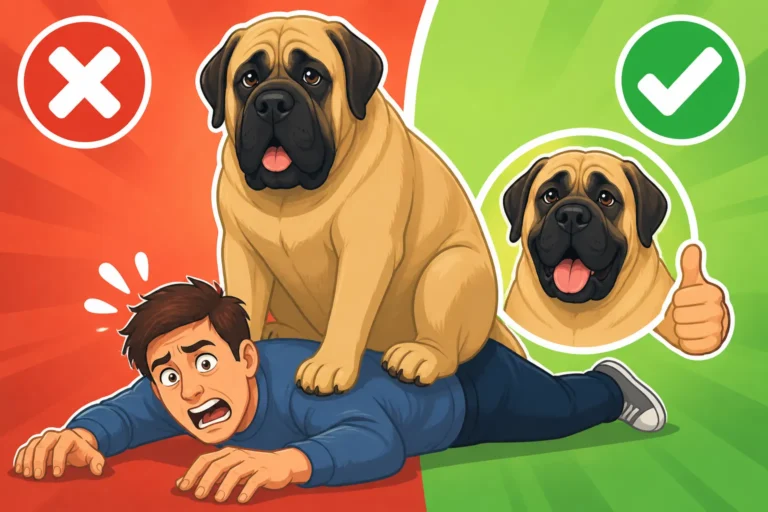
Mastiff sitting and leaning behavior explained, including why these gentle giants crush owners and how to manage it safely.
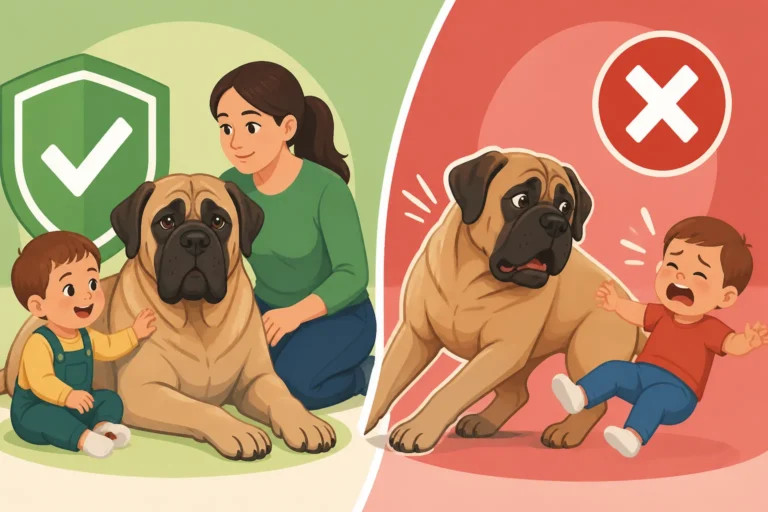
Constant supervision for a Mastiff and toddlers prevents accidental injuries caused by the dogs massive size and weight.
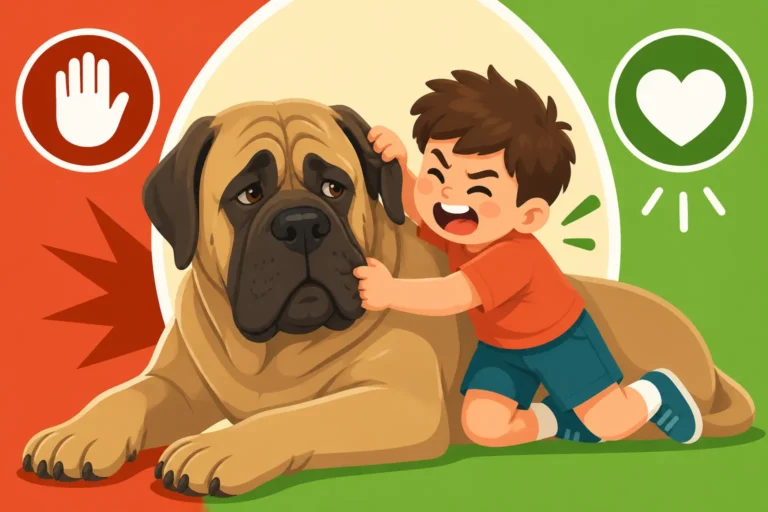
Mastiff temperament around children, including patience limits, sensitivity, and responses to rough handling from toddlers.
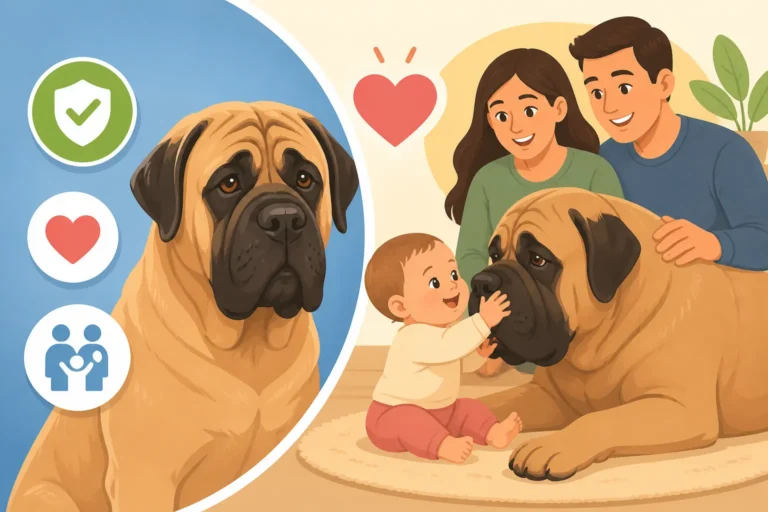
Mastiff temperament around babies involves evaluating giant dog size risks, gentle nature, and accidental harm prevention.

Mastiff safety around livestock depends on prey drives, historical guardian instincts, and preventing accidental harm from size.
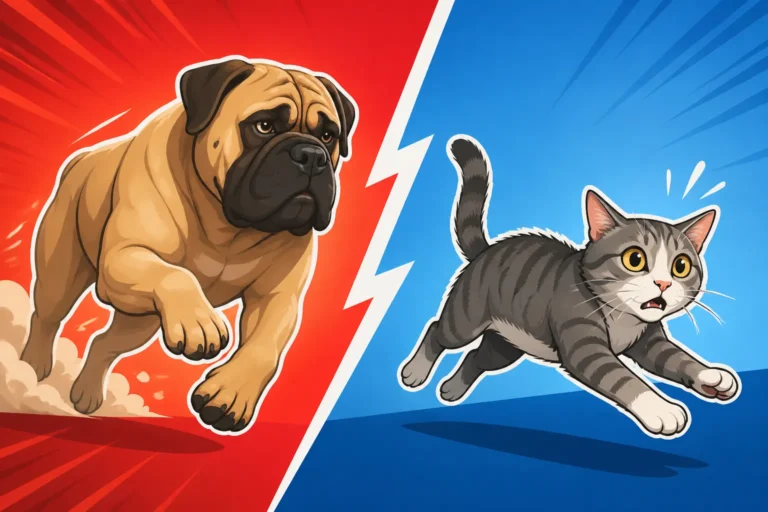
Mastiff-cat relationships and prey drives explain how two hundred pound dogs interact safely with feline pets in a shared home.

Mastiff and cat safety depends on evaluating the dog calm temperament, natural prey drive, and massive size disparity between the animals.

Mastiffs experiencing the loss of a companion dog, cat, or human show grief through behavior changes and physical stress symptoms.