Where a Mastiff’s Skin Folds Are
If you're a Mastiff owner, or considering becoming one, you've probably already noticed or at least heard whispers about their magnificent, sometimes overwhelming, wrinkles and folds. These majestic folds are part of what gives the Mastiff its noble, ancient look, but let's be real: they can also be a source of constant worry and endless questions about proper care. This guide is here to walk you through every nook and cranny of your Mastiff's skin folds, from their adorable facial creases to those often-hidden spots that demand extra vigilance, helping you understand where they are, why they're there, and how to keep them healthy and happy.
Understanding the Mastiff's Signature Wrinkles and Folds
The Mastiff's deeply wrinkled brow and loose, flowing skin are undeniably part of its charm, a defining characteristic that sets it apart from other breeds. But these features aren't just for show; they're an intrinsic part of the breed's history and genetic makeup. While they contribute to the Mastiff's imposing and gentle giant aesthetic, they also bring unique care considerations that prospective and current owners need to understand.
Why Mastiffs Have So Many Folds
The sheer volume of loose skin on a Mastiff is a direct inheritance from its ancestors, ancient dogs bred for protection and combat. Imagine a dog needing an extra layer of defense against bites or attacks—the loose skin would allow an attacker to get a grip without immediately reaching vital organs, offering a crucial buffer. Over centuries of selective breeding, particularly in the development of the modern Mastiff, this characteristic became exaggerated, prized for its distinctive appearance. It's a hallmark of the Molosser type dogs, signifying power and presence.
Beyond historical function, these folds contribute to the Mastiff's stoic and expressive face. Those deep furrows in their brow, often referred to as "furrows of concentration," allow for a wide range of expressions, from contemplation to concern, making their faces incredibly endearing and communicative. This excess skin is also part of their generally heavy bone structure and massive build, distributing their impressive weight and bulk in a way that’s both grand and, well, squishy.
The Difference Between a Wrinkle and a Fold
While often used interchangeably, there's a subtle distinction that can be helpful when discussing Mastiff skin. A "wrinkle" typically refers to the shallower, often more numerous lines, particularly on the forehead or around the eyes, that give the face its expressive quality. Think of them as the fine lines that appear when a Mastiff is thinking hard or giving you that classic concerned look. They're usually less deep and less prone to moisture trapping.
A "fold," on the other hand, refers to deeper, more pronounced rolls of skin, often creating pockets where skin touches skin. These are typically found around the muzzle, beneath the chin, along the neck, and sometimes even at the base of the tail or in the armpits. These folds are the areas that require the most diligent attention because they create enclosed, warm, and often moist environments—perfect breeding grounds for bacteria and yeast if not kept meticulously clean and dry. Understanding this distinction can help you prioritize your cleaning efforts and identify potential problem spots more quickly.
Genetic Predisposition and Breed Standard
The Mastiff's skin folds are not random; they are a direct result of careful breeding over generations to maintain the breed standard. The official breed standards from organizations like the American Kennel Club (AKC) specifically call for a certain amount of loose skin, particularly on the head, face, and neck, contributing to the breed's imposing and powerful appearance. This genetic predisposition means that nearly all purebred Mastiffs will exhibit these characteristics to varying degrees.
While breeders aim for balance, ensuring adequate skin to meet the standard without creating health hazards, the reality is that the extent of wrinkling can vary significantly from one Mastiff to another. Some may have very pronounced, heavy folds, while others might be a bit more moderate. Reputable breeders will often discuss this with potential owners, as the degree of wrinkling directly impacts the daily care requirements. It’s not just about aesthetics; it’s about a genetic trait that requires consistent, proactive management throughout a Mastiff’s life to prevent common skin issues.
Mapping the Mastiff's Major Fold Zones
To properly care for your Mastiff's unique skin, you need to know exactly where to look. While some folds are obvious, others are tucked away, patiently waiting for you to discover them during your cleaning routine. Missing these hidden spots can lead to discomfort, irritation, and even infection for your gentle giant.
The Prominent Facial Folds: Eyes, Nose, and Lips
The face is where a Mastiff's folds truly shine, defining their expressive and often melancholic look.
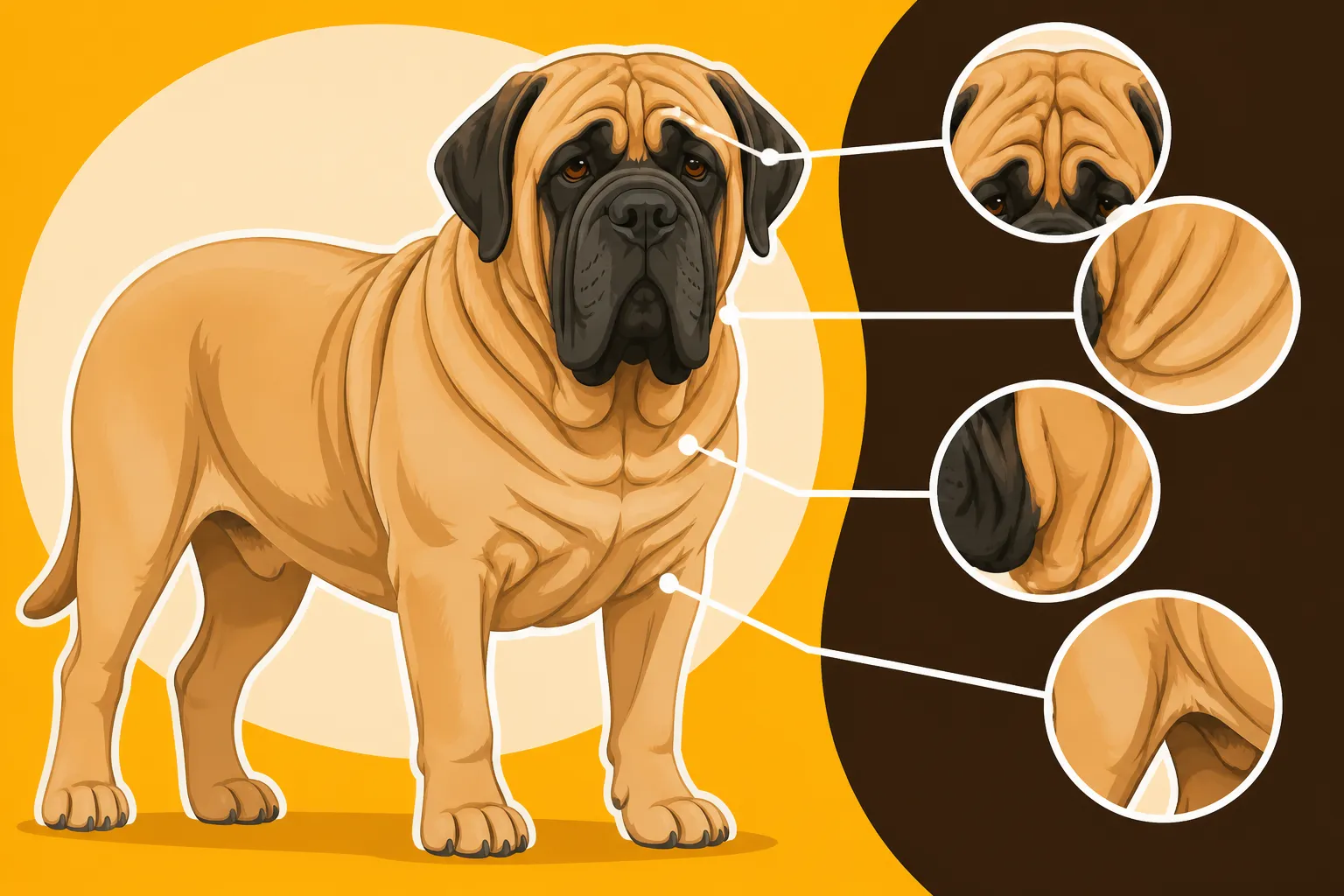
First, there are the eye folds. These can range from subtle wrinkles around the outer corners of the eyes to deeper creases that hang down, sometimes even impacting vision or causing irritation if the eyelashes rub against the eye. These areas can collect dust, tears, and debris, which can lead to staining and skin irritation. It’s vital to gently wipe around the eyes daily. Relatedly, you might also want to read about Eye and Eyelid Disease in a Mastiff to understand potential issues beyond simple fold care.
Next, the nose wrinkle, often called the "nose rope." This is a prominent fold that runs across the top of the muzzle, above the nose. Depending on the individual Mastiff, this fold can be quite deep and wide, creating a warm, dark, and often moist pocket right over their nostrils. This particular fold is a notorious hotspot for moisture and debris accumulation, making it a prime candidate for yeast and bacterial infections. Daily inspection and cleaning are non-negotiable for this area. It's often the first place new Mastiff owners realize they have to pay special attention to their dog's wrinkles, as highlighted in Whether a Mastiff's Nose Wrinkle Needs Daily Attention.
Finally, we come to the lip folds and jowls. Oh, the jowls! These magnificent, pendulous lips are a Mastiff hallmark, and they come with numerous folds and pockets, especially along the lower jaw and inside the mouth. These folds are constantly exposed to saliva, food particles, and water. When your Mastiff takes a drink, their jowls soak up water like sponges, and a quick head shake sends it flying, but plenty remains trapped in the folds. This persistent dampness, combined with food debris, creates an ideal environment for bacterial growth and yeast infections, leading to odors and discomfort. You can often find food bits stuck deep within these folds, making regular cleaning after meals crucial. Whether a Mastiff's Lip Folds Trap Food delves deeper into this specific challenge.
Neck and Throat: The Dewlap and Beyond
Moving down from the face, the Mastiff boasts a considerable amount of loose skin around its neck and throat, often referred to as a "dewlap." This isn't just a single fold but a series of overlapping creases and rolls that can extend from beneath the chin all the way down to the chest.
The dewlap is a significant area that often gets overlooked. It hangs down, creating deep crevices where skin meets skin. This area can accumulate sweat, dirt, and moisture, especially if your Mastiff is active or prone to leaning against furniture or rough surfaces. These folds can become warm and moist, particularly in hotter climates or during exercise, making them susceptible to skin irritation and infections. A quick sniff test can often reveal if there’s a problem brewing in these hidden depths – Whether a Mastiff's Fold Smells Yeasty is a good read if you detect an unusual odor.
Beyond the prominent dewlap, some Mastiffs can have additional folds around the base of the skull and extending towards the shoulders. These might not be as deep or continuously moist as the facial folds, but they can still trap dirt, particularly if your Mastiff enjoys rolling on the ground or has rough-and-tumble play sessions with other dogs. Always remember to check these less obvious spots during your grooming routine.
Body Folds: Chest, Armpits, and Tail Base
While the facial and neck folds are the most famous, a Mastiff's loose skin isn't confined to just their head. Depending on the individual, you might find significant folds on other parts of their massive body.
The chest and armpit regions can develop substantial folds, especially in very well-muscled or heavier Mastiffs. These areas are prone to friction, moisture from sweat, and trapping debris. If your Mastiff is prone to lying down for long stretches, these folds might press together, reducing airflow and increasing the risk of skin irritation. Similarly, the armpits are constantly rubbing when the dog walks, which can lead to chafing and warmth. It's a common site for skin issues that can go unnoticed until a clear problem develops.
Another often-forgotten area is the base of the tail. While not as universally prominent as facial folds, some Mastiffs have a noticeable fold or pocket of skin at the very top of their tail, where it meets the rump. This fold can collect fecal matter, urine, or simply sweat and dirt, especially in dogs with longer tails or those that sit frequently. Just like facial folds, this area can become warm and damp, creating a breeding ground for bacteria if not cleaned regularly. Neglecting this spot can lead to chronic irritation and a truly unpleasant odor.
Finally, though less common, some Mastiffs can exhibit folds along their flanks or inner thighs. These areas are often related to the sheer volume of their skin and their body conformation. While usually less problematic than the primary fold zones, they still warrant a quick check during bathing or grooming, especially after muddy outdoor adventures. These are The Wrinkles and Folds a Mastiff Owner Cleans Every Week, often the hidden ones that catch us by surprise.
The Daily Realities of Living with a Wrinkly Mastiff
Bringing a Mastiff into your home means embracing their unique characteristics, and their magnificent folds are certainly one of them. While they add to the breed's imposing grandeur, they also introduce a set of practical considerations that impact daily life and care routines. Ignoring these realities isn't an option for a healthy, happy Mastiff.
Challenges in Keeping Folds Clean and Dry
The biggest challenge with Mastiff folds is simply maintaining hygiene. These deep crevices are natural magnets for everything from food particles and drool to dust, dirt, and even moisture from humidity or water bowls. Because the skin layers are pressed together, they create an anaerobic environment—meaning, one with very little air circulation. This lack of airflow, combined with warmth and moisture, makes these folds the perfect incubator for bacteria and yeast.
Think about it: after a meal, bits of kibble or wet food can easily get lodged in the deep folds around their muzzle. After a drink, water drips and settles into the dewlap. If your Mastiff rolls in the dirt, that grime doesn't just sit on the surface; it burrows deep into the folds. Over time, this accumulation leads to skin irritation, foul odors, and ultimately, painful infections if not addressed promptly and consistently. It's a constant battle, and one that requires dedication from the Mastiff owner.
Trapping Moisture and Debris
The way Mastiff folds are structured means they excel at trapping all sorts of things that shouldn't be there. Moisture is perhaps the most insidious culprit. Whether it's from drinking, sweat, or even just high humidity, moisture gets locked into these areas and doesn't evaporate easily. This creates a perpetually damp environment that softens the skin, making it more vulnerable to irritation and breaking down its natural protective barrier.
Beyond moisture, debris is a significant issue. Imagine your Mastiff sniffing around the garden. Pollen, small bits of plant matter, or even dust can easily settle into those facial or neck folds. If they rub against a dusty sofa or roll on a rug, hair and lint can get trapped. This trapped debris then combines with moisture and natural skin oils to form a perfect storm of irritation, leading to itchiness, redness, and the potential for infection. It’s a cyclical problem: irritation leads to scratching, which further compromises the skin barrier, allowing more invaders in.
The Impact of Drool and Water on Folds
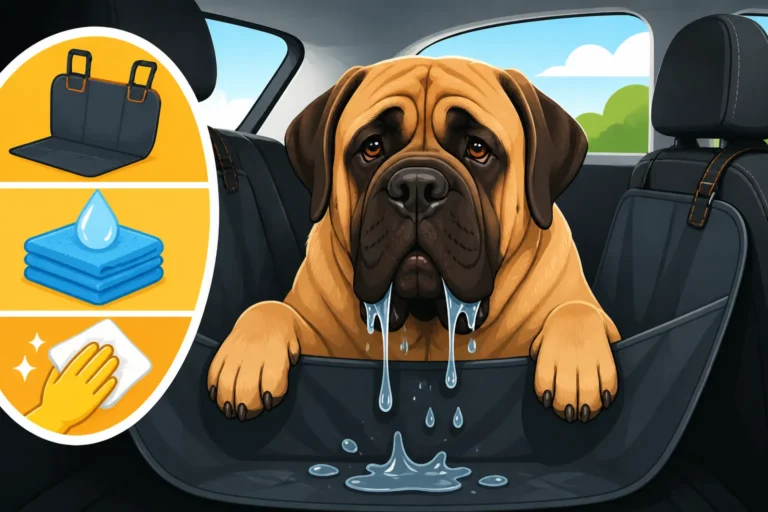
If there's one thing Mastiff owners become intimately familiar with, it's drool. And water. Lots and lots of water. A Mastiff's magnificent jowls, while charming, are also excellent at holding onto both. When a Mastiff drinks, their lips act like a scoop, filling with water. When they lift their head, gravity (and a good shake) sends most of it flying, but a significant amount gets trapped in the facial folds and runs down into the dewlap.
This constant exposure to moisture, particularly in the jowls and neck, is a primary driver of skin fold issues. The dampness never truly dries, leading to a breakdown of the skin's integrity. It can also cause staining, especially on lighter-colored Mastiffs, and can harbor bacteria that lead to bad smells. You might find yourself wiping your Mastiff's face and neck multiple times a day, especially after meals and drinks, just to keep these areas as dry as possible. This is where products from brands like Chewy, offering a wide array of specialized dog wipes and cleaning solutions, become essential tools in your daily care arsenal.
Essential Care Routines for Mastiff Skin Folds
Maintaining healthy skin folds on a Mastiff isn't a one-time task; it's an ongoing commitment. Establishing a consistent care routine is paramount to preventing discomfort, infections, and costly vet visits. Think of it as preventative maintenance for your wrinkly companion.
Daily Spot Checks and Gentle Wiping
Consistency is key when it comes to Mastiff folds. A daily spot check should become as routine as filling their food bowl. Take a moment to gently lift and examine each major fold area: around the eyes, the nose wrinkle, the jowls, and under the chin. Look for any redness, swelling, discharge, or foul odor. Signs a Mastiff's Fold Has Become Infected outlines what to watch for.
Once you’ve inspected, proceed with gentle wiping. For most folds, a soft, damp cloth is sufficient for daily maintenance. For areas prone to more moisture or debris, like the nose wrinkle and jowls, consider using dog-specific cleansing wipes. These are often formulated with mild antiseptics or soothing agents that help keep bacterial and yeast populations in check without irritating sensitive skin. You can find a good variety of these on Amazon or Chewy, making it easy to keep stocked up. Always be gentle; you don't want to rub too harshly and cause further irritation. The goal is to remove moisture, food, and debris, leaving the skin clean.
Choosing the Right Cleaning Products
When it comes to cleaning Mastiff folds, not all products are created equal. Avoid human baby wipes, as they often contain perfumes or ingredients that can be irritating to canine skin. Look for products specifically designed for pets, particularly those that are hypoallergenic, fragrance-free, and contain soothing ingredients like aloe vera or witch hazel. Many excellent brands offer medicated wipes for specific issues, which your vet might recommend if your Mastiff is prone to recurrent infections.
For deeper cleaning, such as during bath time, a gentle, moisturizing dog shampoo is essential. Avoid harsh detergents that can strip natural oils from the skin, leading to dryness and irritation. Some owners also find success with diluted veterinary-approved antiseptic solutions for particularly problematic folds, but these should always be used under the guidance of a vet. After washing, ensure thorough rinsing to remove all traces of shampoo, as residue can also cause irritation. What to Clean a Mastiff's Wrinkles With provides a detailed look at various product options.
Drying Folds Thoroughly After Cleaning or Bathing
This step is arguably the most critical and most often overlooked. It doesn't matter how well you clean the folds if you leave them damp. Moisture, as we've discussed, is the enemy of healthy skin folds. After every cleaning session, and especially after a bath, you must ensure that every fold is completely dry.
Use a soft, absorbent towel, gently blotting each fold until it’s dry to the touch. For particularly deep folds, you can even use a low-setting hairdryer (held at a safe distance and never too hot) or cotton balls to absorb residual moisture. Some owners even apply a light dusting of cornstarch or a vet-approved drying powder to problematic areas, but again, this should be done with caution and veterinary advice, as too much powder can clump and cause its own issues. The goal is to create an environment where bacteria and yeast cannot thrive. Remember, Whether a Mastiff's Folds Need Drying After Cleaning is not just a suggestion, it's a necessity for preventing painful skin conditions.
Here's a quick reference table for fold care:
| Fold Area | Primary Concern | Cleaning Frequency | Recommended Tools | Key Action |
|---|---|---|---|---|
| Facial Folds | ||||
| Eyes | Tears, debris, staining | Daily | Soft, damp cloth; eye wipes | Gentle wiping away from the eye |
| Nose Wrinkle | Moisture, food, yeast | Daily | Dog-specific cleansing wipes | Lift fold, wipe thoroughly, dry completely |
| Jowls/Lip Folds | Drool, food particles, bacteria | Daily (after meals) | Dog-specific cleansing wipes | Wipe deep into folds, dry well |
| Neck & Body Folds | ||||
| Dewlap (Neck) | Sweat, dirt, moisture | Daily/Every other | Damp cloth, cleansing wipes | Lift folds, wipe and dry |
| Armpits | Friction, sweat, dirt | Weekly | Damp cloth, medicated wipes (if needed) | Check for redness, keep dry |
| Tail Base | Fecal matter, urine, moisture | Daily | Cleansing wipes, damp cloth | Lift tail, clean thoroughly, ensure dryness |
Recognizing and Addressing Common Fold-Related Issues
Despite your best efforts, Mastiffs are predisposed to certain skin issues because of their unique anatomy. Being able to recognize the early signs of trouble and knowing when to seek professional help is crucial for your dog's comfort and long-term health.
Skin Fold Dermatitis: A Persistent Foe
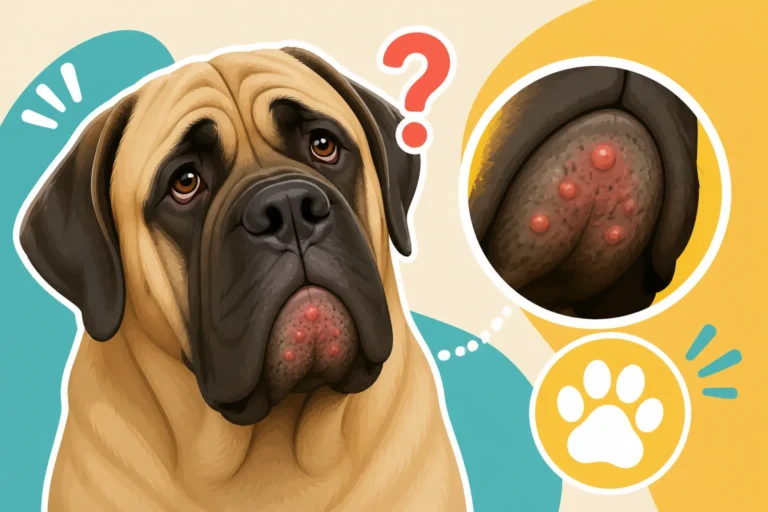
Skin fold dermatitis, also known as intertrigo, is the most common issue affecting Mastiffs' wrinkles. This is an inflammatory condition that occurs when moisture, friction, and heat are trapped in skin folds, creating an ideal environment for bacteria and yeast to multiply out of control. The skin becomes red, inflamed, itchy, and often produces an unpleasant odor. You might notice your Mastiff rubbing its face or scratching its neck more than usual.
If left untreated, skin fold dermatitis can become very painful and lead to secondary infections. The affected skin can become raw, oozing, and crusted. It's not just a superficial problem; it can significantly impact your Mastiff's quality of life. Regular cleaning and drying are your first line of defense, but once dermatitis sets in, it often requires medical intervention to clear up the infection and soothe the irritated skin. This can involve topical creams, medicated shampoos, or even oral antibiotics or antifungals.
Yeast and Bacterial Infections
As mentioned, the warm, moist, and airless environment within Mastiff folds is a perfect breeding ground for both yeast (Malassezia) and various bacteria. These opportunistic organisms, normally present on the skin in small numbers, can proliferate rapidly when conditions are favorable.
Yeast infections often manifest with a distinct yeasty or "corn chip" smell, along with reddish-brown discoloration of the skin and sometimes a greasy texture. Your Mastiff might be intensely itchy. Whether a Mastiff's Fold Smells Yeasty goes into more detail about this specific odor.
Bacterial infections tend to cause more intense redness, swelling, pus, and can be very painful. The area might feel hot to the touch. Both types of infections typically require veterinary diagnosis and specific treatments. Topical antifungal or antibacterial wipes and creams are common, and in more severe cases, oral medications might be prescribed. Prompt treatment is important to prevent the infection from spreading or becoming chronic. Signs a Mastiff's Fold Has Become Infected is an excellent resource for visual and olfactory clues.
When to Consult Your Veterinarian for Fold Problems
Knowing when to move beyond home care and seek professional veterinary help is paramount. Never hesitate to call your vet if you notice any of the following:
- Persistent redness or inflammation: If gentle cleaning and drying don't resolve redness within a day or two.
- Foul odor: A strong, persistent, unpleasant smell coming from the folds.
- Discharge: Any oozing, pus, or excessive moisture that isn't easily wiped away.
- Pain or sensitivity: Your Mastiff flinches, pulls away, or shows discomfort when you try to examine or clean a fold.
- Bleeding or open sores: Any breaks in the skin barrier.
- Lethargy or loss of appetite: While less common for localized skin issues, these could indicate a more serious systemic infection.
- Reluctance to move or facial rubbing: Increased scratching or rubbing of the face and neck, suggesting intense itchiness or pain.
Your veterinarian can accurately diagnose the type of infection (bacterial, yeast, or both) and prescribe the most effective treatment. They might also suggest specific medicated wipes, shampoos, or dietary changes if allergies are suspected. Remember, early intervention often leads to faster resolution and prevents more severe complications. It’s always better to be safe than sorry when your Mastiff's comfort is at stake. They truly are sensitive souls, despite their size, as discussed in The Sensitivity Nobody Expects in a Two Hundred Pound Mastiff.
Proactive Measures for Long-Term Skin Health
Beyond daily cleaning, a holistic approach to your Mastiff's health can significantly contribute to keeping their skin folds healthy and free from issues. It’s about creating an overall environment that supports healthy skin from the inside out and the outside in.
Diet, Hydration, and Overall Skin Integrity
What goes into your Mastiff's body plays a huge role in the health of their skin. A high-quality diet, rich in essential fatty acids (like Omega-3s and Omega-6s), vitamins, and minerals, can significantly improve skin barrier function and reduce inflammation. Look for dog foods that list real meat as the first ingredient and avoid excessive fillers or artificial additives that could trigger sensitivities. Brands like Ollie, known for its fresh, human-grade ingredients, can be excellent for promoting overall skin health due to high-quality protein and balanced nutrients, although Mastiff volumes can make fresh food quite an undertaking.
Adequate hydration is also critical. Ensure your Mastiff always has access to fresh, clean water. Good hydration helps maintain skin elasticity and overall health, making it more resilient to irritation. Some owners add a fish oil supplement to their Mastiff's diet, as the Omega-3s are renowned for their anti-inflammatory properties and ability to support healthy skin and coat. Before adding any supplements, however, always consult your veterinarian to ensure they are appropriate for your individual dog and won't interact with any existing health conditions or medications.
Environmental Management and Airflow
Managing your Mastiff's immediate environment can also make a difference. In humid climates, using dehumidifiers indoors can help reduce the overall moisture level, which indirectly benefits skin folds by creating a drier environment. During warmer months, ensure your Mastiff has access to cool, shaded areas and plenty of airflow. A fan can be a simple yet effective tool to keep them comfortable and help air circulate around their skin, especially in those deeper folds.
Consider their bedding too. Opt for breathable, washable orthopedic beds that don't trap excessive heat and moisture. Regular washing of bedding helps remove dander, dirt, and bacteria that could otherwise transfer to your Mastiff's skin. If your Mastiff tends to flop down on hard, potentially dirty surfaces, encourage them to use their clean, comfortable bed instead. This reduces the amount of external debris and irritants that can get into their folds. For keeping their fur generally clean, Which Shampoo Suits a Mastiff's Skin is a good resource.
The Role of Regular Grooming and Health Checks
Beyond daily fold care, a comprehensive grooming routine contributes to overall skin health. Regular brushing, even for a short-coated Mastiff, helps distribute natural skin oils, remove loose hair and dirt, and stimulates circulation. While you might not brush deep into the folds, the overall cleanliness of their coat means less debris getting trapped in the first place.
Routine veterinary check-ups are also crucial. Your vet can perform thorough skin examinations, identify early signs of issues that you might miss, and provide tailored advice for your Mastiff's specific needs. They can also discuss preventative strategies, such as appropriate bathing schedules or specific medicated washes if your Mastiff is particularly prone to skin problems. Don't forget their general hygiene, as addressed in Whether a Mastiff Gets Skin Fold Infections, a vet can help diagnose early.
By combining diligent fold care with a healthy diet, appropriate environmental management, and consistent grooming and vet checks, you can significantly reduce the risk of skin fold issues and ensure your magnificent Mastiff remains comfortable and healthy throughout their life.
Disclaimer
This article is for general informational purposes only and does not constitute professional advice. Laws, prices and regulations vary by location and change over time. Consult a qualified professional for guidance on your specific situation.