Whether a Mastiff Puppy Bites Hard
Bringing a Mastiff puppy home is an exciting, joyful time, but it often comes with a secret worry lurking in the back of new owners' minds: how hard will this giant puppy bite? It's a completely valid concern, given their rapid growth and eventual immense size. Understanding why Mastiff puppies nip, how to manage their sharp little teeth, and what steps to take to ensure a gentle mouth as they mature is absolutely crucial for a harmonious household. This guide will walk you through the nuances of Mastiff puppy biting, from those initial playful nips to establishing impeccable bite inhibition.
Understanding Puppy Nipping and Biting in Mastiffs
Every puppy goes through a phase of using their mouth to explore the world, and Mastiff puppies are no exception. What makes it feel different with a Mastiff, however, is their sheer size and jaw strength, which even in puppyhood, is considerably more substantial than many other breeds.
The "Sharky" Phase of Mastiff Puppies
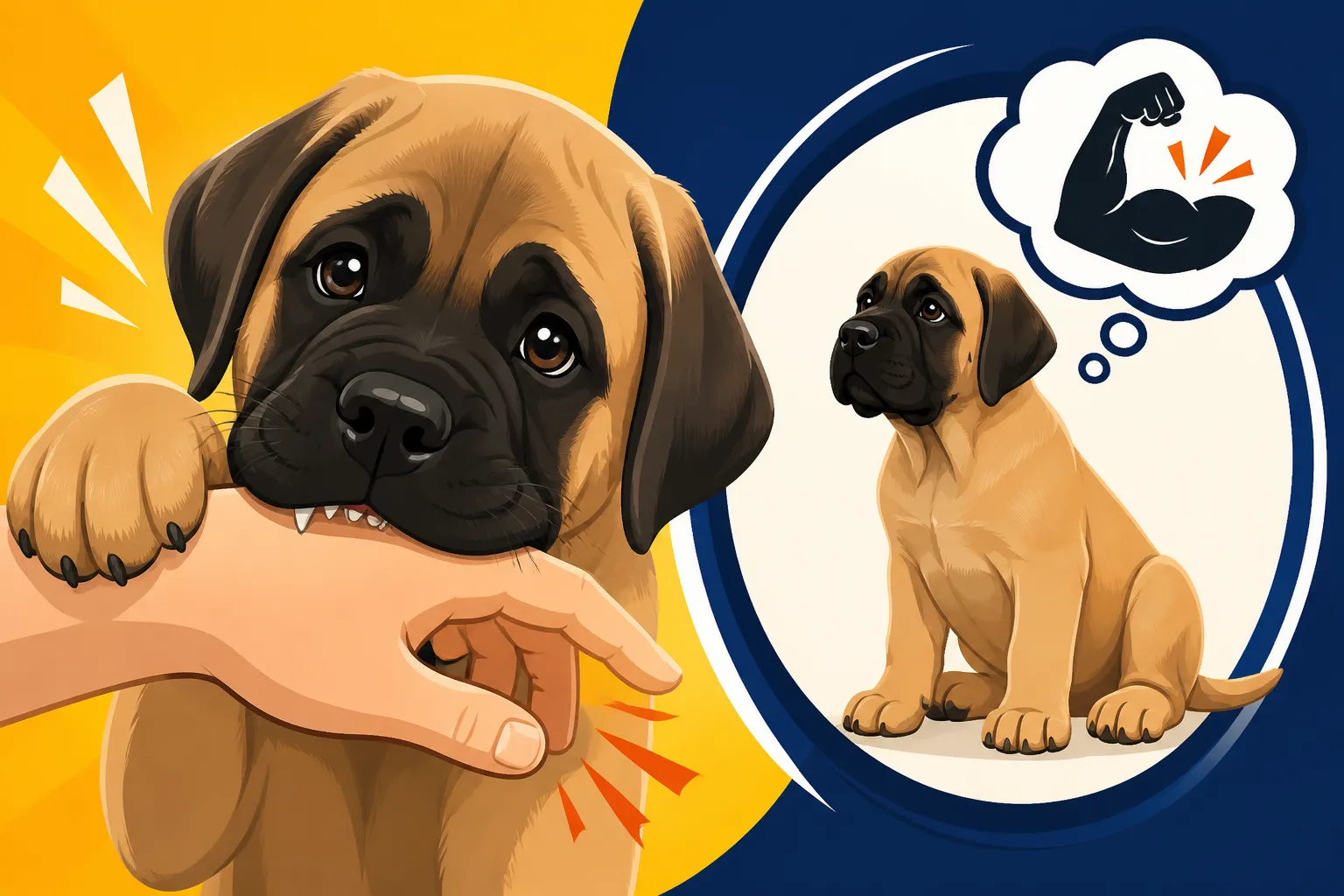
From the moment they arrive home, often around 8 weeks, Mastiff puppies are veritable land sharks. Their mouths are how they interact with their environment and with you. They'll mouth at your hands, feet, clothing, and anything else within reach. This isn't malice; it's instinct. In their litter, this mouthing taught them critical lessons about bite inhibition. When a puppy bit too hard, their littermate would yelp, and play would stop, teaching the aggressor to temper their bite. You need to mimic this learning process.
It’s easy to dismiss these nips as harmless when your Mastiff is still relatively small, say 30 or 40 pounds. But remember, The First Year With a Mastiff Puppy That Doubles in Size or even triples. Those tiny needle-sharp teeth quickly give way to larger, stronger teeth, and if bite inhibition isn't established early, those playful nips can become quite painful and potentially dangerous as they gain strength. This phase also coincides with teething, where the urge to chew and mouth increases as their baby teeth fall out and adult teeth emerge. Providing appropriate outlets for this natural urge is paramount.
Why a Mastiff Puppy Might Bite Harder Than Expected
Sometimes, a Mastiff puppy might seem to bite harder than you anticipate, even for a puppy. This isn't usually a sign of aggression, but rather a lack of understanding of their own strength. In a litter of giant breed puppies, play can get quite boisterous, and a bit of roughhousing is normal. They learn a lot from their littermates, but sometimes a puppy might not have fully developed its bite inhibition before coming home.
When a Mastiff puppy bites harder than expected, it means they haven't yet learned that human skin is far more delicate than a littermate's furry hide. Their strong jaws, even without full adult force, can leave significant marks. This is where your consistent training comes in. It's about teaching them that human skin is fragile, and any pressure from their mouth, even accidental, is unacceptable. Without this crucial lesson, you're setting yourself up for difficulties later on when your "puppy" is a 150-pound adolescent with the full force of its adult jaws behind its mouthy greetings.
Identifying the Difference Between Play Biting and Aggression
It's vital to differentiate between typical puppy play biting and genuine aggression. Most Mastiff puppy mouthing is exploratory and playful.
Signs of Play Biting:
- Loose, wiggly body language.
- Wagging tail (though a wagging tail doesn't always mean friendly).
- Soft, open mouth; often accompanied by playful growls or sneezes.
- "Puppy eyes" or a generally happy demeanor.
- They stop when you yelp or disengage.
- Their bite pressure lessens over time with training.
Signs of Aggression (even in a puppy):
- Stiff body language, tense muscles.
- Hard stare, dilated pupils.
- Lip curling, baring teeth (not a playful grin).
- Deep, guttural growls that sound serious.
- Attempting to guard resources (food, toys, space) with snarls or bites.
- Continuing to bite or escalating intensity even after you show pain or disengage.
- A puppy that snaps without prior warning or quickly escalates from a gentle mouth to a hard bite.
If you observe signs of aggression, even in a young Mastiff puppy, it's a red flag that requires immediate professional attention. Never ignore it, assuming they'll grow out of it. An aggressive tendency, unchecked, can become incredibly dangerous in a dog of this size. Early intervention by a qualified professional can make all the difference. The Sensitivity Nobody Expects in a Two Hundred Pound Mastiff also highlights how some Mastiffs can be misunderstood, making it critical to discern actual aggression from simple play.
Teaching Bite Inhibition to Your Mastiff Puppy
Teaching bite inhibition is one of the most important lessons you'll impart to your Mastiff puppy. It's about giving them a "soft mouth" so that even if they accidentally mouth you, it causes no harm.
The "Yelp and Withdraw" Method
This is the classic, time-tested technique that mimics how puppies learn from their littermates. Here’s how to do it:
- Exaggerate the "Ouch!": The instant your Mastiff puppy's teeth touch your skin, let out a loud, high-pitched "YELP!" or "OW!" Make it sound genuinely painful, even if it wasn't.
- Withdraw Immediately: Pull your hand or limb away and turn your back to the puppy. Cross your arms and ignore them for 10-20 seconds. No eye contact, no talking. This sends a clear message: "Your biting made the fun stop."
- Resume Play (if appropriate): After the short time-out, you can resume play. If they bite hard again, repeat the yelp and withdraw.
- Consistency is Key: Every single person in the household must follow this method, every single time the puppy's teeth touch skin. Inconsistency teaches the puppy nothing. Your Mastiff puppy needs to learn that human skin is precious, and even the slightest pressure means the game is over.
Over time, you'll gradually reduce the threshold. Start by yelping for any bite that causes even mild discomfort. As they learn, begin to yelp for any tooth contact, aiming for a mouth so soft they won't even put pressure on your skin. This technique is fundamental to Teaching a Mastiff Before It Outweighs You.
Redirection and Appropriate Chewing
Mastiff puppies have a powerful urge to chew, especially during teething. If you don't provide appropriate outlets, they'll find their own—which might be your furniture, shoes, or hands.
-
Offer a Variety of Chew Toys: Have a diverse selection of chew toys readily available. This includes rubber toys, rope toys, durable nylon chews, and puzzle toys that dispense treats. Rotate them frequently to keep things interesting. When your puppy starts to mouth you, immediately redirect their attention to an appropriate chew toy. "No bite Mom, bite this!"
-
Durability is Non-Negotiable: For a Mastiff puppy, durability isn't a suggestion, it's a requirement. Their strong jaws can quickly demolish toys meant for smaller breeds. Invest in toys specifically designed for large, strong chewers. You can find a vast array of options on platforms like Amazon, but always prioritize safety and durability over novelty or price. Look for brands known for their heavy-duty chew toys.
-
Supervise Chew Sessions: Always supervise your puppy with new chew toys, especially edible ones, to ensure they don't break off and swallow large pieces that could cause choking or internal blockages.
Consistent Training for a Gentle Mouth
Bite inhibition isn't a one-and-done lesson; it’s an ongoing process that requires patience and consistency.
- Positive Reinforcement: Reward your puppy enthusiastically when they choose an appropriate chew toy instead of your hand, or when they interact gently. Praise them, offer a treat, or engage in a game they love. Whether Positive Training Alone Works on a Mastiff emphasizes the effectiveness of positive methods for sensitive breeds like Mastiffs.
- "Leave It" and "Drop It" Commands: Teach these commands early and consistently. They are invaluable for preventing your puppy from putting inappropriate things in their mouth or for getting them to release something they shouldn't have.
- Handling Exercises: Regularly handle your puppy's paws, ears, and mouth. Make these experiences positive with treats and praise. This not only desensitizes them to touch but also makes future grooming and vet visits much easier. If they nip, immediately revert to the yelp and withdraw method.
- Enroll in Puppy Classes: Puppy socialization and obedience classes are fantastic for teaching good manners. A good trainer can help guide you through the challenges of raising a giant breed puppy and reinforce bite inhibition in a controlled environment. For those seeking structured guidance from the comfort of their home, online puppy programs like those offered by BAXTER & Bella can be incredibly helpful, providing step-by-step instructions and support.
| Behavior Trait | Play Biting (Normal Puppy Behavior) | Aggressive Biting (Red Flag) |
|---|---|---|
| Body Language | Loose, wiggly, often invites play bow, tail wag (loose, low) | Stiff, tense, rigid, hackles raised, tail stiff (high or tucked) |
| Vocalizations | Playful growls, sneezes, whines, excited barks | Deep, guttural growls, snarls, sharp barks |
| Eye Contact | Soft, flickering, breaking eye contact | Hard stare, dilated pupils, prolonged fixed gaze |
| Bite Intensity | Starts soft, may get harder but lessens with "yelp," mouthy | No clear inhibition, often breaks skin, escalates quickly |
| Motivation | Exploration, teething relief, attention-seeking, play invitation | Fear, territoriality, resource guarding, pain, dominance |
| Response to "Yelp" | Stops, looks confused, withdraws, may lick to "apologize" | Continues, escalates, ignores, becomes more agitated |
| Overall Demeanor | Happy, bouncy, eager to engage, easily redirected | Anxious, fearful, defensive, challenging, difficult to distract |
Managing a Growing Mastiff's Mouthiness
As your Mastiff puppy grows, their strength and size will rapidly increase. It's crucial that the lessons learned about bite inhibition are reinforced and expanded upon. How Fast a Mastiff Puppy Grows is a reminder that these gentle giants don't stay small for long.
Handling Nipping During Play as They Grow
Even with the best training, some adolescent Mastiffs might still get mouthy during play, especially when overexcited. Their size means that even accidental bumps or exuberant mouthing can be a problem.
- Time-Outs Remain Your Best Friend: If your Mastiff gets too mouthy or rough during play, immediately end the game. Say "all done!" and walk away, removing yourself from the situation for a minute or two. This teaches them that rough play equals no play.
- Redirect to Appropriate Activities: Focus on games that don't involve your hands directly, like fetch with a durable ball, tug-of-war with a sturdy rope toy (teach "drop it" reliably beforehand), or puzzle toys.
- Controlled Play: Keep play sessions short and structured. Avoid overly stimulating games that might encourage rough housing, especially when they are young and still learning self-control.
- Body Awareness: Teach your Mastiff body awareness through tricks like "touch," "target," or weaving through your legs. This helps them learn where their body (and mouth!) is in space, reducing accidental contact.
Preventing Resource Guarding
Resource guarding—when a dog protects food, toys, or even specific spots from people or other animals—can manifest as biting or snapping. This is an instinctual behavior, but it must be managed carefully, especially in a large breed.
- Hand-Feeding: Regularly hand-feed your Mastiff puppy their meals. This builds a positive association with your hands near their food.
- "Trade Up": Teach your puppy to trade items. If they have a high-value toy, offer them an even higher-value treat in exchange. Once they drop the toy for the treat, give the toy back. This teaches them that giving up items results in something better and that you aren't trying to take things away permanently.
- Positive Presence During Meals: While your puppy eats, occasionally walk by and drop a particularly tasty treat into their bowl. This teaches them that your presence near their food bowl means good things happen, rather than a threat.
- Respect Their Space: While training is important, also teach children and other pets to respect the Mastiff's space when they are eating or chewing a special treat.
The Importance of Socialization for a Gentle Giant
Socialization is about exposing your Mastiff puppy to a wide variety of positive experiences, people, places, and other friendly, vaccinated dogs. This helps them become well-adjusted, confident adults who are less likely to react fearfully or aggressively.
- Diverse Interactions: Introduce your puppy to people of all ages, sizes, and appearances. Have them meet people wearing hats, glasses, uniforms, etc. Always ensure these interactions are positive and supervised. Socializing a Mastiff Puppy Before It Gets Heavy is a critical article to read on this topic.
- Exposure to Sounds and Environments: Take your puppy to safe, clean places where they can experience different sounds, surfaces, and sights. Think of parks (before they are heavily trafficked by other dogs), quiet hardware stores, or even just sitting outside a coffee shop.
- Positive Dog Interactions: Arrange playdates with calm, vaccinated adult dogs who are known to be good with puppies. These interactions help your Mastiff puppy refine their social skills, including bite inhibition, by interacting with other dogs. However, be mindful that How Many People a Mastiff Puppy Should Meet is often stressed over how many dogs they meet.
- Preventing Over-Excitement: Even during positive socialization, ensure your Mastiff puppy doesn't get overly excited, which can sometimes lead to mouthiness. Teach them to settle and focus on you even in stimulating environments.
When to Seek Professional Help for Biting
While puppy nipping is normal, there are times when a Mastiff puppy's biting behavior crosses the line from playful to problematic. Given their potential size and strength, ignoring escalating issues is not an option.
Signs That Indicate a Problem Requiring Intervention
If your Mastiff puppy exhibits any of the following, it’s a strong indication that you need professional help:
- Frequent Skin Breaks: If their bites are consistently breaking the skin, drawing blood, or leaving deep bruises, despite your efforts to teach bite inhibition.
- Intense Growling/Snapping: If your puppy growls or snaps in situations that aren't playful, such as when you approach their food bowl, try to take a toy, or simply pet them when they're resting.
- Lack of Bite Inhibition: If, despite consistent "yelp and withdraw" training, your puppy shows no improvement in bite pressure, or worse, the biting intensifies.
- Fear-Based Aggression: If your puppy bites out of fear—for example, lunging and snapping when startled or cornered, especially by strangers or children.
- Escalating Behavior: If the biting is getting worse, more frequent, or harder as they get older, rather than improving.
- Targeting Specific Individuals: If they consistently target one person in the household, particularly a child, with aggressive or hard bites. Whether a Mastiff Suits a Family With Young Children directly addresses the concerns surrounding this combination.
- Generalized Anxiety or Reactivity: If the biting is part of a larger pattern of anxiety, excessive fear, or reactivity towards novel stimuli.
Remember, a Mastiff can grow to well over 150 pounds, and a dog that size with a biting problem is a serious liability and a danger. Don't wait until the problem is unmanageable.
Finding a Qualified Trainer or Behaviorist
Finding the right professional is crucial. Not all trainers are equipped to handle the unique needs and challenges of a giant breed like a Mastiff.
- Certifications and Experience: Look for trainers certified by reputable organizations (e.g., CPDT-KA, KPA-CTP) or veterinary behaviorists (DACVB). They should have extensive experience with large and giant breeds, as well as specific experience addressing biting and aggression.
- Positive Reinforcement Focus: Ensure their methods are based on positive reinforcement and force-free techniques. A Mastiff's sensitive nature means harsh corrections can easily backfire, eroding trust and potentially exacerbating behavioral issues. The Sensitivity Nobody Expects in a Two Hundred Pound Mastiff highlights why this approach is so important for this breed.
- Client Reviews and Referrals: Ask for references or check online reviews. A good trainer will be transparent about their methods and eager to show their success stories. Your veterinarian may also be able to provide referrals to qualified behaviorists in your area.
- In-Home Consultations: For biting issues, an in-home consultation is often beneficial as it allows the professional to observe your puppy in their natural environment.
Early Intervention Is Key
I cannot stress this enough: early intervention is absolutely key when dealing with biting concerns in a Mastiff puppy. It is far easier to modify the behavior of a 50-pound puppy than a 150-pound adolescent. The longer a problem behavior goes unaddressed, the more entrenched it becomes, and the more difficult and time-consuming it will be to resolve.
Waiting for a Mastiff to "grow out of it" or hoping the behavior will magically disappear as they mature is a dangerous gamble. What might seem like a manageable puppy nip today can quickly become a serious incident tomorrow when that puppy has the strength of a fully grown Mastiff. Invest in professional guidance at the first sign of trouble, and you'll be setting both yourself and your magnificent Mastiff up for a much safer and happier life together.
Disclaimer
This article is for general informational purposes only and does not constitute professional advice. Laws, prices and regulations vary by location and change over time. Consult a qualified professional for guidance on your specific situation.