Whether a Mastiff Sits on People
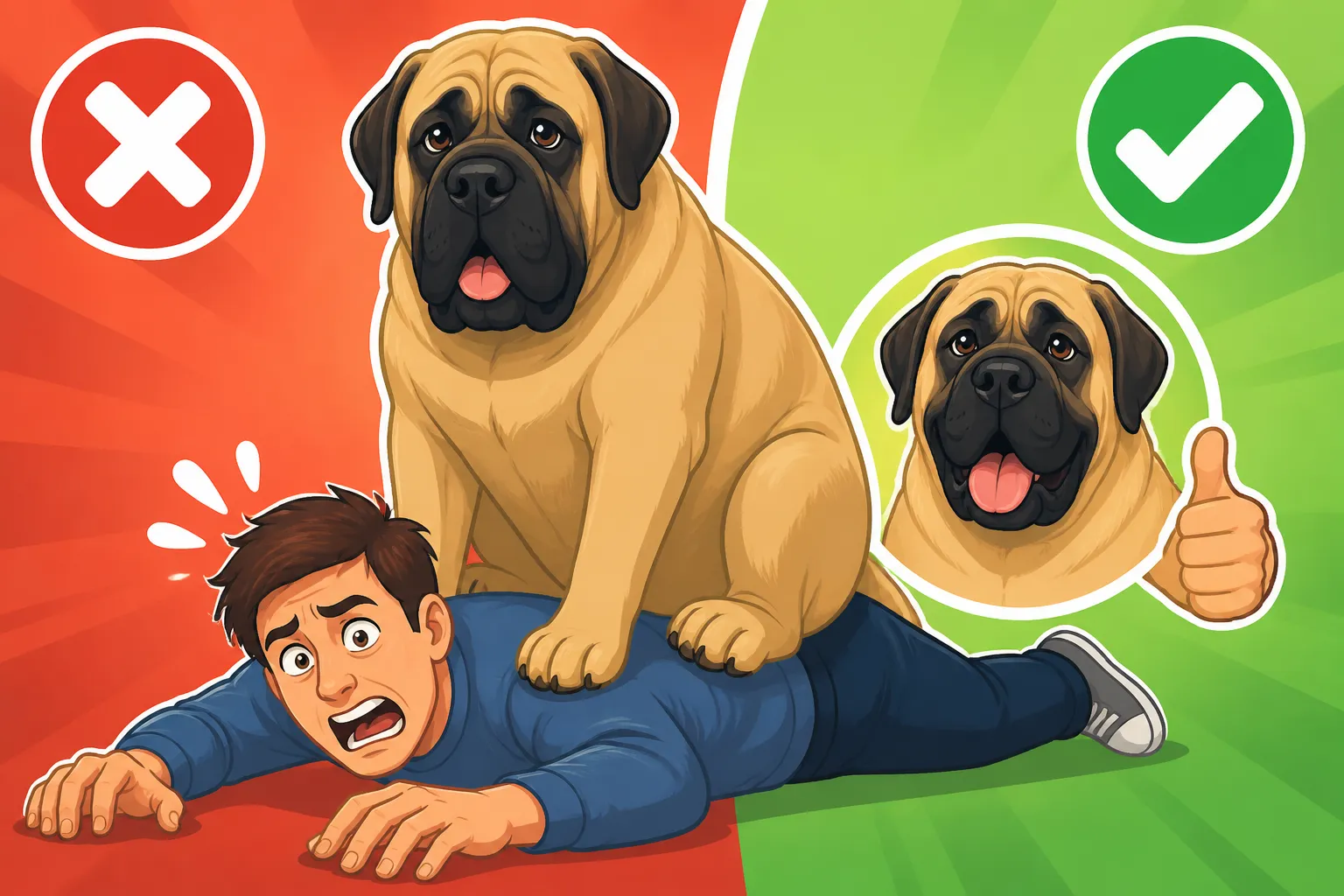
It's a common, albeit slightly painful, rite of passage for many Mastiff owners: the moment your colossal canine companion decides your lap, your chest, or even your foot is the perfect spot to rest their substantial weight. You're trying to relax on the sofa, maybe reading a book, and suddenly, two hundred pounds of pure love is slowly but surely pushing you deeper into the cushions, or worse, knocking your drink clean off the coffee table. This guide will delve into why Mastiffs have this endearing (and sometimes inconvenient) habit of sitting on people, what motivates them, and how you can manage this behavior safely and effectively.
Understanding the Mastiff's Leaning and Sitting Behavior
Mastiffs are often called "gentle giants" for a reason. Despite their immense size, they possess an incredibly affectionate and sensitive nature. Their desire for physical closeness is a deeply ingrained part of their personality, but their sheer bulk means this closeness often translates into literally sitting on, leaning against, or body-slamming their favorite humans. It’s rarely out of malice or aggression; it’s usually pure, unadulterated devotion.
The Gentle Giant's Need for Closeness
Imagine a dog bred for centuries to protect hearth and home, a loyal guardian who forms deep bonds with its family. That’s your Mastiff. Their protective instincts are often coupled with an intense desire for companionship and reassurance. For a Mastiff, physical contact isn't just a preference; it's a fundamental expression of their bond with you. When they lean or sit on you, they're not trying to be obnoxious; they’re trying to connect. It's their way of saying, "You're my person, and I want to be as close to you as humanly (or dog-ly) possible." This inherent need for closeness is one of the most charming, yet challenging, aspects of living with such a large and loving breed. The Sensitivity Nobody Expects in a Two Hundred Pound Mastiff dives deeper into their emotional landscape.
This need for physical proximity can manifest in many ways. You might find your Mastiff resting their enormous head on your lap while you're working, or slowly inching closer on the couch until half of their body is draped over your legs. These are all variations of the same underlying desire for contact. For some Mastiffs, the weight of their head or body pressing against you is a comfort, a form of reassurance that they are loved and secure within their family unit. It's important for owners to recognize this motivation, even as they work to manage the physical realities of the behavior.
Accidental Body Slamming: When Size Isn't Perceived
One of the biggest frustrations for Mastiff owners is when their dog seems utterly oblivious to its own massive size. What feels like a gentle nudge to a two hundred-pound dog can feel like a full-body tackle to a human. This "accidental body slamming" often happens when a Mastiff is excited, wants attention, or simply shifts its weight without thinking. They don't have a built-in sensor that tells them they're significantly larger and heavier than most people or objects around them.
This lack of spatial awareness can lead to bumped knees, knocked-over children, or an unexpected push that sends an elderly family member stumbling. It’s not malicious; it's simply a profound disconnect between their internal perception of themselves and the external reality of their massive frame. As owners, we often have to anticipate these moments and teach them better body control, especially when they're still growing and learning. Understanding Why a Mastiff Leans Its Weight on People offers more insight into this particular behavior.
Learned Behavior: Reinforcing the "Lap Dog"
While genetics and temperament play a huge role, a Mastiff's habit of sitting on people can also be a learned behavior. Think about it: when your adorable, albeit rapidly growing, Mastiff puppy snuggled onto your lap, it was probably met with delighted coos and pets. We tend to reinforce behaviors, even undesirable ones, without realizing it, especially when our dogs are small and cute. As they grow, that "cute" behavior becomes significantly less practical, but the dog has learned that sitting on you earns positive attention.
This unintentional reinforcement is incredibly common. Every time you allow your Mastiff to lean or sit on you, even for a moment, you're essentially telling them, "Yes, this is a great way to interact with me!" It becomes a habit, deeply ingrained. This is why early, consistent training is so vital. If you wait until your Mastiff is fully grown and outweighs you, trying to break these habits becomes a much bigger challenge. Teaching a Mastiff Before It Outweighs You provides crucial advice on early intervention.
Training and Management Strategies
Managing a Mastiff's affectionate but overwhelming leaning and sitting habits requires a blend of clear communication, consistent boundaries, and positive reinforcement. The goal isn't to squash their affectionate nature, but to redirect it into more appropriate and safer forms of interaction.
Teaching "Off" and Personal Space
Establishing a strong "off" command is paramount. This command should mean all four paws on the floor, no exceptions. Start practicing this when your Mastiff is calm and less likely to try to climb all over you. Use high-value treats to lure them off, then immediately reward them for staying off. Consistency is key here; every time they attempt to sit on you, calmly give the "off" command and guide them to a more appropriate spot.
Beyond "off," teaching your Mastiff the concept of "personal space" is incredibly important, especially with such a massive breed. This means establishing boundaries where you don't want them. For example, if you don't want them on the couch at all, or only on a designated spot, be absolutely consistent. Use barriers if necessary when you can't actively supervise. Remember, a Mastiff wants to please you, and if the rules are clear and consistently applied, they will learn.
Redirecting Attention and Affection
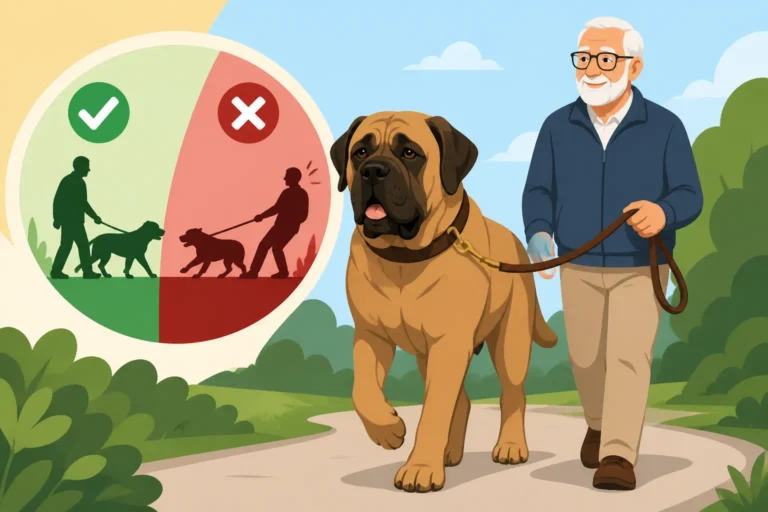
Instead of punishing your Mastiff for seeking closeness, redirect that energy into more acceptable forms of affection. When they approach for a lean or a sit, gently guide them to lie down beside you or sit next to you, not on you. Reward this appropriate behavior with pets, praise, and a treat. Provide them with a comfortable, oversized dog bed near your favorite spot, making it an attractive alternative for them to cuddle close without literally flattening you.
Interactive toys or a good chew can also be excellent distractions when you need a moment of personal space. By redirecting their desire for interaction towards an appropriate activity or a designated spot, you're not rejecting their affection, but rather teaching them acceptable ways to express it. This positive approach helps maintain your bond while fostering better manners. What Actually Motivates a Mastiff offers further insights into leveraging their natural drives for training.
Consistency is Key for a Giant Breed
With a Mastiff, consistency isn't just important; it's absolutely non-negotiable. Their sheer size means that even a single lapse in judgment or an inconsistent boundary can have significant consequences. If you sometimes allow them to sit on you and sometimes don't, your Mastiff will become confused and will likely test the boundaries constantly. Every member of the household must be on the same page regarding rules for personal space and appropriate interactions.
This includes guests, children, and anyone who regularly interacts with your dog. A unified front ensures your Mastiff understands expectations. If you're struggling with consistency, consider enrolling in a good obedience class or working with a professional trainer. Resources like BAXTER & Bella offer online training programs that can be incredibly helpful for maintaining consistency within the home. Remember, these magnificent dogs thrive on clear leadership and predictable routines. Whether Positive Training Alone Works on a Mastiff explores various training philosophies suitable for this breed.
Safety and Practical Considerations
While a Mastiff's affection is heartwarming, their size demands careful consideration for the safety of everyone in the household and the preservation of your home. It’s not just about comfort; it’s about preventing accidents.
Protecting People and Property
The potential for accidental injury is very real when a two hundred-pound dog decides to use your lap as a perch. Young children can be easily knocked over or pinned, and elderly individuals can suffer falls or strains. Even healthy adults can be caught off guard. This makes training for personal space not just a matter of manners, but a critical safety measure. Always supervise interactions between your Mastiff and vulnerable individuals, and actively intervene if you see the "lean" or "sit" starting.
Beyond people, your property is also at risk. Furniture can be damaged, items on coffee tables can be swept away, and even door frames can suffer if a Mastiff leans too heavily. Invest in sturdy furniture and consider placing valuable or fragile items out of their reach. Think about the layout of your home to minimize opportunities for accidental collisions. A well-placed, sturdy dog bed or a designated "Mastiff zone" can help manage where they choose to settle their bulk.
Specific Scenarios: Children, Elderly, and Guests
Each demographic presents unique challenges and requires tailored approaches when it comes to managing a Mastiff's leaning and sitting.
Children: Mastiffs can be wonderful family dogs, but their size makes supervision essential, especially with toddlers. A playful or affectionate lean can easily knock a small child off their feet. Teach children to respect the dog's space and to interact with them gently. Simultaneously, teach your Mastiff a rock-solid "off" command and to lie down or sit beside children, rather than on them. For more on this, check out A Mastiff in a House With Small Children and Whether a Mastiff Should Be Supervised With Toddlers.
Elderly Individuals: For seniors, a Mastiff's unexpected lean or sit can lead to falls, fractures, or serious injury. If an elderly person lives in the home or visits frequently, it's crucial to ensure the Mastiff understands and respects their personal space. Consider using a baby gate or keeping the Mastiff on a leash indoors if direct supervision isn't constant. They are often less agile and more susceptible to injury from a gentle giant's unintended contact.
Guests: Guests, especially those unfamiliar with large breeds, might not understand how to interact with your Mastiff. They might inadvertently encourage the "lap dog" behavior by petting the dog while it's leaning or attempting to sit on them. Educate your guests on your Mastiff's tendencies and your household rules. It might be best to have your Mastiff on a leash or behind a gate during initial introductions, gradually allowing supervised interactions once everyone is comfortable and aware of the boundaries.
Long-Term Management for a Lifelong Habit
Because the desire for closeness is so fundamental to the Mastiff, managing this behavior is a long-term commitment, not a one-time fix. As they age, Mastiffs can become less agile, and their sheer weight can become even more problematic if they're still trying to jump on laps. Maintaining consistent boundaries throughout their life is crucial. Continue to reinforce appropriate behaviors and immediately correct undesirable ones.
Consider products that can help, like extra-large, durable dog beds from brands found on Amazon that offer plenty of space for them to stretch out comfortably near you without needing to be on you. Regular exercise, even short, gentle walks, can help expend some of their energy, making them calmer and less prone to seeking attention by climbing on people. This proactive, consistent approach ensures a happy and safe home for both your family and your magnificent Mastiff.
| Behavior Trait | Reason for Behavior | Management Strategy |
|---|---|---|
| Leaning/Sitting on People | Affection, seeking comfort, pack closeness | Teach "off," redirect to a bed, use "place" command |
| Accidental Body Slamming | Lack of body awareness, excitement | Practice controlled greetings, build spatial awareness |
| "Lap Dog" Tendency | Learned behavior, reinforced early | Consistent boundaries, reward appropriate proximity |
| Seeking Constant Contact | Inherently affectionate, guardian instincts | Provide comfy dog beds near family, offer attention |
Disclaimer
This article is for general informational purposes only and does not constitute professional advice. Laws, prices and regulations vary by location and change over time. Consult a qualified professional for guidance on your specific situation.