Whether a Mastiff Can Do Weight Pull
Many Mastiff owners look at their magnificent, powerful companions and naturally wonder if a sport like weight pull might be a perfect fit. After all, these dogs are veritable mountains of muscle, seemingly built for moving heavy things. However, beneath that impressive bulk lies a complex set of health considerations and a unique temperament that means weight pull isn't a simple yes or no answer for every Mastiff. This guide will delve into the nuances of this demanding sport, examining whether it truly aligns with a Mastiff's physical capabilities and disposition.
The Allure of Weight Pull and the Mastiff's Potential
It's easy to see why a Mastiff might seem like an ideal candidate for weight pull. Their sheer size, impressive strength, and often calm demeanor might suggest they're naturals. But understanding the sport's true demands and how those align with the Mastiff's specific attributes is crucial.
What Weight Pull Demands
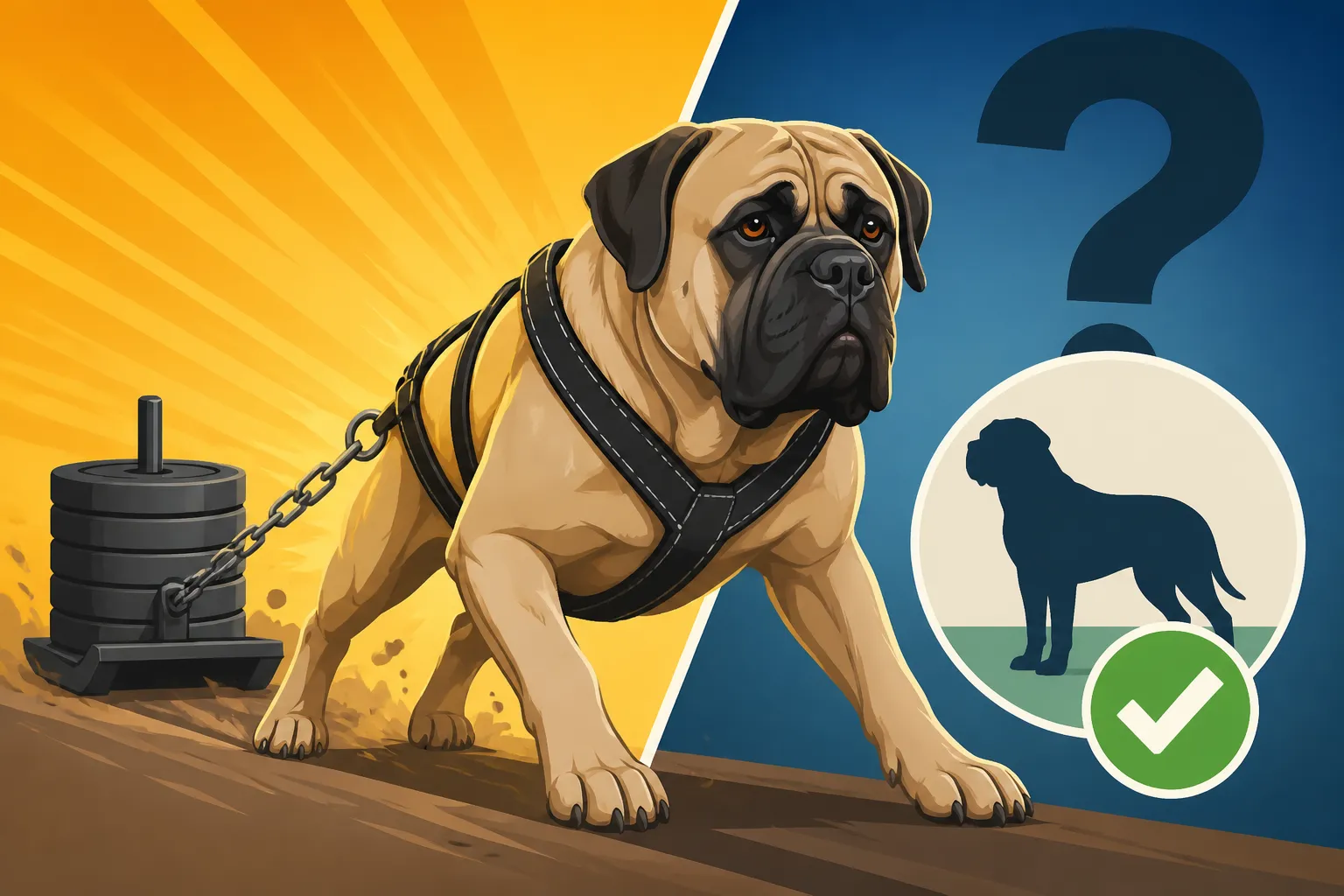
Weight pull is a competitive dog sport where dogs pull a weighted cart or sled over a short distance, typically 15 feet, within a specific time limit. The objective is to pull the most weight relative to their own body weight, showcasing not just brute strength but also immense focus, determination, and proper technique. Dogs are typically harnessed to a rig, and the weight is gradually increased until they can no longer move it.
This isn't just about pulling; it's about controlled power, coordination, and mental fortitude. The dog must start from a standstill, dig in, and maintain a steady, powerful pull. This action puts significant strain on the dog's entire musculoskeletal system – their neck, shoulders, spine, hips, and legs. It's an athletic endeavor that requires a dog to be in peak physical condition, with strong core muscles and excellent joint health. It also demands a dog that is eager to work, listens to its handler, and remains focused despite the physical exertion and the presence of spectators.
Mastiff Strengths: Size, Power, and Temperament
Undeniably, the Mastiff possesses incredible raw power and a commanding physical presence. Their substantial muscle mass, broad chests, and low center of gravity could theoretically provide a strong base for pulling. When a Mastiff decides to lean into something, they can apply immense force. This raw strength is often the first thing people consider when thinking about weight pull for their gentle giant.
Furthermore, many Mastiffs have a naturally calm and deliberate temperament. They aren't typically frantic or easily spooked, which can be an advantage in a sport requiring focus and controlled effort rather than explosive speed. A Mastiff's tendency to think things through rather than react impulsively, a trait some might mistakenly label as The Stubbornness That Is Actually a Mastiff Thinking, could be beneficial if harnessed correctly. They can often be very handler-focused and eager to please, especially when a strong bond is established through positive training. Their deep desire to be near their people could translate into a willingness to work alongside them in a sport like weight pull, provided they are properly motivated and the experience remains positive.
Unpacking the Mastiff's Structural Realities and Health Risks
While the Mastiff's size and strength are undeniable assets, their specific physiology also presents significant challenges and potential risks when considering a high-impact sport like weight pull. Owners must prioritize their dog's long-term health over competitive aspirations.
Joint Integrity and Lifelong Health
This is perhaps the most critical consideration for any large breed, and especially for a Mastiff. Mastiffs are known to be predisposed to various orthopedic issues, including How Common Hip Dysplasia Is in Mastiffs and Elbow Dysplasia Affects One Mastiff in Seven. The repetitive, high-force exertion involved in weight pull can put enormous stress on these vulnerable joints. Even a dog with seemingly "clear" hips and elbows can be at risk of developing or exacerbating issues over time due to the constant strain.
The impact of such strain isn't just acute; it can lead to premature arthritis and chronic pain, significantly impacting a Mastiff's quality of life as they age. A Mastiff's typical lifespan is already on the shorter side, with Six to Ten Years Is What a Mastiff Gets, and adding undue stress to their joints through intense sports could unfortunately shorten their comfortable years. Owners must consider that the potential for long-term veterinary bills from orthopedic problems, which often become The Mastiff's Short Life Buys the Biggest Bills, far outweighs any glory from competition. Regular veterinary check-ups and x-rays would be absolutely essential, and even then, there's no guarantee against injury.
Cardiac Strain and Overheating Concerns
Another vital health aspect for Mastiffs is their cardiac health. While not all Mastiffs suffer from heart conditions, some can be predisposed, and the intense physical exertion of weight pull can place significant strain on the cardiovascular system. Before even considering such a sport, a thorough cardiac examination by a veterinary cardiologist is paramount to ensure there are no underlying issues. Whether a Mastiff Needs a Cardiac Exam is a question every owner should ask, regardless of sports aspirations, but it becomes critical for weight pull.
Furthermore, Mastiffs, with their immense body mass and often dense coats, are highly susceptible to overheating, especially during strenuous activity or in warmer climates. Their sheer bulk makes it difficult for them to dissipate heat efficiently. Weight pull events often take place outdoors, and even on moderately warm days, a Mastiff can quickly reach dangerous body temperatures. Signs of overheating can be subtle at first but can rapidly escalate to life-threatening conditions. Proper hydration, shaded resting areas, and constant monitoring are non-negotiable, yet the inherent risk remains high.
The Critical Role of Age and Development
Mastiffs are notoriously slow to mature, both physically and mentally. Their bones and growth plates are not fully closed until they are often 18-24 months old, and sometimes even later. Engaging in any high-impact sport, including weight pull, before their skeletal system is fully developed is incredibly dangerous and can lead to irreversible damage. This is why Why a Mastiff Puppy Must Not Be Exercised Hard is such crucial advice during their formative years.
Even once they reach physical maturity, it's generally advised to introduce intense sports very gradually. For a Mastiff, this means waiting until they are at least two, if not closer to three years of age, and then embarking on a carefully controlled conditioning program. Pushing a young Mastiff's body beyond its developmental limits, even with the best intentions, can set them up for a lifetime of pain and greatly increase the likelihood of conditions like What Degenerative Myelopathy Does to a Mastiff or severe arthritis later on. Knowing The Age a Mastiff Is Certified by OFA for hip and elbow health offers a benchmark for skeletal maturity, emphasizing that even then, careful progression is key.
Strategic Training, Essential Equipment, and Smart Alternatives
If you are considering weight pull for your Mastiff, or even just exploring ways to engage their strength safely, a thoughtful and methodical approach to training and equipment is absolutely vital. The emphasis should always be on safety, positive reinforcement, and ensuring your dog genuinely enjoys the activity.
The Right Gear: Harnesses and Carts
Investing in the correct equipment is non-negotiable for weight pull. This isn't a sport where you can simply repurpose a walking harness. A specialized weight pull harness is designed to distribute the load evenly across the dog's chest and shoulders, preventing injury to the throat, spine, and internal organs. These harnesses are typically heavily padded, wider than standard harnesses, and feature a specific attachment point that sits low on the dog's back, behind the rib cage, to optimize the pulling angle. Searching for specialized gear on online platforms like Amazon can give you a broad idea of what's available, but always ensure the fit is precise for your Mastiff's unique body shape. An ill-fitting harness can cause painful chafing, restrict movement, or even lead to severe injury.
The cart or sled itself also needs to be appropriate for the sport and your dog's size. It should roll smoothly and be weighted safely. Starting with very light weights, or even just the empty cart, is essential for teaching the dog the mechanics and building confidence. Never load a cart with weight that makes the dog struggle unduly or strain.
Building Drive with Positive Reinforcement
Mastiffs are sensitive souls, despite their formidable appearance. Harsh corrections or force-based training methods will not only be ineffective but will likely shut down a Mastiff's willingness to work and could even damage your bond. Their calm nature means they respond best to patience, consistency, and positive reinforcement. Using high-value treats, enthusiastic praise, and playful encouragement will build their drive and make the experience enjoyable.
Focus on building a strong foundation of obedience and engagement first. Programs that emphasize positive training techniques, such as online puppy schools that offer guidance for large breeds, can be a wonderful resource for establishing early communication and good habits. For example, some owners find structured online courses to be helpful in teaching basic cues and confidence, like those offered by BAXTER & Bella, which focus on positive, reward-based methods. This kind of foundational work is critical before introducing any sport. Remember, the goal is to make the dog want to pull, not to force them. Teaching a Mastiff obedience Teaching a Mastiff Before It Outweighs You is crucial for any activity, but especially one that involves heavy loads.
Responsible Conditioning and Exploring Other Avenues
Any dog engaged in weight pull must undergo a slow, progressive conditioning program. This means gradually increasing their strength and endurance over many months, under veterinary supervision. This is not a sport to jump into headfirst. It involves carefully planned exercise routines, proper nutrition tailored to their activity level, and ample rest. A Mastiff's body needs time to adapt to the physical demands. Overtraining is a surefire way to cause injury and burnout.
Before committing to weight pull, consider whether your Mastiff might enjoy other activities that are less physically demanding but still engage their minds and bodies. Many Mastiffs excel at Scent Work as a Mastiff's Low Impact Sport, which taps into their natural scenting abilities and provides immense mental enrichment without putting strain on their joints. Whether a Mastiff Can Compete in Obedience is another excellent question, as their intelligence and desire to please can make them capable obedience competitors, fostering teamwork and mental stimulation. Even simple, consistent, low-impact walks and structured playtime can be incredibly fulfilling for a Mastiff, especially in their later years when Caring for a Mastiff Past Five becomes the priority.
Is Weight Pull Truly for Your Mastiff?
Ultimately, the decision to involve a Mastiff in weight pull should be made with extreme caution, careful consideration, and a strong commitment to their health and well-being above all else. This isn't a sport for every Mastiff, nor is it a decision to take lightly.
Tailoring the Decision to the Individual Dog
Every Mastiff is an individual. What might be marginally acceptable for one dog could be devastating for another. Factors to consider include:
- Structure: Does your Mastiff have excellent, well-certified joint health? This means clear OFA or PennHIP results for hips and elbows, confirmed by a veterinarian. Even then, an overly heavy or structurally unsound Mastiff is at higher risk.
- Temperament: Does your Mastiff genuinely enjoy working? Are they focused and driven, or do they tend to shut down under pressure? Do they get excited about a "job"?
- Health: Beyond joints, has your Mastiff received a full cardiac clearance? Are they free of any respiratory issues? What a Mastiff's Weight Does to Every Line on the Vet Invoice means any health issue is compounded by their size, so a pristine bill of health is paramount.
- Age: As discussed, a Mastiff must be fully mature. Rushing this process is an express lane to injury.
- Your Commitment: Are you prepared for the significant time, financial investment, and dedication required for slow, safe conditioning, specialized equipment, and potentially extensive veterinary oversight?
Enriching Activities Beyond the Pull
For many Mastiffs, the best "work" comes from simply being a cherished family companion and engaging in activities that are gentler on their massive frames. Their joy is often found in companionship, short walks, puzzle toys, and calm interactions with their people. Consider activities such as:
- Trick Training: Mastiffs can be surprisingly adept at learning tricks, which provides mental stimulation and strengthens the bond.
- Therapy Work: Their calm, gentle nature often makes them exceptional therapy dogs, bringing comfort to others.
- Canine Good Citizen (CGC) Training: This helps solidify good manners and can be a rewarding goal.
- Swimming (controlled and supervised): A great low-impact exercise for joints, but be aware that Why Swimming Is a Poor Cooling Plan for a Mastiff for intensive cooling.
The powerful image of a Mastiff pulling a heavy load is certainly compelling. However, the realities of their unique physiology, particularly their propensity for joint issues and slower maturation, necessitate a cautious approach. While some exceptional individuals might be able to participate safely with rigorous conditioning and dedicated veterinary oversight, for most Mastiffs, engaging in less strenuous, equally enriching activities will lead to a happier, healthier, and longer life. Prioritizing their long-term well-being should always be the guiding principle.
Here's a quick look at some of the considerations:
| Feature/Aspect | Potential Benefit for Mastiff Weight Pull | Potential Drawback/Risk for Mastiff Weight Pull |
|---|---|---|
| Raw Strength | Immense pulling power, natural bulk. | Can encourage over-exertion, leading to injury. |
| Temperament | Calm, focused, handler-oriented. | Can be stubborn or easily discouraged by harsh methods. |
| Joint Health | Solid bone structure (in ideal cases). | High risk of hip/elbow dysplasia, arthritis, ligament tears due to stress. |
| Cardiovascular | Deep chest capacity. | Predisposition to certain heart conditions; high overheating risk. |
| Maturity | Mental maturity for focus. | Slow physical development means high injury risk if started too early. |
| Equipment Fit | Specific harnesses exist for giant breeds. | Difficult to find perfectly fitting gear; custom options costly. |
| Training | Responds well to positive reinforcement. | Sensitive nature means harsh training is counterproductive. |
| Recovery | Generally relaxed demeanor. | Longer recovery times from exertion or injury due to size. |
Disclaimer
This article is for general informational purposes only and does not constitute professional advice. Laws, prices and regulations vary by location and change over time. Consult a qualified professional for guidance on your specific situation.