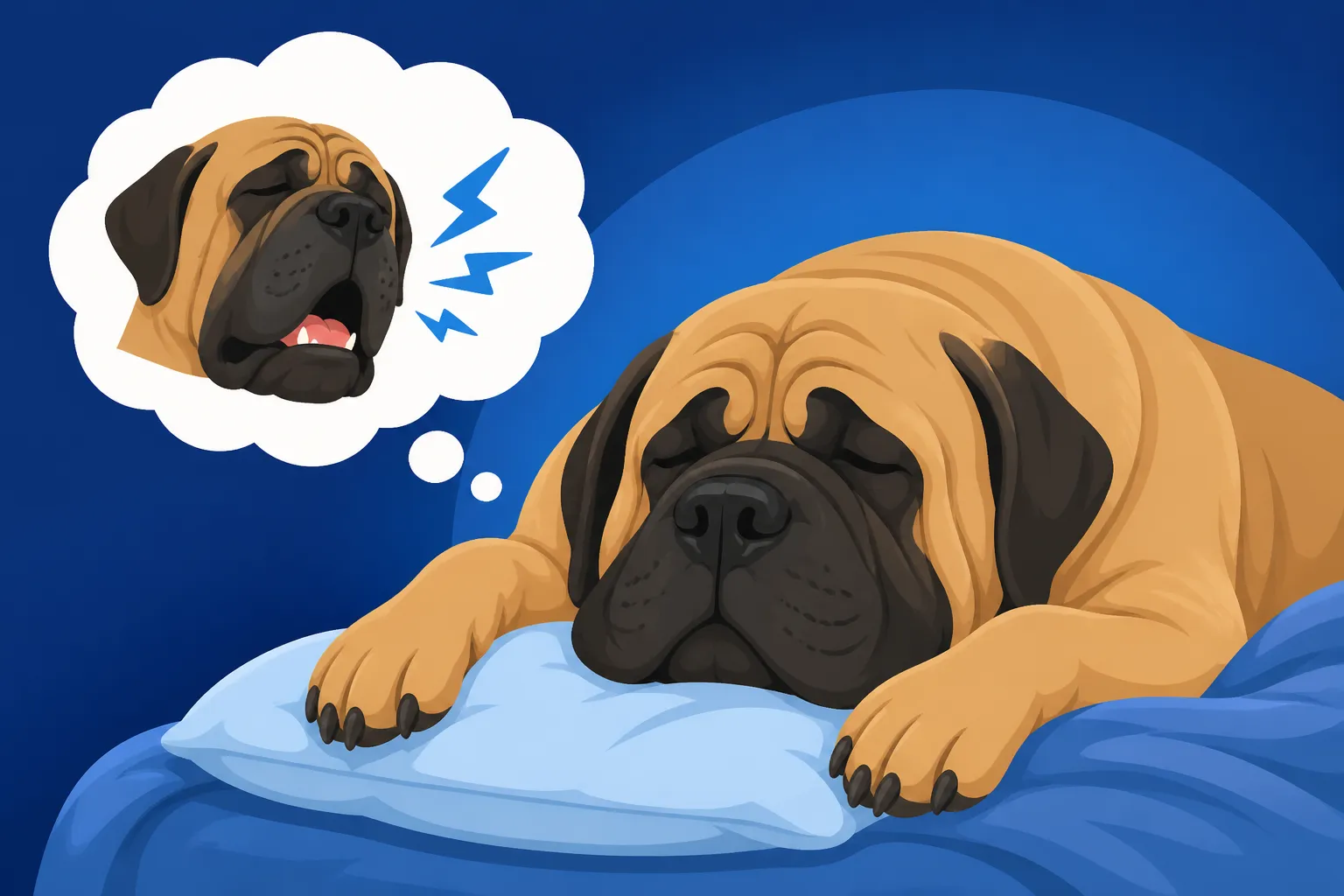
Whether a Mastiff Snores
Oh, the symphony of a Mastiff's slumber! If you share your home with one of these magnificent giants, you've likely experienced it firsthand: the rumbles, the snorts, the full-blown, house-shaking snores that can make you wonder if a small freight train has pulled up in your living room. It’s a common experience, but it also leaves many Mastiff owners asking, “Is this normal, or should I be worried?” This guide is going to dive deep into the world of Mastiff snoring, helping you understand why your gentle giant might be rattling the windows, when it’s just part of their charm, and when it might be a sign to seek veterinary advice.
Why Do Mastiffs Snore So Much?
It's not just your imagination; Mastiffs really do seem to snore more than many other breeds. There are some very good, often interconnected, reasons for this, stemming from their unique physical characteristics and how they interact with the world around them.
Anatomy and Breed Characteristics
At the heart of a Mastiff's impressive snoring capacity lies their distinct anatomy. Unlike some of their longer-nosed canine cousins, Mastiffs possess a brachycephalic or "short-nosed" tendency, even if they aren't as extreme as a Pug or a Bulldog. This means their facial structure, while majestic, is more compressed. Imagine trying to fit the same amount of tissue – the soft palate, the tongue, the structures within the throat – into a shorter space. It inevitably leads to some crowding.
This crowding can manifest in several ways that contribute to snoring. The soft palate, which is the fleshy part at the back of the roof of the mouth, can be elongated in Mastiffs. When they relax into a deep sleep, this elongated soft palate can vibrate against other tissues in the throat, creating that distinctive snoring sound. Think of it like a flag flapping in the wind, only the "flag" is internal, and the "wind" is your Mastiff breathing. Furthermore, their impressive jowls and loose facial skin, while adding to their noble appearance, can also contribute. Sometimes, these folds can partially obstruct the nasal passages externally or create additional areas for air to vibrate against. All these factors together mean that simply by being a Mastiff, your dog comes equipped with a higher likelihood of being a champion snorer.
Environmental and Positional Factors
Beyond their built-in anatomy, several external and behavioral factors can amp up your Mastiff's snoring volume and frequency. Their sleeping position, for instance, plays a huge role. If your Mastiff is sprawled out on their back, tongue lolling, it's often a recipe for epic snoring. This position allows gravity to pull the soft palate and tongue further back into the throat, increasing obstruction and vibration. Conversely, you might notice less snoring when they’re curled up on their side or belly. Finding a comfortable, supportive bed that encourages side sleeping might help, and for heavy-boned dogs, a quality orthopedic bed is always a good idea. What an Orthopedic Bed for a Mastiff Costs can be an eye-opener, but it's an investment in comfort.
Environmental irritants can also exacerbate snoring. Just like humans, dogs can suffer from seasonal allergies or react to household dust, pollen, or even certain cleaning products. These irritants can lead to inflammation and congestion in the nasal passages and throat, narrowing the airways and making snoring more pronounced. Consider using an air purifier in their sleeping area, especially if you live in a dusty environment or have other pets. Humidity levels can also play a part; a very dry environment might irritate airways, while a humidifier could offer some relief. Finally, your Mastiff's weight is a huge factor. Even a few extra pounds on a breed already prone to airway issues can significantly increase snoring, as fat deposits around the neck and throat further compress the airways. Keeping a Mastiff lean on purpose is crucial not just for snoring, but for their overall health and joint longevity. Keeping a Mastiff Lean on Purpose is a topic every Mastiff owner should understand.
When Is Mastiff Snoring a Concern?
While a certain level of snoring is often par for the course with a Mastiff, it’s vital to recognize when that rumble turns into a red flag. There’s a distinct difference between the endearing, sleepy noises and sounds that indicate genuine respiratory distress or an underlying health issue.
Differentiating Normal Snoring from Problematic Breathing
Normal Mastiff snoring, while loud, tends to be consistent and rhythmic. It’s like a deep, rumbling engine that might change pitch slightly with different breath cycles, but it doesn't sound strained. Your Mastiff will appear comfortable, sleeping peacefully, even if you aren't! They'll still wake up refreshed and active. This is the kind of snoring that just means your big dog is really, really relaxed.
However, problematic breathing, even if it manifests as snoring, will often come with other noticeable symptoms. Listen for gasping, choking, or snorting sounds that interrupt their breathing, or periods where they stop breathing altogether for a few seconds (apnea). This isn’t a smooth rumble; it’s a struggle. You might also notice your Mastiff seems restless, frequently changing positions, as if trying to find a way to breathe easier. Their gums might appear pale or even bluish, indicating a lack of oxygen. If their breathing sounds like they are constantly struggling for air, even when awake, that's a serious sign. Another thing to watch for is a change in their energy levels or an increased intolerance to exercise, which could be linked to chronic oxygen deprivation. This is a big dog, but Why One Hour a Day Is Enough for a Mastiff might not be enough if they're also struggling to breathe.
Other Health Conditions That Can Cause Snoring
It's easy to blame the snoring solely on their breed traits, but sometimes, an underlying health issue is the true culprit. Obesity, as we touched on, is a major contributor. The extra tissue around the throat and chest can put pressure on the airways, making breathing difficult and snoring worse. This is why managing your Mastiff's weight is paramount. The Weight Range a Male Mastiff Should Hold and The Weight Range a Female Mastiff Should Hold are excellent resources for understanding ideal body condition.
Allergies, whether environmental or food-related, can cause inflammation and swelling in the nasal passages, sinuses, and throat, leading to increased congestion and snoring. If your Mastiff’s snoring seems to coincide with certain seasons or after eating specific foods, it’s worth investigating with your vet. Respiratory infections, like kennel cough or bronchitis, can also cause airway inflammation and fluid buildup, resulting in new or worsened snoring, often accompanied by coughing, sneezing, or nasal discharge. Even something as simple as a foreign object lodged in the nasal passage or throat could be the cause, though this is less common with snoring alone. Less frequently, conditions like hypothyroidism can lead to a generalized thickening of tissues, including those in the throat, which might contribute to snoring. It’s always best to rule out these possibilities with a veterinary check-up if you have any concerns.
Here's a quick comparison to help you assess your Mastiff's snoring:
| Feature | Normal Mastiff Snoring | Concerning Mastiff Breathing/Snoring |
|---|---|---|
| Sound | Rhythmic, deep rumbling, consistent | Gasping, choking, snorting, whistling, labored |
| Continuity | Steady airflow, occasional shifts in volume/pitch | Interrupted by pauses, struggles, or sudden loud snorts |
| Effort | Appears effortless, relaxed sleep | Visibly strained breathing, chest/belly working hard |
| Behavior | Peaceful slumber, wakes up rested | Restless sleep, frequent repositioning, seems anxious |
| Physical Signs | Normal gum color, no nasal discharge | Pale or bluish gums, nasal discharge, coughing, sneezing |
| Energy Levels | Normal upon waking, good exercise tolerance | Lethargy, reluctance to exercise, daytime sleepiness |
How to Help Your Snoring Mastiff (and Get Some Sleep Yourself!)
Once you've determined if your Mastiff's snoring is normal or potentially problematic, you can take steps to manage it. Even "normal" snoring can be quite loud, so improving things for your Mastiff often means a quieter house for you!
Home Remedies and Lifestyle Adjustments
For Mastiffs with non-alarming snoring, there are several things you can try at home. Weight management is perhaps the most impactful. Even a slight reduction in weight can significantly decrease the amount of tissue obstructing the airways. Work with your vet to establish a healthy diet and The Walk Length That Damages a Mastiff Puppy is certainly not for an adult, but consistent, gentle exercise is always beneficial.
Consider their sleeping environment. An elevated dog bed, particularly one that encourages them to sleep on their side rather than their back, can sometimes help reduce snoring by keeping the airway more open. You can find many options on Amazon that are sturdy enough for a Mastiff’s size and weight. A humidifier in their sleeping area can also soothe irritated airways, especially in dry climates or during winter months when indoor air tends to be very dry. Keeping their sleeping area meticulously clean, free of dust, and regularly washing their bedding can reduce exposure to allergens. If you suspect environmental allergies are a factor, discuss with your vet about allergy-friendly products or even air purifiers.
For dogs that tend to mouth breathe or snore loudly due to nasal congestion, a warm, moist towel held gently to their nose for a few minutes (if they tolerate it) can sometimes offer temporary relief, similar to how steam helps humans with stuffy noses. Always ensure their water bowl is fresh and easily accessible, encouraging hydration which can help keep mucous thin.
When to Consult Your Veterinarian
If you observe any of the concerning signs mentioned earlier – gasping, choking, periods of apnea, bluish gums, restlessness during sleep, or a sudden onset of loud, labored breathing – it is absolutely imperative to schedule a vet visit promptly. These are not minor issues and could indicate a serious underlying problem that requires immediate attention. Never wait until morning if your Mastiff is truly struggling to breathe; emergency veterinary care might be necessary. The Hours a Blocked Male Mastiff Has is a lesson in urgency that applies to any respiratory emergency.
Your veterinarian will perform a thorough physical examination, paying close attention to your Mastiff's respiratory system, mouth, and throat. They might recommend diagnostic tests such as X-rays of the chest and throat, or a full blood panel to check for underlying conditions like hypothyroidism or allergies. In some cases, a sedated examination of the airways, or even referral to a veterinary specialist for an endoscopic evaluation, might be necessary to fully assess the soft palate, larynx, and other structures. Depending on the diagnosis, treatments can range from medications for allergies or infections, to dietary changes for weight loss, or in more severe cases of Brachycephalic Airway Syndrome, surgical correction of an elongated soft palate or everted laryngeal saccules. These surgeries, while potentially life-changing for dogs with severe breathing issues, are complex and should be discussed thoroughly with your vet or a board-certified veterinary surgeon. Remember, while we often assume our Mastiffs are just big, clumsy lugs, their health deserves our proactive attention. Training and observation from a young age can help, and resources like BAXTER & Bella can even provide guidance on recognizing and communicating about health concerns with your vet.
In the end, living with a Mastiff often means living with some amount of snoring. It's part of their charm, a gentle rumble that reassures you they're nearby. But as responsible owners, it's our job to differentiate between the endearing snore and the concerning struggle. By understanding their unique anatomy, being mindful of environmental factors, and knowing when to seek professional help, you can ensure your big companion breathes easy, and hopefully, you can too!
Disclaimer
This article is for general informational purposes only and does not constitute professional advice. Laws, prices and regulations vary by location and change over time. Consult a qualified professional for guidance on your specific situation.