Whether a Mastiff Can Do Carting
It's a common dream for many Mastiff owners: seeing their magnificent, powerful dog confidently pulling a cart, perhaps carrying groceries from the car, helping with yard work, or even participating in a local parade. You look at their sheer size and musculature and think, "Surely, they were built for this!" But the reality of engaging a Mastiff in carting or draft work involves a lot more than just strength; it requires careful consideration of their unique physique, temperament, and health needs to ensure it's a safe and enjoyable activity for everyone involved. This guide will walk you through the ins and outs of whether a Mastiff can do carting, what it entails, and how to approach it responsibly.
Understanding Draft Work and the Mastiff's Place in It
When we talk about "carting" or "draft work" for dogs, we're generally referring to activities where a dog pulls a wheeled vehicle, like a wagon or a specially designed dog cart. This can range from competitive events that test a dog's ability to pull weight and follow commands, to more casual, recreational activities like hauling firewood or giving kids a ride. While breeds like Bernese Mountain Dogs, Newfoundlands, and even Rottweilers are famously associated with draft work due to their historical roles or specific builds, the Mastiff's place isn't quite as clear-cut.
Historically, Mastiffs were bred for guarding, protection, and sometimes as war dogs, not typically for pulling carts or heavy loads over long distances. Their immense size and strength are undeniable, but their body structure, particularly their heavier bone density and often more relaxed, deliberate gait, differs from breeds explicitly developed for sustained pulling effort. A Mastiff’s power is often in bursts of impressive force rather than endurance.
This isn't to say a Mastiff can't do carting, but it means the approach must be tailored to their specific characteristics. They possess incredible strength, but their joints are also under immense strain just from carrying their own body weight. Activities like carting must be managed to avoid exacerbating potential issues like hip or elbow dysplasia. Why a Mastiff's Hips Fail Under Its Own Weight and Elbow Dysplasia Affects One Mastiff in Seven highlight the critical importance of joint health in this breed. Therefore, when considering carting, you're not just looking at their ability to pull, but their overall physical resilience.
Benefits and Crucial Health Considerations for Mastiff Carting
Engaging your Mastiff in activities like carting can offer a wealth of benefits, fostering both physical and mental well-being. However, these need to be carefully weighed against the unique health and physical limitations inherent to the breed.
The Upsides: Engagement, Exercise, and Bond Building
For a Mastiff, carting can be a fantastic way to provide structured, controlled exercise. Unlike high-impact activities that can stress their heavy frames, controlled pulling can build muscle and stamina in a lower-impact manner, when done correctly. It's an excellent mental workout too, as it requires focus, understanding commands, and working in partnership with you. This can be especially enriching for a breed known for its thoughtful, sometimes stubborn, nature. The Stubbornness That Is Actually a Mastiff Thinking is often a sign of deep processing, and engaging their minds in a task like carting can be incredibly rewarding.
Furthermore, training for and participating in carting strengthens the bond between you and your Mastiff. It builds trust and communication as you work together to achieve a common goal. It’s a unique activity that can provide a sense of purpose for your big dog, channeling their natural desire to be near you and contribute to the "pack."
The Critical Downsides: Health, Age, and Overheating Risks
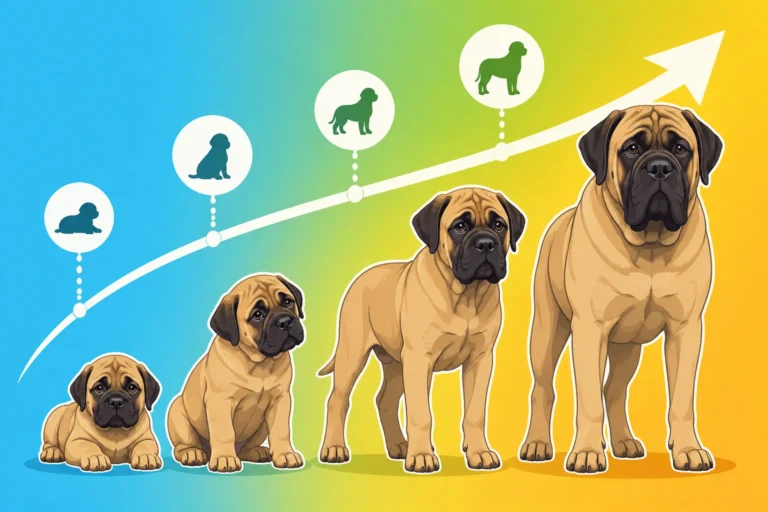
While the benefits are appealing, the health considerations for a Mastiff involved in carting are paramount. Their large, rapidly growing bodies mean that any strenuous activity, especially pulling, must be strictly avoided during puppyhood and adolescence. Why a Mastiff Puppy Must Not Be Exercised Hard emphasizes this; their growth plates are vulnerable. Most experts recommend waiting until a Mastiff is fully mature, typically around two years old, before introducing any form of serious weight-bearing activity. Even then, a thorough veterinary check-up, including joint screenings, is non-negotiable. Arthritis in a Mastiff at Four is a stark reminder of the long-term joint health issues these dogs face, making it crucial to protect them from excessive strain.
Another significant concern is overheating. Mastiffs are not built for extreme heat or sustained strenuous activity. Their immense body mass and often shorter muzzles mean they can overheat rapidly, especially when expending energy pulling a load. The Temperature at Which a Mastiff Should Stay Indoors is a critical piece of advice that applies directly to carting. Always choose cooler times of the day, monitor your dog for any signs of distress, and ensure constant access to water. The goal is always controlled, enjoyable work, not pushing them to their limits.
Here’s a quick overview of suitability:
| Factor | Mastiff Suitability for Carting | Important Considerations |
|---|---|---|
| Strength | High | Excellent for pulling, but needs controlled application. |
| Endurance | Moderate to Low | Not a long-distance puller; prioritize short, controlled sessions. |
| Temperament | Good (with motivation) | Deliberate thinkers; positive reinforcement is key. |
| Joint Health | Critical Consideration | Prone to hip/elbow dysplasia; requires vet clearance and careful load management. |
| Heat Tolerance | Low | Risk of overheating is high; only work in cool conditions. |
| Maturity Age | Late (2+ years) | Must wait until fully grown to prevent growth plate damage. |
| Pace | Slow & Deliberate | Will not be a fast-paced activity; embrace their natural speed. |
Getting Started: Training Your Mastiff for Draft Work
Once your Mastiff is fully mature and has received a clean bill of health from your veterinarian, you can begin the journey into carting. Patience, consistency, and positive reinforcement are your best friends when training a Mastiff for any task, and draft work is no exception. They might be huge, but they are also sensitive, and harsh corrections can easily backfire.
Foundation Obedience: The Non-Negotiables
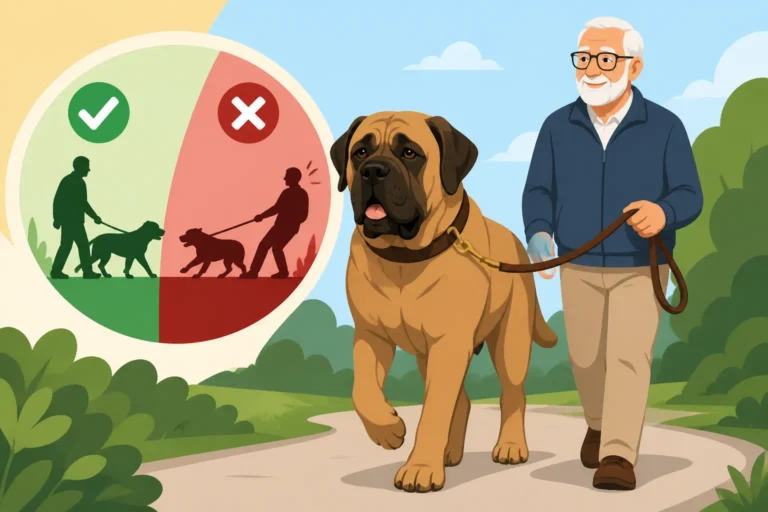
Before you even think about a harness or a cart, your Mastiff needs a solid foundation in basic obedience. Commands like "stay," "wait," "come," and especially "whoa" (to stop) and "go" (to start pulling) are crucial for safety and control. Teaching a Mastiff Before It Outweighs You is a concept that applies not just to puppyhood, but throughout their lives. Imagine a two-hundred-pound dog deciding to take off with a cart – you must have control. Working with positive reinforcement techniques from platforms like BAXTER & Bella can be incredibly helpful for teaching these foundational cues, as they focus on making learning a rewarding experience for your dog.
It’s also important for your Mastiff to be comfortable with various handling, especially around their back, hindquarters, and legs, as this is where the harness will sit and where you might need to adjust equipment. Get them used to you touching these areas regularly, associating it with positive experiences.
Introducing the Harness and Cart
The first step is introducing the specialized carting harness. This is not a regular walking harness; it's designed to distribute pulling weight across their chest and shoulders without putting pressure on their throat or spine. Let your Mastiff sniff it, wear it for short periods around the house, and praise them lavishly. Only once they are completely comfortable wearing the harness should you attach anything to it.
Next comes the cart or wagon. Start with a very light cart, or even just the shafts with nothing attached, so they can get used to the sensation of something trailing behind them. Again, keep sessions short, positive, and full of treats and praise. Walk with them, guiding them gently, using your "go" and "whoa" commands. The goal is to build confidence and positive associations, not to make it a chore. Many owners find it helpful to start in a quiet, familiar area, like their backyard, before venturing out into more stimulating environments.
Essential Equipment and Safety Measures for Mastiff Carting
Proper equipment and a vigilant approach to safety are non-negotiable when your Mastiff is involved in carting. Their size and strength demand it.
The Right Gear: Harness, Cart, and Accessories
A well-fitting, purpose-built draft harness is the most critical piece of equipment. It should distribute pressure evenly across your Mastiff's chest and shoulders, allowing for full range of motion without pinching or rubbing. There are different styles, including "sledding" harnesses (which are often too light for true carting) and specialized "carting" harnesses that connect to shafts. Always consult with experienced draft dog enthusiasts or a reputable harness maker to ensure you get the correct type and size for your Mastiff’s unique build. Avoid anything that puts pressure on their throat or restricts their breathing.
When selecting a cart or wagon, consider the weight and maneuverability. For a Mastiff, starting with a lightweight, sturdy cart is essential. You can find various options for dog carts and accessories on platforms like Amazon, but always prioritize quality and durability. Look for carts with strong wheels, good balance, and easy attachment points for the harness. Remember, the goal is recreational pulling, not competitive weight-pulling, so keep the load well within your Mastiff's comfort zone, especially when starting out.
Other helpful accessories include:
- Long lines/leash: To maintain control while your Mastiff is pulling.
- Water bottle and bowl: Essential for hydration, especially when working.
- Cooling gear: If you live in a warmer climate or plan to work on slightly warmer days, cooling vests or mats might be considered, though it's always best to avoid heat altogether. Which Cooling Gear Works on a Mastiff is a great resource.
- Proper footwear: For yourself, as you'll be walking alongside and guiding your dog.
Prioritizing Safety in Every Session
Safety is paramount. Before every session, inspect all your equipment. Check the harness for wear and tear, ensure the cart's wheels are secure, and all connections are strong. Always choose safe environments for training and carting – flat, even terrain is best to start, away from heavy traffic or distractions.
Always be mindful of the weather. As mentioned, Mastiffs are prone to overheating. Avoid carting on hot or humid days, or during the warmest parts of the day. Stick to cooler mornings or evenings. Keep sessions short, especially when starting out, and build up duration gradually. Think in terms of minutes, not hours.
Most importantly, listen to your Mastiff. Watch for any signs of fatigue, discomfort, or stress: excessive panting, lagging behind, reluctance to pull, or changes in gait. If you see any of these, stop immediately. It's better to end a session early than to risk injury or create a negative association with the activity. Remember, carting should always be a fun, enriching activity for your Mastiff, not a chore or a source of strain. A truly proactive approach means you’ve already taken steps to ensure they’re healthy enough for such activities, including regular check-ups. Whether a Mastiff Needs a Cardiac Exam is an example of a relevant preventative measure.
Disclaimer
This article is for general informational purposes only and does not constitute professional advice. Laws, prices and regulations vary by location and change over time. Consult a qualified professional for guidance on your specific situation.