Whether a Mastiff Lets a Delivery Driver Near the Door
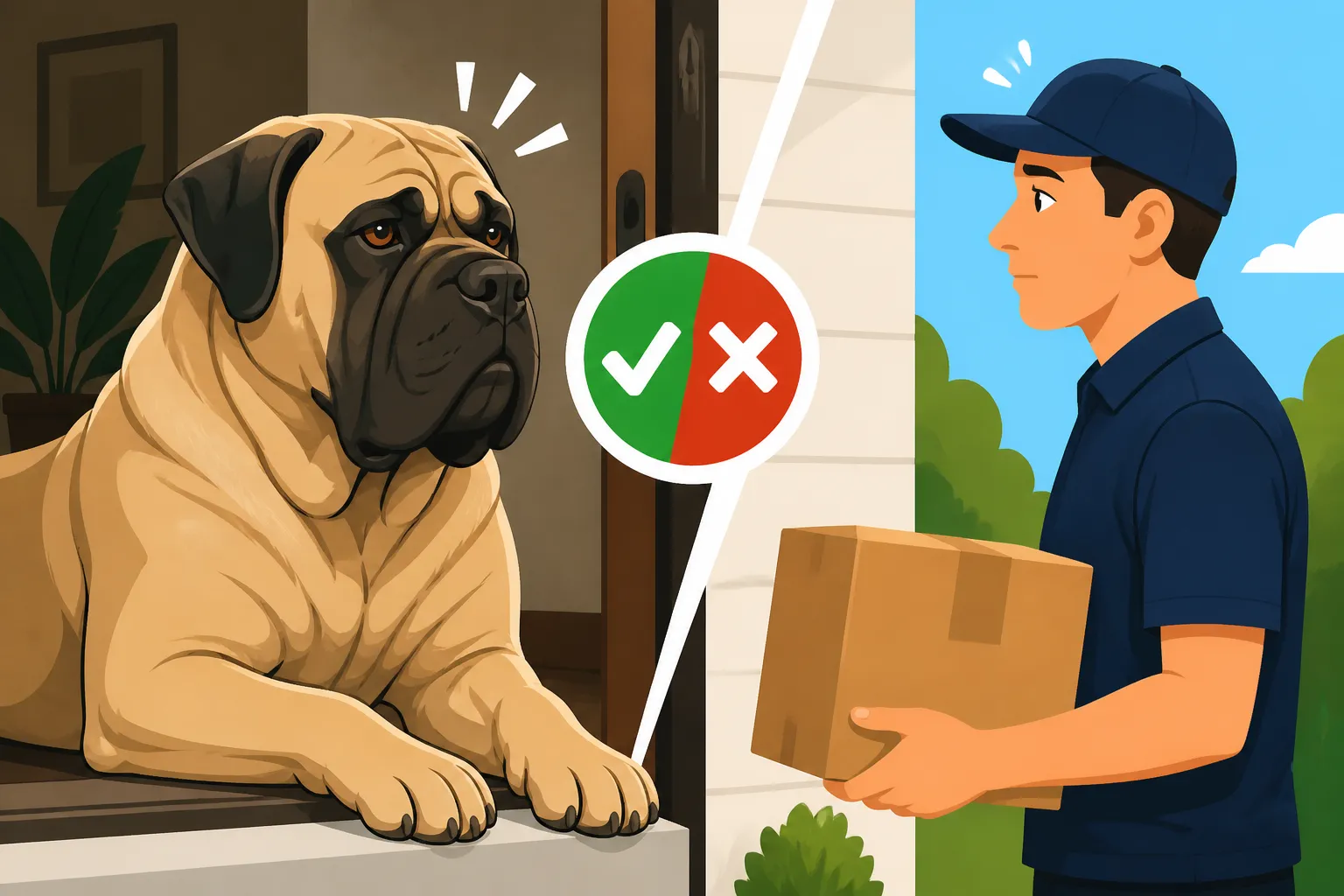
It's a familiar scenario for many Mastiff owners: the doorbell rings, signaling a package, but also triggering a rumbling seismic event in your living room as your colossal companion springs into action. The question isn't just about getting your delivery, but about managing your giant, protective dog and ensuring everyone, especially the often-nervous delivery driver, feels safe. This guide will delve into typical Mastiff reactions to strangers at the door and offer practical, empathetic strategies to make delivery day a smoother, less stressful experience for all involved.
Understanding Your Mastiff's Instincts at the Door
When that unfamiliar knock or ring sounds, your Mastiff isn't just hearing a noise; they're interpreting a potential shift in their world, their home, and your safety. Their reactions are deeply rooted in their history and inherent temperament.
The Natural Guardian, Not the Aggressor
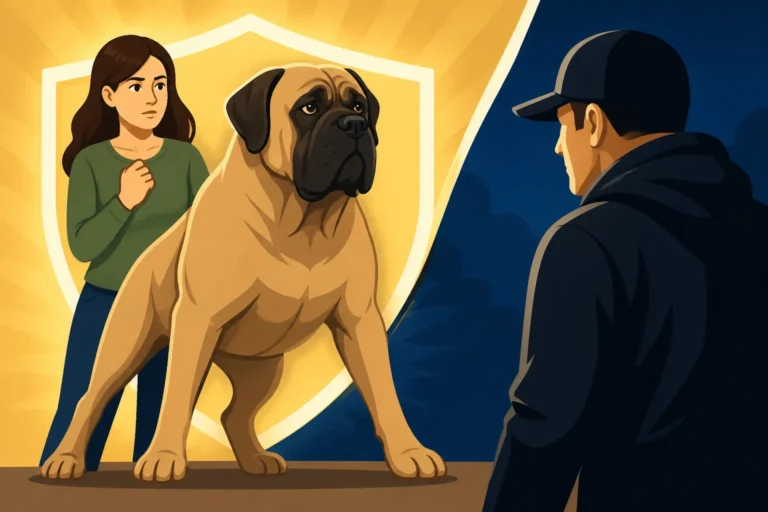
Mastiffs were originally bred as formidable protectors, guardians of estates and livestock. They were meant to deter intruders with their sheer size and imposing presence, not necessarily to engage in outright aggression. This is a crucial distinction. While their appearance alone is often enough to make anyone think twice, their primary instinct is to alert and protect, not typically to attack without severe provocation. They're often gentle giants with their families, but that protective switch can flip when an unfamiliar presence approaches their perceived territory – your home and, more importantly, you. It's not about malice; it's about their job as they see it.
Why the Delivery Driver is Different
A delivery driver isn't your regular houseguest who politely waits for you to open the door after a friendly text. They often approach quickly, sometimes jogging up the path, wearing a uniform that can obscure their human form, and they have a job to do: drop the package and move on. This quick, often unexpected, and sometimes uniformed approach can be a significant trigger for a Mastiff. To your dog, this isn't a friend; it's a stranger making a rapid, direct approach to your front door, sometimes even peering in. The suddenness, the uniform, and the lack of a familiar scent or greeting can all combine to put your Mastiff on high alert, even if the driver means no harm. For a Mastiff, this sudden intrusion is a stark contrast to a casual visitor, demanding an immediate response from their guardian instincts.
The "Deep Chest" Bark vs. the "I Mean Business" Growl
One of the most immediate and often startling reactions from a Mastiff is their bark. And what a bark it is! It's a deep, resonant sound that vibrates through the house, designed to be heard and to make an impression. Often, this is purely an "alert" bark – a booming announcement that "someone is here, and I'm letting everyone know!" It’s their way of communicating that their watch has begun. This is different from a low, guttural growl accompanied by stiff body language and bared teeth, which signifies a much more serious "I mean business" threat. Learning to distinguish between your Mastiff's booming "I'm on duty" bark and a truly agitated, potentially aggressive growl is key. A Mastiff's alert bark can be an effective deterrent simply by its sheer volume and intimidating sound, often without any further escalation. You can learn a lot about what your Mastiff is trying to communicate by paying close attention to How Deep a Mastiff's Bark Is.
Common Mastiff Reactions to Delivery Drivers
Knowing what to expect from your Mastiff when the doorbell rings can help you prepare and manage the situation more effectively. Their size means that even a benign reaction can be overwhelming for an unprepared visitor.
The "Stand-Off" and Blocking Behavior
Many Mastiffs will react to a delivery driver not by lunging or aggressive barking, but by simply becoming a large, immovable object between you and the door. They might plant themselves firmly, facing the door, effectively creating a barrier. This is a classic Mastiff guardian behavior. They are not necessarily trying to attack; they are asserting their presence and putting themselves in a protective position. This might involve a low growl, a deep bark, or simply standing silently, watching the door with intense focus. To a delivery driver, this can still be incredibly intimidating, as a two-hundred-pound dog standing resolute in a doorway is a powerful visual. Understanding that your Mastiff is likely saying, "You shall not pass without my human's permission" rather than "I will bite you" can help you manage the situation calmly. Often, this behavior is a direct manifestation of Why a Mastiff Blocks Doorways Instead of Guarding Them.
The Alarm Bark and Vocal Display
The most common reaction you'll encounter is the alarm bark. This is your Mastiff's foghorn, announcing to the entire neighborhood (and certainly the delivery driver) that someone is at the threshold. This vocal display is often sufficient to make many delivery personnel leave the package and quickly retreat. Your Mastiff's goal here is usually to deter, not to engage. They are effectively saying, "I see you! I hear you! This is my house, and I'm on guard!" It's less about instigating a fight and more about making their presence unequivocally known. They might bark a few times, perhaps pace briefly, and then settle once the perceived threat (the delivery person) has moved away. For many Mastiffs, the visual of the driver retreating is enough to satisfy their protective instincts, confirming that their booming bark did its job.
The Leaning and Body Pressure
Sometimes, a Mastiff's reaction isn't just vocal or blocking. You might find your dog leaning heavily against you or even performing a gentle (or not-so-gentle, given their size) body-check against the door. This can be startling, but it's often a mixture of protective instinct, seeking reassurance, and sheer curiosity. Why a Mastiff Leans Its Weight on People is a well-known Mastiff trait, and it can certainly come into play at the front door. They might be trying to get a better vantage point, or they might be trying to physically put themselves between you and the door, inadvertently using their immense bulk to apply pressure. While it can be disorienting, it's rarely a sign of aggression. Instead, it's often a clumsy expression of their desire to protect or to understand the situation better. It’s important to stay balanced and calm when this happens, as your reaction can influence their interpretation of the situation.
Strategies for Managing Mastiffs and Deliveries
Successfully navigating delivery moments with a Mastiff requires a combination of proactive training, environmental management, and clear communication. The goal is always safety and stress reduction for everyone involved.
Proactive Training and Desensitization
Starting early with your Mastiff puppy, or even an adult rescue, is paramount. The "doorbell rings = chaos" association can be powerful, so you need to create a new, positive association. Practice doorbell ringing sessions with a friend or family member. When the doorbell rings, instead of letting your Mastiff rush the door, direct them to a designated "place" like their bed or a mat in another room. Reward them heavily with high-value treats and praise for staying calm and in their spot while the "door" (you) is answered. Repeat this many times. This teaches them that the doorbell means good things happen when they are calm and stay put, rather than being an invitation to guard. Online training programs, like those offered by BAXTER & Bella, often have modules specifically designed for impulse control and polite greetings, which can be invaluable for working with a giant breed that needs to learn boundaries before they outweigh you. Remember, Teaching a Mastiff Before It Outweighs You is absolutely critical for effective management.
Creating a Safe Barrier
Even with the best training, there will be times when you need a physical fail-safe, especially when you're first implementing your training plan or if your Mastiff is having an off day. Sturdy baby gates are your best friend here. Install one a few feet back from your front door, or use it to block off access to the entry hallway entirely. This creates a safe, visible boundary between your Mastiff and the delivery driver. If your dog is particularly excitable, you might even consider crating them in another room during anticipated delivery times. The goal is to prevent direct, unsupervised interaction and give the driver peace of mind. Investing in a robust, tall gate, easily found on platforms like Amazon, that can withstand the weight of a determined Mastiff is a smart choice. This barrier allows your Mastiff to still hear and see the activity, but without being able to interact, reinforcing that you are handling the situation.
Communication with Delivery Services
Many delivery companies now offer options to leave specific instructions for drivers. Utilize these! Add notes to your delivery profiles saying things like, "Please leave package on porch/at side door and ring bell once. Do not knock. Dog may bark but is contained." or "Text upon delivery, do not ring bell." This proactive communication can significantly reduce unexpected encounters. If you have regular deliveries from a specific company or driver, a friendly note on your door explaining the situation (e.g., "Giant dog inside, please leave packages on the stoop!") can also go a long way. This forewarning can ease the driver's apprehension and help them understand your dog's likely reaction, allowing them to complete their task efficiently and without undue stress.
The Importance of a Strong "Stay" or "Place" Command
A reliable "stay" or "place" command is gold when you have a Mastiff. Imagine the doorbell rings, and you can calmly tell your Mastiff to "place" on their mat ten feet from the door. This isn't just about obedience; it's about control and safety. Practice this command diligently in various situations, gradually increasing distractions. Start with short durations, then extend the time. Make it rewarding with treats and praise. For a breed that can be as stubborn as they are sensitive, consistency is key. A strong "stay" ensures that even if your Mastiff barks, they remain physically contained and don't rush the door. This level of control is essential for managing a dog that can easily outweigh an adult human and become an immovable object when they decide to A Mastiff Does Not Pull You Over, It Simply Stops. Consistent, positive reinforcement training is generally the most effective way to achieve this, as explored in Whether Positive Training Alone Works on a Mastiff.
| Behavior Type | Common Manifestations | Owner Action | Driver Perception |
|---|---|---|---|
| Alert/Protective | Deep barking, standing in doorway, low growl, leaning against owner. | Use "place" or "stay" command, utilize barrier (gate), communicate with delivery service. | Intimidating, dangerous (even if not truly aggressive), obstacle. |
| Curious/Excited | Tail wags, attempts to sniff/lick through door/gate, whines, pawing. | Leash control, short greetings (if safe), firm "no jump" command. | Friendly (potentially too friendly), still large and potentially overwhelming. |
| Fearful/Reactive | Retreating, hiding, high-pitched barking, growling, lunging, hackles raised. | Immediate professional help (behaviorist), secure containment, desensitization. | Highly dangerous, unpredictable. |
When to Seek Professional Help
While many Mastiff behaviors at the door can be managed with consistent training and good management, there are times when professional intervention is not just helpful, but necessary for everyone's safety.
Identifying Escalating Behavior
It's one thing for your Mastiff to give a few booming barks and stand as a deterrent; it's another entirely if that behavior escalates into something more concerning. Signs of escalating behavior include: sustained, aggressive barking coupled with snarling or lunging at the door; attempts to bite at the door or any part of the driver that might be visible through a screen; persistent hackles raised; or a refusal to disengage even when the driver has retreated. If you notice your Mastiff's reactions becoming more intense, difficult to control, or genuinely aggressive, it's a clear signal that the situation is moving beyond typical guardian behavior and into potentially dangerous territory. Don't dismiss these signs as "just being a Mastiff" – their size makes any aggression a serious concern, and understanding Whether a Mastiff Would Actually Bite is crucial.
Working with a Certified Professional
If you find yourself struggling to manage your Mastiff's door behavior, or if you observe any of the escalating signs described above, it's time to call in a professional. Look for a certified professional dog trainer or a veterinary behaviorist who has experience working with giant breeds and reactive dogs. They can assess your Mastiff's specific triggers, body language, and temperament, and help you develop a tailored behavior modification plan. Trying to address significant reactivity or aggression in a two-hundred-pound dog on your own can be risky and ineffective. A professional can provide guidance on techniques, tools, and environmental adjustments to help your Mastiff feel more secure and react appropriately. They can also help distinguish if your Mastiff is truly a guard dog or merely a deterrent, as discussed in Whether a Mastiff Is a Guard Dog or a Deterrent. Don't hesitate to seek their expertise; it's an investment in your dog's safety, your family's peace of mind, and the well-being of anyone who approaches your home. A professional can make a world of difference when considering Whether a Mastiff Needs a Professional Trainer.
Dealing with a Mastiff and delivery drivers can certainly be a challenge, but it’s one that can be managed effectively with understanding, proactive training, and sometimes, a little professional guidance. Your Mastiff is a protective, loving companion, and with the right approach, you can ensure that delivery day is a calm, safe experience for everyone involved.
Disclaimer
This article is for general informational purposes only and does not constitute professional advice. Laws, prices and regulations vary by location and change over time. Consult a qualified professional for guidance on your specific situation.