Whether a Mastiff Refuses to Get in a Car
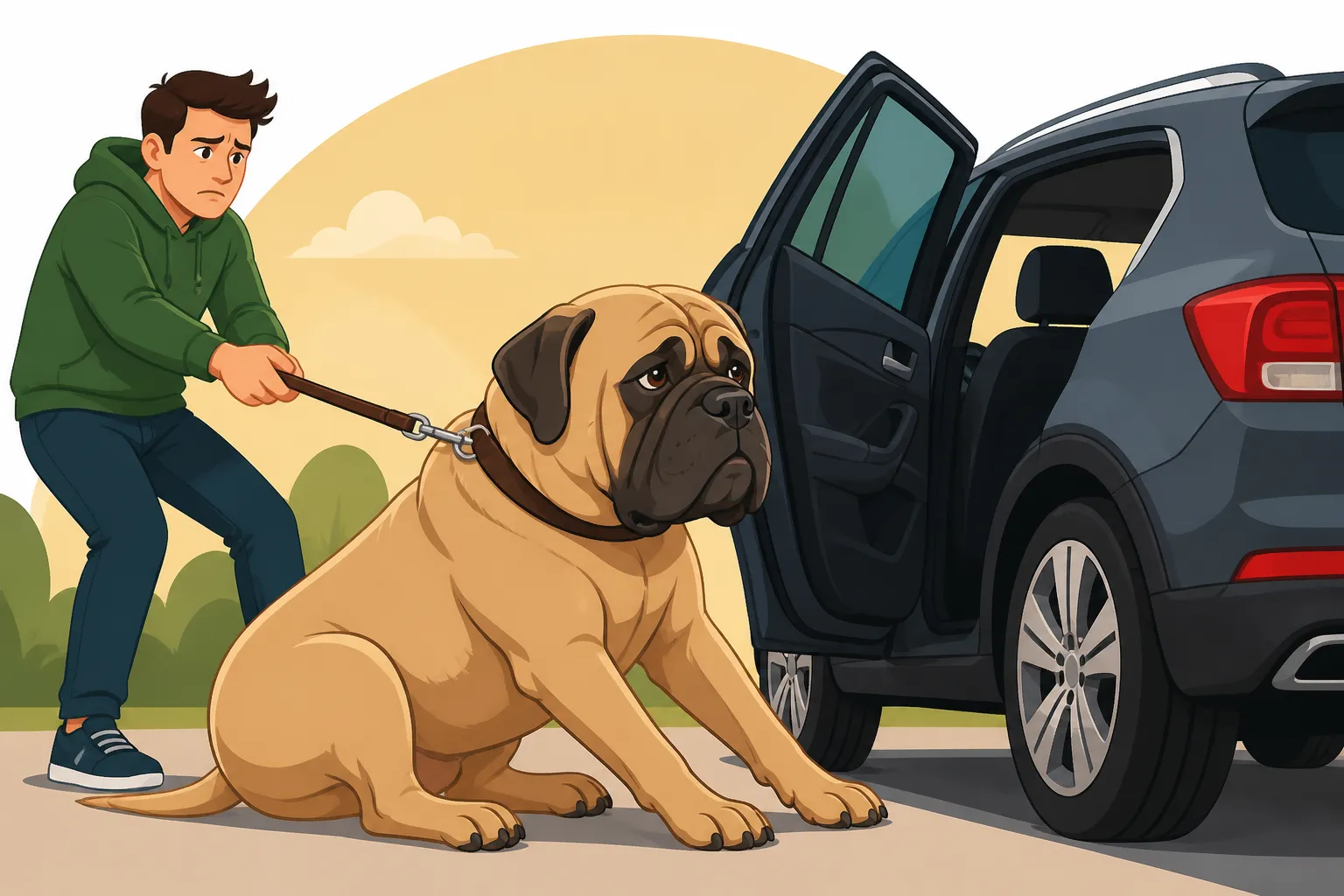
It’s a scenario every Mastiff owner dreads: you’ve got places to be, and your magnificent, two-hundred-pound companion has decided the car is, without a doubt, a giant, immovable monster. Trying to persuade a Mastiff that has planted all four paws firmly on the ground – or simply refuses to even approach the vehicle – can feel like an impossible task, turning a simple errand into an epic battle of wills. This guide is here to walk you through understanding why your gentle giant is saying "no" to the ride and, more importantly, how to get them comfortably and willingly into your car.
Why Your Mastiff Might Be Saying "No" to the Car Ride
When your Mastiff suddenly transforms into an unmoving statue at the sight of your car, it’s easy to feel frustrated and even a little embarrassed if you're in public. But there’s always a reason behind their reluctance, and it’s usually not just pure stubbornness. Understanding the root cause is the first step toward finding a solution that works for both of you.
Fear or Anxiety Around the Vehicle
One of the most common reasons a Mastiff might refuse to get into a car is plain old fear or anxiety. Imagine being a colossal creature and being asked to step into a relatively small, often moving, metal box. For some dogs, especially those not properly socialized to car rides from a young age, the car can be a truly intimidating experience.
Maybe they've had a negative experience in the past – a bumpy ride, a sudden stop, or even just feeling unstable. For a Mastiff, whose joint health is paramount, feeling unstable can be genuinely frightening, leading to hesitation. The confined space itself can be overwhelming, or the sounds and smells associated with the car might trigger anxiety. Perhaps they only ever go to the vet in the car, associating it with unpleasant procedures. This is why early, positive introductions are so vital. If your Mastiff wasn't exposed to car travel as a young pup, overcoming this fear requires patience and a gradual desensitization process. They need to learn that the car isn't a threat, but a gateway to good things.
Discomfort or Pain
This is a critical consideration, especially for a breed as large and prone to joint issues as a Mastiff. If your Mastiff, who usually hops into the car without an issue, suddenly starts balking, pain could be the underlying cause. Jumping into a car, particularly an SUV or truck, puts immense strain on a Mastiff’s hips, elbows, and spine.
A Mastiff that is experiencing Arthritis in a Mastiff at Four or even subtle discomfort from growing pains might associate getting into the car with a jolt of pain. Conditions like hip or elbow dysplasia, common in the breed, can make the act of jumping or navigating tight spaces incredibly uncomfortable. Even a temporary muscle strain could be enough to make them hesitant. If your dog is otherwise enthusiastic about outings but resists the car, pay close attention to their gait, how they move, and any signs of limping or stiffness. A sudden change in behavior often signals a physical problem, and a vet visit is absolutely essential to rule out any underlying health issues that could be causing their discomfort. They might be trying to tell you something their massive body can't quite manage anymore.
Lack of Proper Training or Socialization
Let's be honest, getting a Mastiff to do anything it doesn't want to do can be a Herculean effort. Without consistent, positive training from a young age, a Mastiff can develop strong opinions about things like car rides. If they were never taught how to enter a car safely and calmly, or if their first experiences were stressful, they might simply not understand what’s expected of them, or they’ve decided it’s not worth the effort.
Many owners lift their Mastiff puppies into cars when they're small enough, but this quickly becomes impossible as they grow. If the transition to independent entry isn't managed properly, the dog might become dependent on being lifted or simply refuse when that option is no longer available. This isn't necessarily stubbornness but rather a lack of clear communication and positive reinforcement. They need clear instructions and a reason to comply. This is where systematic training, breaking down the action into small, manageable steps, becomes invaluable. Without a solid foundation, you’re left with a very large dog dictating terms, which isn't ideal for anyone. The Stubbornness That Is Actually a Mastiff Thinking might describe it perfectly – they aren't necessarily being difficult, they're just thinking it through on their own terms.
Training Your Mastiff to Be a Willing Passenger
Once you’ve identified the potential reasons for your Mastiff’s car-aversion, it’s time to tackle the issue with a structured, positive approach. Remember, patience is key, and every small victory counts when you're working with a dog of this magnitude.
Starting with Positive Associations and Desensitization
The goal here is to transform the car from a scary metal box into a happy place. This process is called desensitization and counter-conditioning. Start small. Really small. Don't even aim for them to get in the car initially.
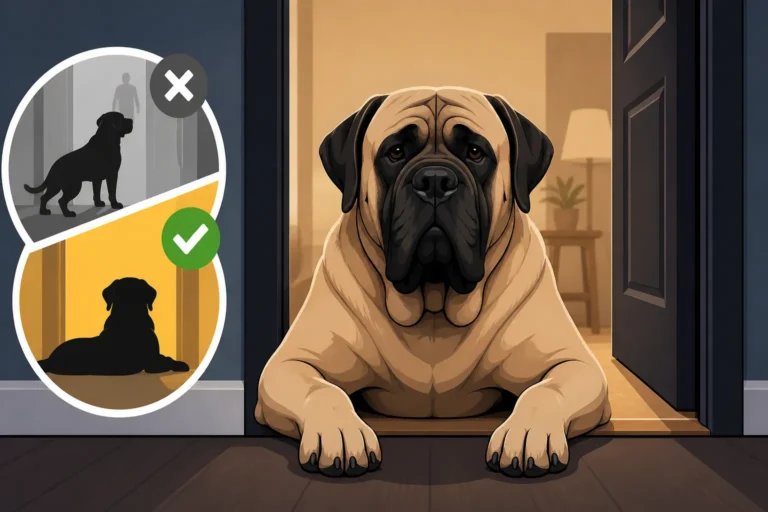
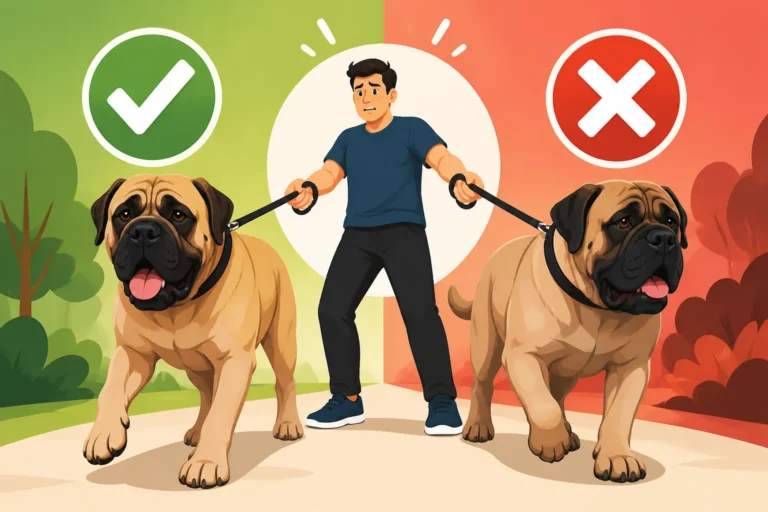
Begin by simply approaching the car with your Mastiff on a leash. Give them high-value treats and praise as you get closer. Walk around the car, let them sniff it, and reward their calm curiosity. Open the car door, toss a favorite toy or treat inside, but don't force them to retrieve it. Let them explore the open door from a safe distance. Do this for several days or even weeks, depending on your dog's level of anxiety. The idea is that every interaction with the car, even just being near it, leads to something positive. You might even feed them their meals near the car, then gradually closer, until they are eating right next to an open door. Never scold or drag them, as this will only reinforce negative associations. The training principle taught by platforms like BAXTER & Bella focuses heavily on positive reinforcement and building confidence, which is exactly what you need here.
Teaching the "Load Up" Command with a Ramp
For a Mastiff, jumping into a car, especially an SUV or truck, is a huge physical ask. Not only can it be uncomfortable, but it can exacerbate joint issues over time. This is where a sturdy ramp becomes your best friend. A ramp eliminates the need for jumping and provides a much safer, gentler entry point.
Once your Mastiff is comfortable being near the car with the door open, introduce the ramp. Lay the ramp flat on the ground initially and encourage them to walk across it using treats. Once they're comfortable walking on the flat ramp, incline it slightly. Gradually increase the incline until it's at the height of your car. Practice walking them up and down the ramp repeatedly, always using positive reinforcement. Offer treats every step of the way, making it a fun game. Once they're confidently walking the ramp, move it to the car. Guide them up with a strong, confident "Load Up" command and immediately reward them with their favorite treat or toy once they're inside. You can find excellent, heavy-duty ramps suitable for a Mastiff's weight on Amazon, ensuring it's wide enough and stable. For more detailed instructions, you might find specific techniques in Teaching a Mastiff to Use a Ramp helpful.
Short, Positive Car Rides
Once your Mastiff is willingly getting into the car, it's time for short, positive car rides. The first few rides should be very brief – just around the block, or even just sitting in the car with the engine running, then turning it off and letting them out.
Keep these initial trips extremely pleasant. Drive to a favorite park, a friend's house where they get lots of attention, or anywhere they associate with good experiences. Avoid making the car ride a direct path to the vet or groomer during this phase. Use a comfortable car harness or a travel crate to ensure their safety and stability, as a large dog sliding around in the back can quickly undo all your hard work. Always have treats on hand to reward calm behavior during the ride. As they get more comfortable, gradually increase the duration and distance of your trips. If you notice any signs of anxiety, revert to shorter trips or even just sitting in the car again until they are relaxed. The key is to build their confidence one positive experience at a time. Whether a Mastiff Refuses to Get in a Car becomes a non-issue with consistent effort.
Practical Solutions for Getting a Reluctant Mastiff into the Car
Sometimes, despite all the training, you need to get your Mastiff in the car now. Or perhaps you’re looking for alternatives that make car travel easier on both of you. There are several practical considerations and tools that can make a huge difference.
Choosing the Right Vehicle and Setup
The type of vehicle you drive significantly impacts how easy it is to transport a Mastiff. A low-riding sedan requires a Mastiff to bend and contort itself into a small backseat, which is far from ideal. SUVs, minivans, or trucks with a spacious cargo area are generally much better.
Look for a vehicle with a low sill height or a flat entry to the cargo area. This minimizes the jump or incline your Mastiff needs to navigate. Within the car, ensure there's ample space for them to lie down comfortably. A non-slip mat or sturdy dog bed can prevent them from sliding around, which can be a major source of anxiety and potential injury. Consider a crash-tested travel crate designed for large breeds, or a robust car harness that attaches to the seatbelt system. This not only keeps them safe but can make them feel more secure and stable during the ride. What a Mastiff's Weight Does to Every Line on the Vet Invoice isn't just about vet care; it also influences your vehicle choice! Remember, your car setup should prioritize your Mastiff’s comfort and safety.
Ramps, Lifts, and Other Aids
As mentioned, a ramp is invaluable for a Mastiff. But not all ramps are created equal. You need one that is sturdy, has a non-slip surface, and can comfortably support your Mastiff’s weight without flexing. Portable aluminum ramps are popular, but some can be cumbersome.
| Aid Type | Pros | Cons | Best For |
|---|---|---|---|
| Ramp | Reduces joint strain; safe for all ages | Can be bulky; requires space to deploy; some dogs need training | Everyday use; elderly or arthritic Mastiffs; large SUVs/trucks |
| Lift Harness | Assists with partial lifting; good for short distances | Requires owner strength; not a full solution for complete refusal | Short-term assistance; dogs with minor mobility issues |
| Step | Less bulky than a ramp; easier for some dogs | Still requires a jump/step up; not suitable for severe joint issues | Dogs with mild difficulty; lower-sitting vehicles |
| Dedicated Vehicle | Ultimate comfort and safety; custom setup possible | High cost; not practical for everyone | Owners who travel extensively; multiple Mastiffs; mobility needs |
For those times when a ramp isn't an option, or for Mastiffs with specific mobility challenges, a full-body lifting harness with handles can be a godsend. These harnesses distribute weight evenly and allow you to support your Mastiff as they step or are gently lifted into the vehicle. Brands on Amazon offer various designs specifically for large breeds. While you can't lift a full-grown Mastiff on your own, a harness allows you to guide and stabilize them, providing just enough assistance to make the difference between a refusal and a successful entry. This is particularly helpful for Lifting an Old Mastiff That Cannot Get Up or those with temporary injuries.
Making Car Rides Fun and Rewarding
Beyond the physical act of getting in, it’s crucial to ensure the car ride itself is a positive experience. This means making the destination desirable and keeping the journey comfortable.
Always associate car rides with something good. Are you going to the dog park? A sniffy walk in a new area? Visiting their favorite person? If every car ride ends up at the vet (even for routine check-ups), it’s easy for a Mastiff to develop an aversion. Keep a special "car only" toy or treat stash in the vehicle. A long-lasting chew or a puzzle toy can keep them happily occupied during the journey. Ensure the temperature is comfortable, especially in warmer weather, as Heat and a Mastiff That Cannot Shed Its Own Bulk can quickly lead to overheating. A quiet, calm environment inside the car helps reduce anxiety. Consider playing soft music or using calming pheromone sprays if anxiety is a significant factor. The more positive experiences your Mastiff has in the car, the less likely they are to refuse to get in. Think of it as building a mental bank of good memories associated with car travel.
When a Physical Issue Is the Real Reason for Refusal
As empathetic Mastiff owners, we often overlook subtle signs of discomfort in our stoic giants. But if your Mastiff, who once willingly jumped in, suddenly puts on the brakes, it's paramount to consider their physical well-being. Their immense size makes them prone to certain orthopedic challenges that can severely impact their mobility and comfort in and around vehicles.
Recognizing Signs of Pain or Discomfort
It's not always obvious when a Mastiff is in pain. They are naturally stoic and often try to hide discomfort. However, a sudden change in willingness to get into the car is a huge red flag. Look for subtle cues:
- Hesitation: Do they pause longer than usual before jumping or stepping?
- Stiffness: Do they seem stiff when they finally get in, or when they get out?
- Whimpering or yelping: Any vocalization during entry or exit.
- Limping or lameness: Even slight changes in their gait before or after the car ride.
- Reluctance to use stairs or jump: If they're also avoiding other elevated surfaces.
- Changes in appetite or energy: General malaise can accompany pain.
- Guarding: Snapping or growling if you try to lift or push them.
Even if they don't explicitly cry out, any of these behavioral shifts, especially related to movement, warrant investigation. For a breed that carries so much weight, even a minor ache can be amplified into significant discomfort, making the act of entering a car feel daunting. Why a Mastiff's Hips Fail Under Its Own Weight and Elbow Dysplasia Affects One Mastiff in Seven highlight the very real orthopedic challenges these dogs face, and these conditions can manifest as car-entry reluctance.
The Importance of Veterinary Consultation
If you suspect pain or discomfort is the reason for your Mastiff's refusal, a visit to your veterinarian is non-negotiable. Don't try to guess or self-diagnose. Your vet can perform a thorough physical examination, assess their mobility, and identify any areas of tenderness or pain.
They may recommend diagnostic imaging, such as X-rays, to check for conditions like hip or elbow dysplasia, arthritis, or other musculoskeletal issues. Blood tests might also be run to check for inflammatory markers or other underlying health problems. Early diagnosis and intervention are crucial for managing these conditions and improving your Mastiff's quality of life. Your vet might suggest pain medication, anti-inflammatory drugs, joint supplements, or even physical therapy. Addressing the pain directly will not only resolve their car-aversion but also ensure they are living as comfortably as possible. Never assume it's just "stubbornness" when dealing with a large breed and a sudden behavioral change related to movement. It's often their way of communicating distress.
Long-Term Management for Joint Health
For a Mastiff, proactive joint health management isn't just a recommendation; it's a necessity. Their sheer size puts immense stress on their joints throughout their lives. Even if your vet finds no immediate injury, maintaining optimal joint health can prevent future problems and make car entry easier.
This includes maintaining a lean body weight, as Keeping a Mastiff Lean on Purpose can significantly reduce strain on their joints. A high-quality diet specifically formulated for large or giant breeds helps support healthy growth and development in puppies and provides appropriate nutrients for adults. Many owners also introduce joint supplements, such as glucosamine, chondroitin, and omega-3 fatty acids, early in their Mastiff's life, often from a year old. Regular, moderate exercise, like gentle walks (avoiding strenuous activity, especially in puppies, as seen in Why a Mastiff Puppy Must Not Be Exercised Hard), helps maintain muscle mass and joint flexibility without overstressing developing bones. Providing orthopedic dog beds in the home also minimizes pressure on their joints when resting. Making these consistent efforts throughout your Mastiff's life can greatly contribute to their comfort and willingness to engage in activities like car travel, reducing the likelihood of them refusing due to pain as they age.
Disclaimer
This article is for general informational purposes only and does not constitute professional advice. Laws, prices and regulations vary by location and change over time. Consult a qualified professional for guidance on your specific situation.