Whether a Mastiff Balks at Doorways
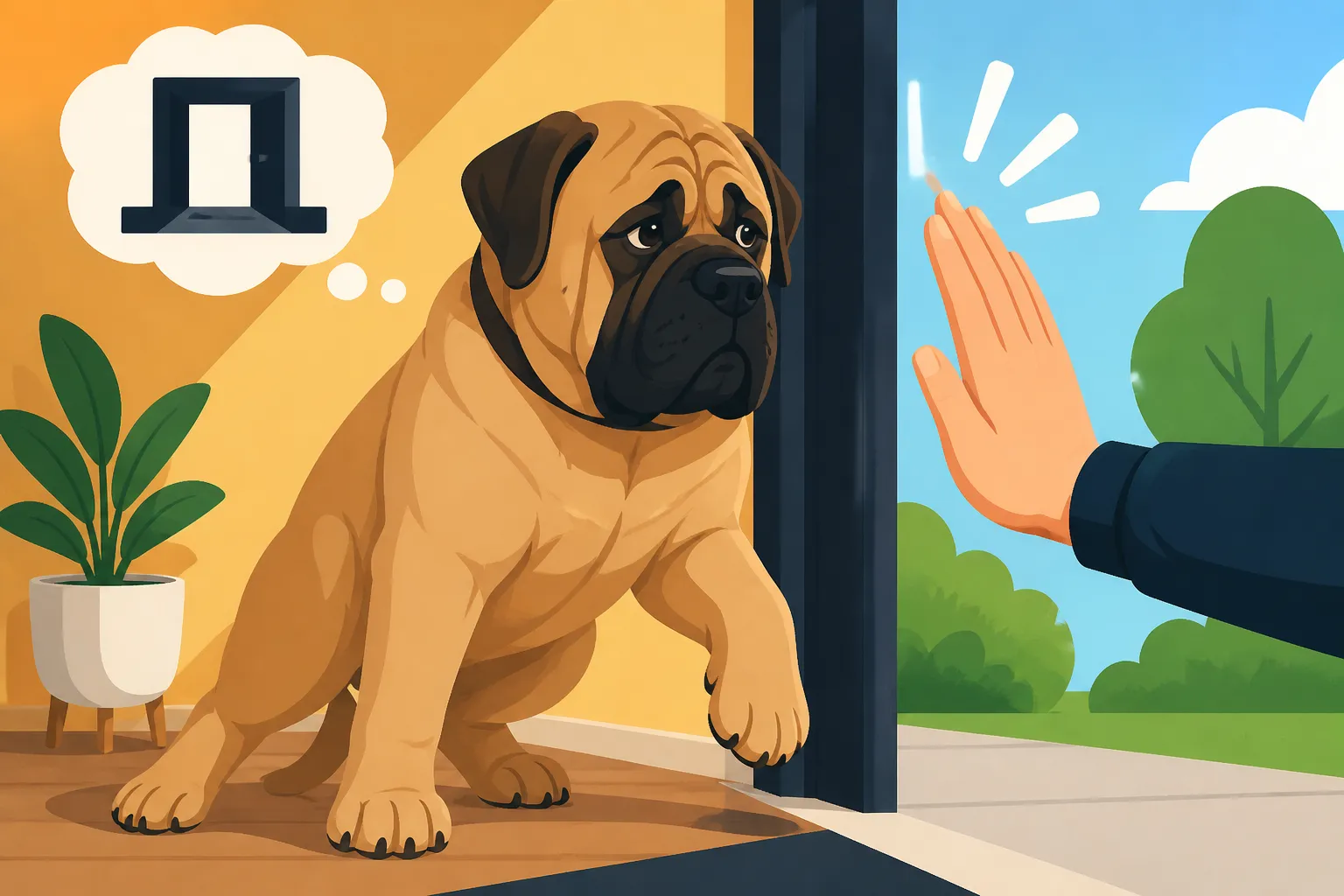
One frustrating and surprisingly common challenge many Mastiff owners encounter is their beloved giant suddenly deciding a doorway, of all things, is a formidable obstacle. You might be standing there, leash in hand, ready for a walk, or simply trying to move from one room to another, only for your colossal companion to plant their feet firmly and refuse to budge. This guide will explore the various reasons your Mastiff might be balking at doorways and offer practical, empathetic strategies to help them navigate these everyday transitions with confidence.
Understanding Why a Mastiff Might Balk at Doorways
It's easy to assume your Mastiff is just being stubborn, and sometimes, a bit of that typical Mastiff deliberation is at play. However, for such a large and powerful dog, there are often deeper, more nuanced reasons for their hesitation at thresholds. Understanding these underlying causes is the first step to finding a compassionate and effective solution.
Fear and Novelty in Doorway Situations
Mastiffs, despite their imposing appearance, can be incredibly sensitive souls. A doorway, to us, is just a passage. To a Mastiff, especially one who hasn't been properly socialized or has had a negative experience, it can represent a barrier, a tunnel, or even an unknown void.
Think about it from their perspective: a doorway changes the light, the acoustics, and sometimes even the temperature. If your Mastiff is particularly sensitive to new sights or sounds, a brightly lit hallway leading to a dark room, or vice versa, could be unsettling. They might worry about what's on the other side, especially if they've been startled by something there before. Perhaps a door unexpectedly closed on them, or a loud noise came from the other side just as they were about to pass through. These seemingly minor events can create a strong, lasting aversion in a dog as sensitive as a Mastiff. This can be especially true for puppies during their critical socialization periods. If a puppy isn't gently exposed to various household environments, including all types of doorways, they might develop a fear later on. Remember, The Sensitivity Nobody Expects in a Two Hundred Pound Mastiff means that what might seem trivial to another breed can be a significant psychological hurdle for our gentle giants.
Physical Discomfort or Health Concerns
This is a critical, often overlooked reason for a Mastiff's hesitation. When a dog as large as a Mastiff is reluctant to move, especially through a tight space like a doorway, physical pain should always be a primary concern.
A Mastiff that is experiencing joint pain from conditions like hip or elbow dysplasia might find the act of stepping through a doorway, particularly if there's a slight lip or change in flooring, uncomfortable or even painful. Imagine having aching joints and being asked to navigate a narrow, potentially slippery passage. They might be trying to avoid exacerbating their pain. Even conditions like arthritis, which can begin surprisingly early in giant breeds, could cause them to slow down or outright refuse to move through certain areas. Sometimes, an injury to a paw pad, a strained muscle, or even an ingrown toenail could be the culprit. Given how quickly Mastiffs grow and the stresses their weight places on their bodies, it's always wise to rule out physical issues first. If your Mastiff suddenly starts balking, especially if it’s a new behavior, a vet visit is absolutely in order to check for underlying health problems. Arthritis in a Mastiff at Four is a stark reminder that joint issues are not just for senior dogs.
Learned Behavior and Stubbornness
Sometimes, your Mastiff isn't afraid or in pain, but rather, they've learned that balking gets them attention, a treat, or simply buys them more time to "think" about their next move. Mastiffs are incredibly intelligent, even if they often come across as slow or deliberate. They learn very quickly what works to their advantage.
If, in the past, their hesitation has led you to coax them with treats, shower them with affection, or even physically push them (which is never recommended for such a large dog!), they might have associated the doorway refusal with a positive outcome. It becomes a game, a way to control the situation. What appears as stubbornness might actually be a deeply ingrained habit. They've discovered that if they plant themselves, the world often stops and waits for them, or even brings rewards. This isn't malice; it's just a dog optimizing for the best possible outcome from their perspective. For a breed known for its thoughtful, sometimes ponderous nature, The Stubbornness That Is Actually a Mastiff Thinking is often a factor in situations like this. They are rarely impulsive, preferring to assess and decide.
Early Training for Doorway Confidence
The best offense is a good defense, especially with a Mastiff puppy. Establishing positive associations and clear expectations around doorways from a young age can prevent many future headaches. It’s all about building confidence and making every threshold a non-event.
Puppy Socialization and Gradual Exposure
Starting early is paramount. Your Mastiff puppy, while small enough to carry, needs to see and experience as many different doorways and environments as possible in a positive way. Don't wait until they are 100 pounds to start thinking about these things.
During their critical socialization period, gently introduce them to all the doorways in your home – internal doors, external doors, sliding doors, screen doors, pet doors (if applicable). Make each passage a positive experience. Toss a favorite treat through, or play a quick game of fetch that requires them to go through the door. Never force them. If they hesitate, step back, make it easier, and try again. Use high-value treats and praise every time they take a step forward, no matter how small. A good puppy class, or an online program like BAXTER & Bella, can offer structured ways to introduce new experiences and build confidence, even for something as mundane as a doorway. It’s about building a solid foundation before they become too large to manage. Socializing a Mastiff Puppy Before It Gets Heavy is crucial for preventing a myriad of behavioral issues, including doorway balking.
Teaching a "Wait" Command at Thresholds
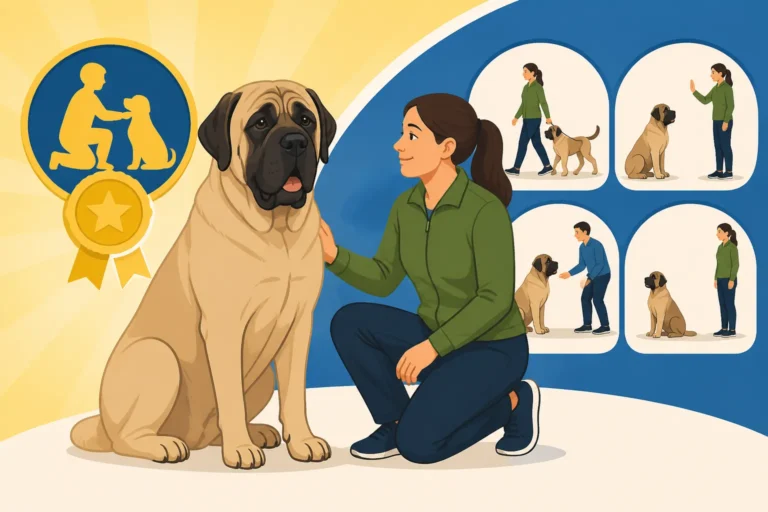
A solid "wait" or "stay" command is invaluable, not just for doorways, but for general safety and control with a large Mastiff. This command teaches impulse control and establishes you as the leader, guiding them safely through transitions.
Start by teaching "wait" in an open area, away from distractions. Hold a treat and say "wait," then take a step back. If they stay, reward them. Gradually increase the distance and duration. Once they understand the concept, apply it to doorways. Approach a doorway, ask them to "wait," and then slowly open the door. If they hold their position, praise and reward. Then give a release cue like "okay" and allow them to pass through. The goal is for them to understand that they only go through a threshold when you give the signal. This prevents them from barging through, which can be dangerous for both of you, and it also instills confidence by letting them know you're leading the way. Many online training resources, including comprehensive programs found on BAXTER & Bella, emphasize threshold manners, which are especially important for a dog the size of a Mastiff. This ensures that Whether a Mastiff Learns to Wait at a Threshold is a skill you actively teach, rather than hoping they figure it out.
Strategies for Overcoming Doorway Hesitation in Adult Mastiffs
If you're dealing with an adult Mastiff who already has a habit of balking, don't despair! It might take more patience and consistency, but with the right approach, you can help them become more confident and compliant at doorways.
Positive Reinforcement and Lure Training
When your Mastiff is hesitating, the last thing you want to do is create a negative association. Harsh words or pulling on the leash will only make the problem worse. Instead, focus on making the doorway the source of good things.
Use their favorite, high-value treats. Hold a treat at their nose and slowly lure them towards and through the doorway. The moment they take a step through, even just one paw, immediately praise them enthusiastically and give them the treat. Repeat this many times, gradually moving the treat further ahead so they have to take more steps on their own. You can also toss a treat just beyond the threshold, encouraging them to move forward to retrieve it. For especially wary dogs, you might need to start by just rewarding them for looking at the doorway, then for approaching it, then for touching it, and finally for moving through. Remember, consistency is key. Every time they successfully navigate a doorway, even with a lure, it builds a positive memory. You can find excellent quality training treats and long leads on Amazon that can be helpful for this kind of work, allowing you to guide your Mastiff without getting too close initially.
Desensitization and Counter-Conditioning
For Mastiffs with genuine fear or anxiety around doorways, a more systematic approach called desensitization and counter-conditioning is often effective. This involves gradually exposing them to the feared object (the doorway) while simultaneously creating a positive emotional response.
Start with the doorway wide open, ensuring there's nothing visually intimidating on the other side. Sit with your Mastiff a comfortable distance from the doorway where they aren't showing any signs of stress. Offer them treats continuously. The moment they glance at the doorway, treat. If they ignore it, treat. If they relax, treat. The goal is to change their emotional response from fear to anticipation of good things. Over several sessions, slowly decrease the distance to the doorway. You might even want to prop the door open with a doorstop or wedge initially to prevent it from closing unexpectedly, which could reinforce their fear. Once they are comfortable being right next to the open doorway, you can progress to luring them through as described above. If the door itself (e.g., a swinging door) is the issue, you can start by desensitizing them to the sight and sound of it moving gently from a distance, again paired with treats.
Troubleshooting Specific Scenarios
Mastiffs can be particular, and sometimes their doorway issues stem from a very specific detail.
- Slippery Floors: If your Mastiff is hesitant on hard floors, the doorway might be a transition point where they feel particularly unstable. Lay down non-slip mats or runners leading up to and through the doorway. What Bare Floors Do to a Growing Mastiff is a serious concern, as slipping can cause injury and create fear. You can also get paw pads or nail grips from retailers like Amazon to help with traction.
- Narrow Passages: Some older homes have surprisingly narrow doorways. For a massive Mastiff, this can feel like a squeeze. Work on building confidence in narrow spaces elsewhere in the house if possible, like walking between furniture. You can also stand on the other side and encourage them with a treat and a happy tone.
- Door Obstructions: Check for anything that might be snagging their leash or collar, or anything that might fall and startle them as they pass through. A hanging coat, a pile of shoes, or even a loose rug can be a subtle deterrent.
- "Guard Dog" Instinct: For some Mastiffs, a doorway is a territorial boundary. How a Mastiff Judges a Stranger at the Door shows their protective nature. If they associate doorways with protecting the home, they might hesitate to leave their "post" or feel conflicted about passing through. In this case, redirect their guarding instincts to a designated spot away from the doorway before asking them to move through.
| Cause of Balking | Common Signs | Recommended Solution | When to Seek Vet Advice |
|---|---|---|---|
| Fear/Anxiety | Tail tucked, ears back, hesitant body language, attempts to go around | Positive reinforcement, luring, desensitization, high-value treats. | If sudden, severe anxiety, or if paired with other behavioral changes. |
| Physical Discomfort | Limping, stiffness, slow movement, reluctance to put weight on a limb | Consult vet for pain management, check for injuries. Improve traction. | Always, if physical pain is suspected, especially in a giant breed. |
| Learned Behavior/Stubbornness | Looking at owner for cues, sitting down, trying to engage in play | Consistent "wait" command, no rewards for balking, only for moving forward. | If stubbornness is extreme and impacting daily life, consider a professional trainer. |
| Slippery Surface | Spreading legs wide, hesitant steps, scrambling | Add non-slip mats, rugs, or paw grips. Ensure nails are trimmed. | If chronic slipping causes injury or fear. |
| Environmental Factors | Stares at an object beyond the door, reacts to sound | Identify and remove/address the trigger. Desensitize to the trigger. | If reactivity to sounds/sights is severe and unmanageable. |
Creating a Positive Doorway Experience
Beyond direct training, think about the overall environment and your approach to make doorways a consistently positive and safe experience for your Mastiff.
Consistent Routine and Leadership
Dogs thrive on routine and clear expectations, especially a Mastiff. When approaching a doorway, always use the same commands and gestures. If you've taught a "wait" command, use it every single time. This consistency reduces uncertainty and builds trust, reinforcing that you have control and will guide them safely.
Establish yourself as the calm, confident leader. Your Mastiff looks to you for reassurance. If you get frustrated or anxious at the doorway, they will pick up on that energy and become more hesitant. Take a deep breath, remain calm, and project confidence. Always go through the doorway before your Mastiff (after they've waited for your cue). This reinforces your leadership position. Even small daily habits, like making sure What a Mastiff Needs Every Day includes calm and structured transitions, can make a huge difference in their overall confidence and willingness to follow your lead.
Environmental Adjustments for Comfort and Safety
Sometimes, a simple change in their environment can make all the difference for a balky Mastiff.
- Traction: As mentioned, slick floors are a common culprit. Invest in good quality non-slip rugs, runners, or even carpet tiles for high-traffic areas, especially near doorways. You want your Mastiff to feel secure on their paws. Many options are available on Amazon for extra-large dogs.
- Clear Passageways: Keep doorways free of clutter. Toys, shoes, bags, or anything that could be an obstacle or a distraction should be moved. For a dog that's already hesitant, even a small obstruction can become a reason to stop.
- Lighting: Ensure doorways aren't too dark or suddenly too bright. If a specific doorway leads to a dark room, try turning on a light on the other side before asking your Mastiff to pass through.
- Comfortable Resting Spots: If your Mastiff has a preferred spot near a doorway, ensure it's comfortable and provides good joint support. How Thick a Bed a Mastiff Needs is more than just a luxury; it's essential for their skeletal health, and if they're comfortable while waiting near a doorway, they'll be less inclined to associate the area with discomfort.
When to Seek Professional Guidance
If you've tried all these strategies consistently and your Mastiff's doorway issues persist, or if the behavior is escalating (e.g., they become aggressive when you try to move them), it's time to call in a professional.
A certified professional dog trainer or a veterinary behaviorist has the expertise to assess your Mastiff's specific situation, identify subtle cues you might be missing, and develop a tailored training plan. They can help rule out underlying medical conditions, address anxiety with more advanced techniques, or help you refine your leadership and training methods. For a dog of Mastiff size, safety is always paramount, and getting expert help early can prevent minor issues from becoming major problems. Sometimes, a fresh pair of eyes and hands can work wonders. Remember, investing in professional help isn't a sign of failure; it's a commitment to your Mastiff's well-being and your peace of mind.
Disclaimer
This article is for general informational purposes only and does not constitute professional advice. Laws, prices and regulations vary by location and change over time. Consult a qualified professional for guidance on your specific situation.