How Much Force a Mastiff Can Apply on a Leash
One of the most challenging aspects of living with a Mastiff, especially for new owners, is realizing the sheer, unadulterated power these magnificent dogs possess, particularly when they decide to pull on a leash. Many owners find themselves literally swept off their feet or dragged down the street, feeling helpless against their beloved giant. This guide aims to thoroughly explore the incredible force a Mastiff can apply on a leash, delve into why they do it, and provide actionable strategies and equipment recommendations to help you regain control and enjoy peaceful walks with your gentle giant.
Understanding the Raw Power of a Mastiff on Leash
It’s one thing to admire a Mastiff's impressive size and muscle, but it's another entirely to experience that power directed against you at the end of a leash. When a Mastiff decides to pull, it's not just a little tug; it's a force that can genuinely endanger an unprepared handler. We're talking about a dog that can easily outweigh an adult human, sometimes by a significant margin.
The Physics of a Pulling Mastiff
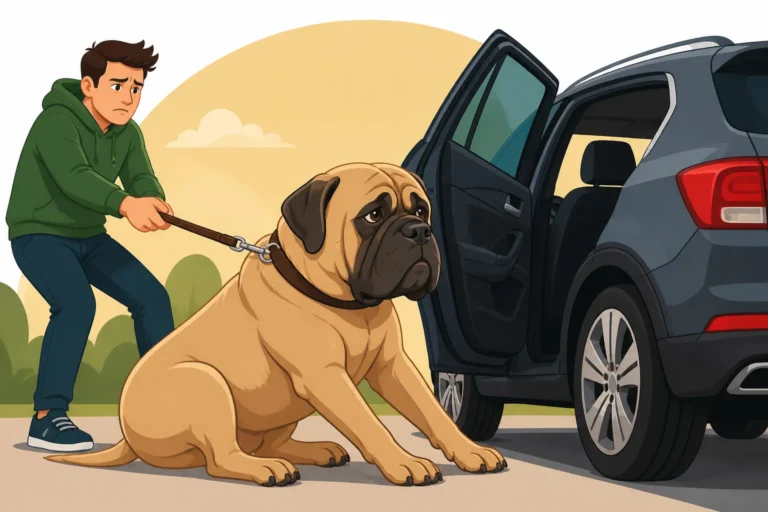
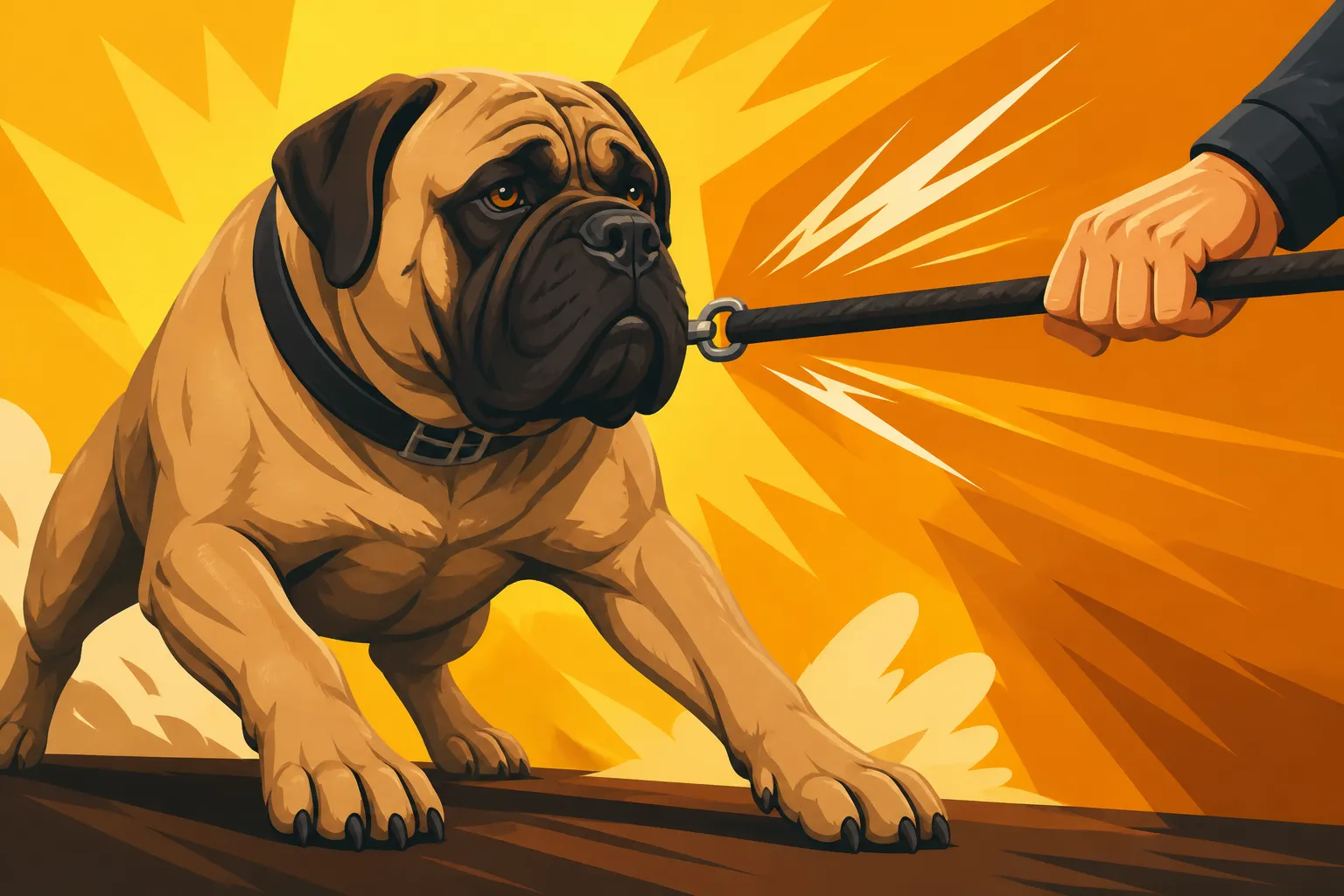
Imagine a two-hundred-pound animal, low to the ground, with a broad chest and powerful hindquarters, deciding to go somewhere you're not. The force generated is a combination of their body weight, leverage, and sheer muscle power. When a Mastiff braces its body and leans into the leash, it transforms into a four-legged anchor that can exert hundreds of pounds of pulling force. This isn't just theoretical; countless owners have experienced bruised shoulders, rope burns, or even falls, all from their Mastiff simply wanting to investigate a squirrel or greet another dog. The problem is compounded by the fact that many owners simply aren't strong enough to physically restrain such a massive dog, especially if the pull is sudden and unexpected. It's not about your strength against theirs; it's about physics and momentum. A Mastiff can build up considerable momentum quickly, making it incredibly difficult to stop once they decide to move. This is why it’s critical to understand How Much Force a Mastiff Can Apply on a Leash before you even step out the door.
Real-World Scenarios and Risks
Let's paint a picture. You're walking your magnificent Mastiff, perhaps a two-year-old male weighing in at 220 pounds, on a busy sidewalk. Suddenly, he spies a cat darting across the street. In a split second, his instinct kicks in, and he lunges. If you're not absolutely braced and ready, that sudden lunge can easily dislocate your shoulder, pull you off your feet, or send you sprawling onto the pavement. This isn't a hypothetical fear; it's a very real danger that Mastiff owners face daily. Consider an older owner or someone with a physical limitation – a pulling Mastiff can make walks impossible or incredibly dangerous. Even for a strong, young individual, a determined Mastiff can be overwhelming. The risk extends beyond just physical injury to the handler; a runaway Mastiff, even if perfectly gentle, can cause panic or accidental injury to others, leading to serious liability concerns. This is particularly relevant given the breed's imposing size, which can be intimidating to strangers even when the dog is behaving perfectly.
More Than Just Muscle: The Psychology Behind Your Mastiff's Pull
While the physical capacity for pulling is undeniable, understanding why a Mastiff pulls is just as important. It’s rarely out of malice; more often, it's a combination of natural instincts, curiosity, lack of training, and sometimes even anxiety or over-excitement.
Instinct and Curiosity in a Giant Breed
Mastiffs were originally bred for guarding and protection, tasks that didn't typically involve refined leash manners in their historical context. While modern Mastiffs are cherished companions, that underlying drive to investigate, patrol, or simply move with purpose can still be strong. They are naturally curious creatures, and the world offers a fascinating array of scents, sights, and sounds. A tempting smell from a bush, the sight of another dog, or a distant sound can trigger an urge to investigate that, to your Mastiff, overrides any polite leash protocols you might have tried to instill. They might not understand the concept of "staying by your side" when something truly captivating calls to them. It’s not that they are being deliberately disobedient; they are simply following a powerful instinct, amplified by their physical capabilities.
Lack of Early and Consistent Training
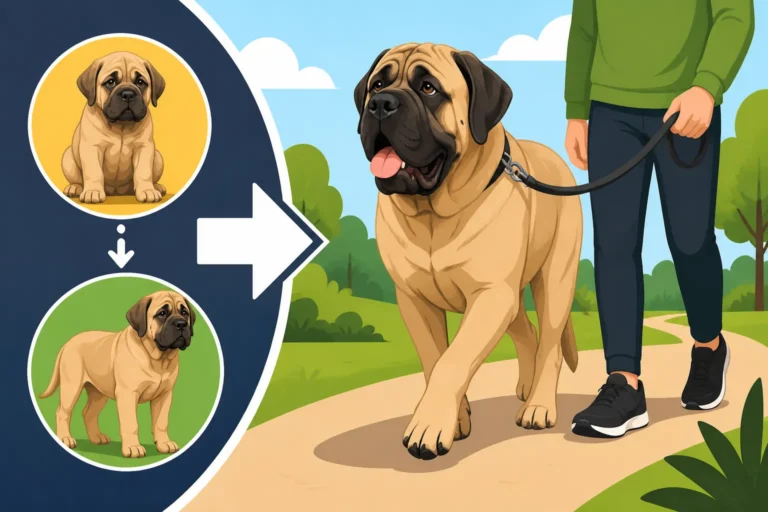
Many Mastiff puppies are so sweet and clumsy that owners don't realize the importance of leash training until the puppy has grown into a powerful adolescent. What's a cute tug at 40 pounds becomes a serious problem at 150 pounds. Consistency is paramount. If a Mastiff learns that pulling sometimes gets them where they want to go – even if it's just to the next patch of grass – they will continue to do it. Every successful pull reinforces the behavior. This is why early intervention is so crucial. Training a Mastiff puppy before it outweighs you is essential, as once they hit that adolescent growth spurt, their ability to dictate the pace of the walk becomes terrifyingly real. Sometimes, owners use harsh corrections which can backfire entirely with such a sensitive breed. Why Harsh Correction Ruins a Mastiff is a valuable read for understanding their temperament.
Over-Excitement and Anxiety
Just like people, dogs can react to external stimuli with excitement or apprehension. A Mastiff might pull simply because they are incredibly excited to be out for a walk, or to greet a friendly person or dog. This boundless enthusiasm, coupled with their size, can easily turn into uncontrollable pulling. Conversely, some Mastiffs pull out of anxiety or fear. A new environment, strange noises, or an unfamiliar person might make them want to bolt away from a perceived threat, resulting in a sudden, powerful lunge. Understanding your Mastiff's emotional state can help you anticipate and address these pulling triggers, ensuring a safer and more enjoyable experience for both of you.
Teaching a Gentle Giant: Effective Training for Leash Manners
Given a Mastiff's size and strength, relying solely on physical restraint is a losing battle. The key lies in consistent, positive reinforcement training that teaches your Mastiff to want to walk politely beside you.
Foundation Training: Start Early, Stay Consistent
The moment you bring home a Mastiff puppy, even before they get too big, start practicing leash manners in a low-distraction environment, like your living room or backyard. Use a lightweight leash and collar, and reward every moment they walk by your side without pulling. Short, frequent sessions are far more effective than long, infrequent ones. Teach them that walking nicely next to you means good things happen – treats, praise, and continued forward movement. If they pull, stop immediately. The moment the leash goes taut, you become a tree. Only when the leash slackens, even slightly, do you resume walking. This teaches them that pulling gets them nowhere, while a loose leash leads to progress. This method requires patience, especially with a dog that can be as stubborn as a Mastiff, but it's incredibly effective in the long run. Consider using an online training resource like the BAXTER & Bella family dog training program, which offers comprehensive guidance for puppies and adult dogs alike, often from the comfort of your own home.
Positive Reinforcement and Motivation
Mastiffs are generally food-motivated, which makes high-value treats your best friend in leash training. Find something your Mastiff absolutely loves – cooked chicken, cheese, or specialized training treats – and use them generously when they walk nicely. What Actually Motivates a Mastiff often boils down to a delicious reward and your enthusiastic praise. Beyond treats, toys or even a moment of calm petting can be powerful rewards. The goal is to make walking by your side the most rewarding behavior possible. Avoid punishment or harsh corrections, as these can damage your bond with your sensitive Mastiff and often lead to fear or resentment, making them more likely to pull or shut down. Remember, you're not trying to overpower them; you're trying to convince them that cooperation is beneficial.
Desensitization and Controlled Exposure
Once your Mastiff has a good grasp of loose-leash walking in a quiet area, gradually introduce them to more stimulating environments. Start with a quiet street, then a park during off-peak hours, slowly building up to busier areas. This process, known as desensitization, helps your Mastiff learn to focus on you even with distractions present. Practice the "stop and go" method consistently. If they lunge at a squirrel, stop. Wait for them to re-engage with you, then reward and continue. For particularly challenging distractions, you might need to increase the value of your treats. This slow, controlled exposure prevents them from being overwhelmed and reinforces good habits in the face of temptation. You might also want to look into Socializing a Mastiff Puppy Before It Gets Heavy for tips on early exposure.
Tools of the Trade: Equipment to Help Manage a Pulling Mastiff
While training is paramount, the right equipment can provide crucial assistance and safety, especially during the learning phase with a powerful breed like the Mastiff.
Harnesses vs. Collars: Making the Right Choice
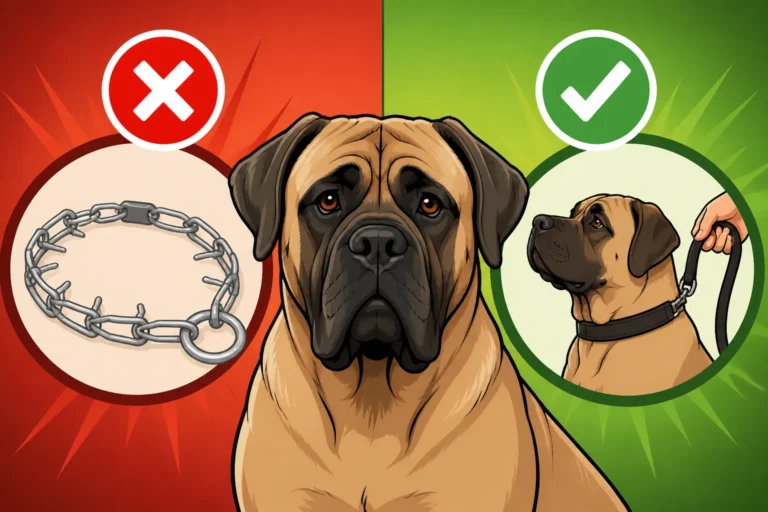
For a Mastiff, a traditional flat collar is largely ineffective for controlling pulling. Their immense neck strength means they can easily pull even with a tight collar, risking injury to their trachea or neck. Harnesses are generally a much safer and more effective option.
- Back-Clip Harnesses: These clip on the dog's back. While more comfortable than a collar, they often provide little to no control over pulling. In fact, they can sometimes encourage pulling, as they allow the dog to lean their full weight into the harness, much like a sled dog.
- Front-Clip Harnesses: These are a game-changer for many Mastiff owners. The leash attaches to a ring on the dog's chest. When the dog pulls, the harness redirects their body to the side, making it much harder for them to pull forward with force. Brands like the Easy Walk Harness or Freedom No-Pull Harness are popular and widely available on platforms like Amazon. They don't hurt the dog, but rather change the physics of the pull, giving the handler more leverage. Whether a Front Clip Harness Stops a Mastiff Pulling is a topic many Mastiff owners grapple with.
- Head Halters (Halti, Gentle Leader): These resemble a muzzle but are designed for control, not restraint. They loop around the snout and behind the ears, giving you control over the dog's head, and where the head goes, the body often follows. For a strong puller like a Mastiff, a head halter can offer excellent control with minimal physical effort. They take some getting used to for both dog and owner, but many find them invaluable. Always introduce them gradually and positively, using treats to create a positive association. Whether a Head Halter Suits a Mastiff is often a matter of individual dog preference and owner commitment to introduction.
Here's a quick comparison of common leash-walking aids for Mastiffs:
| Equipment Type | Pros | Cons | Effectiveness for Pulling Mastiffs | Notes |
|---|---|---|---|---|
| Flat Collar | Simple, inexpensive, traditional. | No control over pulling, risk of tracheal injury, escapes easily. | Very Low | Best for ID tags only, not primary walking control. |
| Back-Clip Harness | Comfortable, good for dogs that don't pull, good for attaching tags. | Can encourage pulling, offers little control, still allows full body leverage for pulling. | Low | Avoid for active pullers. |
| Front-Clip Harness | Redirects dog's forward momentum, reduces pulling force, safer for neck. | Can chafe under the armpits if not fitted correctly, dog might try to chew on front strap. | Medium to High | Excellent starting point for managing a pulling Mastiff. Many available on Amazon. |
| Head Halter | Provides excellent control with minimal force, redirects dog's head. | Requires positive introduction, some dogs dislike the feeling on their muzzle, can be mistaken for a muzzle. | High | Requires commitment to training for acceptance; ideal for strong pullers or difficult situations. |
Leash Selection and Management
Just as important as the harness or collar is the leash itself. For a Mastiff, you need a strong, durable leash. A standard 6-foot nylon or leather leash with heavy-duty hardware is usually appropriate. Avoid retractable leashes entirely, as they offer no control with a dog of this size and can lead to dangerous situations and injuries. Also, ensure your leash is comfortable for you to hold; a padded handle can prevent chafing during longer walks. Always keep a firm but relaxed grip on the leash, using your body weight to anchor yourself rather than relying on arm strength alone. Being prepared for a sudden lunge means anticipating movement and staying focused on your dog and surroundings. For older owners, or those with less physical strength, considering Whether a Mastiff Can Be Walked by One Person becomes crucial, and the right equipment combined with training makes it possible.
Ultimately, managing a Mastiff on a leash is a journey, not a destination. There will be good days and challenging days. But with patience, consistent positive reinforcement training, and the right tools, you can transform those daunting walks into enjoyable, safe experiences for both you and your magnificent companion.
Disclaimer
This article is for general informational purposes only and does not constitute professional advice. Laws, prices and regulations vary by location and change over time. Consult a qualified professional for guidance on your specific situation.