The Mastiff Puppy You Are Not Allowed to Exercise
When you welcome a Mastiff puppy into your home, it’s natural to assume that a big dog needs lots of exercise to grow strong and healthy. The truth, however, is often a huge surprise: too much exercise is one of the most damaging things you can do for a growing Mastiff. This guide will unravel the critical reasons behind this counter-intuitive advice, providing you with practical strategies to manage your giant breed puppy’s activity for a long, healthy life.
The Counter-Intuitive Truth: Less is More for Mastiff Puppies
It feels wrong, doesn't it? Looking at that big, gangly puppy, all paws and clumsy enthusiasm, you might think they need to run and play for hours to build those huge muscles. But with a Mastiff, the exact opposite is true. Their rapid, immense growth makes them incredibly vulnerable to injury from over-exertion, sometimes with lifelong consequences.
Why Rapid Growth is a Double-Edged Sword
Mastiffs are giants, and they grow at an astonishing rate. A Mastiff puppy can double or triple its weight in just a few months, and this isn't just about getting bigger; it's a complex process involving bones, joints, and soft tissues all developing at breakneck speed. Imagine a skyscraper being built; you wouldn't rush the foundations, would you? The same principle applies here. Their bones are extending, their joints are forming, and their ligaments are strengthening, but they are incredibly fragile during this period.
Every jump, every hard landing, every long walk on a leash, sends shockwaves through these vulnerable structures. A well-meaning owner, thinking they’re helping their Mastiff burn off energy, might take them for extended walks around the neighborhood, or encourage them to play intense games of fetch for long periods. What often happens is subtle lameness, a slight limp after activity, or a reluctance to move. These aren't just minor aches; they are often indicators of underlying stress on their rapidly developing skeletal system, setting the stage for problems later in life. We’re talking about puppies that can gain How Fast a Mastiff Puppy Puts On Weight in a week. That's a lot of mass for immature joints to manage.
Understanding Growth Plates and Joint Development
At the ends of a puppy's long bones are areas of cartilage called growth plates. These are essentially the factories where new bone is produced, allowing the bones to lengthen. Unlike mature bone, growth plates are soft and highly susceptible to injury. In a Mastiff, these plates remain open and vulnerable for much longer than in smaller breeds, often not fully closing until they are 18 to 24 months old, or even later.
Excessive impact or repetitive stress can damage these delicate growth plates, leading to abnormal bone growth, pain, and conditions like hip and elbow dysplasia. Hip dysplasia, where the hip joint doesn't form properly, is a well-known concern in Mastiffs. It’s a heartbreaking reality that Why a Mastiff's Hips Fail Under Its Own Weight. Similarly, elbow dysplasia, a condition affecting the elbow joint, is unfortunately common, with Why One Mastiff in Seven Fails Its Elbow Grade. While genetics play a significant role in these conditions, environmental factors, especially improper exercise during puppyhood, can drastically influence their severity and onset. Think of it like a bridge under construction – you wouldn't send heavy trucks over it until all the girders are firmly set and cured. Your Mastiff puppy's skeleton is that bridge, and heavy exercise is those trucks.
The Dangers of Over-Exercising a Giant Breed Puppy
It's tempting to think that a bit more exercise won't hurt, especially when your Mastiff puppy seems to have boundless energy. However, for a giant breed, the risks of over-exertion extend far beyond just feeling a bit stiff the next day. The damage inflicted during puppyhood can have profound and lasting implications for their comfort and mobility throughout their short lives.
Long-Term Consequences for Bones and Joints
The damage from over-exercising a Mastiff puppy isn't always immediately obvious. It's often a cumulative effect, a silent wear and tear that manifests as chronic pain and debilitating conditions years down the line. When those delicate growth plates and developing joints are repeatedly stressed, they don't always heal perfectly. This can lead to malformed joints, cartilage damage, and the early onset of osteoarthritis. Imagine your Mastiff at four or five years old, already struggling with stiffness and pain, when they should be in the prime of their life.
I've heard stories from so many owners who, looking back, regret pushing their young Mastiffs. "If only I'd known," they'll say, watching their beloved companion struggle to rise from a comfortable bed. They remember encouraging their pup to join them on long walks or letting them tear around a dog park with smaller, faster dogs. It’s a hard lesson to learn that the enthusiasm and seeming resilience of a puppy can mask deeper damage. The truth is, while your puppy might seem fine in the moment, you could be unknowingly shaving years off their comfortable mobility and potentially adding significant veterinary bills later on.
The Hidden Risks: Beyond Obvious Lameness
Beyond the clear-cut cases of hip or elbow dysplasia, there are other hidden risks that stem from over-exertion. Microtraumas, tiny injuries to tissues and bones that don't cause immediate, dramatic lameness, can accumulate over time. These small stresses can disrupt the normal development of cartilage and bone, leading to conditions like Osteochondritis Dissecans (OCD), where abnormal cartilage develops and detaches within a joint, causing pain and requiring surgery.
Another concern is the general joint instability that can arise from insufficient ligament and tendon development due to improper loading. A Mastiff’s body is already carrying immense weight, and if the supporting structures aren't allowed to develop slowly and robustly, they are predisposed to issues. Sometimes, these hidden problems show up as a subtle, The Shifting Lameness of a Growing Mastiff, where the puppy might favor one leg, then another, seemingly without reason. It's their body's way of telling you that something isn't quite right, and it almost always points back to too much strain on their developing system.
What "No Exercise" Actually Means for a Mastiff Puppy
When we say "no exercise" for a Mastiff puppy, it's not about keeping them in a bubble. It's about a very specific definition of exercise, one that prioritizes their long-term health and joint development over immediate physical exertion. It’s about being mindful of their inherent vulnerability as rapidly growing giants.
Structured vs. Unstructured Play
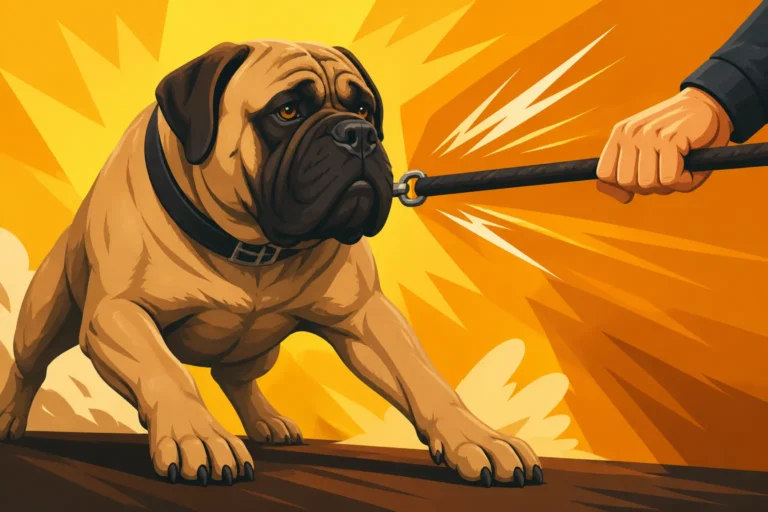
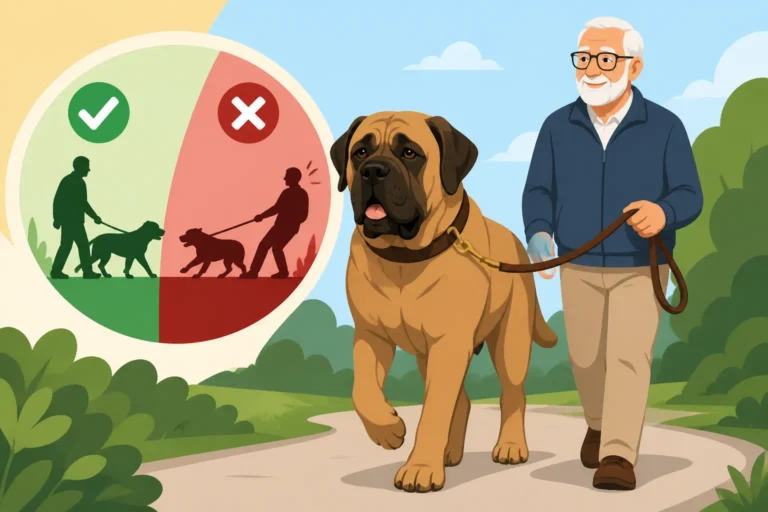
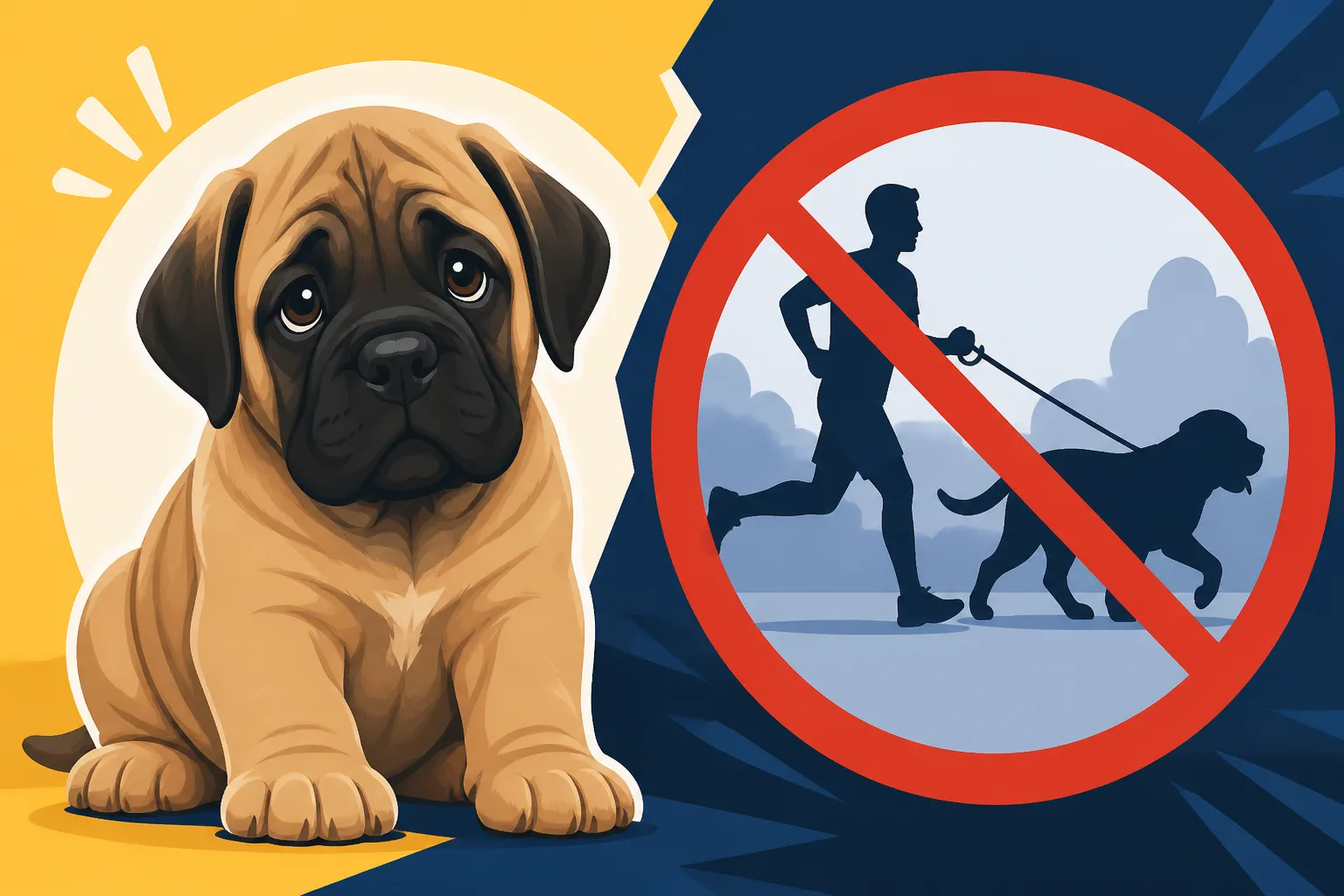
The key distinction here is between forced, structured exercise and natural, self-directed play. Forced exercise involves things like long, leashed walks around the block, jogging with you, or sustained games of fetch where you dictate the pace and duration. These activities put repetitive, high-impact stress on a puppy's immature joints and are precisely what we need to avoid. Imagine forcing a toddler to run a marathon – it sounds absurd, and for a Mastiff puppy, a long walk is almost as strenuous.
Unstructured play, on the other hand, is when your puppy engages in short bursts of activity on their own terms. This might be a few minutes of zoomies in a soft, grassy yard, a gentle wrestle with a housemate, or exploring new scents at their own leisurely pace. The crucial part is that the puppy initiates and ends the activity when they feel tired. They know their limits far better than we do. A good rule of thumb is to let them play until they stop, rather than encouraging them to keep going. If they're playing fetch, keep sessions very short, perhaps just a few throws, and always on a soft surface like grass, not pavement. When you see your puppy doing a happy dance or a clumsy play bow, that’s natural activity, and it’s okay as long as they’re in control and it's not sustained for long periods.
The Importance of Mental Stimulation Over Physical Exertion
Since intense physical exercise is largely off the table, the intelligent Mastiff puppy still needs an outlet for their energy and curiosity. This is where mental stimulation becomes your best friend. A tired mind is just as good, if not better, than a tired body, especially for a young giant. Engaging their brains helps to satisfy their drive without putting undue stress on their growing joints.
Think about introducing puzzle toys where they have to work to get a treat. These can keep them occupied and thinking for a good chunk of time. Scent games, like hiding treats around the house and encouraging them to sniff them out, are fantastic low-impact activities. Learning new tricks in short, fun sessions also works wonders. This is where resources like BAXTER & Bella shine, offering online puppy training programs that emphasize positive reinforcement and mental engagement, perfect for teaching a Mastiff pup without over-exercising them. These types of activities not only prevent boredom but also strengthen your bond and build good manners. They are also an excellent introduction to Scent Work as a Mastiff's Low Impact Sport, which can be a wonderful, lifelong activity for them.
Practical Guidelines for Mastiff Puppy Activity
Navigating the fine line of appropriate activity for a Mastiff puppy can feel daunting, but with clear guidelines, it becomes much more manageable. The goal is to provide enough mental and physical stimulation to keep them happy and healthy without ever pushing them too hard.
Age-Appropriate Activity Levels
The generally accepted "5 minutes per month of age" rule for walks applies to many breeds, but even this needs to be approached with extreme caution and moderation for a Mastiff. Their sheer size and rapid growth mean that even this guideline can be too much for consistent, structured walks.
- 8-12 Weeks Old: At this stage, your Mastiff puppy should primarily be engaging in very short, self-directed play sessions. Think a few minutes of gentle wrestling with a littermate (if you have two), or a brief wander in a secure, flat, grassy yard. Formal walks are out. Focus on socialization within the home and with carefully selected, calm, vaccinated dogs.
- 3-6 Months Old: Still very limited. Short, leisurely walks of no more than 5-10 minutes, perhaps two or three times a day, are appropriate. These aren't for distance or cardio; they're for potty breaks, exploring new smells, and leash manners. Again, prioritize soft surfaces. Controlled, gentle play with other puppies (of similar size and play style, ideally) is fine, but closely supervised and short-lived.
- 6-12 Months Old: As they approach their first birthday, you can gradually increase walk durations, but still keep them moderate – perhaps 15-20 minutes, two times a day, always gauging your puppy's energy and comfort. Avoid forced running, jumping, or sustained high-impact activities. Remember, their growth plates are likely still open.
- 12-18 Months Old: Continue with moderate, controlled exercise. By now, they might enjoy longer walks, up to 30 minutes, but avoid strenuous hikes or prolonged jogging. Observe them closely for any signs of fatigue or lameness.
- 18-24 Months Old and Beyond: Once their growth plates are fully closed (confirmed by your vet, if you have concerns), you can slowly introduce more varied activities. Even then, due to their size, high-impact activities like agility or marathon running are generally not recommended for adult Mastiffs. Their large frames are simply not built for it.
Here's a quick overview:
| Age of Mastiff Puppy | Recommended Activity Type | Max. Duration (Approx.) | Key Considerations |
|---|---|---|---|
| 8-12 Weeks | Self-directed indoor play, yard exploration | 5-10 minutes, several times daily | Soft surfaces, focus on sniffing/potty, gentle socialization. |
| 3-6 Months | Short, leisurely leash walks, gentle play | 10-15 minutes, 2-3 times daily | On soft surfaces (grass), avoid stairs, jumping, forced running. |
| 6-12 Months | Moderate leash walks, controlled play | 15-20 minutes, 2 times daily | Gradually increase as tolerated, monitor for lameness, still avoid high impact. |
| 12-18 Months | Longer, leisurely walks, supervised play | 20-30 minutes, 2 times daily | Focus on endurance not speed, consult vet for growth plate closure. |
Safe Surfaces and Environments
The surface your Mastiff puppy walks or plays on is incredibly important. Hard, unforgiving surfaces like concrete, asphalt, or tile offer no shock absorption and transmit all impact directly to their developing joints. Even short walks on pavement can be detrimental. Imagine walking barefoot on concrete all day yourself – that's what it feels like for their paws and joints.
Prioritize soft surfaces: grass, dirt paths, or heavily carpeted indoor areas. If you have hard floors like hardwood or tile throughout your home, this is a significant area of concern. What Bare Floors Do to a Growing Mastiff is to cause slipping, which can lead to splits, falls, and injuries to ligaments and soft tissues that can be just as damaging as bone trauma. Consider placing non-slip runners or rugs, easily found on Amazon, in high-traffic areas where your puppy moves.
Stairs are another major hazard. The jarring impact of going down stairs, or the strain of going up, can damage growth plates and lead to soft tissue injuries. For a Mastiff puppy, stairs are generally a no-go. Carry them up and down if possible, or block access. Why Stairs Are Worse for a Mastiff Than Any Breed is a question of pure mass and gravity working against delicate structures. Similarly, jumping on and off furniture or out of cars should be strictly avoided. Use ramps for vehicles if necessary, or carefully lift your puppy. Remember, Why a Mastiff Puppy Must Be Lifted Into a Car is not just about convenience, it’s about protecting their joints.
Managing the Energetic Mastiff Puppy Without Damage
Despite all the restrictions, your Mastiff puppy will have energy to burn. The trick is to channel that energy into safe, enriching activities that don't put their joints at risk. It requires creativity, patience, and a deep understanding of their unique needs.
Indoor Activities and Puppy-Proofing
Your home will be the primary playground for your Mastiff puppy for many months. This means puppy-proofing isn’t just about protecting your belongings; it's about creating a safe environment for their physical development. Block off access to stairs, ensure slippery floors are covered, and remove any obstacles that might encourage jumping or erratic dashing.
For indoor activities, focus on low-impact engagement. Gentle games of tug-of-war (teaching "drop it" from an early age is crucial!) can be great for mental and physical engagement, as long as it's not overly strenuous. Short games of indoor fetch with soft toys can work well, especially on carpeted areas. Hide-and-seek with treats or favorite toys encourages sniffing and exploration without high impact. Chew toys, particularly durable ones (again, Amazon has a vast selection, but choose wisely for Mastiff jaws), are invaluable for occupying their minds and satisfying their natural chewing instincts. Remember, the goal is mental fatigue, not physical exhaustion.
Controlled Outdoor Exploration
While long walks are out, short, controlled outdoor exploration is definitely in. These aren't about covering distance; they're about experiencing the world, sniffing new smells, and gentle socialization. Think of them as "sniffaris" – short, meandering strolls in your yard or a quiet, grassy area, allowing your puppy to dictate the pace.
When on a leash, let your Mastiff puppy stop and sniff to their heart's content. The mental stimulation from all those new scents is incredibly tiring and fulfilling for them. Choose a quiet time of day, avoid crowded parks, and always ensure the surface is soft and even. A securely fenced, flat yard is a fantastic asset, allowing them some freedom to potter around and engage in brief, self-initiated play, but always under supervision. Prevent them from digging holes they might trip in or encouraging rough play with other dogs that could lead to injury. Remember, The Walk Length That Damages a Mastiff Puppy is far shorter than you might expect. Quality over quantity is the mantra here.
Nutrition's Role in Healthy Growth
It might seem strange to talk about food when discussing exercise, but for a growing Mastiff, nutrition is inextricably linked to proper skeletal development. What and how you feed your Mastiff puppy plays a critical role in preventing the very joint issues we're trying to avoid with limited exercise.
Why Controlled Growth is Key
Many people believe that the more you feed a puppy, the bigger and stronger it will become. With giant breeds like the Mastiff, this couldn't be further from the truth. Overfeeding, especially with diets high in certain nutrients, can actually accelerate growth, causing bones to grow too quickly without the corresponding support structures developing at the same pace. This "too fast, too soon" growth puts immense strain on immature joints, making them more susceptible to developmental orthopedic diseases.
The goal for a Mastiff puppy is slow and steady growth, not maximum size achieved rapidly. You want them to reach their genetic potential, but in a way that allows their skeletal system to mature properly and robustly. This means avoiding free-feeding (leaving food out all day) and carefully portioning their meals according to their ideal growth curve, not just their appetite. Whether a Mastiff Puppy Grows Too Fast on Rich Food is a very real concern, and it can contribute significantly to their predisposition to joint problems.
Understanding Puppy Food Formulas for Giant Breeds
Not all puppy foods are created equal, especially when it comes to giant breeds. Standard puppy formulas, designed for smaller or medium-sized dogs, often contain higher levels of protein, calcium, and phosphorus to support rapid growth. While this is fine for a Labrador, it can be detrimental to a Mastiff.
Giant breed puppy formulas are specifically formulated with lower protein, calcium, and phosphorus levels, and a carefully balanced calcium-to-phosphorus ratio. This helps to ensure a slower, more controlled growth rate. For instance, The Protein and Calcium Ceiling for a Mastiff Puppy is something a responsible giant breed puppy food manufacturer will adhere to. These specific nutritional profiles help prevent bone and cartilage abnormalities. Always choose a kibble specifically labeled for "large breed puppies" or "giant breed puppies" and consult your breeder and veterinarian for specific recommendations. Feeding multiple small meals throughout the day (three to four) instead of one or two large ones can also aid digestion and prevent bloat, another concern for deep-chested breeds.
When to Seek Professional Advice
Despite your best efforts, sometimes issues arise. Knowing when to consult your veterinarian or communicate with your breeder is crucial for the well-being of your Mastiff puppy. Early intervention can make a significant difference in managing or resolving potential problems.
Recognizing Signs of Over-Exertion or Injury
Your Mastiff puppy might not always cry out in pain, especially if they are stoic. However, they will often give you subtle clues that something is amiss. Pay close attention to any changes in their gait or demeanor. Signs of over-exertion or injury can include:
- Lameness or Limping: Even a slight, intermittent limp, especially after activity, is a red flag. It might be more noticeable after they've rested and then stand up again.
- Reluctance to Move: If your puppy seems hesitant to jump, climb, or even get up and down, this could indicate pain or discomfort. They might prefer lying down more than usual.
- Stiffness or Awkward Gait: They might seem stiff in their movements, or walk with an unusual, uncoordinated gait.
- Swelling or Warmth: Any swelling around their joints, or if a particular area feels warm to the touch, warrants immediate attention.
- Changes in Appetite or Mood: While less direct, a puppy in pain might also show a decrease in appetite or become unusually withdrawn or irritable.
A real-life scenario might be your puppy enthusiastically playing for a few minutes, then appearing fine, only for you to notice them favoring a leg slightly the next morning. Don't dismiss it as just a "growing pain." For a Mastiff, these small signs can be precursors to much larger problems. When in doubt, always err on the side of caution and contact your vet.
Consulting Your Veterinarian and Breeder
Your veterinarian is your primary partner in ensuring your Mastiff puppy's healthy development. Regular check-ups are essential, and don't hesitate to schedule an appointment if you notice any of the signs mentioned above. Be prepared to discuss your puppy's diet, exercise routine, and any concerns you have. Your vet can perform physical examinations, and if needed, recommend X-rays to check the status of growth plates and joint health. This is particularly important around the age when Mastiffs are often evaluated for joint health certifications, such as The Age a Mastiff Is Certified by OFA.
Equally important is maintaining open communication with a responsible breeder. A good breeder will have a deep understanding of Mastiff health and growth, including common orthopedic issues, and will be a valuable resource for advice and guidance. They should be transparent about the health history of the puppy's parents and eager to help you navigate your puppy's early months. They can often provide insights that come from years of experience with the breed. Don't be shy about reaching out to them with questions or concerns; they care deeply about the puppies they've brought into the world.
Disclaimer
This article is for general informational purposes only and does not constitute professional advice. Laws, prices and regulations vary by location and change over time. Consult a qualified professional for guidance on your specific situation.