What Cherry Eye Surgery Costs on a Mastiff
Seeing your magnificent Mastiff suddenly develop a bright red, swollen mass in the corner of their eye can be incredibly alarming. It’s often referred to as "cherry eye," and beyond the shocking appearance, it causes discomfort and raises immediate concerns about your beloved companion's well-being and, let's be honest, the potential veterinary bills that come with a dog of this size. This guide will walk you through what cherry eye is, why Mastiffs are particularly prone to it, the critical importance of treatment, and a realistic breakdown of what you can expect when it comes to the cost of surgery.
What Exactly Is Cherry Eye in a Mastiff and Why Does It Happen?
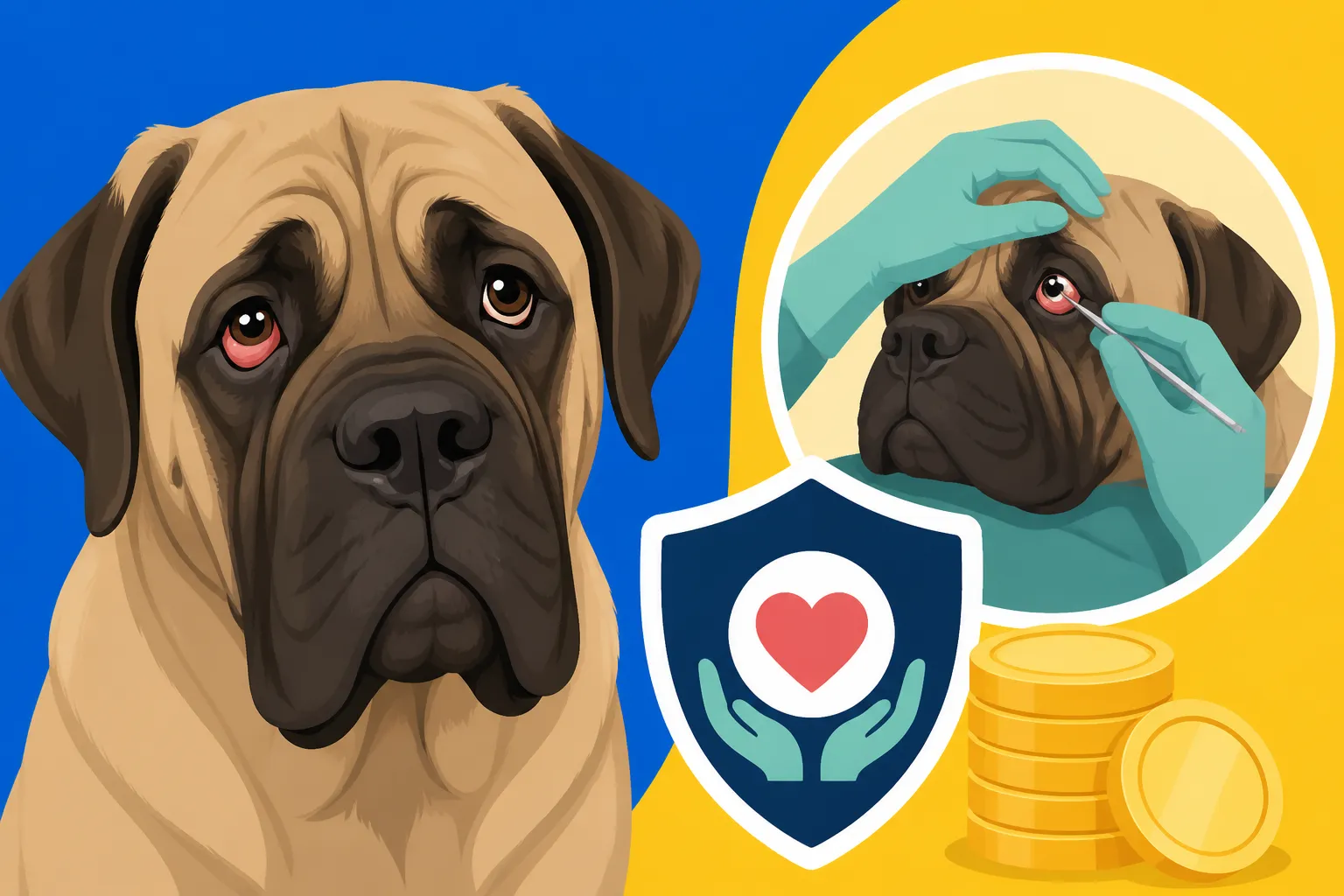
Cherry eye is one of those conditions that looks far worse than it usually is, but still requires prompt attention. It refers to the prolapse of the nictitating membrane gland, commonly known as the third eyelid gland. Every dog has a third eyelid tucked away in the inner corner of their eye, and this eyelid contains a gland responsible for producing a significant portion of the eye's tear film. When this gland pops out of its normal position, it appears as a red, cherry-like mass.
The Anatomy Behind the Issue
To understand cherry eye, imagine your dog's eye has three "lids." There's the upper eyelid, the lower eyelid, and then a third eyelid that sweeps across the eye from the inner corner, providing additional protection and secreting tears. The gland within this third eyelid is normally anchored by connective tissue. For reasons that aren't fully understood, this connective tissue can weaken or become stretched, allowing the gland to flip out and become visible. When exposed to air, it can swell, become inflamed, and indeed, look like a small red cherry. This exposure also means the gland can't function properly, potentially leading to dryness and irritation.
Why Mastiffs Are Predisposed to Cherry Eye
While any dog can develop cherry eye, certain breeds, including our magnificent Mastiffs, are genetically predisposed. It's often seen in younger dogs, usually under two years old, but it can occur at any age. The exact mechanism of inheritance isn't always clear, but the loose facial skin and overall conformation typical of many Mastiffs can play a role. Some theories suggest that weaker connective tissue in the third eyelid, inherited through breeding lines, makes them more susceptible. It's a frustrating genetic quirk that can catch even the most diligent owner off guard, despite all the careful health testing breeders undertake for other conditions. You might have cleared all the major genetic panels, only to be faced with this visually prominent issue. For more on canine eye health, you might find our article Eye and Eyelid Disease in a Mastiff helpful.
Recognizing the Signs
The most obvious sign of cherry eye is the sudden appearance of a small, round, red mass in the inner corner of your Mastiff's eye. It might look like a tiny, irritated berry. This mass will typically be soft and fleshy. Beyond the visual, your Mastiff might exhibit other signs of discomfort. You might notice them rubbing at their eye with a paw or against furniture, blinking excessively, or having increased tear production as the eye tries to compensate for the exposed gland. The whites of their eye might also appear red and inflamed. Sometimes, the gland might pop in and out initially, but eventually, it usually stays prolapsed. If left untreated, the exposed gland can become very dry, further irritated, and susceptible to infection.
The Critical Need for Timely Treatment and Surgical Options
While not immediately life-threatening, cherry eye is not a condition you should ignore or hope will resolve on its own. The longer the gland is exposed, the more damage can occur, potentially leading to more serious, long-term problems for your Mastiff's vision and comfort.
The Risks of Delaying Cherry Eye Repair
When the third eyelid gland is prolapsed, it's no longer protected within its normal pocket. This constant exposure to air, dust, and potential trauma leads to inflammation and can impair its tear-producing function. Over time, the gland itself can become permanently damaged, leading to a chronic condition called Keratoconjunctivitis Sicca (KCS), or "dry eye." Dry eye is a serious and painful condition that requires lifelong medication and can lead to corneal ulcers, scarring, and even blindness if not managed aggressively. Given that Mastiffs already have a relatively short lifespan, adding a chronic, painful eye condition is something every owner wants to avoid. Six to Ten Years Is What a Mastiff Gets, and we want those years to be as comfortable as possible.
Surgical Techniques for Mastiffs
The primary treatment for cherry eye is surgical repositioning of the gland. It's important to understand that simply cutting out the gland is generally not recommended, as it removes a vital source of tear production and almost guarantees the development of dry eye. The goal is always to save the gland.
There are a couple of main surgical techniques:
- The Tack Down (Pocket) Technique: This is the most common and involves creating a small pocket of tissue over the gland and suturing it in place so it's tucked back into its proper position. This method aims to restore the gland's anatomical location and function.
- Imbrication Technique: This involves removing a small piece of tissue around the base of the gland and then suturing the remaining edges together, which shortens the attachment and pulls the gland back into place.
Your veterinary ophthalmologist will discuss which method is best for your Mastiff's specific situation. The procedure is usually straightforward, but like any surgery, it carries risks and requires meticulous post-operative care. Our article Whether a Mastiff's Cherry Eye Should Be Tucked delves deeper into these options.
Preparing a Giant Breed for Anesthesia and Surgery
Preparing a Mastiff for any surgery, including cherry eye repair, requires careful consideration due to their immense size and unique physiological characteristics. Anesthesia is always a concern with giant breeds. A Mastiff's large body mass means they require precise anesthetic dosing, which can be challenging. Their slower metabolism can also affect how they process and recover from anesthetic drugs.
Before surgery, your vet will perform thorough pre-anesthetic bloodwork to assess organ function and ensure your Mastiff is a good candidate for anesthesia. They'll also perform a physical exam and potentially an ECG to check heart health. It's common practice to use intravenous fluids throughout the procedure to maintain hydration and blood pressure. The surgical team will carefully monitor your Mastiff's vital signs, including heart rate, respiration, blood pressure, and oxygen saturation, throughout the entire process. This vigilant monitoring is crucial. We’ve explored some of these challenges in Why Anesthesia Is Riskier in a Mastiff and How Much Anesthetic a Two Hundred Pound Mastiff Takes, as well as Whether a Mastiff Needs Pre Anesthetic Bloodwork.
Deconstructing the Cost: What Goes Into a Mastiff's Cherry Eye Surgery Bill
When you receive the estimate for cherry eye surgery on your Mastiff, you might be surprised by the total. It’s not just a single fee for the "fix." There are many components that contribute to the overall expense, and each is magnified when dealing with a dog of a Mastiff's stature.
Pre-Surgical Consultations and Diagnostic Tests
Before any surgery can take place, there's a diagnostic phase. This typically involves:
- Initial Veterinary Exam: Your regular vet will diagnose the cherry eye and discuss treatment options. This visit has a standard consultation fee.
- Specialist Consultation: For cherry eye, especially with a Mastiff, your vet might recommend seeing a board-certified veterinary ophthalmologist. Their initial consultation fees are often higher than a general practitioner's.
- Pre-Anesthetic Bloodwork: As mentioned, this is non-negotiable for a giant breed. These tests ensure your Mastiff is healthy enough for anesthesia and helps the vet tailor the anesthetic protocol. The cost is significantly higher for a Mastiff compared to a smaller dog due to the volume of reagents and the time involved.
- Other Diagnostics: Depending on the vet's assessment, other tests might be required, such as a Schirmer tear test to check for existing dry eye, or blood pressure monitoring.
These initial steps are crucial for safety and successful outcomes, but they add to the upfront cost before the actual surgery even begins.
The Surgical Procedure Itself: Surgeon's Fees and Facility Costs
This is where the bulk of the expense often lies. The surgical fee covers the time and expertise of the veterinary surgeon. If you’re seeing a specialist, their fees will naturally be at the higher end. The facility costs encompass the use of the operating room, surgical equipment, sterile drapes, sutures, and other disposable materials.
For a Mastiff, the sheer scale of everything can impact cost:
- Time and Resources: Positioning and handling a 200+ pound dog safely on an operating table, maintaining sterility over a larger area, and ensuring adequate warmth during surgery requires more time and resources from the veterinary staff.
- Specialized Equipment: While not always required specifically for cherry eye, if your Mastiff needs larger monitoring equipment or special lifting tables, these contribute to the overhead.
- Staff-to-Patient Ratio: A giant breed often requires more veterinary technicians present during the procedure and recovery for safe handling and monitoring, increasing labor costs.
These factors can mean the base surgical fee is substantially higher than for a small dog.
Anesthesia and Monitoring: A Major Factor for Your Big Dog
The cost of anesthesia for a Mastiff is a significant component of the overall bill. This isn't just about the drugs themselves; it's about the precision, the amount, and the constant vigilance required.
- Anesthetic Drugs: Giant breeds require larger volumes of anesthetic agents, which are dispensed by weight. The more your Mastiff weighs, the more medication is needed, and these drugs are not inexpensive.
- Monitoring Equipment and Staff: Continuous monitoring by a dedicated veterinary technician is essential. This includes tracking heart rate, respiratory rate, blood pressure, oxygen saturation, and temperature. Specialized equipment to do this safely on a Mastiff may be used. The longer the surgery, the longer the monitoring, and thus, the higher the cost.
- Pain Management: Pre-emptive and post-operative pain relief protocols are comprehensive for Mastiffs to ensure comfort and aid recovery, and these medications are also dosed by weight.
You’re essentially paying for the immense care and precision required to safely sedate and awaken such a large animal, mitigating the inherent risks that come with their size.
Post-Operative Medications and Follow-Up Care
The care doesn't stop when your Mastiff wakes up from surgery. The recovery period is crucial for preventing complications and ensuring the repair holds.
- Medications: Your Mastiff will likely go home with a regimen of anti-inflammatory medications, pain relievers, and eye drops or ointments. These are vital for reducing swelling, managing pain, and preventing infection. Again, the quantity needed for a Mastiff means these costs add up faster than for a Chihuahua. You might also need an Elizabethan collar (the dreaded "cone of shame") to prevent your Mastiff from rubbing or scratching at the surgical site, and finding one large enough for a Mastiff's head can sometimes be an adventure. Chewy or other large pet supply retailers are usually reliable sources for these specialty items.
- Follow-Up Visits: Expect at least one or two follow-up appointments to check the surgical site, remove sutures (if non-dissolvable), and monitor healing. These visits incur consultation fees.
Understanding Potential Complications and Re-Operation Costs
While cherry eye surgery is often successful, there's always a possibility of complications or recurrence. This is a risk you need to be aware of, as it can significantly increase your overall expenses.
- Infection: Despite sterile techniques, any surgical site can become infected. This would require additional veterinary visits, antibiotics, and potentially other treatments.
- Recurrence: Sometimes, even with the best surgical technique, the gland can prolapse again, either in the same eye or the other eye. If this happens, a second surgery would be necessary, leading to a repeat of all the costs outlined above. While less common, some Mastiffs can even develop cherry eye in the second eye weeks or months after the first is repaired.
- Dry Eye Development: If the gland was severely damaged before surgery or if the surgery wasn't fully successful in restoring function, your Mastiff could still develop dry eye, necessitating lifelong medication.
It's wise to budget for potential additional costs, even if the initial surgery goes smoothly.
Here's a simplified table illustrating the various cost components:
| Cost Category | Typical Components | Impact for a Mastiff |
|---|---|---|
| Pre-Surgical Diagnostics | Initial exam, specialist consultation, bloodwork, tear tests, blood pressure | Higher fees for specialists; increased cost for larger blood sample analysis and longer observation. |
| Surgical Procedure | Surgeon's fee, operating room use, surgical supplies | Higher base fees due to size; more resources/time for handling and positioning a giant dog. |
| Anesthesia & Monitoring | Anesthetic drugs, sedatives, monitoring equipment, dedicated staff | Significantly higher due to drug volume by weight; extended, precise monitoring required for safety. |
| Post-Operative Care | Pain medication, anti-inflammatories, eye drops/ointments, Elizabethan collar, follow-up exams | Larger quantities of medication; specialty sizing for E-collar; follow-up visit fees. |
| Potential Complications | Additional vet visits, antibiotics, re-operation fees | Repeat of all primary costs if recurrence; prolonged medication if dry eye develops. |
Navigating the Financial Landscape of Mastiff Veterinary Care
The cost of cherry eye surgery, like many veterinary procedures for a Mastiff, can be substantial. It's a stark reminder that owning a giant breed comes with unique financial responsibilities. Planning for these eventualities is a smart move for any Mastiff owner.
The Role of Pet Insurance in Managing Costs
Pet insurance can be an absolute lifesaver when facing unexpected veterinary bills like cherry eye surgery. Many pet insurance providers, like Healthy Paws, offer plans that cover accidents and illnesses. If you have a policy in place before your Mastiff develops cherry eye, the surgery would typically be covered, minus your deductible and co-insurance. This can turn a potentially crippling bill into a manageable out-of-pocket expense.
However, it's crucial to understand that pet insurance generally does not cover pre-existing conditions. If your Mastiff already has cherry eye (or has been diagnosed with it) before you enroll or during the waiting period, the surgery for that eye might not be covered. This highlights the importance of getting pet insurance early in your Mastiff's life, ideally when they are a puppy and healthy. Make sure to read the policy details carefully to understand what is covered, deductibles, reimbursement percentages, and any exclusions. For general insight, you can read more about insurance in Whether Pet Insurance Covers a Mastiff's Elbows, which touches on similar principles.
Exploring Payment Options and Financial Assistance
If pet insurance isn't an option or doesn't cover the full cost, don't despair. Many veterinary clinics understand the financial burden of large-breed care and offer various options:
- Payment Plans: Some clinics offer in-house payment plans, allowing you to pay the bill in installments.
- Veterinary Financing: Services like CareCredit or ScratchPay provide credit lines specifically for veterinary expenses, often with low or no-interest promotional periods.
- Emergency Funds/Savings: This is always the best proactive approach. Setting aside a dedicated emergency fund for your Mastiff's health can provide peace of mind.
- Non-Profit Organizations: In some areas, there are veterinary aid organizations or breed-specific rescues that may offer financial assistance for certain medical conditions.
- Discussing Options with Your Vet: Always be open and honest with your veterinarian about your financial constraints. They may be able to suggest alternative approaches, provide generic medications, or recommend a payment plan.
Remember, your vet wants to help your Mastiff, so clear communication about your budget is key.
Long-Term Management and Prevention of Recurrence
Even after successful surgery, vigilant care is still needed. Continue with any prescribed eye drops or medications as directed by your vet. Regularly check your Mastiff's eyes for any signs of irritation or a repeat prolapse. Catching a recurrence early can often lead to a simpler, less expensive intervention.
Maintaining your Mastiff's overall health also plays a role. A balanced diet, such as those offered by companies like Ollie, can support overall well-being, though it won't prevent cherry eye. Regular check-ups with your vet can catch other potential issues. If your Mastiff has had cherry eye in one eye, there's always a chance the other eye could develop it too, so stay observant. While we can't always prevent these things, being prepared, both medically and financially, makes all the difference for our gentle giants.
Disclaimer
This article is for general informational purposes only and does not constitute professional advice. Laws, prices and regulations vary by location and change over time. Consult a qualified professional for guidance on your specific situation.