Whether a Mastiff Fits on a Standard X Ray Plate
One of the many unique challenges of living with a Mastiff is navigating their sheer, magnificent size, and nowhere does this become more apparent than when you need to take them to the vet for something routine, like an X-ray. You might find yourself wondering if your colossal companion can even fit on the table, let alone the actual imaging plate. This guide will delve deep into the practicalities and solutions veterinarians employ when a dog as enormous as a Mastiff needs diagnostic imaging, helping you understand what to expect and how to best prepare.
The Anatomy of an X-Ray Plate and Why Size Matters for Mastiffs
When your Mastiff needs an X-ray, the image is captured on what's called an X-ray plate or detector. These aren't one-size-fits-all, but there are definitely standard dimensions that most veterinary clinics keep on hand. For a medium-sized dog, like a Labrador or a German Shepherd, these plates usually do the trick just fine. But when you're dealing with a Mastiff, a breed where even a lean female can easily weigh over 150 pounds and a male can top 200, you quickly run into issues.
Standard Plate Dimensions and Limitations
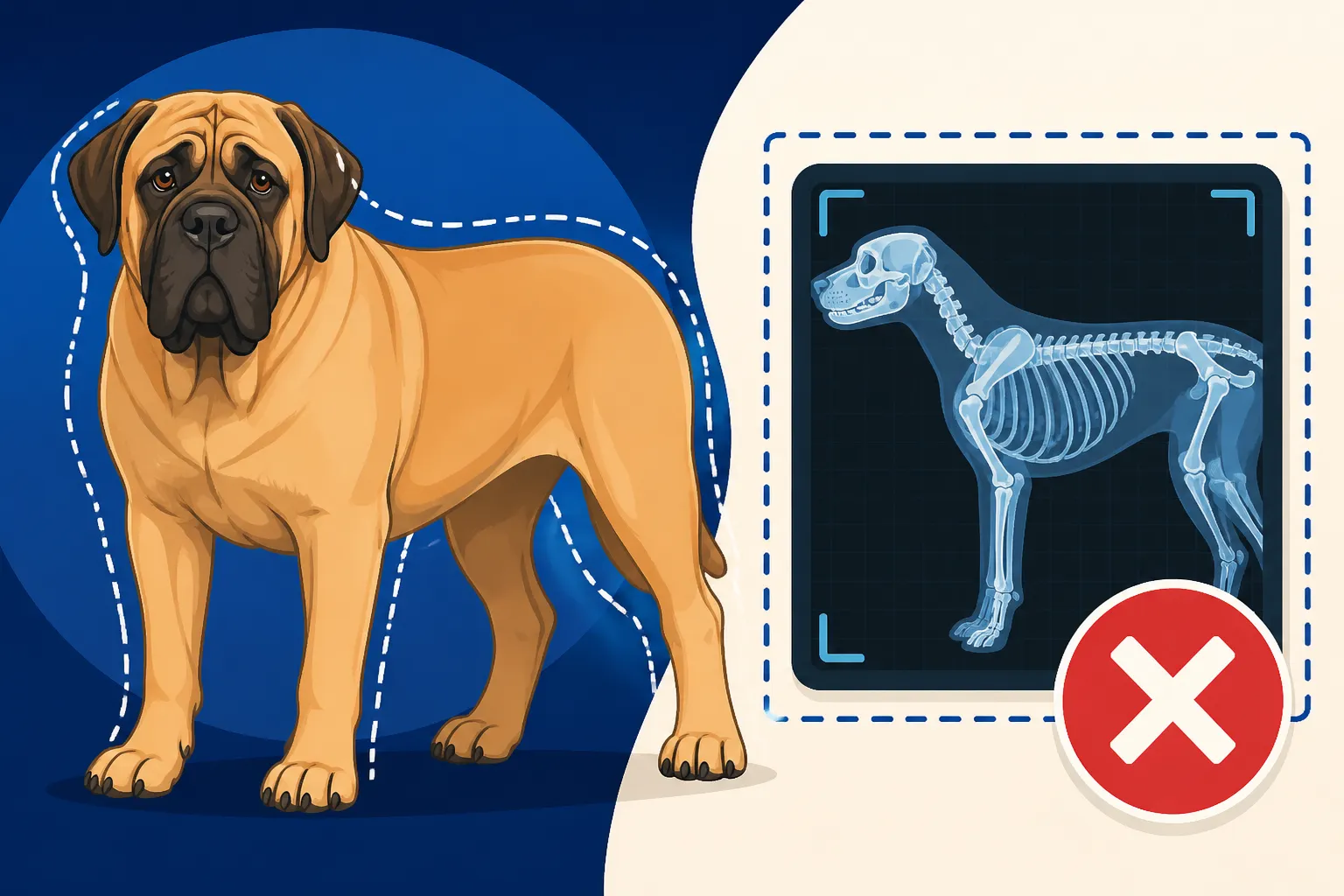
Most veterinary practices are equipped with X-ray plates that measure roughly 14×17 inches or smaller. While these are perfectly adequate for examining the chest of a beagle or a single limb on a golden retriever, they simply don't encompass a Mastiff's anatomy in one go. Imagine trying to photograph a full-grown horse with a camera designed for a pony – you'd only get a fraction of the picture. For a Mastiff, this means that an entire femur, or the width of their immense chest, often extends beyond the edges of a standard plate. It’s a common frustration for owners, seeing their gentle giant awkwardly positioned, only half of the area of concern visible on a single image.
This limitation isn isn't just an inconvenience; it can impact the diagnostic quality. If a veterinarian needs to assess a large joint like a hip or a stifle (knee), they need to see the entire structure, including the surrounding bones and soft tissues, for a complete picture. A standard plate might only capture the joint itself, or worse, cut off crucial parts of the bone, making it difficult to fully evaluate for conditions like Elbow Dysplasia Affects One Mastiff in Seven or subtle fractures. It leaves a crucial gap in information, forcing the veterinary team to get creative, which takes more time and sometimes more exposures.
The Challenge of Positioning a Giant
Beyond the plate size itself, there's the monumental task of physically positioning a Mastiff for an X-ray. Unlike smaller dogs that can be easily manipulated onto their side, back, or stomach, a Mastiff’s sheer weight and bulk make this a multi-person job, even for simple views. If your Mastiff is in pain, perhaps from something like Arthritis in a Mastiff at Four or a suspected injury, the challenge escalates dramatically. Trying to hold a distressed 200-pound dog in an uncomfortable, precise position for several seconds without movement is not only incredibly difficult but can also be stressful and potentially dangerous for both the dog and the veterinary staff.
Accurate positioning is paramount for clear, diagnostic images. Even a slight shift can blur the image, requiring a re-take, which means more radiation exposure for your dog and more time spent. This isn't just about their willingness to cooperate; it's about physics and mechanics. Their massive frame needs careful support and often specialized aids to keep them still and correctly aligned. What might be a quick, conscious X-ray for a smaller breed often necessitates sedation or even general anesthesia for a Mastiff, adding another layer of complexity and cost. How Much Anesthetic a Two Hundred Pound Mastiff Takes is a very real concern for owners.
How Veterinarians Adapt X-Ray Techniques for Mastiffs
Veterinary medicine has certainly evolved, and clinics that regularly see giant breeds have developed ingenious ways to work around the size limitations. It’s all about getting a full picture, even if it’s not taken in one literal shot.
Stitching Multiple Images
The most common technique for large areas on a Mastiff is to take multiple X-ray images and then digitally "stitch" them together. Imagine a panoramic photo on your phone; that's essentially what happens. For instance, to get a full view of a Mastiff's spine, a veterinarian might take two or three overlapping images of the vertebral column. Similarly, an entire leg might require several images to capture the hip, femur, stifle, tibia, fibula, and paw in detail. Modern digital radiography systems make this process relatively seamless, as the images can be quickly reviewed and combined on a computer screen.
This method allows for a comprehensive assessment, preventing critical areas from being missed simply because of size constraints. However, it does come with its own set of considerations. Taking more images means more radiation exposure for your dog, though veterinary teams are always careful to minimize this. It also significantly increases the time spent in the X-ray suite, which, as we discussed, often necessitates sedation for a Mastiff. And, of course, each additional image contributes to the overall cost of the procedure. While effective, it's a testament to the fact that standard equipment simply wasn't designed with a dog the size of a Mastiff in mind.
Specialized Equipment and Referral Hospitals
While digital stitching is a fantastic workaround, some veterinary facilities, particularly larger specialty or referral hospitals, are equipped with radiography tables and detectors specifically designed for giant breeds. These might feature larger X-ray plates, or, more commonly, have a larger imaging sensor area within their digital systems, reducing the need for multiple exposures. Some also have advanced C-arm fluoroscopy units, which allow for real-time X-ray imaging, invaluable for dynamic assessments or complex orthopedic procedures.
A general practice veterinarian might not have this kind of specialized equipment. If your Mastiff needs extensive imaging for a complex orthopedic issue or a full skeletal survey, your regular vet might recommend a referral. This is not a sign of incompetence, but rather a responsible decision to ensure your dog receives the highest level of care with the most appropriate tools. Referral hospitals often have stronger tables, larger gurneys for moving sedated giants, and staff experienced in handling huge dogs, sometimes even dedicated internal medicine or orthopedic specialists on staff. Whether a Mastiff Needs a Referral Hospital for Surgery highlights how these specialized facilities cater to the unique needs of giant breeds.
Practical Considerations and What Owners Can Expect
Getting X-rays for your Mastiff isn't always as straightforward as it might be for a smaller dog. There are several practicalities that you, as the owner, need to be aware of to ensure the process goes as smoothly and safely as possible for your beloved pet.
Sedation and Handling
For most Mastiffs, especially if multiple views are required or the area being X-rayed is painful, sedation is almost always necessary for accurate imaging. A Mastiff’s natural inclination to lean on people, combined with their sheer mass, means that even a perfectly cooperative dog can subtly shift, causing blurry images. Trying to force a large, awake dog into uncomfortable positions can lead to stress, fear, and even aggression, which is the last thing anyone wants. Sedation allows the veterinary team to position your Mastiff precisely and safely, ensuring high-quality, diagnostic images on the first try.
This means a longer appointment time, as the sedative needs to take effect and then wear off under supervision. It also means additional costs for the drugs themselves and the monitoring required. Some Mastiffs may even need light anesthesia, particularly for more invasive positioning or if they are extremely anxious or painful. This entire process highlights why knowing about Why Anesthesia Is Riskier in a Mastiff is so crucial, as it involves careful consideration of the dog's overall health before administering any sedatives. You’ll need to ensure your dog has an empty stomach before the appointment, and plan for a quiet recovery period at home.
Cost Implications and Insurance
Given the need for multiple images, longer appointments, potentially specialized equipment, and almost certainly sedation, the cost of X-rays for a Mastiff can be significantly higher than for a smaller dog. Each X-ray "shot" typically has a charge, so when a vet performs three or four images to cover an area that might take one on a Chihuahua, the bill adds up quickly. Add in the cost of sedation, monitoring, and potentially a referral fee if you visit a specialty hospital, and you’re looking at a substantial expense. It's a vivid example of What a Mastiff's Weight Does to Every Line on the Vet Invoice.
This is where having a robust pet insurance policy can be a real game-changer. Companies like Healthy Paws often cover diagnostic imaging like X-rays, helping to ease the financial burden of these necessary procedures. While specific coverage varies, a good policy can mean the difference between getting the best possible care for your Mastiff without hesitation and having to make difficult financial choices. Even without insurance, budgeting for routine and emergency vet care is paramount for Mastiff owners, perhaps by finding savings on everyday essentials from retailers like Chewy or exploring cost-effective, high-quality food options from services like Ollie to free up funds for unexpected medical bills. It’s part of the comprehensive financial planning that goes into responsible Mastiff ownership.
Communicating with Your Vet and Preparing Your Mastiff
Being prepared and proactive can make a significant difference when your Mastiff needs X-rays. Clear communication with your veterinary team is key, as is understanding what you can do to help your dog through the process.
Pre-Appointment Discussions
Before you even arrive at the clinic, pick up the phone and have a frank discussion with your veterinarian or their staff. Explain that you have a Mastiff and ask about their facility's capabilities for large breed radiography. Inquire about their standard plate sizes, their experience with X-raying dogs of your Mastiff's scale, and whether they typically sedate giant breeds for these procedures. This conversation isn’t just about the plate; it’s about their whole approach. Ask if they anticipate needing multiple images for a specific area, and get an estimate for the full procedure, including sedation and any necessary follow-up.
This foresight can prevent unpleasant surprises and ensures that the clinic is prepared for your dog's arrival. If your vet recommends a referral to a specialty center, understand why and ask for a clear explanation of what that facility offers that their clinic does not. This also provides an opportunity to confirm logistical details, like How a Clinic Moves a Collapsed Mastiff if sedation is involved, and whether they have the proper equipment to safely transport and handle your huge dog throughout the visit.
Preparing Your Mastiff
While you can’t make your Mastiff shrink to fit a standard X-ray plate, you can help make the entire experience less stressful for them. If your dog is generally anxious at the vet, discuss pre-visit calming medications with your vet. For puppies, early and positive exposure to vet visits, even just for pleasant greetings and treats, can build a foundation of trust. Practicing basic obedience commands, especially "stay" and "down," can be helpful, although for an X-ray, even the most obedient Mastiff will likely still need chemical assistance to remain perfectly still. Teaching a Mastiff Before It Outweighs You is critical for this.
On the day of the appointment, ensure your Mastiff hasn't eaten for at least 8-12 hours if sedation is anticipated, as this significantly reduces the risk of vomiting and aspiration. Bring their favorite blanket or toy to offer some comfort, and have a leash and harness that allows for safe and secure handling. While they might be a big dog, their emotional needs are just as valid as any other pet. A calm, prepared owner can go a long way in helping a Mastiff feel more secure during what can be an intimidating veterinary visit.
| Aspect | Standard X-Ray Approach (Smaller Dogs) | Mastiff X-Ray Approach (Often Required) |
|---|---|---|
| Plate/Sensor Size | Often sufficient for entire area | Too small for many body parts |
| Number of Images | Typically 1-2 per area | Multiple (3+) per large area |
| Positioning | Can often be done with minimal help | Requires multiple staff and aids |
| Sedation | Often optional, especially for limbs | Frequently necessary for accuracy/safety |
| Equipment | Standard veterinary X-ray machines | May require advanced digital systems or larger tables |
| Time per Study | Shorter, simpler process | Longer, more complex process |
| Cost | Generally lower due to fewer images | Higher due to more images, sedation, staff time |
| Referral Potential | Less common for routine X-rays | More likely for complex or extensive imaging |
Disclaimer
This article is for general informational purposes only and does not constitute professional advice. Laws, prices and regulations vary by location and change over time. Consult a qualified professional for guidance on your specific situation.