What a Proven Mastiff Stud Commands
For anyone contemplating bringing a Mastiff into the world, whether as a hopeful owner or an aspiring breeder, understanding the true value and cost associated with breeding is paramount. Many people only see the surface-level price of a puppy, but the journey to a healthy, well-bred litter starts long before that, specifically with the selection and compensation of a proven Mastiff stud. This guide will walk you through what goes into determining the "command" a top Mastiff stud has, exploring the myriad factors that justify their fees and the different ways stud owners are compensated.
The Pillars of a Stud's Value: Health, Pedigree, and Performance
When a breeder seeks a stud for their Mastiff bitch, they aren't just looking for any male dog; they are seeking a partner that brings genetic quality, proven health, and desirable traits to the offspring. The "command" a proven Mastiff stud has in the breeding world is built upon several foundational pillars, each contributing significantly to the value proposition and, consequently, the stud fee. These aren't just arbitrary numbers; they reflect years of investment, careful selection, and often, significant achievements.
Comprehensive Health Clearances and Longevity
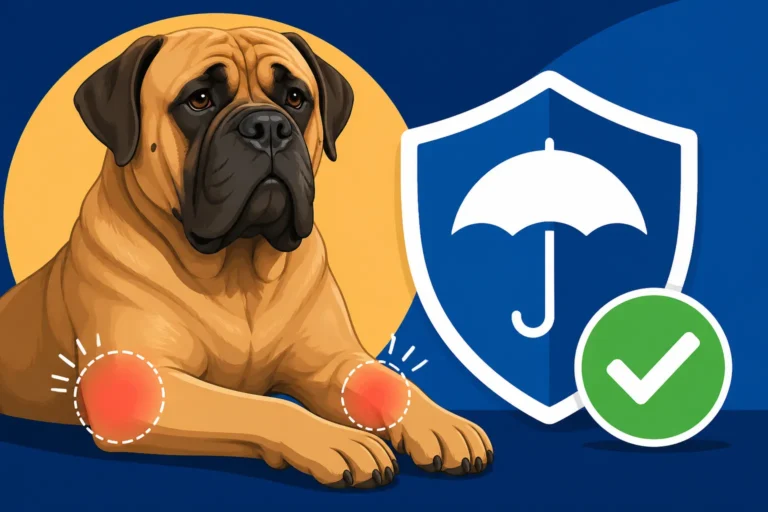
The single most critical factor in a stud's value is his health. A truly proven Mastiff stud will have a complete panel of health clearances, rigorously tested and documented. This isn't just a nod to responsible breeding; it's a commitment to improving the breed's future. For Mastiffs, this includes certifications from organizations like the Orthopedic Foundation for Animals (OFA) for hips and elbows, ensuring good joint health, which is incredibly important for such a massive breed. Nobody wants to contribute to a lineage prone to debilitating conditions. Beyond structural health, cardiac exams are vital, given the breed's predisposition to certain heart conditions. Eye certifications, often done by a board-certified veterinary ophthalmologist, are also non-negotiable to screen for hereditary eye diseases.
Furthermore, DNA tests for breed-specific genetic conditions are crucial. For Mastiffs, this often includes testing for Progressive Retinal Atrophy (PRA) and Cystinuria Type III. A stud that is clear of these genetic markers, or at least a carrier for recessive traits only when bred to a clear bitch, holds immense value. Breeders understand the cost and heartbreak of producing puppies with preventable genetic diseases, so a stud with verifiable clear results is highly sought after. The CHIC Four Plus the DNA Stack Behind a Mastiff's Price directly influences the stud's market value. Longevity in the stud's pedigree, meaning his ancestors lived long, healthy lives, also adds to his appeal, as it suggests a reduced risk of early onset health issues for the puppies. The stud owner has invested heavily in these tests, and their willingness to be transparent about results, even sharing specific reports, speaks volumes to their dedication.
Accomplished Pedigree and Conformation Titles
Beyond health, a stud's lineage and show ring success play a massive role in his command. A proven stud typically comes from a well-established, reputable pedigree, meaning his ancestors are also healthy, titled, and adhere closely to the Mastiff breed standard. This provides a level of predictability in the traits he will pass on to his offspring. Breeders look for consistency in type, temperament, and structure throughout the generations in a stud's pedigree. A weak or unknown pedigree means a roll of the dice, and no responsible breeder wants that.
Show titles are tangible proof that a Mastiff stud embodies the breed standard. A Grand Champion or even a plain Champion title signifies that unbiased judges, experts in the breed, have evaluated and confirmed his superior conformation, movement, and overall presence. These titles are not easily won; they require significant time, effort, and financial investment in showing. A stud owner has spent countless hours traveling, conditioning, and presenting their dog in the ring, not to mention the fees associated with competing. This dedication to proving their dog's quality elevates his desirability. For a breeder looking to enhance their own line, a titled stud offers the best chance of producing puppies that are not only healthy but also beautiful and correct in type, capable of winning in the show ring themselves.
Temperament and Progeny Records
A Mastiff's temperament is arguably as important as its physical health and beauty. These are giant dogs, and a sound, stable temperament is absolutely essential for them to be good family companions. A proven stud will have a calm, confident, and gentle disposition, reflecting the ideal Mastiff nature. He should be biddable, intelligent, and tolerant, especially around people and other animals. Stud owners will often be able to provide detailed insights into their dog's personality and how he interacts in various environments. A stud with a questionable temperament, regardless of his looks or health clearances, will be avoided by responsible breeders.
Finally, a truly "proven" stud often has a record of producing desirable offspring. This means he has sired litters where the puppies exhibit the desired health, conformation, and temperament traits of their sire and dam. Sometimes, a stud's value increases significantly once his first few litters mature and begin to earn their own titles or become exceptional family pets. Seeing the quality of his progeny offers reassurance to potential bitch owners that he consistently passes on his strengths. Some stud owners will even track the health and achievements of previous litters, providing a valuable resource to interested parties. Whether a Mastiff with PRA Should Be Bred is a question that directly relates to evaluating a stud's progeny potential.
Deconstructing the Stud Fee: Cash, Pick-of-Litter, or a Hybrid Approach
The way a Mastiff stud owner is compensated for their dog's services can vary widely. It’s rarely a simple, one-size-fits-all transaction. Instead, it’s a detailed agreement that outlines expectations, responsibilities, and the method of payment. These arrangements are typically negotiated between the stud owner and the bitch owner, always with the health and welfare of the dogs and future puppies at the forefront.
The Cash Stud Fee: Simplicity and Direct Compensation
The most straightforward form of compensation for a Mastiff stud is a direct cash payment, often referred to simply as the "stud fee." This fee is usually a set amount, determined by all the factors we discussed: the stud's health clearances, titles, pedigree, and proven ability to produce quality offspring. A stud who is a multi-titled Grand Champion with a clean bill of health and a consistent record of producing excellent puppies might command a fee that is equivalent to or even higher than the price of a top-tier show puppy from the litter. What a Show Bred Mastiff Puppy Costs gives an idea of this baseline value.
This cash payment typically covers the stud owner's expenses related to the breeding process, such as collection fees if artificial insemination is used, potential travel costs if the stud is transported, and the general time and effort involved. It's often paid in full before the actual breeding takes place, offering immediate and clear compensation to the stud owner. Some agreements may specify a partial payment upfront, with the remainder due upon confirmation of pregnancy or the birth of live puppies. Cash fees simplify the transaction, as the stud owner doesn't need to worry about the responsibilities of raising a puppy or the uncertainties of a litter. It provides a clear financial return for their investment in the stud.
The "Pick-of-the-Litter" Arrangement: A Future Investment
A very common and often preferred compensation method, especially among serious breeders, is the "pick-of-the-litter" clause. In this arrangement, the stud owner doesn't receive a cash fee but instead has the right to select one puppy from the resulting litter. This is typically the "first pick" after the bitch owner has made their own selections, or sometimes even before. The specific terms of the pick—gender, health guarantees, selection timeline—are all meticulously detailed in the stud contract. What a Mastiff Contract Says About Breeding Rights is crucial reading here.
The appeal of a pick puppy for the stud owner is the opportunity to bring new, desirable genetics into their own breeding program or to have a potential show prospect to campaign. It's an investment in the future of their lines rather than an immediate financial return. This option works best when both parties trust each other's judgment and commitment to the breed. However, it also carries inherent risks for the stud owner. What if the litter is very small? What if the quality isn't what was expected? What if there are health issues with the puppies? A responsible contract will address these contingencies, often specifying a minimum number of live, healthy puppies for a pick-of-the-litter to be valid, or offering a repeat breeding if the initial litter doesn't meet certain criteria. The cost of raising this puppy, including food (perhaps from a brand like Chewy, which offers bulk discounts), veterinary care, and future health clearances, then falls entirely on the stud owner once the puppy goes home with them.
Hybrid Models and Other Considerations
Sometimes, a breeding agreement will incorporate a hybrid approach, combining elements of both cash fees and pick-of-the-litter. For instance, a stud owner might ask for a reduced cash fee along with a second pick-of-the-litter, or a specific gender puppy from the litter. This can offer a balance between immediate compensation and the long-term genetic benefits of a puppy. Other considerations might include provisions for repeat breedings if the bitch does not conceive or if the litter size is too small to fulfill the pick-of-the-litter agreement.
The stud contract is the cornerstone of any breeding arrangement. It should be a comprehensive legal document, reviewed by both parties, that clearly outlines all terms: the stud fee or pick-of-the-litter details, health guarantees for the puppies, the responsibilities of each owner, and conditions for a repeat breeding. It's not just about the monetary value; it's about safeguarding the welfare of the dogs involved and the integrity of the breeding program. Without a clear contract, misunderstandings and disputes are almost inevitable, and as Why Few Mastiff Breeders Break Even highlights, the margins are often tight enough without legal battles.
| Stud Compensation Method | Pros for Stud Owner | Cons for Stud Owner | When It's Often Used |
|---|---|---|---|
| Cash Stud Fee | Immediate financial compensation, no puppy-raising costs | No direct genetic infusion into own lines | High-demand stud, stud owner not looking for a new puppy |
| Pick-of-the-Litter | Potential for a high-quality show/breeding prospect | Risk of small or low-quality litter, future puppy-raising costs | Stud owner seeking to diversify/improve their lines |
| Hybrid (Cash + Pick) | Balances immediate income with future genetic potential | Still some risk with litter quality, and shared puppy-raising costs | Negotiated for mutual benefit, flexible breeding goals |
The Hidden Costs and Responsibilities of Owning a Proven Stud
While a proven Mastiff stud commands a significant fee or a valuable pick puppy, it's crucial to understand that owning and maintaining such a dog, let alone making him available for breeding, involves substantial ongoing costs and responsibilities for the stud owner. This isn't a passive income stream; it's a dedicated commitment to the breed and to responsible husbandry. Many people only see the "stud fee" but not the years of investment that lead up to it.
The Investment in Raising and Proving the Stud
Long before a Mastiff male becomes a "proven stud," he is a puppy that requires an immense amount of care, training, and financial outlay. The initial purchase price of a well-bred puppy from health-tested parents is significant. Then comes years of high-quality nutrition (perhaps with specialized giant breed formulas from Chewy or fresh food options like Ollie that support healthy growth), routine veterinary care, vaccinations, and preventive medications. Add to that the costs of proper socialization and training, which are absolutely vital for a Mastiff's temperament. The First Year With a Mastiff Puppy That Doubles in Size details many of these early costs and challenges.
For a stud to be "proven," he typically needs to earn show titles, which means expenses for entry fees, professional handlers (if used), travel to shows, and grooming. These costs can quickly run into the tens of thousands of dollars over several years. Then there are all the necessary health clearances: OFA hips, elbows, cardiac, eyes, and DNA panels. Each of these tests comes with its own fee, and some, like cardiac exams, may need to be repeated annually. What OFA Hip and Elbow Certification Costs a Mastiff Breeder and What the Mastiff PRA and Cystinuria DNA Tests Cost are direct examples of these expenses. The stud owner bears the full brunt of these investments, hoping that the dog will mature into a healthy, typey, and fertile male capable of contributing to the breed.
Managing the Breeding Process and Post-Breeding Care
Even once a male Mastiff is deemed a proven stud, the responsibilities don't end there. Stud owners must manage the logistics of breeding, which can be complex. This might involve coordinating schedules with the bitch owner, facilitating natural breedings, or arranging for semen collection and artificial insemination. If the breeding is done via artificial insemination, there are costs associated with vet visits for collection, processing, and shipping the semen, as well as timing ovulation precisely. Even for natural breedings, there's the stress of housing the visiting bitch, managing two large dogs, and ensuring a safe and successful tie.
Post-breeding, a responsible stud owner often maintains communication with the bitch owner, offering support and guidance throughout the pregnancy and whelping process. They will want updates on the litter and will often help in vetting potential puppy buyers for the pick-of-the-litter agreement. If the stud fee was a cash payment, the relationship is more transactional, but a good stud owner remains invested in the success of the litter. Should any issues arise, such as a missed pregnancy or a very small litter, the stud owner is often obligated by contract to offer a repeat breeding, incurring further costs and time. The risks and expenses are real, making the stud fee or pick-of-the-litter a well-earned compensation for years of dedicated care and significant financial output.
Finding the Right Fit: Maximizing Value and Ensuring Responsible Breeding
For a bitch owner, selecting a Mastiff stud is one of the most important decisions they will make, impacting the health, temperament, and future of their breeding program for generations. It's not just about the cost of the stud fee; it's about the genetic legacy and the commitment to responsible breeding practices. Maximizing value means finding a stud that not only fits the budget but, more importantly, enhances the line and upholds the highest standards.
Thorough Research and Due Diligence
Before even contacting a stud owner, a bitch owner should conduct extensive research. This involves studying pedigrees, looking at show records, and reviewing health clearances available publicly through resources like the OFA website. Reputable stud owners will be transparent and eager to share all health documentation, including DNA test results. They should also be able to discuss their dog's temperament in detail and show examples of his previous progeny. Don't be shy about asking for references from other breeders who have used the stud. Websites like Chewy or Ollie might be great for dog food, but for breeding information, you need to go directly to the source or breed-specific clubs.
Consider the compatibility between your bitch and the potential stud. A good breeding should aim to complement each dog's strengths and minimize their weaknesses. For example, if your bitch has excellent bone but a slightly weak muzzle, you'd look for a stud known for producing strong muzzles. If your bitch is a carrier for a specific genetic condition, it is imperative that the stud is clear for that condition to avoid producing affected puppies. This careful matching is a hallmark of responsible breeding and significantly increases the value of the resulting litter. Whether a Mastiff Puppy Can Be Tested Before Purchase and What a Mastiff Contract Says About Breeding Rights are great reads to understand the diligence involved.
Communication and Contractual Clarity
Once a potential stud is identified, open and honest communication with the stud owner is paramount. Discuss all expectations, concerns, and contractual terms thoroughly. Don't leave anything to assumption. A detailed written contract is absolutely essential, covering everything from the stud fee or pick-of-the-litter terms, health guarantees for the puppies, responsibility in case of a missed pregnancy, and any specific requirements for the bitch (e.g., specific health tests required before breeding). This protects both parties and ensures that everyone is on the same page.
For stud owners, a clear contract outlines what they "command" for their proven Mastiff stud. For bitch owners, it clarifies the investment and the safeguards in place. It's about more than just money; it's about a shared commitment to producing healthy, well-adjusted Mastiff puppies that will enrich the lives of their future families. The cost of owning a Mastiff is significant throughout its life, from puppyhood to its senior years, as covered in The Mastiff's Short Life Buys the Biggest Bills, so starting with a responsibly bred litter is the best foundation. While you might seek pet insurance for your future litter from a provider like Healthy Paws, proper vetting of the stud and bitch is the first line of defense against costly health issues.
Disclaimer
This article is for general informational purposes only and does not constitute professional advice. Laws, prices and regulations vary by location and change over time. Consult a qualified professional for guidance on your specific situation.