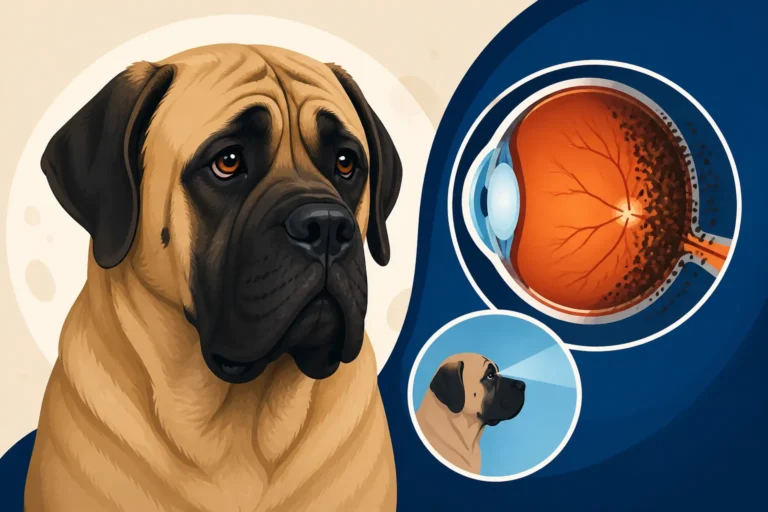
Whether a Mastiff’s Short Life Is Getting Shorter
It's truly heartbreaking to ponder if the short time we get with our beloved Mastiffs is actually shrinking. For anyone who has opened their heart and home to one of these magnificent giants, the fact that their lifespan is already so brief – typically just 6 to 10 years – is a constant, quiet ache. The thought that it might be getting even shorter, or that we're somehow doing something wrong, can be incredibly worrying. This guide dives deep into whether a Mastiff's short life is truly becoming shorter, exploring the historical context, modern factors, common health challenges, and most importantly, what we as owners can do to ensure our gentle giants live as long and as high-quality a life as possible.
The Historical Context of Mastiff Lifespan
When we look at the Mastiff, it's impossible not to be awestruck by their sheer size and presence. But this grandeur has always come with a bittersweet reality: a shorter life compared to their smaller canine counterparts. This isn't a new phenomenon, but rather a characteristic deeply intertwined with their very physiology.
A Legacy of Grandeur and Short Lives
Historically, giant breeds like the Mastiff have rarely enjoyed the long lifespans of smaller dogs. Their massive bodies simply work harder, grow faster, and bear immense strain from day one. Imagine the sheer effort involved in pumping blood through such a vast circulatory system, or the continuous stress on joints supporting hundreds of pounds of weight. This physiological reality means that even centuries ago, a Mastiff living past eight or nine was likely considered quite elderly. The trade-off for their impressive stature and gentle demeanor has always been a relatively brief journey with us. It’s a paradox – what we love most about their physical presence is also what contributes to their earlier decline. We're not talking about a sudden, dramatic drop in recent decades; rather, it’s a long-standing characteristic of the breed that makes every single year precious.
The Impact of Breeding Practices Over Time
The history of the Mastiff breed itself has certainly played a role in their health and longevity. After nearly being wiped out during World War II, when fewer than twenty Mastiffs survived the devastation, the breed was painstakingly rebuilt from a very limited gene pool. This genetic bottleneck, while ensuring the breed's survival, inevitably led to a concentration of certain genes, some of which may predispose them to specific health issues. In the past, the emphasis in breeding was often on achieving immense size and impressive "type" for the show ring, sometimes without the benefit of the advanced health screening we have today. This focus, while producing truly majestic animals, could inadvertently perpetuate or even exacerbate certain health predispositions. Understanding How Narrow the Mastiff Gene Pool Is helps us appreciate the genetic challenges breeders face. While modern breeders are far more health-conscious, the legacy of these historical breeding trends, coupled with the inherent challenges of giant breed physiology, continues to influence the breed's overall health and lifespan.
Modern Factors Influencing Mastiff Longevity
Today, our understanding of canine health is vastly superior to that of generations past. However, this also brings to light new complexities and challenges in extending the lives of our Mastiffs, and perhaps even creates the perception that their lives are shorter due to greater awareness of their health battles.
The Double-Edged Sword of Veterinary Advances
It might seem counterintuitive, but advances in veterinary medicine can sometimes present us with incredibly difficult decisions regarding a Mastiff's longevity. On one hand, incredible surgical techniques, medications, and diagnostic tools can now address conditions that would have been a death sentence years ago. For instance, a life-threatening episode of bloat can often be successfully treated with emergency surgery, and complex orthopedic issues can be managed or repaired.
However, these interventions for a giant breed come with monumental costs, significant recovery periods, and the question of whether the quality of life justifies the extensive measures. When a Mastiff reaches the age where conditions like severe arthritis or cancer become prevalent, owners are faced with agonizing choices. Do we put our gentle giant through a strenuous surgery and long rehabilitation, potentially just to buy a few more months? The financial burden, even with pet insurance like Healthy Paws, can be immense, and the physical toll on a large dog can be profound. This isn't to say we shouldn't pursue treatment, but it highlights that while vets can do more, it forces us to confront the ethical and practical limits more often. This balancing act can make it feel like we're fighting a losing battle, even when the veterinary world is more capable than ever. Understanding What Ends a Mastiff at Eight often means grappling with these very real-world considerations.
Diet, Exercise, and Weight Management
One of the most significant modern factors directly impacting a Mastiff's potential lifespan is how we manage their growth, diet, and weight from puppyhood right through to their senior years. Unlike smaller breeds, a Mastiff puppy needs very specific, controlled nutrition to ensure slow, steady growth. Overfeeding or feeding high-protein, high-calcium diets during their critical growth phases can lead to devastating orthopedic issues like hip and elbow dysplasia. This is why it's crucial to understand Why a Mastiff Puppy Must Grow Slowly and adhere strictly to a giant breed puppy food formula that supports their unique needs.
As adults, maintaining a lean body condition is paramount. Every extra pound on a Mastiff's large frame translates into immense additional stress on their joints, heart, and other organs. While a Mastiff should be substantial, they should never be fat. You should be able to easily feel, but not necessarily see, their ribs. Owners sometimes equate larger size with "better," but a lean Mastiff will almost certainly live a healthier, more comfortable life. Knowing The Weight Range a Male Mastiff Should Hold is critical for proactive management. Regular, moderate, low-impact exercise is also key – they don't need miles of running, but consistent walks keep their muscles strong without stressing their joints.
Genetic Health Testing and Responsible Breeding
The landscape of responsible breeding has dramatically evolved, largely due to the widespread availability of genetic health testing. Today, reputable Mastiff breeders are committed to screening their breeding stock for a range of inherited conditions, rather than simply breeding for size or appearance. This commitment to health testing is perhaps the most powerful tool we have in trying to improve the breed's overall longevity.
Tests for hip and elbow dysplasia (through organizations like OFA or PennHIP), eye conditions, and certain cardiac issues are becoming standard. Additionally, DNA tests for specific genetic diseases like Progressive Retinal Atrophy (PRA) and Cystinuria Type III are crucial. Breeders who actively pursue and publish these results, like those clearing The Four CHIC Tests a Mastiff Breeder Must Clear, are working hard to make informed decisions and reduce the incidence of these debilitating conditions in future generations. While genetic testing isn't a silver bullet and some conditions are complex, it empowers breeders to stack the odds in favor of healthier, longer-lived puppies. As prospective owners, insisting on seeing these results from both parents is one of the most impactful ways you can support ethical breeding and potentially secure a healthier future for your Mastiff.
Common Health Challenges That Impact Lifespan
Despite our best efforts, Mastiffs, by virtue of their size and genetic predispositions, are susceptible to several serious health conditions that unfortunately contribute to their shorter average lifespan. Understanding these challenges helps us recognize symptoms early and take proactive steps for management.
Orthopedic Issues: Hips, Elbows, and Arthritis
The sheer mass of a Mastiff puts enormous strain on their skeletal structure. This makes them particularly prone to orthopedic problems, with hip and elbow dysplasia being distressingly common. Hip dysplasia, in particular, is a developmental condition where the hip joint forms abnormally, leading to painful arthritis, lameness, and eventual loss of mobility. It’s truly heartbreaking to watch a dog struggle with their own weight due to joint pain. This is why understanding Why a Mastiff's Hips Fail Under Its Own Weight is crucial for all owners.
As they age, almost all Mastiffs will develop some degree of arthritis, a degenerative joint disease that causes chronic pain and stiffness. While supplements, pain medication, and physical therapy can manage symptoms, severe arthritis significantly impacts their quality of life, often forcing owners to make the agonizing decision about euthanasia. Preventing rapid growth in puppies and maintaining a lean body condition throughout life are the best defenses against the severity of these issues. Even with the best care, managing their comfort and mobility becomes a primary focus in their later years.
Cancer: The Giant Breed Scourge
Tragically, cancer is an all too common diagnosis in Mastiffs and is often the leading cause of death. Large breeds, in general, seem to have a higher incidence of various cancers, and Mastiffs are no exception. We often hear stories of Mastiffs being vibrant and healthy one day, only to receive a devastating cancer diagnosis the next. Types like osteosarcoma (bone cancer), lymphoma, and hemangiosarcoma are unfortunately seen with concerning frequency in the breed.
The insidious nature of cancer means it can strike at any age, sometimes even in relatively young dogs, but it becomes more prevalent as they enter their senior years, which for a Mastiff can start as early as five or six. Identifying Which Cancers Mastiffs Get can help owners be more vigilant about symptoms, but often, by the time symptoms are obvious, the disease is advanced. The sheer size of a Mastiff also makes diagnosis and treatment challenging and expensive, requiring specialized equipment and larger drug dosages. This frequent battle with cancer undoubtedly contributes to their shorter lifespans and the emotional toll on their families.
Bloat (GDV) and Cardiac Concerns
Beyond orthopedic issues and cancer, two other critical health concerns significantly impact the Mastiff's lifespan: Gastric Dilatation-Volvulus (GDV), commonly known as bloat, and various cardiac conditions. Bloat is a true emergency, where the stomach fills with gas and often twists, cutting off blood supply. Given the Mastiff's deep chest, they are highly predisposed to this condition, which can kill a dog within hours if not treated with immediate, emergency surgery. It's a terrifying reality for Mastiff owners, and understanding Bloat in the Deepest Chest of Any Breed: the Mastiff is essential. While a preventive gastropexy can greatly reduce the risk of the stomach twisting, bloat itself remains a significant and often fatal threat.
Cardiac conditions, although perhaps less visually obvious than a limping Mastiff or a dog in bloat distress, can also shorten their lives. Dilated cardiomyopathy (DCM), for instance, is a heart muscle disease where the heart becomes enlarged and weakened, leading to inefficient pumping of blood. While perhaps not as prevalent as in some other giant breeds, it's still a concern, and it's worth considering Whether a Mastiff Gets Dilated Cardiomyopathy. These heart conditions can progress subtly, eventually leading to heart failure. Regular veterinary check-ups, including listening to the heart, are vital for early detection, which can sometimes allow for management with medication to improve quality of life for a time.
What Owners Can Do to Maximize Longevity (and Quality of Life)
While the inherent genetic and physiological realities mean a Mastiff's life will always be on the shorter side compared to many other breeds, there is a great deal that conscientious owners can do to maximize both the length and, crucially, the quality of their time together. It’s about proactive care, informed choices, and unwavering dedication.
Choosing a Reputable Breeder
This is perhaps the single most important decision an owner makes that impacts a Mastiff's potential for a long, healthy life. A reputable breeder is not just selling puppies; they are custodians of the breed, deeply invested in its health and future. They will conduct all recommended health screenings on their breeding stock – hip and elbow certifications, eye exams, cardiac clearances, and DNA tests for conditions like PRA and Cystinuria. They will be transparent with these results, often providing copies or allowing you to verify them through public databases.
Beyond tests, a good breeder will ask you as many questions as you ask them, ensuring their puppies go to suitable homes. They'll also provide a health guarantee, though it's important to understand its terms. They prioritize temperament and health over extreme size or quick sales. For any Mastiff buyer, delving into The CHIC Four Plus the DNA Stack Behind a Mastiff's Price and understanding what those certifications mean is invaluable. They should also be able to talk openly about the longevity of the dogs in their lines, not just the champions. This level of commitment from a breeder gives your Mastiff the very best foundation for a healthy life.
Proactive Veterinary Care and Prevention
Once you bring your Mastiff home, a strong partnership with a knowledgeable veterinarian experienced with giant breeds is absolutely non-negotiable. Regular veterinary check-ups are essential, not just for routine vaccinations and parasite prevention, but for early detection of any health changes. Your vet can monitor their growth, weight, joint health, and overall condition. Early intervention can make a significant difference, whether it's managing the onset of arthritis or identifying a lump that could be cancerous.
Consider preventive measures like a gastropexy, often performed at the same time as neutering, to drastically reduce the risk of life-threatening bloat. This simple surgery can be a true lifesaver for a breed so prone to this emergency. Financial planning for these potentially large veterinary expenses is also crucial. This is where pet insurance, such as Healthy Paws, can be an absolute game-changer. Having a reliable insurance policy can help offset the considerable costs of diagnostics, surgeries, and long-term medication, allowing you to make medical decisions based on what's best for your Mastiff, rather than solely on your wallet. Healthy Paws, for instance, focuses on accident and illness coverage, which can be invaluable when dealing with the high costs associated with giant breed specific issues or unexpected emergencies.
Providing a Supportive Environment
A Mastiff's home environment plays a massive role in their long-term health and comfort. Their joints, already under immense stress, need every bit of help they can get. Investing in high-quality, orthopedic bedding is not a luxury, but a necessity. Imagine How Thick a Bed a Mastiff Needs to support their heavy frame and prevent pressure sores and exacerbating joint pain. Providing multiple beds around the house encourages them to rest on soft surfaces instead of hard floors.
Managing slippery floor surfaces is also vital. Hardwood or tile floors can be treacherous for a heavy, sometimes clumsy Mastiff, leading to slips, falls, and potential injuries that can have long-lasting effects. Lay down runners or area rugs in high-traffic areas to provide traction. Gentle, consistent exercise, appropriate for their age and physical condition, is also important to maintain muscle tone without over-stressing joints. A balanced diet tailored for giant breeds, maintaining a lean body weight, and providing mental enrichment are all pieces of the puzzle. With the help of a good pet insurance plan like Healthy Paws, you might also find more advanced therapies like hydrotherapy or acupuncture more accessible, further supporting your Mastiff's comfort and mobility as they age.
| Factor | Historical Impact on Lifespan | Modern Influence on Lifespan | Owner's Role |
|---|---|---|---|
| Size & Physiology | Always led to shorter lives than smaller breeds; inherent strain on body. | Still the primary determinant; better understanding of physiological strain but no change in fundamental size. | Maintain lean body condition, controlled growth, provide orthopedic support. |
| Breeding Practices | Focus on type/size; post-war bottleneck concentrated genes, limited health screening. | Increased emphasis on health screening (OFA, DNA tests), breed club recommendations, wider access to genetic knowledge. | Choose a reputable breeder committed to extensive health testing and transparency. |
| Veterinary Care | Limited options for severe conditions, many issues untreatable. | Advanced diagnostics, surgeries, medications; can prolong life but often at high cost and with quality of life considerations. | Regular vet visits, preventive care (e.g., gastropexy), financial planning (e.g., pet insurance like Healthy Paws). |
| Nutrition & Weight | Less scientific understanding, potential for overfeeding/rapid growth, weight management less emphasized. | Specific giant breed puppy formulas, understanding of slow growth, recognition of detrimental effects of obesity. | Strict adherence to appropriate diet, controlled growth rates, diligent weight management throughout life. |
| Environment | Less awareness of joint impact from hard surfaces, importance of bedding. | Recognition of orthopedic bedding's importance, need for traction on slippery floors, temperature regulation. | Provide orthopedic beds, rugs/runners on hard floors, manage temperature, safe exercise. |
| Prevalence of Disease | Many conditions undiagnosed or untreatable, potentially attributed to "old age." | High awareness of cancer, bloat, orthopedic issues; more frequent diagnosis due to advanced vet care. | Early detection through vet visits, symptom vigilance, considering preventive surgeries. |
Ultimately, while the fundamental lifespan of a Mastiff hasn't necessarily shortened dramatically, our awareness of their health challenges has certainly grown. The intensity of care required, the prevalence of certain serious illnesses, and the emotional and financial investment needed can make their years feel all the more precious and, at times, fleeting. By being highly informed, choosing a responsible breeder, partnering with a great vet, and providing the best possible home environment, we give our majestic companions the greatest chance not just for a longer life, but for a life filled with comfort, joy, and the dignity they so richly deserve. Every year with a Mastiff is a gift, and our role is to make each one count.
Disclaimer
This article is for general informational purposes only and does not constitute professional advice. Laws, prices and regulations vary by location and change over time. Consult a qualified professional for guidance on your specific situation.