Whether an Untested Mastiff Litter Is Worth Buying
When you're searching for a Mastiff puppy, it's easy to be swayed by a lower price tag, especially when you know the lifetime costs of these gentle giants can be substantial. However, purchasing a puppy from an untested litter often means gambling with their future health and your financial well-being. This guide will help you understand the critical importance of health testing in Mastiff breeding, the true costs of skipping these vital steps, and how to identify a reputable breeder committed to the health of their lines.
The Allure of a Lower Price: Why Untested Litters Seem Appealing
We've all been there: scrolling through online ads, eyes glazing over with adorable puppy pictures, and then seeing that one price that seems almost too good to be true. For a Mastiff, a breed known for its significant upfront cost, finding a "bargain" can feel like a win. But in the world of responsible dog breeding, especially with a giant breed prone to certain health issues, a significantly lower price almost always signals cut corners.
Understanding the "Bargain" Trap
The initial purchase price of a Mastiff puppy from a reputable breeder, particularly one who performs all recommended health clearances, can feel like a steep investment. These breeders invest thousands of dollars and countless hours into their breeding program—from genetic testing and veterinary screenings for their breeding stock to proper nutrition, early socialization, and high-quality care for the puppies. When a breeder skips these steps, their costs are dramatically reduced, allowing them to offer puppies at a much lower price point. They might tell you "testing is just a scam" or "my dogs are healthy, I don't need to test."
This "bargain" upfront can be incredibly tempting, especially when you're just eager to bring home your furry companion. You might think, "I'll save that money now and put it towards their care later." However, the truth is that the money you save initially often pales in comparison to the potential veterinary bills you could face down the line. It's a classic case of paying now or paying much more later, both financially and emotionally.
The Lack of Transparency and What It Hides
A breeder selling an untested litter typically operates with a severe lack of transparency. They might be vague about the parents' health history, unable to produce verifiable certifications, or simply dismissive of your questions about genetic screening. This isn't just poor communication; it's a huge red flag. A responsible breeder is proud of their health testing and eager to share the results, explaining what each clearance means for the health of their puppies.
When a breeder can't or won't provide evidence of health testing, they are essentially hiding the genetic lottery their puppies are entering. They haven't screened for conditions that could lead to crippling orthopedic problems, blindness, or life-threatening metabolic disorders. This isn't just a potential inconvenience; it means you could unknowingly be purchasing a puppy predisposed to a lifetime of pain, medical intervention, and a significantly shortened lifespan. You're buying a mystery, and with a Mastiff, that mystery can unravel into immense heartbreak and expense.
The Non-Negotiable Health Tests for Mastiffs
For a breed as magnificent and genetically predisposed to certain conditions as the Mastiff, health testing isn't an option; it's an ethical imperative. Reputable breeders invest in comprehensive screenings to minimize the risk of passing on debilitating hereditary diseases. Understanding these tests is your best defense against making a costly mistake.
Core Orthopedic Screenings: Hips and Elbows
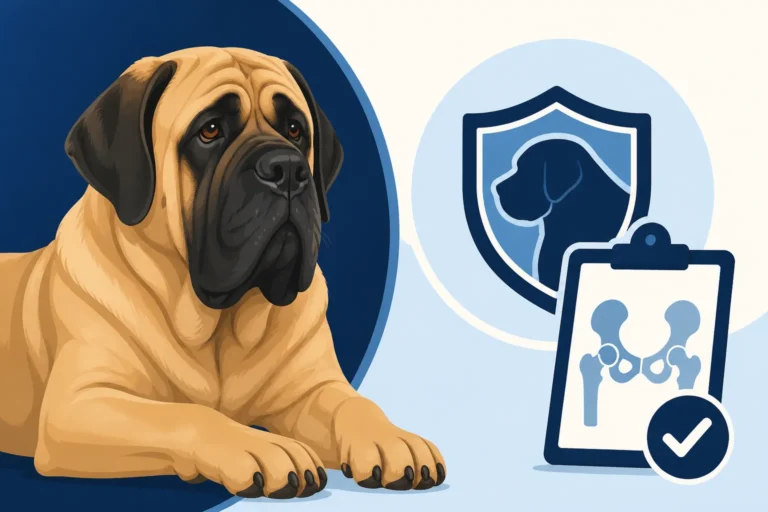
One of the most critical areas of concern for any giant breed, and especially the Mastiff, is orthopedic health. Their immense size and rapid growth put tremendous stress on their joints, making conditions like hip and elbow dysplasia particularly devastating. Hip dysplasia is an abnormal formation of the hip socket that, in its more severe form, can lead to painful arthritis and lameness. Elbow dysplasia is a similar condition affecting the elbow joint, causing pain and functional impairment.
Responsible breeders submit X-rays of their breeding dogs' hips and elbows to organizations like the Orthopedic Foundation for Animals (OFA) for evaluation. The OFA grades these joints, providing an objective assessment of their quality. A breeder should only be breeding dogs with "Fair," "Good," or "Excellent" hip scores, and "Normal" (Grade 0) elbow scores. Skipping these tests means you have no idea about the structural integrity of your puppy's parents, greatly increasing the chances your Mastiff will suffer from these painful, often surgically corrected, conditions. You can read more about What OFA Hip and Elbow Certification Costs a Mastiff Breeder and how this investment protects future litters.
Eye and Cardiac Clearances
Beyond their large frame, Mastiffs can also be susceptible to certain eye and heart conditions. Eye diseases, such as Progressive Retinal Atrophy (PRA) or cataracts, can severely impact a Mastiff's vision, potentially leading to blindness. A responsible breeder will have their breeding dogs examined by a board-certified veterinary ophthalmologist, with results registered with the OFA's Eye Certification Registry (formerly CERF). These exams are usually performed annually to monitor for developing conditions. It's an important part of responsible breeding to consider Whether a Mastiff Should Have a Yearly Eye Exam.
Cardiac health is another vital area. Mastiffs can be prone to heart conditions, some of which may not present obvious symptoms until advanced stages. A thorough cardiac examination, ideally performed by a board-certified veterinary cardiologist, includes auscultation (listening to the heart) and often an echocardiogram (ultrasound of the heart) to detect any structural abnormalities or murmurs. This screening is crucial for a breed of this size, ensuring that the breeding dogs have sound hearts to pass on to their offspring. It's worth considering Whether a Mastiff Needs a Cardiac Exam as part of a comprehensive health plan.
Essential DNA Panels: Cystinuria and PRA
In addition to physical screenings, advancements in genetic testing allow breeders to identify carriers or affected dogs for specific inherited diseases at a DNA level. For Mastiffs, two key genetic tests often include Cystinuria Type III and Progressive Retinal Atrophy (PRA).
Cystinuria Type III is a metabolic disorder that affects intact male Mastiffs, causing them to form cystine stones in their urinary tract. These stones can lead to painful blockages, requiring emergency surgery and ongoing management. A DNA test can identify dogs that are clear, carriers, or affected by this condition. Breeders should only breed clear or carrier dogs, never affected, and carriers should only be bred to clear mates to avoid producing affected puppies.
Progressive Retinal Atrophy (PRA) is a group of genetic diseases that cause the retina to degenerate over time, ultimately leading to blindness. There are specific DNA tests available to identify the genetic markers for certain forms of PRA in Mastiffs. Knowing a dog's PRA status allows breeders to make informed decisions to prevent passing on this devastating disease. This is one of The Four CHIC Tests a Mastiff Breeder Must Clear that are paramount for the breed's health. You can even find specific information on The DNA Test That Finds Mastiff PRA. A reputable breeder will have these DNA results readily available for both parents.
The True Cost of an "Untested" Mastiff Puppy
While the initial price of an untested Mastiff puppy might seem appealing, it's crucial to understand that this "saving" can quickly evaporate, replaced by a torrent of unexpected and heartbreaking expenses. The real cost extends far beyond dollars and cents, deeply impacting your pet's quality of life and your emotional well-being.
Hidden Veterinary Bills and Emotional Toll
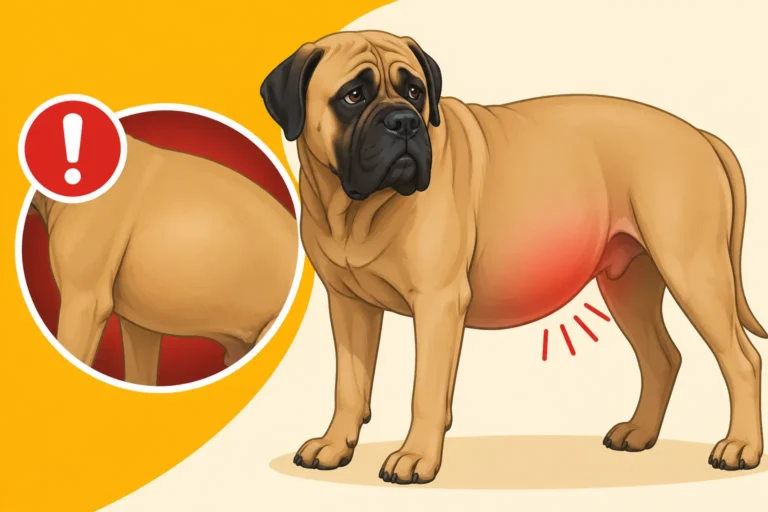
Imagine bringing home that adorable, squishy-faced Mastiff puppy, only to find them limping at six months old. Or perhaps they start bumping into furniture by the age of two, their once bright eyes growing dim. These aren't just hypothetical scenarios; they are the grim reality for many owners of untested Mastiffs. Hip and elbow dysplasia, if present, can require expensive surgeries, often costing thousands of dollars per joint. What Hip Surgery Costs on a Mastiff is a figure that can easily dwarf any initial savings on the puppy's purchase price.
If your male Mastiff develops Cystinuria Type III, you could be looking at multiple emergency vet visits, urinary catheterizations, and potentially invasive surgeries to remove bladder stones. What Stone Surgery Costs on a Mastiff can be another financially crippling event, especially if it recurs. Beyond the direct surgical costs, there are follow-up appointments, pain medications, joint supplements, specialized diets, and physical therapy that can become a permanent part of your monthly budget. The financial strain is immense, but the emotional toll can be even heavier. Watching your beloved companion suffer, managing chronic pain, and making difficult decisions about their care is truly heartbreaking.
Impact on Quality of Life for Your Mastiff
A Mastiff with unaddressed genetic health issues often faces a significantly compromised quality of life. Pain from dysplastic joints can limit their ability to play, walk, or even stand comfortably. Imagine a giant, gentle dog who can't enjoy a simple stroll, or struggles just to get up from their bed. Blindness from PRA means navigating a world without sight, requiring significant adjustments to their home environment and limiting their interactions.
These conditions don't just affect their physical comfort; they impact their mental and emotional well-being too. A dog in chronic pain might become withdrawn, anxious, or even irritable. Their already relatively short lifespan, typically Six to Ten Years Is What a Mastiff Gets, can be further shortened and filled with discomfort and veterinary interventions rather than joyful companionship. You wanted a loving family member, not a long-term medical project, but that's often the outcome with an untested puppy.
The Role of Pet Insurance and Pre-existing Conditions
This is where the financial gamble of an untested puppy truly comes to light. Many pet owners wisely choose to invest in pet insurance to help manage unexpected veterinary costs. Companies like Healthy Paws offer coverage for accidents and illnesses, which can be a lifeline for Mastiff owners given the breed's potential for high medical bills.
However, almost all pet insurance policies have strict clauses regarding "pre-existing conditions." This means if your Mastiff is diagnosed with hip dysplasia, PRA, or cystinuria before your insurance policy's waiting period ends, or if the symptoms were noted in their vet records prior to coverage, any treatment for those conditions will likely be excluded from coverage. This is why getting a puppy from health-tested parents is so crucial; it minimizes the risk of these conditions being present early in life.
It is absolutely essential to purchase pet insurance early in your Mastiff's life, ideally right after you bring them home, to ensure coverage for future unforeseen illnesses or accidents. Knowing The Month a Mastiff Owner Should Buy Insurance can help you get ahead. Even if your puppy comes from fully health-tested parents, accidents happen, and other illnesses can arise. But with an untested puppy, you're rolling the dice on whether those huge, predictable breed-specific issues will become uninsurable, leaving you to shoulder the entire burden yourself. For example, if your policy doesn't cover pre-existing conditions, then Whether Pet Insurance Covers a Mastiff's Elbows could depend entirely on when the issue was diagnosed relative to your policy start date.
How to Find a Reputable Breeder and a Healthy Litter
Navigating the world of dog breeders can feel overwhelming, but arming yourself with knowledge and knowing what to look for can make all the difference. Finding a reputable breeder who prioritizes health is the single most important step in welcoming a healthy Mastiff into your home.
Asking the Right Questions
When you contact a potential breeder, don't be afraid to ask detailed questions. A good breeder will welcome your inquiries and be just as keen to vet you as you are to vet them. Start with questions about the health testing of both parents. Specifically ask for:
- OFA certifications for hips and elbows (and ideally patellas, if they test for that).
- Eye clearances from a board-certified veterinary ophthalmologist (ECR/CERF).
- Cardiac clearances from a board-certified veterinary cardiologist.
- DNA test results for breed-specific conditions like Cystinuria Type III and Progressive Retinal Atrophy (PRA).
Beyond tests, inquire about the parents' temperaments, their age at breeding, and how many litters they've had. Ask about their socialization practices for the puppies, the veterinary care the puppies receive (first shots, deworming, microchip), and what their health guarantee entails. Be wary of any breeder who dismisses your questions, seems annoyed, or offers vague answers.
Verifying Health Certifications
A reputable breeder won't just tell you their dogs are tested; they'll show you the documentation. For OFA results, each dog receives a unique OFA number. You can often look up these numbers on the OFA website to verify the results. For DNA tests, they should provide copies of the laboratory reports from companies like Embark, Optimal Selection, or others. Don't accept a simple "my vet said they're clear" or "they're healthy." You need to see the official paperwork.
A breeder dedicated to the breed's health will often have their dogs enrolled in the Canine Health Information Center (CHIC) program, a centralized database that collects health clearances for specific breeds. A CHIC number indicates that a dog has had all the recommended health screenings for their breed, as determined by their parent club (like the Mastiff Club of America). This is an excellent benchmark for verifying comprehensive testing. Learning What the Mastiff Club of America Offers a Buyer can be a great resource for understanding these standards and finding reputable breeders.
Red Flags to Watch For
While a lower price is a primary red flag, it's not the only one. Be alert to breeders who:
- Refuse to provide documentation: If they can't or won't share official health certificates, walk away.
- Don't allow you to meet the puppy's parents (especially the dam): Meeting the mother is crucial for assessing temperament and living conditions.
- Have multiple litters simultaneously or always have puppies available: This often points to a puppy mill or high-volume breeder more concerned with profit than health.
- Offer puppies before they are at least 8 weeks old: Puppies need this time for crucial development and socialization with their mother and littermates.
- Don't ask you any questions: A good breeder wants to ensure their puppies go to suitable, loving homes.
- Suggest meeting in a neutral location like a parking lot: This is a tactic often used by puppy brokers or unethical breeders to hide their poor facilities.
- Offer no health guarantee or a very short, restrictive one: A responsible breeder stands behind the health of their puppies for a reasonable period.
- Sell "rare" colors or sizes for inflated prices: This often indicates a breeder prioritizing novelty over health and temperament.
By being diligent and demanding transparency, you significantly increase your chances of bringing home a healthy Mastiff who will be a joy for years to come, rather than a source of continuous worry and expense.
Initial Puppy Cost vs. Potential Long-Term Costs: Untested vs. Tested Mastiff
Here’s a snapshot comparing the upfront cost of a Mastiff puppy to the potential long-term expenses, emphasizing why health testing is a non-negotiable investment.
| Feature / Expense Type | Untested Mastiff Puppy (Initial "Savings") | Health-Tested Mastiff Puppy (Initial Investment) |
|---|---|---|
| Initial Purchase Price | Significantly lower, often hundreds less | Higher, reflecting breeder's investment in health |
| Breeder Transparency | Often vague or absent on health records | Full disclosure, verifiable certifications provided |
| Genetic Predisposition | High risk for hip/elbow dysplasia, PRA, cystinuria | Minimized risk for major hereditary conditions |
| Potential Vet Bills (1st 2 years) | High to very high: – Hip/elbow surgery ($5,000-$15,000+ per joint) – Cystine stone surgery ($2,000-$5,000+) – Lifelong medication/supplements ($50-$200+/month) – Specialist consultations ($300-$800+) |
Standard: – Routine check-ups, vaccinations – Spay/neuter – Minor illness/injury |
| Pet Insurance Coverage | High likelihood of pre-existing condition exclusions for major breed-specific issues | Optimal chance for full coverage of future, unforeseen illnesses or accidents |
| Quality of Life for Dog | Potential for chronic pain, restricted mobility, blindness, early demise | Higher chance of active, comfortable, full life for the breed's typical lifespan |
| Emotional Impact on Owner | Stress, heartbreak, guilt, financial strain, difficult end-of-life decisions | Peace of mind, joy, confidence in your dog's health foundation |
| Overall Long-Term Cost | Potentially astronomically higher, both financially and emotionally | Manageable, with expected routine costs and insurance for unexpected events |
As you can see, the initial "bargain" of an untested Mastiff puppy is almost always a false economy, leading to far greater costs and emotional hardship down the road. Investing in a healthy, well-bred puppy is truly an investment in their future and your peace of mind.
Disclaimer
This article is for general informational purposes only and does not constitute professional advice. Laws, prices and regulations vary by location and change over time. Consult a qualified professional for guidance on your specific situation.