Whether a Lean Mastiff Lives Longer
It's a heartbreaking truth that our beloved Mastiffs, with their incredible hearts and gentle souls, often have far shorter lifespans than we wish. Many of us grapple with this reality, constantly searching for ways to give them the longest, healthiest life possible. One question that often comes up, and it's a really important one, is whether keeping your Mastiff lean can actually extend their precious years. This guide is dedicated to exploring that very topic, offering insights into how body condition profoundly impacts a Mastiff's health and what you can do to help your gentle giant thrive.
The Heavy Truth About Weight and Longevity in Giant Breeds
When you have a dog that can easily outweigh a grown person, it’s easy to think that a little extra padding isn’t a big deal. After all, they’re supposed to be big, right? But the unfortunate reality is that every extra pound on a giant breed like a Mastiff puts a disproportionate amount of strain on their massive bodies, often shortening their already limited time with us. It's a sad cycle, where what seems like harmless "chubbiness" can lead to significant health problems.
The Strain on Joints
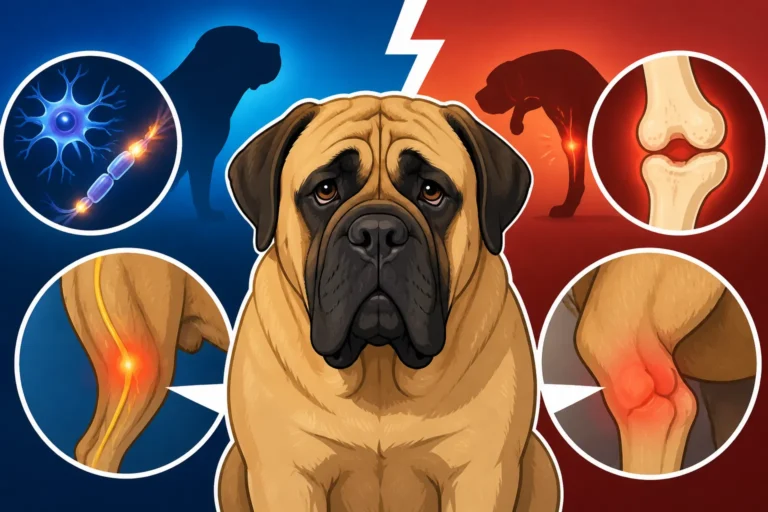
Imagine carrying an extra 20, 30, or even 50 pounds around with you all day, every day. That's what an overweight Mastiff experiences, and it's devastating for their joints. Mastiffs are already predisposed to debilitating orthopedic conditions like hip and elbow dysplasia, which can make their daily movements a painful chore. Adding excess weight to this equation is like adding fuel to a fire. It accelerates the degeneration of cartilage, inflames existing conditions, and brings on arthritis much earlier than it should. We often hear about cases of Arthritis in a Mastiff at Four, and while genetics play a role, excess weight is a huge contributor to such early onset issues. Their enormous frames are built for power, yes, but they're still susceptible to wear and tear, and weight makes that wear and tear happen much faster.
Organ Overload
Beyond the obvious joint problems, an overweight Mastiff’s internal organs are constantly working overtime. Their heart has to pump blood through a larger body mass, their lungs struggle to oxygenate that extra tissue, and their digestive system is processing more food than necessary. This sustained effort takes a toll. The body simply isn't designed to carry and maintain unnecessary fat stores for an extended period, especially not at the scale of a Mastiff. It can lead to higher blood pressure, increased risk of certain metabolic diseases, and put them at a greater disadvantage if they face other health crises. This internal stress might not be visible from the outside, but it silently chips away at their overall vitality and resilience.
Heat Intolerance and Mobility Issues
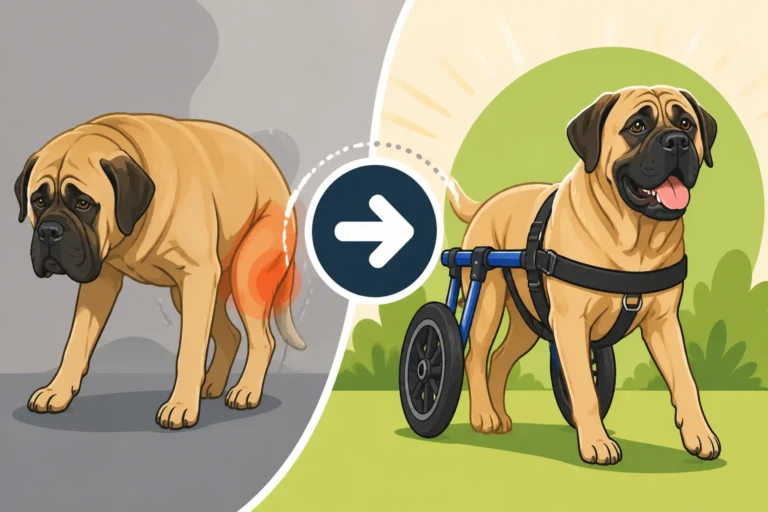
Mastiffs, with their immense bulk, already struggle with heat. They don't dissipate heat efficiently, and a hot day can quickly become dangerous. Add a layer of insulating fat, and you exacerbate this problem significantly. An overweight Mastiff is far more prone to overheating, even during mild exercise, which can be life-threatening. Beyond temperature regulation, mobility becomes a huge issue. While a healthy Mastiff is a formidable sight, an overweight one often becomes cumbersome and reluctant to move. They might struggle to get up from a lying position, navigate stairs, or even walk short distances without becoming winded. This reduced activity then creates a vicious cycle, making it even harder to lose weight and further shortening their window of enjoyable, active years.
Why Leanness Is a Lifeline for Your Mastiff
It’s clear that carrying extra weight is detrimental, but let’s flip the coin. What are the tangible benefits of keeping your Mastiff lean? The difference can truly be profound, not just in terms of quantity of years, but the quality of life they experience during those precious Six to Ten Years Is What a Mastiff Gets.
Preserving Joint Health
A lean body condition is paramount for protecting your Mastiff's colossal joints. When a Mastiff carries only the weight they were meant to, there's significantly less stress on their hips, elbows, shoulders, and spine. This doesn't eliminate the risk of genetic orthopedic issues entirely, but it can certainly delay their onset and reduce their severity. Imagine your dog having more comfortable, pain-free movement well into their golden years, instead of struggling with stiffness and lameness at an age when they should still be relatively spry. Maintaining leanness allows them to be more agile (for a Mastiff!), enjoy their walks, and get up and down with greater ease. It also means that if they do develop joint issues, they will likely be less severe and more manageable with treatments like Joint Supplements for a Mastiff or other interventions.
Supporting Vital Organs
A Mastiff with a lean physique has a cardiovascular system that isn't under constant duress. Their heart and lungs can work efficiently, providing adequate oxygen and nutrients to all their tissues without excessive strain. This reduced workload on vital organs contributes directly to better overall health and a stronger immune system. Think about it: a body that isn't fighting against its own excess weight is a body that can dedicate more resources to maintaining health, fighting off illness, and recovering from any minor ailments that come its way. This is particularly crucial as Mastiffs are prone to various health challenges, and a robust, lean system can provide a better defense. Proactive care, combined with robust pet insurance like Healthy Paws, can give you peace of mind that you're prepared for whatever comes your way.
Enhanced Mobility and Quality of Life
Beyond the internal benefits, a lean Mastiff simply has a better quality of life. They move with more ease and less discomfort. They're more likely to engage in play, even if it's just a lumbering chase in the yard, and they can enjoy their daily outings without being quickly exhausted. This might sound obvious, but for a breed that can struggle with mobility in old age, every year of comfortable movement is a gift. A Mastiff that can easily get up from its bed, can navigate a short walk, and can even playfully lean into you without causing pain to itself, is a happy Mastiff. This enhanced mobility translates directly into improved mental well-being for your dog, too, as they remain engaged with their environment and their family.
Achieving and Maintaining a Healthy Lean Body Condition
It’s one thing to understand why leanness is important, and another entirely to achieve and maintain it with a Mastiff. These gentle giants have huge appetites and a knack for convincing you they're starving, but a strategic approach to their diet and exercise is key.
Understanding Body Condition Scoring
The first step in managing your Mastiff’s weight is knowing what a lean, healthy Mastiff actually looks and feels like. We can't just go by the numbers on the scale; Mastiffs vary wildly in their healthy weight range. Instead, we use a Body Condition Score (BCS), often on a 9-point scale.
An ideal Mastiff, at a BCS of 4 or 5 out of 9, should have:
- Ribs that are easily felt with light pressure, but not visible.
- A noticeable waist when viewed from above (a gentle tuck).
- An abdominal tuck when viewed from the side (the belly should rise slightly from the chest to the hind legs).
- No excessive fat deposits over the tail base or spine.
Here's a quick comparison to help visualize the difference:
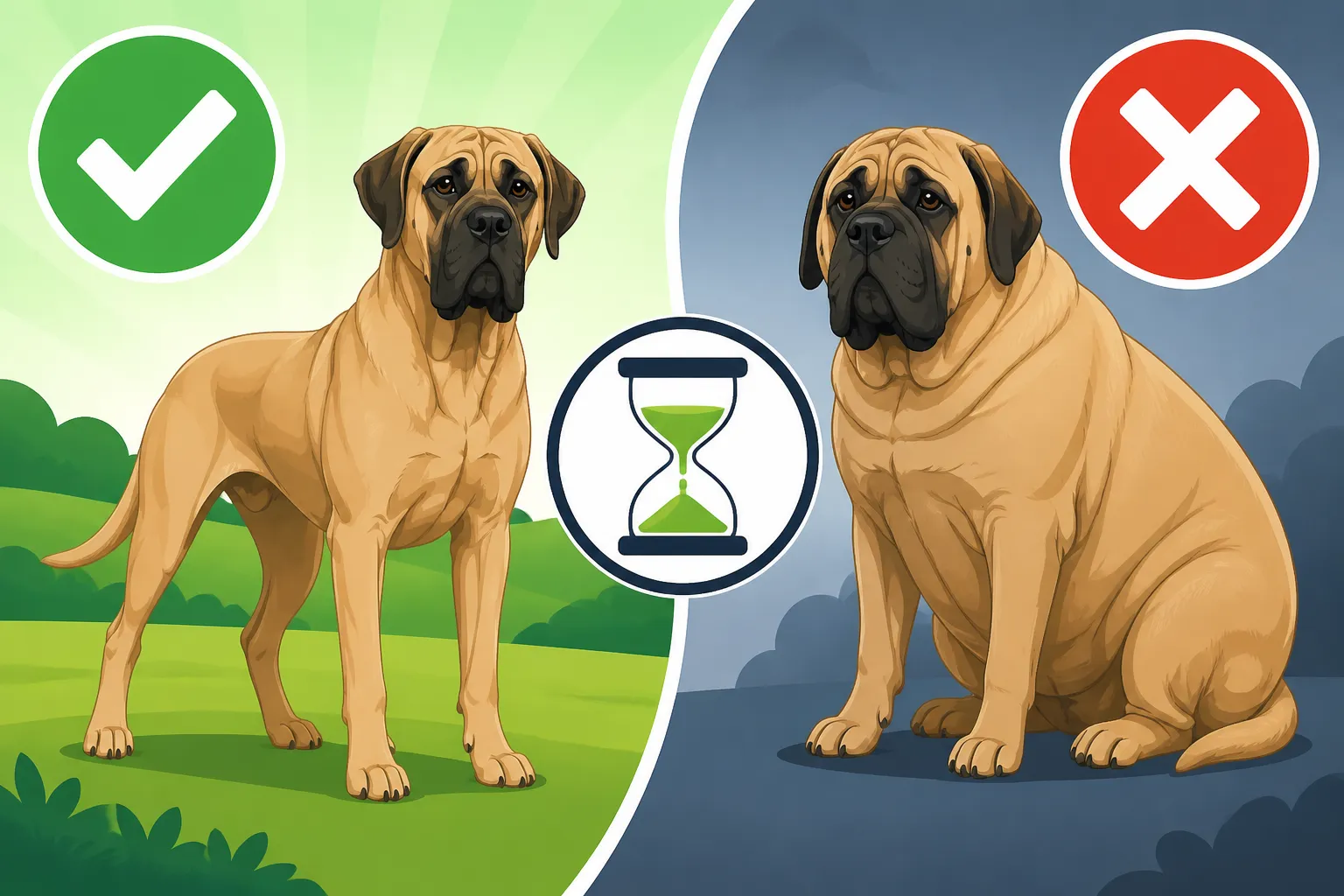
| Feature | Ideal Body Condition (BCS 4-5) | Overweight (BCS 7+) |
|---|---|---|
| Ribs | Easily felt without pressing hard, not visible | Difficult to feel, covered by fat, often invisible |
| Waist (from above) | Clearly discernible tuck behind the ribs | Little to no waist, broad back |
| Abdominal Tuck (side) | Clear upward slope from chest to pelvis | Flat or sagging belly, no tuck |
| Fat Deposits | Minimal over spine, tail base, shoulders | Moderate to heavy deposits over spine, tail base, neck |
| Overall Appearance | Muscular, athletic (for a Mastiff), well-proportioned | Rounded, heavy, often with a "waddle" or reduced muscle tone |
Learning to "read" your Mastiff's body condition by sight and touch is one of the most powerful tools you have to ensure their health.
Strategic Feeding for Slow Growth and Adult Maintenance
This is where many Mastiff owners can inadvertently do their dogs a disservice. With puppies, the temptation is to "power feed" them to achieve maximum size. However, this is precisely the opposite of what's healthy for a growing Mastiff. Rapid growth puts immense stress on their developing bones and joints, contributing to conditions like hip and elbow dysplasia. For puppies, it’s critical to focus on Why a Mastiff Puppy Must Grow Slowly. You should follow a specific The Feeding Chart a Mastiff Puppy Should Follow designed for giant breeds, ensuring they receive appropriate nutrition without excess calories. Learn How Much a Mastiff Puppy Should Eat and stick to it.
For adult Mastiffs, portion control is paramount. These dogs require surprisingly fewer calories per pound than smaller, more active breeds. It's not about feeding them enormous quantities; it's about feeding them precisely what they need to maintain a lean, healthy weight. This means careful measurement of food, consistency, and avoiding free-feeding. Read our guide on Keeping a Mastiff Lean on Purpose for more detailed strategies. Remember, their metabolism slows down significantly as they age, especially once they pass the initial growth phases around The Age a Mastiff Finishes Filling Out.
Mindful Exercise and Activity
While Mastiffs aren't marathon runners, appropriate exercise is still vital for muscle tone and overall health. The key word here is "appropriate." For puppies, strenuous exercise, jumping, and long runs are a definite no-go due to their developing joints. Focus on short, controlled walks and gentle play. As adults, Mastiffs benefit from moderate, consistent exercise. A good rule of thumb is often Why One Hour a Day Is Enough for a Mastiff of walking, spread throughout the day, and avoiding the hottest parts of the day. Swimming can be a fantastic low-impact option, if your Mastiff enjoys it and you have a safe place for them. The goal is to build and maintain muscle, not to make them into an endurance athlete. Regular movement also helps with digestive health and mental stimulation, contributing to a well-rounded healthy life.
Overcoming the Challenges of Keeping a Mastiff Lean
We’ve talked about the "how," but the "why not" is just as important. Owners often face genuine challenges when trying to keep their Mastiffs at a healthy weight, and acknowledging these hurdles is the first step toward overcoming them.
The "Big Dog" Mentality and Overfeeding
It’s a common misconception: "My dog is huge, so it needs huge amounts of food." While a Mastiff certainly eats more than a Chihuahua, the sheer volume can be misleading. Many owners, driven by love and a desire to provide for their giant companion, inadvertently overfeed. They might equate a full bowl with a happy dog, or feel guilty about restricting portions. This "big dog mentality" can lead to a consistent overestimation of caloric needs. It's crucial to remember that overfeeding, especially during puppyhood, can literally harm their long-term health, leading to lifelong joint issues. It's a tough love approach, but a necessary one, to prioritize their health over their immediate desire for more food.
Dealing with Begging and Treats
Those soulful Mastiff eyes are masters of manipulation! They know exactly how to make you feel like they haven’t eaten in days, even right after a meal. This makes resisting extra treats and table scraps incredibly difficult. However, every calorie counts, especially for a breed prone to weight gain. Treats should be high-value, small, and used sparingly for training, not as a constant snack. Consider using vegetable alternatives like carrot sticks or green beans, which are low in calories but still provide a satisfying crunch. Educating everyone in the household about consistent feeding rules is also essential, as one family member slipping up can quickly undo all your hard work.
Regular Vet Checks and Proactive Care
No matter how diligent you are, regular veterinary check-ups are non-negotiable for a Mastiff. Your vet can provide an objective assessment of your dog's Body Condition Score, help you calculate appropriate calorie intake, and address any underlying health issues that might be contributing to weight gain or loss. These appointments are also crucial for discussing preventive care, from parasite control to The Mastiff's Short Life Buys the Biggest Bills that accompany managing various health conditions. A proactive approach to health, supported by a reliable pet insurance plan like Healthy Paws, can make a huge difference in catching problems early and providing the best possible care throughout your Mastiff’s life. It's an investment in their future, helping to ensure that the answer to Whether an Overweight Mastiff Dies Younger is a resounding 'yes,' which means a lean Mastiff lives longer. Your vet is your best partner in navigating the unique health needs of your gentle giant.
Disclaimer
This article is for general informational purposes only and does not constitute professional advice. Laws, prices and regulations vary by location and change over time. Consult a qualified professional for guidance on your specific situation.