Ear Infections in a Mastiff
It's incredibly frustrating when your gentle giant starts shaking their head incessantly or scratching at their ears, a sure sign that something is amiss. Ear infections in Mastiffs are unfortunately a fairly common problem, often leading to discomfort, pain, and if left unchecked, more serious health issues. This guide is here to walk you through why these magnificent dogs are so prone to ear troubles, how to spot the signs early, and most importantly, what you can do to treat and prevent them, helping your Mastiff live a more comfortable life.
Why Mastiffs Are Prone to Ear Infections
Understanding why Mastiffs seem to battle ear infections more than some other breeds starts with a look at their unique anatomy and lifestyle. It’s not just bad luck; there are distinct reasons these gentle giants often find themselves at the vet with a sore ear.
Anatomy of the Mastiff Ear
The most significant anatomical factor contributing to ear infections in Mastiffs is their magnificent, heavy, pendulous ears. Unlike breeds with pricked ears that allow for ample airflow, a Mastiff's ears hang down, effectively covering and sealing the ear canal. This creates a warm, dark, and often humid environment that is absolutely ideal for the proliferation of opportunistic microorganisms like yeast and bacteria. Think of it like a miniature greenhouse for pathogens, tucked away neatly on the side of their head.
Beyond the external ear flap, the internal structure of a Mastiff's ear canal can also play a role. Many Mastiffs have relatively narrow ear canals compared to their sheer size, which further restricts airflow and makes natural drainage of wax and debris more challenging. Some individual Mastiffs might also have more hair growing inside their ear canals, which can trap even more moisture and debris, acting as another breeding ground for trouble. When you combine the heavy ear flap with a potentially narrow, hairy canal, you've got a perfect storm for persistent moisture and microbial growth.
Contributing Factors
While anatomy sets the stage, several other factors can actively trigger or exacerbate ear infections in a Mastiff. One of the most common culprits is moisture. Whether it's from a bath that wasn't followed by thorough ear drying, a romp in the rain, or even just high humidity, trapped water in those sealed ear canals is a primary invitation for infection. It dilutes the protective ear wax and creates the perfect moist environment for bacteria and yeast to flourish.
Allergies are another huge, often underestimated, factor. Many Mastiffs suffer from environmental allergies (atopy) or food allergies, and one of the most common ways these allergies manifest is through skin and ear inflammation. When a Mastiff is experiencing an allergic reaction, the skin lining their ear canals becomes inflamed, itchy, and often produces excessive wax. This inflamed, waxy environment is less able to defend itself, opening the door for secondary bacterial or yeast infections. Managing these underlying allergies is critical for breaking the cycle of recurrent ear infections, much like addressing issues that lead to Whether a Mastiff Gets Skin Fold Infections in other areas of their body.
Lastly, general wax buildup can be an issue. While ear wax is protective in normal amounts, excessive or impacted wax can block the ear canal, trapping moisture and debris, and becoming a source of irritation. Foreign bodies, though less common, can also sneak into the ear, especially if your Mastiff enjoys exploring tall grasses. Things like grass seeds or tiny bits of plant material can migrate deep into the ear canal, causing immense irritation and inevitably leading to infection.
Recognizing the Signs of an Ear Infection
Spotting an ear infection early is key to a faster, less complicated recovery for your Mastiff. Their stoic nature sometimes means they try to tough it out, but if you know what to look for, you can intervene quickly.
Behavioral Clues
One of the first and most obvious signs that your Mastiff might be battling an ear infection is a change in their usual behavior. You'll likely notice them head shaking with more frequency and vigor than usual. It might start subtly, then become more pronounced, sometimes even causing their heavy jowls to slap against their head. Similarly, scratching at their ears becomes a compulsive act. They might use their hind paws, or even try to rub their ears on furniture, the carpet, or even against your leg. If you see them continuously rubbing one side of their head against the ground or tilting their head persistently, it's a huge red flag.
Beyond these direct actions, look for signs of pain or discomfort. Your Mastiff might vocalize (whine or cry) when you touch their ear, or even shy away from being petted on the head. They might become generally more irritable or withdrawn, not quite themselves. Some Mastiffs might even become a bit lethargic, as chronic discomfort can wear them down. Pay attention to how they interact with you and their environment; any deviation from their norm, especially combined with ear-related behaviors, warrants a closer look.
Visible & Olfactory Indicators
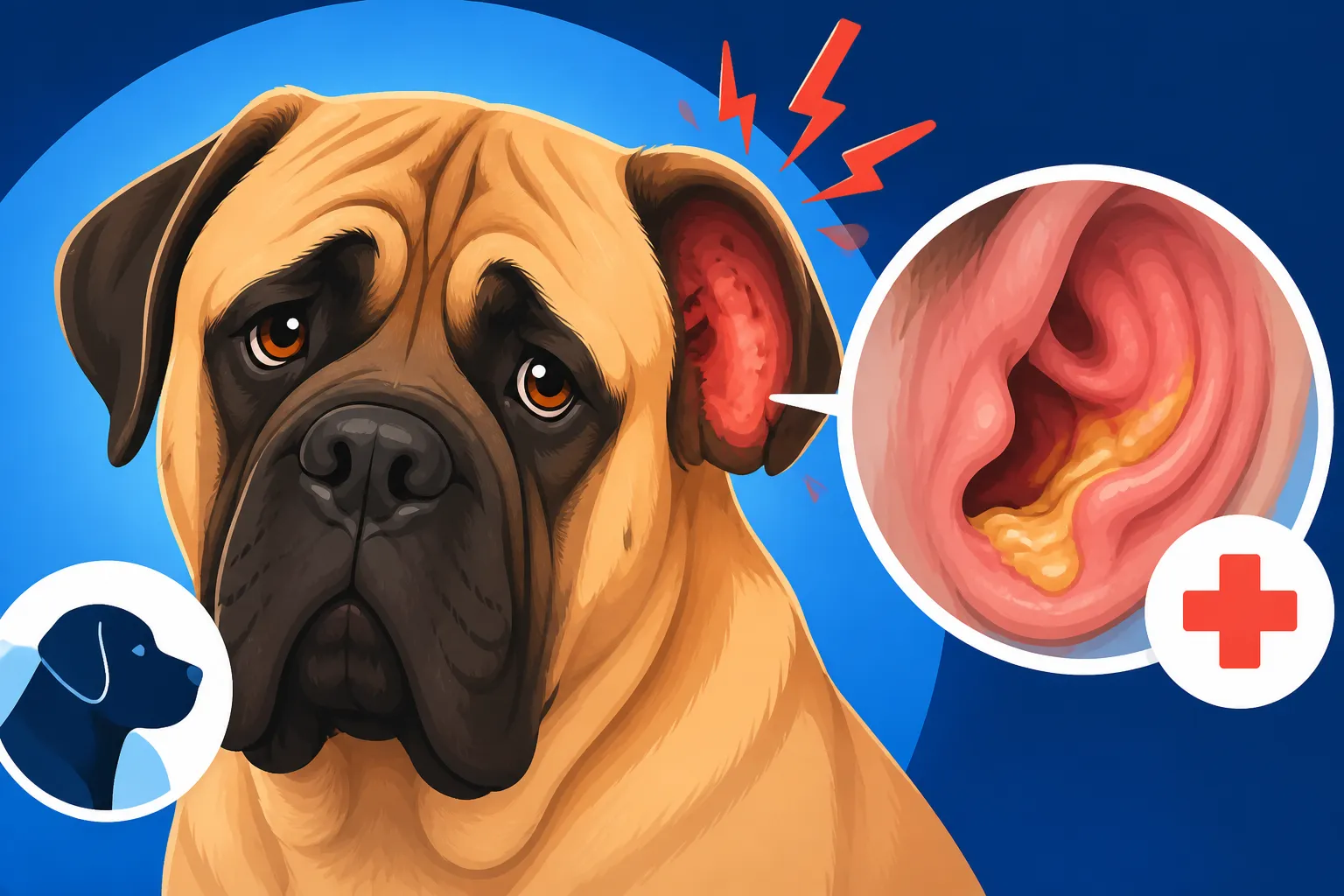
When you gently lift your Mastiff's ear flap and peek inside, there are several visual cues that point to an infection. The skin lining the ear canal might appear red, inflamed, or swollen, indicating irritation. You might see discharge – this is a major indicator. It can vary in color and consistency:
- Yellow or green pus-like discharge often suggests a bacterial infection.
- Dark brown or black, waxy, crumbly discharge is very typical of yeast infections (which often smell musty).
- Bloody discharge might indicate severe irritation, ulceration, or a foreign body.
You might also notice crusting around the opening of the ear canal or on the inside of the ear flap, especially if the discharge has been present for a while. In severe, chronic cases, the skin might even start to thicken or become hyperpigmented (darker).
Perhaps the most unmistakable sign of an ear infection, especially a yeast infection, is the smell. A healthy Mastiff ear should have minimal odor. An infected ear, however, often emits a distinct, pungent, and often yeasty or foul odor that can be quite strong. If you lean in and get a whiff of something decidedly unpleasant, it's almost certainly an infection brewing. Never ignore these visible and olfactory signals, as they are your Mastiff's way of telling you they're in distress.
Diagnosis and Treatment Approaches
When you suspect an ear infection, a trip to the vet isn't just a good idea; it's essential. Self-treating can often make things worse or mask the real issue, delaying proper healing for your big guy.
The Vet Visit
Your veterinarian will start with a thorough physical examination, paying close attention to both ears. They will carefully examine the external ear flap and then use an otoscope – a specialized instrument with a light and magnifying lens – to look deep into your Mastiff's ear canal and check the eardrum. This allows them to assess the severity of the inflammation, identify any foreign bodies, and ensure the eardrum is intact before any medications are prescribed. Seeing how inflamed and narrow a Mastiff's ear canal can get makes you realize why those regular cleanings are so vital, similar to how crucial it is to keep up with The Wrinkles and Folds a Mastiff Owner Cleans Every Week.
Crucially, your vet will almost always perform cytology. This involves gently collecting a sample of the ear discharge with a cotton swab and examining it under a microscope. Cytology helps identify the exact culprits – whether it's yeast, different types of bacteria, or even ear mites. Knowing the specific pathogen guides the choice of medication. For chronic or particularly stubborn infections, especially those that haven't responded to initial treatments, your vet might recommend a culture and sensitivity test. This involves sending a sterile sample to a lab to grow the bacteria and determine which antibiotics will be most effective against them. This targeted approach is often needed for resistant infections.
Medical Treatments
Once the cause is identified, your vet will recommend a treatment plan. Often, the first step is a professional deep ear cleaning at the clinic. This is especially important for Mastiffs with a lot of waxy buildup or debris, as it clears the way for topical medications to reach the infected tissues. This might require sedation, especially if your Mastiff is in pain or uncooperative, which can add to the overall cost, something good pet insurance like Healthy Paws can help with.
The mainstay of treatment typically involves prescribed ear drops or ointments. These can contain antibiotics to fight bacterial infections, antifungals for yeast, and often a steroid to reduce inflammation and pain. It's absolutely vital to administer these medications exactly as prescribed for the full duration, even if the ear looks better after a few days. Stopping early is a common reason for recurrence and antibiotic resistance. For severe or widespread infections, or if there's significant inflammation, your vet might also prescribe oral medications, such as antibiotics or anti-inflammatory drugs (like steroids). These work systemically to combat the infection and reduce swelling from the inside out. Remember, proper dosing is critical, and a Mastiff's sheer size means they often need substantial amounts of medication, making knowledge about topics like Why a Mastiff Is Dosed by Lean Weight and Not Scale Weight even more important.
Addressing Chronic Issues
For many Mastiff owners, ear infections aren't a one-off event; they become a frustrating, recurrent battle. If your Mastiff experiences frequent ear infections, the focus shifts to identifying and managing the underlying cause. As mentioned earlier, allergies are a prime suspect. Your vet might recommend allergy testing or a specialized elimination diet to pinpoint food sensitivities. Conditions like Hypothyroidism in a Mastiff can also manifest with skin and ear problems, so blood tests to check thyroid function might be part of the diagnostic workup.
In very rare, extreme cases where medical management repeatedly fails, and the Mastiff is suffering from severe, painful, and untreatable chronic ear disease, surgical intervention might be considered. A Total Ear Canal Ablation (TECA) is a procedure where the entire ear canal is surgically removed. This is a last resort, as it permanently affects hearing and is a major surgery with significant recovery time and costs (you might be thinking of Which Surgeries a Mastiff Needs a Specialist For for such a complex procedure). It's a decision never taken lightly, reserved for Mastiffs whose quality of life is severely impacted by incessant pain and infection. For ongoing management of chronic conditions, or if the worst-case scenario of surgery arises, having a reliable pet insurance plan in place, like one from Healthy Paws, can make a huge difference in alleviating the financial burden and allowing you to focus on your Mastiff's recovery.
Preventative Care for Healthy Mastiff Ears
While some Mastiffs seem destined for ear woes, proactive preventative care can significantly reduce the frequency and severity of infections. It’s all about creating an inhospitable environment for those pesky pathogens.
Routine Cleaning
Establishing a regular ear cleaning routine is paramount for Mastiffs. Aim for weekly or bi-weekly cleaning, especially if your dog is prone to infections or spends time swimming. You'll need a vet-approved ear cleaning solution – look for one that is gentle, pH-balanced, and ideally contains a drying agent. Avoid anything with alcohol or harsh chemicals that can irritate the delicate ear canal lining.
Here's a simple, step-by-step approach:
- Gather your supplies: Ear cleaning solution, cotton balls or soft gauze pads (never cotton swabs deep in the canal!), and some treats for your patient Mastiff.
- Lift the ear flap: Gently hold your Mastiff's ear flap straight up to expose the ear canal.
- Apply the cleaner: Squeeze a generous amount of the cleaning solution directly into the ear canal until it's full. Don't be shy; you want to flush it out.
- Massage: Gently massage the base of the ear for 20-30 seconds. You should hear a squishing sound as the solution breaks up wax and debris.
- Let them shake: Stand back! Your Mastiff will likely want to shake their head vigorously, which helps dislodge the gunk.
- Wipe clean: Use a cotton ball or gauze to wipe away any visible discharge, wax, and cleaner from the outer ear and the folds of the inner ear flap. Only clean as far as your finger can comfortably reach – never insert anything deep into the ear canal.
- Repeat if necessary: For very dirty ears, you might need to repeat the process.
- Reward: Always end with praise and a treat to make it a positive experience. This is especially important for a sensitive breed like a Mastiff.
Consistent, gentle cleaning removes excess wax, debris, and moisture, depriving bacteria and yeast of their ideal habitat.
Environmental and Dietary Management
Beyond cleaning, consider your Mastiff's overall environment and diet. If your Mastiff loves to swim or frequently gets wet during baths, always take the time to thoroughly dry their ears afterward. Use a soft towel to absorb as much moisture as possible from the outer ear, and you can even gently use a low, cool setting on a hairdryer, holding it a safe distance away and being careful not to scare them. Ensuring their sleeping areas are clean and dry can also help.
For Mastiffs with suspected allergies, addressing them is a game-changer for ear health. This might involve working with your vet on a prescription elimination diet to rule out food allergies, or discussing environmental allergy management. This could include air purifiers, frequent vacuuming, regular bathing with a hypoallergenic shampoo, or even allergy medications and desensitization injections (immunotherapy). Remember, allergies can affect their entire body, not just their ears, so addressing them can improve overall skin health and prevent issues like Eye and Eyelid Disease in a Mastiff if those are allergy-related.
Finally, regular veterinary check-ups are crucial. During your Mastiff's annual exam – or more frequently if they have a history of ear issues – your vet can perform an otoscopic exam and catch potential problems before they escalate. Think of it like a yearly tune-up for their health, including making sure you're on top of other health concerns like The Four CHIC Tests a Mastiff Breeder Must Clear. Pet insurance options, such as those offered by Healthy Paws, can be invaluable here. They can help cover the costs of these routine check-ups, diagnostic tests if an infection flares up, and even specialized treatments for chronic allergies or ear conditions, taking a significant burden off your shoulders and ensuring your Mastiff gets the best possible care without delay.
Common Ear Infection Symptoms
To help you quickly identify if your Mastiff is struggling with an ear infection, here's a summary of the most common signs:
| Symptom Category | Specific Signs to Watch For | Potential Underlying Cause |
|---|---|---|
| Behavioral | Frequent or vigorous head shaking | Inflammation, irritation, discomfort, pain |
| Constant scratching at ears with paws | Itchiness, irritation, presence of foreign body or mites | |
| Rubbing ears on furniture, ground, or people | Attempt to relieve itch or pain | |
| Tilting head to one side persistently | Discomfort in one ear, balance issues in severe cases | |
| Whining or crying when ears are touched | Pain or tenderness | |
| Changes in temperament (e.g., lethargy, irritability, withdrawal) | Chronic pain or discomfort | |
| Visible | Redness or swelling of the ear flap or canal | Inflammation, infection, allergic reaction |
| Discharge (yellow, green, dark brown/black, waxy, pus-like) | Bacterial infection (yellow/green), yeast infection (dark waxy), severe inflammation | |
| Crusting or scabbing around the ear opening | Dried discharge, secondary skin irritation | |
| Hair loss around the ears due to scratching | Self-trauma from itchiness | |
| Olfactory | Foul, strong, yeasty, or musty odor from the ear | Bacterial or yeast infection |
Disclaimer
This article is intended for informational purposes only and does not constitute veterinary advice. Always consult with a qualified veterinarian for any health concerns or before making any decisions about your Mastiff's medical care.