Whether an At Risk Mastiff Always Develops DM
It's an utterly terrifying moment for any Mastiff owner: you send off your dog's DNA sample, eager for insights into their health, only to receive results indicating they are "at-risk" for Degenerative Myelopathy (DM). This diagnosis can feel like a death sentence, casting a long, dark shadow over your bond with your gentle giant. But here's the crucial thing: an "at-risk" status doesn't automatically seal your Mastiff's fate. This guide aims to unpack what an "at-risk" DM status truly means for your Mastiff, helping you navigate the complexities and understand the reality of this challenging genetic predisposition.
Understanding Degenerative Myelopathy and Genetic Risk in Mastiffs
Degenerative Myelopathy is a progressive neurological disease affecting the spinal cord, leading to weakness and eventual paralysis in the hind limbs. It's a cruel condition because it's not painful for the dog, but it relentlessly steals their mobility and independence. For Mastiffs, a breed already prone to orthopedic issues and with a relatively short lifespan, the thought of DM is particularly heartbreaking. Understanding the genetic component is the first step in demystifying the "at-risk" label.
The Genetic Marker: What "At-Risk" Truly Means
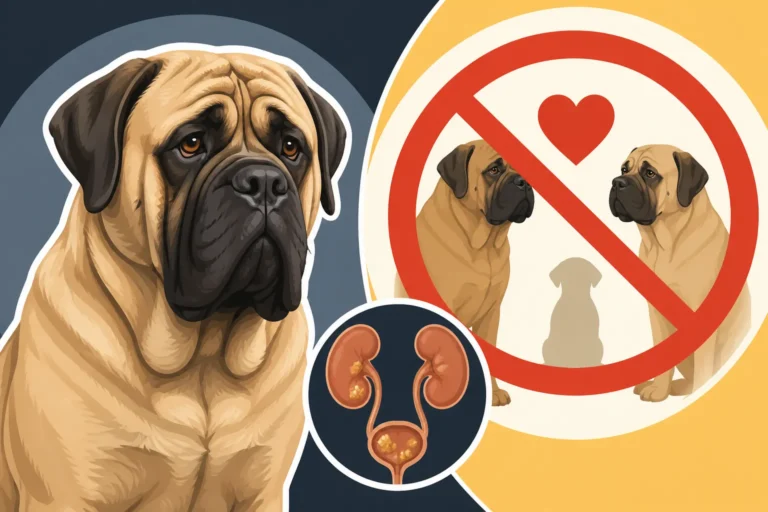
When your Mastiff is identified as "at-risk" for Degenerative Myelopathy, it means they have tested positive for two copies of the SOD1 gene mutation. This is often designated as DM/DM or A/A by genetic testing companies. The SOD1 gene is responsible for producing an enzyme called superoxide dismutase 1, which plays a role in protecting cells from oxidative damage. A mutation in this gene is strongly associated with the development of DM. However, and this is where the nuance truly lies, having two copies of this gene mutation means they have the genetic predisposition for the disease, not necessarily that they will develop it. It increases their risk significantly compared to dogs with one or no copies, but it's not a 100% guarantee. This distinction is incredibly important for owners to grasp.
Deciphering DNA Test Results and What They Don't Tell You
DNA tests for DM are incredibly valuable tools, offering breeders and owners insight into a Mastiff's genetic makeup. A clear result (N/N or A/G in some notations) means the dog does not have the mutation and cannot pass it on. A carrier result (A/N or A/G) means the dog has one copy of the mutated gene and one normal copy. Carriers usually do not develop DM themselves but can pass the gene to their offspring. An at-risk result (A/A or DM/DM) means two copies are present. While the test accurately identifies the genetic risk, it doesn't predict the onset, severity, or exact timeline of the disease. It can't tell you when your Mastiff might start showing symptoms, or even if they will. This uncertainty is precisely what makes managing an "at-risk" Mastiff so challenging and emotionally taxing for families. It’s like knowing there’s a higher probability of rain, but not if it’ll be a drizzle or a downpour, or even if it will rain at all on a specific day.
The Reality of Breeding and DM Status
For breeders, understanding the genetic status of their breeding stock is paramount. Responsible Mastiff breeders extensively screen their dogs for various health conditions, including Degenerative Myelopathy, which is why Whether a DNA Test Predicts Mastiff DM is a key piece of information. A breeding dog that tests as "at-risk" should absolutely be removed from a breeding program to prevent passing on two copies of the gene to future generations. Carriers, however, can sometimes be responsibly bred to clear dogs, ensuring that no "at-risk" puppies are produced, and that the gene pool for the Mastiff breed isn't overly restricted, especially considering the breed's already somewhat narrow genetic diversity. The goal is to reduce the incidence of the disease over time, not to eliminate entire lines based on a single gene status without considering overall health and conformation.
Beyond Genetics: Why "At-Risk" Doesn't Mean Inevitable Disease
The term "at-risk" implies a strong possibility, but it's crucial to understand that genetics aren't the sole determinant in DM. There's a complex interplay of factors that influence whether a genetically predisposed Mastiff actually develops the disease, and if so, how it progresses. This offers a glimmer of hope and emphasizes the importance of holistic care.
The Concept of Incomplete Penetrance in DM
One of the most significant concepts to grasp with DM is "incomplete penetrance." This scientific term means that even if an individual has the genetic mutation for a disease, they might not actually develop the disease during their lifetime. For Degenerative Myelopathy, this is absolutely the case. Studies have shown that a significant percentage of dogs with two copies of the SOD1 gene mutation never develop clinical signs of DM. The exact reasons for this incomplete penetrance aren't fully understood, but it suggests that other genetic modifiers or environmental triggers play a substantial role. So, while your Mastiff might be genetically "at-risk," they are not necessarily "doomed." This is a huge relief for many owners, though it doesn't remove the lingering worry entirely.
Environmental Factors and Lifestyle Influences
If genetics aren't everything, then what else matters? Researchers are actively exploring various environmental factors and lifestyle influences that might either trigger or suppress the onset of DM in genetically predisposed dogs. While definitive answers are still emerging, maintaining excellent overall health is always beneficial. This includes a balanced diet rich in antioxidants and anti-inflammatory nutrients, appropriate exercise that avoids excessive strain, and maintaining a healthy weight. Whether a Lean Mastiff Lives Longer suggests that keeping your Mastiff at an ideal body condition can mitigate stress on joints and overall health, potentially delaying the onset of various conditions, including neurological ones. While we don't have a magic bullet, providing the best possible environment and care certainly won't hurt, and it might just make a difference for an "at-risk" Mastiff.
The Spectrum of Symptoms and Progression
For those at-risk Mastiffs who do develop DM, the presentation and progression of the disease can vary widely. What Degenerative Myelopathy Does to a Mastiff outlines the common trajectory, starting with subtle weakness in the hindquarters, scuffing of paws, and an uncoordinated gait. However, some dogs might experience a much slower progression, with symptoms appearing late in life, while others might progress more rapidly. The age of onset also varies; The Age Degenerative Myelopathy Starts in a Mastiff typically falls between 8 and 14 years, meaning many Mastiffs, with their shorter lifespans, might not live long enough for the disease to manifest clinically, even if they are genetically predisposed. This variability underscores that an "at-risk" status is just one piece of a much larger and often unpredictable puzzle.
Here's a quick overview of what the genetic test results mean:
| Genetic Status (SOD1) | Interpretation | Risk of Developing DM | Recommended Breeding Status |
|---|---|---|---|
| N/N (Clear) | Has no copies of the DM mutation. | Extremely Low | Can be bred to any dog. |
| A/N (Carrier) | Has one copy of the DM mutation. | Very Low | Should only be bred to Clear (N/N) dogs. |
| A/A (At-Risk) | Has two copies of the DM mutation. | Significantly High | Should not be bred. |
Proactive Care and Support for an At-Risk Mastiff
Living with an "at-risk" Mastiff requires a proactive and supportive approach. While you can't change their genetics, you can certainly influence their overall health and quality of life. This means a strong partnership with your vet, careful attention to their lifestyle, and preparing yourself emotionally for the possibilities.
Working Closely with Your Veterinarian
If your Mastiff tests as "at-risk," your veterinarian becomes an even more critical partner. Regular check-ups are essential, and you should discuss your dog's DM status with them. They can help you establish a baseline for your Mastiff's neurological function and monitor for any subtle changes over time. Your vet can also advise on appropriate exercise regimens that support muscle strength without overstressing joints, which is crucial given The Shifting Lameness of a Growing Mastiff and other orthopedic concerns common in the breed. While there's no cure for DM, early detection of symptoms allows for interventions aimed at maintaining comfort and mobility for as long as possible. Don't hesitate to ask your vet about the latest research or specialists in your area who might have particular expertise in canine neurology.
Lifestyle Adjustments and Nutritional Support
For an at-risk Mastiff, focusing on optimal health is paramount. A diet rich in antioxidants, omega-3 fatty acids, and B vitamins is often recommended to support neurological health. Some vets might suggest specific joint supplements for a Mastiff, or even a regimen that includes ingredients like N-acetylcysteine, alpha-lipoic acid, and coenzyme Q10, all of which are thought to have neuroprotective properties, although specific studies on DM efficacy are ongoing. Regular, moderate exercise is vital to maintain muscle tone and overall fitness, but avoid excessive impact or overexertion. Think gentle walks, controlled leash exercise, and perhaps even swimming if your Mastiff enjoys it and it's a safe activity, as it provides excellent low-impact muscle building. Keeping your Mastiff at a healthy weight is also extremely important, as excess weight puts additional strain on their joints and spinal column.
Preparing for Potential Challenges and Emotional Support
Even with the knowledge of incomplete penetrance, living with an at-risk Mastiff carries a heavy emotional burden. It’s natural to watch your dog constantly, scrutinizing every stumble or slight change in gait. This vigilance can be exhausting. It's important to remember that not every sign of weakness or stiffness is DM; it could be arthritis, an injury, or simply the normal slowing down associated with Caring for a Mastiff Past Five. Having a support system, whether it's understanding friends, family, or online communities of Mastiff owners, can make a huge difference. Educating yourself about What Degenerative Myelopathy Does to a Mastiff can help you understand what to watch for, but try not to let the fear overshadow the joy of your time together. Focus on providing the best quality of life now, rather than getting lost in anxieties about a future that may or may not come to pass.
Navigating the Future with an At-Risk Mastiff
While there's no crystal ball, understanding how to monitor for signs, plan financially, and find support can empower you to give your at-risk Mastiff the best possible life, regardless of what the future holds.
Monitoring for Early Signs and Symptoms
For an at-risk Mastiff, vigilance without obsession is key. Pay close attention to subtle changes in their gait, especially in the hind legs. Are they scuffing their nails more frequently? Do they seem less coordinated when turning or getting up? Is there any weakness or slight dragging of their paws? You might notice changes in their paw pads, as the dog drags them more often, or even a loss of balance. It's easy to mistake early DM signs for general arthritis, so having a baseline from your vet and discussing any new observations is important. Your vet may conduct neurological exams, checking reflexes and proprioception (awareness of limb position). Early intervention with physical therapy, like that discussed in Whether Physical Therapy Slows a Mastiff's DM, can often help manage symptoms and maintain muscle mass for a longer period, improving the dog's quality of life.
Financial Planning and Pet Insurance Considerations
Caring for any Mastiff comes with significant financial considerations, as their sheer size means higher costs for everything from food to medication to veterinary care. When you factor in the potential for a chronic condition like DM, the costs can escalate dramatically. The Mastiff's Short Life Buys the Biggest Bills, and a neurological condition only adds to that. Pet insurance can be a lifesaver in these situations. Brands like Healthy Paws offer comprehensive coverage that can help offset the expense of diagnostic tests, ongoing veterinary visits, medications, and physical therapy should DM develop. It's wise to consider insurance early, ideally before any "at-risk" status is known or symptoms appear, as DM, like many chronic conditions, would be considered a pre-existing condition if diagnosed before coverage begins. Even if your Mastiff tests "at-risk," a good policy can cover other potential illnesses and injuries, which are always a concern for a giant breed.
Finding Community and Support
The journey with an at-risk Mastiff can feel isolating, but you are absolutely not alone. There are numerous online forums, social media groups, and local communities dedicated to Mastiff owners and those caring for dogs with Degenerative Myelopathy. Connecting with others who understand the unique challenges and emotional toll can provide invaluable support, practical advice, and a sense of camaraderie. These communities often share tips on managing symptoms, adapting your home, and even discussing options like carts for when How a Mastiff's Hind End Fails With DM progresses. Knowing that others have walked this path, or are walking it alongside you, can make a world of difference in your ability to cope and continue providing the best care for your beloved Mastiff.
Disclaimer
The information provided in this article is for general informational purposes only and does not constitute veterinary advice. Always consult with a qualified veterinarian for any health concerns or before making any decisions about your Mastiff's care, diet, or treatment. Genetic testing for Degenerative Myelopathy is a valuable tool, but interpretation should always be done in conjunction with your veterinarian.