How Long a Mastiff Must Rest After a Meal
It’s a scenario that every Mastiff owner dreads: you’ve just fed your gentle giant, and now they’re full of beans, wanting to play or zoom around the yard. But in the back of your mind, there’s that terrifying whisper of "bloat." Knowing exactly how long your Mastiff needs to rest after a meal isn't just a recommendation; it's a critical piece of information that could quite literally save their life. This guide will walk you through the essential post-meal routine to keep your beloved Mastiff safe and sound.
The Urgent Danger of Bloat in Mastiffs
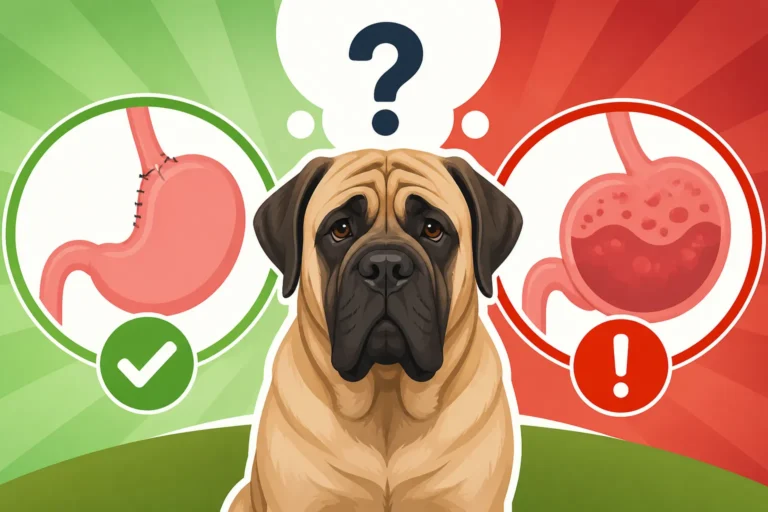
Bloat, medically known as Gastric Dilatation-Volvulus (GDV), is a sudden, life-threatening condition where a dog's stomach fills with gas, food, or fluid and then often twists upon itself. This cuts off blood supply to the stomach and can lead to organ damage, shock, and death within hours if not treated immediately. For Mastiff owners, this isn't just a concern; it's a profound anxiety that shapes daily routines, and for good reason.
Why Mastiffs Are Particularly Susceptible to Bloat
Mastiffs, like many other large and giant breeds, are unfortunately predisposed to bloat. Their deep, narrow chests are a significant anatomical factor. Imagine a balloon tied at both ends and then trying to spin it inside a tight tube – that’s a simplified, albeit harrowing, image of what can happen to a Mastiff’s stomach. The sheer volume of their chest cavity allows the stomach more room to move and twist, especially when distended with gas or food. It’s a cruel irony that such magnificent creatures are so vulnerable to this silent, swift killer. If you want to learn more about this predisposition, check out our article on Why the Mastiff Has the Deepest Chest of Any Breed.
The frustration for many Mastiff parents comes from the seemingly unpredictable nature of bloat. You can do everything "right" and still face this emergency. However, understanding the risk factors, particularly post-meal activity, empowers you to mitigate one of the most significant triggers.
The Immediate Risks of Activity After Eating
When a Mastiff eats, their stomach fills and becomes heavier. If they then engage in vigorous activity like running, jumping, or even rough play, that heavy, full stomach can swing and rotate. It’s like a pendular motion that can lead to the dreaded torsion. The stomach twists, trapping gas and fluid inside, and rapidly cutting off blood flow. This isn't just about physical exertion; even stress or excitement after eating can contribute to the risk by affecting digestive processes and muscle contractions.
Think of it this way: if you've ever eaten a large meal and then tried to run, you know that uncomfortable sloshing feeling. For a Mastiff, that sloshing can have deadly consequences. It's not just running; things like jumping off the couch, bounding down stairs, or enthusiastic greetings at the door immediately after a meal can be risky. It's crucial to understand What Triggers Bloat in a Mastiff beyond just food.
Understanding the Ideal Post-Meal Rest Period
So, how long is enough? This is the million-dollar question that weighs on every Mastiff owner's mind. The goal is to allow the stomach to settle, digest the food, and begin emptying into the small intestine without any unnecessary jostling or stress.
Recommended Downtime: What the Experts Say
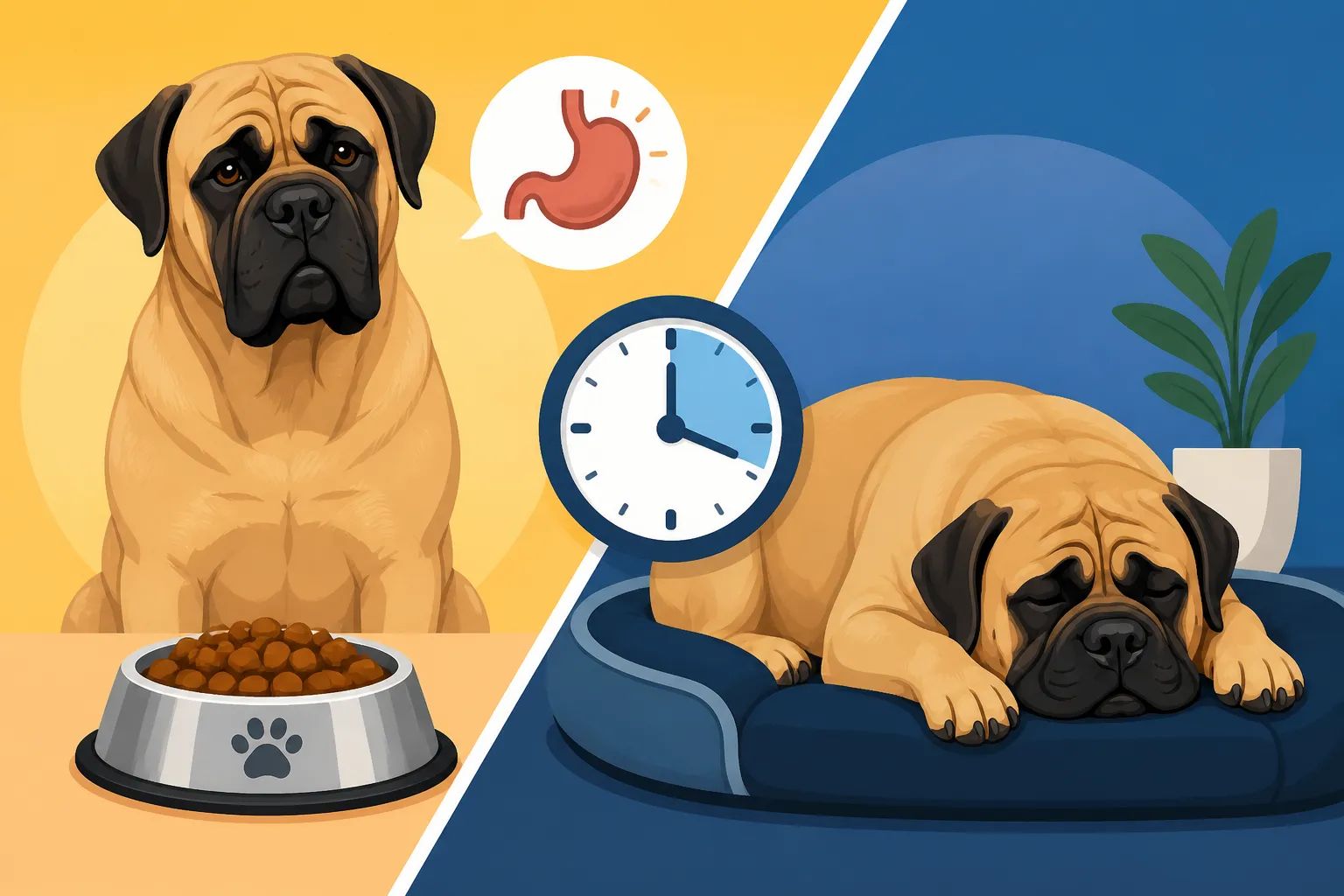
General consensus among veterinary professionals and experienced Mastiff breeders suggests a significant rest period after meals. The magic number often cited is at least 60-90 minutes, with many recommending two hours (120 minutes). This timeframe allows for sufficient gastric emptying and reduces the likelihood of the stomach twisting if the dog moves.
During this period, "rest" truly means rest. No excited greetings, no enthusiastic play, no running around the yard, and ideally, no long walks. A short, leashed potty break immediately after eating is usually acceptable, but then it's back to a calm, quiet environment. This diligent approach can feel restrictive, especially with a lively puppy, but it’s a non-negotiable part of responsible Mastiff ownership. It's a small sacrifice for such a huge gain in safety.
Factors Influencing Post-Meal Rest Needs
While the two-hour rule is a great baseline, several factors can influence just how long your individual Mastiff might need to truly settle down.
- Meal Size: A larger meal, naturally, means more volume in the stomach and potentially a longer digestion time. If your Mastiff has eaten a particularly generous portion, consider extending the rest period. This is especially true if you are still figuring out How Much a Mastiff Puppy Should Eat and accidentally overfeed.
- Food Type: Some foods, particularly dry kibble, can expand in the stomach as they absorb water. This increased volume can contribute to bloat risk. If you feed a kibble that's known to expand significantly, ensuring a longer, more complete rest period is even more vital. Consider if Whether a Slow Feeder Reduces a Mastiff's Bloat Risk for fast eaters is part of your strategy.
- Individual Temperament: An anxious or highly excitable Mastiff might be more prone to stress-induced bloat. For these dogs, creating an extra-calm environment and strictly enforcing rest becomes paramount. Their overall emotional state impacts their physical well-being more than we sometimes realize.
- Age: While bloat can strike at any age, older Mastiffs may have slower digestive systems and potentially weakened stomach ligaments, making them slightly more vulnerable. Puppies, on the other hand, are often full of boundless energy, making it challenging to enforce rest. However, their developing bodies are also susceptible, so consistency is key from a young age.
The Science Behind Post-Meal Digestion
To truly understand why this rest period is so important, it helps to grasp a bit of the underlying physiology. When food enters the stomach, it triggers a complex series of digestive processes. The stomach muscles contract to mix the food with digestive enzymes and acids. This initial phase, where the stomach is full and actively working, is when it's most vulnerable to twisting.
The longer your Mastiff remains calm, the more efficiently their parasympathetic nervous system (often called the "rest and digest" system) can do its job. This encourages proper stomach motility and gastric emptying, moving the food steadily into the small intestine. Without proper rest, the sympathetic nervous system ("fight or flight") might dominate, leading to disrupted digestion, increased gas production, and a higher risk of the stomach becoming distended and twisting. It's about letting biology do its work unimpeded.
Practical Strategies for Enforcing Post-Meal Calm
It’s one thing to know the rules; it’s another to implement them with a 150-200+ pound dog. Mastiffs, despite their size, are often deeply sensitive creatures, and loud, harsh corrections are rarely effective. Gentle, consistent methods work best.
Creating a Peaceful Post-Meal Environment
Your home environment plays a huge role in successful post-meal rest.
- Designate a "Rest Zone": Have a specific, quiet area where your Mastiff can relax after eating. This could be their bed in a low-traffic room, a quiet corner of the living room, or even their crate if they are comfortable and used to it. The idea is to create an area free from temptations to play or become agitated.
- Minimize Excitement: This is crucial. Avoid visitors arriving right after dinner, keep children calm and away from the dog, and try to keep other pets from instigating play. If the doorbell rings, be prepared to manage the situation calmly, perhaps by leading your Mastiff to their designated spot before opening the door. Even the initial signs of impending bloat, such as restlessness or pacing, can be exacerbated by excitement. Understanding The First Sign a Mastiff Is Bloating can help you react, but preventing it is always better.
- Gentle Potty Breaks Only: A short, leashed trip outside for elimination immediately after eating is usually fine. Just ensure it's a calm walk, not a sprint, and bring them straight back inside to their rest area. The goal is to avoid any sudden movements that could upset their full stomach.
Incorporating Routine and Training
Consistency is your best friend when managing a Mastiff. These intelligent dogs thrive on routine.
- Consistent Feeding Schedule: Feeding your Mastiff two meals a day at consistent times is highly recommended. This helps regulate their digestive system and makes it easier to schedule their rest periods. Many experts advocate for Two Meals a Day Lower a Mastiff's Bloat Risk compared to one large meal.
- "Place" or "Settle" Command: Teach your Mastiff a "place" or "settle" command that directs them to their designated rest area. Reward calm behavior generously with quiet praise or a gentle pet. This makes the rest period a positive, predictable experience rather than a punishment.
- Utilize Crates (if applicable): If your Mastiff is happily crate-trained, their crate can be an excellent, safe, and quiet space for post-meal rest. Just ensure it's large enough for them to stand, turn around, and lie down comfortably. Knowing How Long a Mastiff Copes Alone is important if this is a regular strategy. Never force a Mastiff into a crate they dislike, especially when they need to be calm.
- Consider Pet Insurance: While not directly related to enforcing calm, financial peace of mind can reduce stress during emergencies. Companies like Healthy Paws offer comprehensive pet insurance that can be invaluable if your Mastiff ever does experience bloat, covering a significant portion of the emergency surgery costs.
Adjusting Activity Levels and Exercise Timing
Rethinking your daily schedule to prioritize safe exercise timing is fundamental for Mastiff health.
- Exercise Before Meals: The golden rule is to schedule any vigorous exercise before meals. A good long walk, a session of gentle play, or even training can be done safely before breakfast or dinner. Then, they can eat and settle down without the urge to immediately run off energy. Remember, Why One Hour a Day Is Enough for a Mastiff, and this should be timed wisely.
- No Roughhousing Post-Meal: This means no tug-of-war, no wrestling, and no chasing games for at least two hours after eating. Be firm but gentle with family members, especially children, about this rule. It’s an easy habit to fall into, but it’s too risky.
- Even Calm Activities Matter: While a gentle stroll might seem harmless, it's best to keep even calm walks short and on-leash during the immediate post-meal period. The focus should truly be on relaxation and minimal movement to allow the digestive process to proceed smoothly.
Here’s a quick overview of what to encourage and what to avoid after your Mastiff's meal:
| Activity Type | Recommended Post-Meal Action | Risk Level |
|---|---|---|
| Eating | Followed by strict rest | Very Low |
| Short, Leashed Potty Break | Acceptable (5-10 min) | Low |
| Sleeping/Napping | Highly encouraged | Very Low |
| Chewing a safe, calm toy | Acceptable | Low |
| Vigorous Play/Running | Strictly avoid | Very High |
| Jumping/Bounding | Strictly avoid | Very High |
| Long Walks/Hikes | Strictly avoid | High |
| Excited Greetings | Strictly avoid | High |
| Car Rides | Avoid (can induce stress/motion) | Moderate |
Recognizing Warning Signs and When to Act
Even with the most diligent prevention, bloat can still happen. Being able to recognize the signs early is your Mastiff's best chance of survival. This isn't a condition where you can "wait and see"; it demands immediate action.
Identifying Early Symptoms of Bloat
Bloat symptoms can come on rapidly, often within an hour or two of eating, but can also occur at other times. Familiarize yourself with these crucial indicators:
- Restlessness and Pacing: Your Mastiff might be unable to get comfortable, constantly shifting position, or pacing aimlessly. They might look at their side or abdomen.
- Unproductive Retching: This is a classic sign. Your dog will try to vomit but nothing, or very little, comes up. They might be drooling excessively during these attempts. This is a terrifying sign, and one of the most common early indicators. If you observe this, act immediately.
- Distended Abdomen: The belly may appear visibly swollen, particularly on the left side, and feel hard and tight when gently pressed. In a Mastiff, this can be harder to spot due to their naturally large build, so comparison to their normal size is important.
- Pain and Discomfort: Your Mastiff may whine, groan, or show signs of discomfort if you touch their belly. They might resist lying down.
- Excessive Drooling: More drool than usual can be a sign of nausea or distress.
- Rapid, Shallow Breathing: As the stomach distends, it puts pressure on the diaphragm, making breathing difficult.
- Pale Gums and Weakness: These are signs of shock and indicate the condition is advancing quickly.
If you see any of these signs, especially productive retching that yields nothing, do not hesitate. This is a critical emergency. Every minute counts when it comes to bloat, and you literally have How Long a Bloating Mastiff Has Before Surgery.
The Critical Importance of Immediate Veterinary Care
Bloat is an absolute, non-negotiable emergency. There is no home remedy, no waiting it out. If you suspect bloat, you need to get your Mastiff to the nearest emergency veterinary clinic immediately. Call ahead if you can, to let them know you're coming and what you suspect, so they can prepare for your arrival.
- Know Your Emergency Vet: Have the address and phone number of the closest 24-hour emergency veterinary hospital programmed into your phone. Identify the fastest route, considering potential traffic. Time is truly of the essence.
- Financial Preparedness: Bloat surgery is expensive, often ranging from $2,500 to $7,500 or more, depending on your location, the severity of the case, and post-operative care. This is where pet insurance, like a policy from Healthy Paws, can be a lifesaver, allowing you to focus on your dog's health rather than the crushing financial burden. Many Mastiff owners find that The Mastiff's Short Life Buys the Biggest Bills and plan for these possibilities.
- Gastropexy: For Mastiffs at high risk or those who have survived a bloat episode, a prophylactic gastropexy is often recommended. This surgical procedure involves stitching the stomach to the abdominal wall, preventing it from twisting in the future. While it doesn't prevent the stomach from dilating (bloating with gas), it dramatically reduces the risk of the fatal twisting. It's important to note that Whether a Gastropexied Mastiff Can Still Bloat is a common question, and while it can still dilate, the torsion risk is significantly reduced. Discuss this preventative measure with your veterinarian.
Ultimately, ensuring your Mastiff rests adequately after meals is one of the most impactful things you can do to protect them from bloat. It requires vigilance and consistency, but the peace of mind knowing you've minimized this dreadful risk is priceless. Your Mastiff depends on you for their well-being, and providing a calm, safe environment after dinner is a fundamental part of that care.
Disclaimer
This article is for general informational purposes only and does not constitute professional advice. Laws, prices and regulations vary by location and change over time. Consult a qualified professional for guidance on your specific situation.