How Common Hip Dysplasia Is in Mastiffs
Bringing a magnificent Mastiff into your home is an incredible joy, but it also comes with a unique set of responsibilities, especially when it comes to their health. One of the biggest worries many Mastiff owners face, or potential owners contemplate, is the likelihood of their gentle giant suffering from hip dysplasia. It's a condition that can cast a long shadow over an otherwise happy, healthy life for these massive dogs. This comprehensive guide will delve deep into how common hip dysplasia truly is in Mastiffs, what causes it, and most importantly, what you can do to help prevent and manage this challenging condition.
The Stark Reality of Hip Dysplasia in Mastiffs
It's a tough truth, but hip dysplasia is indeed a significant concern within the Mastiff breed. Their sheer size and rapid growth rate unfortunately predispose them to this debilitating joint condition more than many other breeds. Understanding the statistics and the biomechanics behind it is the first step in being a proactive and informed Mastiff parent.
Understanding the Numbers
When we talk about how common hip dysplasia is, we often look to organizations like the Orthopedic Foundation for Animals (OFA). The OFA collects and certifies health clearances for various canine breeds, including Mastiffs. Their statistics reveal a rather sobering picture for our beloved giants. Among Mastiffs evaluated by the OFA, roughly 20-25% are found to have hip dysplasia. This means that about one in four Mastiffs, on average, who undergo this specific evaluation, will show some degree of hip dysplasia. This isn't a small number; it represents a substantial portion of the breed and highlights why responsible breeding and diligent care are absolutely paramount. This rate is considerably higher than what you might see in many smaller or more moderately sized breeds, making it a distinct characteristic of the challenges faced by giant breeds.
It's not just a mild inconvenience; hip dysplasia can range from a very slight laxity in the joint to severe malformation, leading to chronic pain, lameness, and significantly reduced quality of life. Owners of Mastiffs often face the heartbreak of seeing their stoic companions struggle with mobility long before their golden years, a situation that really underscores the importance of understanding why a Mastiff's hips fail under its own weight. We're talking about dogs that can weigh upwards of 200 pounds, sometimes even more, and that immense load puts an incredible strain on structurally unsound joints.
Why Giants Are Particularly Susceptible
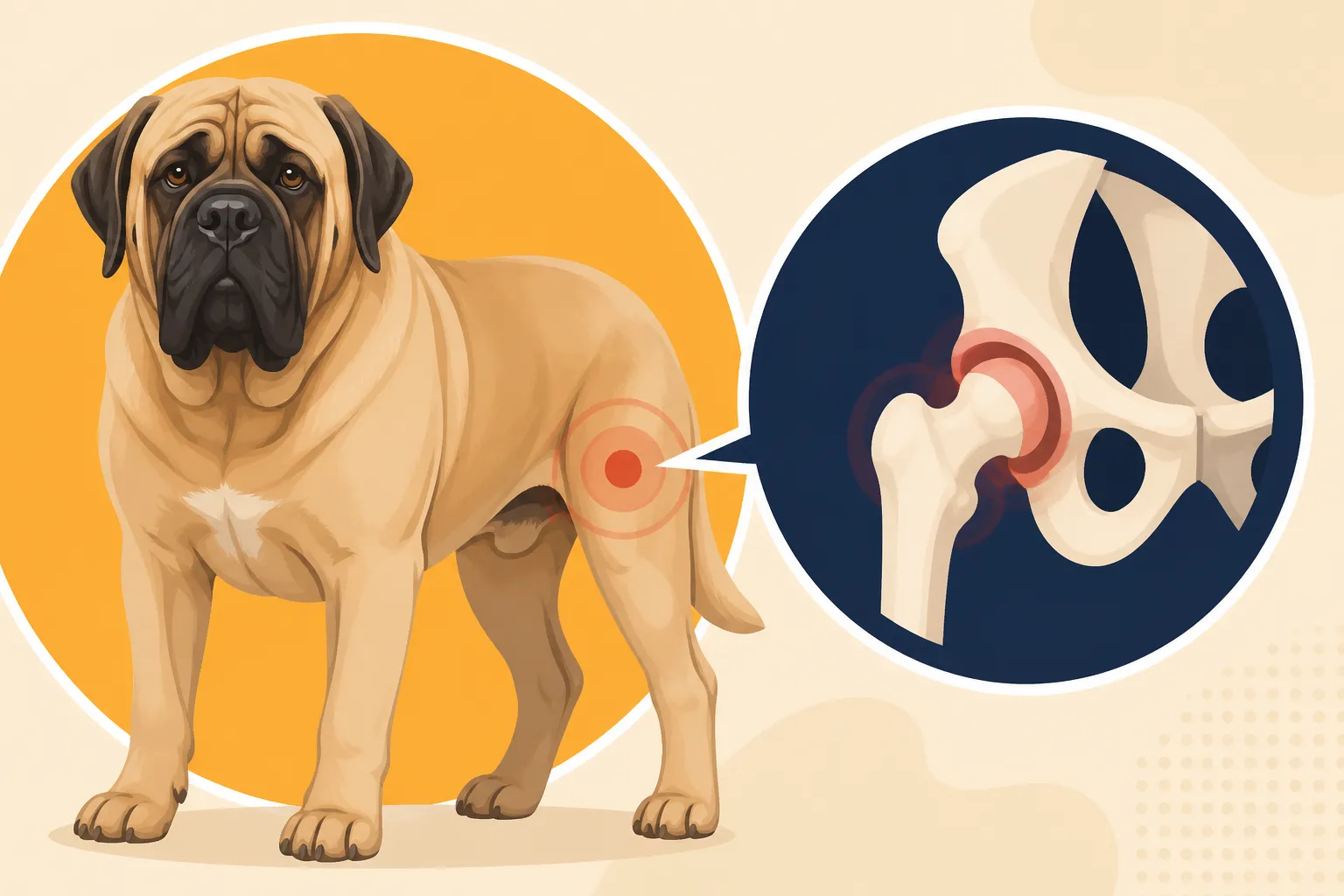
The physics of a giant breed like a Mastiff plays a huge role in their susceptibility to hip dysplasia. Imagine the sheer forces at play in a dog that can stand nearly three feet tall at the shoulder and carry the weight of a small human. The hip joint, a ball-and-socket mechanism, is designed to articulate smoothly. In a dysplastic hip, this fit is compromised – the socket might be too shallow, the ball might be flattened, or the ligaments holding them together might be too loose. This poor fit causes friction, inflammation, and eventually, degenerative joint disease (arthritis).
During their first year, a Mastiff puppy experiences an astonishing growth spurt, sometimes gaining several pounds a week. This rapid increase in size means their skeletal structure, including their hips, is developing at an accelerated pace. If there are any underlying genetic predispositions or environmental factors that put stress on these rapidly forming joints, the chances of malformation increase dramatically. It's a delicate balance during this critical growth phase, where too much stress or incorrect nutrition can have lasting negative impacts. The massive body weight on still-developing joints is a recipe for trouble if not managed meticulously.
More Than Just Genes: Contributing Factors to Hip Dysplasia
While genetics are undoubtedly a primary driver of hip dysplasia, it's a mistake to think it's the only factor. A complex interplay of hereditary predisposition and environmental influences dictates whether a Mastiff ultimately develops the condition and how severe it becomes. As owners, understanding these factors gives us powerful tools to mitigate risk.
The Role of Genetics and Responsible Breeding
At its core, hip dysplasia is a polygenic inherited trait, meaning multiple genes contribute to its expression, rather than just one simple gene. This makes it challenging to eradicate entirely, but responsible breeding practices are still our best defense. Reputable Mastiff breeders go to great lengths to ensure their breeding stock has excellent hip health clearances. This typically involves evaluations by organizations like the OFA or PennHIP. The OFA provides a grading system (Excellent, Good, Fair, Borderline, Mild, Moderate, Severe), and breeders should only be breeding dogs with "Fair" or better hip scores.
When considering a puppy, it's absolutely crucial to ask to see the hip certifications for both parents. A good breeder will be transparent and proud to show you these documents. Ignoring health clearances is a risky gamble that often leads to heartache and massive vet bills down the line. You want to make sure the CHIC Tests both Mastiff parents must clear, including hip evaluations, have been done. Skipping these vital steps to save money on a puppy is a false economy, as a cheap Mastiff almost certainly skipped the CHIC tests, potentially passing on these serious health issues. Genetic screening helps, but it’s not a complete picture for polygenic traits.
Environmental Influences During Growth
Even with impeccable genetics, a Mastiff's environment during its rapid growth phase can significantly impact its hip development. This is where owners have the most direct control and influence. One of the biggest culprits is overfeeding. While it might seem counterintuitive, allowing a Mastiff puppy to grow too quickly puts excessive strain on their developing bones and joints. They need to grow slowly and steadily, maintaining a lean body condition where you can easily feel their ribs but not see them prominently. Specialized large breed puppy foods are formulated with appropriate calcium and phosphorus levels to support this controlled growth.
Another critical factor is inappropriate exercise. Intense, high-impact activities like prolonged running, jumping, or excessive stair climbing are absolute no-nos for a growing Mastiff puppy. Their joints are still soft and vulnerable. Instead, short, controlled walks on soft surfaces are best. Imagine what stairs are worse for a Mastiff than any breed; the impact on their growing joints is immense. Similarly, bare floors do to a growing Mastiff what ice does to a human – they cause slipping and splaying, which can torque developing joints. Providing good traction with rugs or carpet runners throughout your home is essential. The goal is to allow their skeletal structure to mature properly without undue stress.
Lifestyle and Weight Management in Adult Mastiffs
The battle against hip dysplasia doesn't end when your Mastiff stops growing. Maintaining a healthy weight throughout their adult life is arguably the single most important thing an owner can do to support joint health. An overweight Mastiff carries even more strain on already susceptible hips, accelerating the onset and severity of arthritis that accompanies dysplasia. Every extra pound acts like a constant, grinding force on the joint cartilage.
Keeping a Mastiff lean on purpose means being vigilant about their food intake and ensuring they get consistent, appropriate exercise. Regular, moderate walks are far better than sporadic, intense bursts of activity. Many owners don't realize that a lean Mastiff lives longer, not just healthier. A common misconception is that a Mastiff should be massive and chunky. While they are indeed substantial, they should be well-muscled and have a discernibly tucked waist. Consult your vet to establish an ideal body condition score and feeding plan for your individual dog. Preventing obesity is a lifelong commitment that pays dividends in comfort and mobility.
Early Detection and Proactive Management Strategies
Dealing with hip dysplasia can feel overwhelming, but early detection and a proactive management plan can make a world of difference in your Mastiff's comfort and quality of life. It's about being observant, working closely with your veterinarian, and sometimes, making significant lifestyle adjustments.
Recognizing the Signs
One of the challenges with hip dysplasia is that symptoms can vary widely and often progress slowly. A Mastiff's stoic nature might also mean they hide discomfort until it's quite advanced. However, there are common signs to watch for, even in a young dog. In puppies or young adults, you might notice a "bunny hop" gait, where they move both hind legs together when running, or reluctance to go up stairs or jump into a car. They might struggle to rise from a lying position, especially after resting.
As the condition progresses, you might see more obvious lameness, stiffness, or a decreased range of motion in their hips. They may shift their weight to their front legs, leading to increased muscle mass there and wasting in their hindquarters. Some Mastiffs might show pain when their hips are touched or manipulated. The shifting lameness of a growing Mastiff can often be a subtle early indicator, sometimes dismissed as "growing pains." Don't ignore these signs; persistent limping or unusual gait warrants a vet visit. For older Mastiffs, symptoms can merge with general arthritis in a Mastiff at four, making it difficult to differentiate without X-rays.
Diagnostic Tools and Treatment Options
If you suspect hip dysplasia, your first stop is your veterinarian. They will perform a physical examination, assessing your Mastiff's gait, range of motion, and checking for pain or laxity in the hip joints. The definitive diagnosis, however, comes from X-rays. These radiographs allow the vet to visualize the hip joint structure and identify any abnormalities indicative of dysplasia. Often, sedation is required to get clear, precisely positioned X-rays, especially for a dog as large as a Mastiff.
Treatment for hip dysplasia depends on its severity and your Mastiff's age and overall health. Conservative management is often the first approach, focusing on pain relief and slowing progression. This includes:
- Weight Management: Crucial for reducing stress on the joints.
- Anti-inflammatory Medications: Non-steroidal anti-inflammatory drugs (NSAIDs) like Rimadyl or Galliprant help manage pain and inflammation.
- Joint Supplements for a Mastiff: Glucosamine, chondroitin, MSM, and Omega-3 fatty acids can support joint cartilage and reduce inflammation. Brands like Nutramax Dasuquin Advanced or Cosequin are often recommended.
- Physical Therapy: Hydrotherapy (swimming), therapeutic exercises, and massage can strengthen supporting muscles and improve mobility.
- Environmental Modifications: Ramps, orthopedic beds, and good traction surfaces.
In more severe cases, or when conservative measures fail, surgical options may be considered. These include:
- Femoral Head Ostectomy (FHO): Removing the head of the femur to create a "false joint." More common in smaller dogs, but can be an option for some Mastiffs.
- Total Hip Replacement (THR): Replacing the entire hip joint with prosthetics. This is a highly specialized and expensive procedure, but it can offer excellent outcomes for restoring function.
- Juvenile Pubic Symphysiodesis (JPS): A preventative surgery performed on very young puppies (usually before 5 months of age) to encourage better hip development.
The cost of these treatments can be substantial. For instance, what hip surgery costs on a Mastiff can easily run into thousands of dollars for diagnostics, surgery, and post-operative care. This is where pet insurance, like a policy from Healthy Paws, can be an absolute lifesaver. Having coverage from a provider like Healthy Paws can alleviate the financial strain, allowing you to focus on getting your Mastiff the best possible care without worrying about how much anesthetic a two hundred pound Mastiff takes for multiple procedures. Healthy Paws is known for its comprehensive coverage, which can be invaluable for chronic conditions like hip dysplasia.
Living with a Dysplastic Mastiff
Managing a Mastiff with hip dysplasia is a long-term commitment. Your goal is to keep them as comfortable and mobile as possible. This means a daily routine of pain management, appropriate exercise, and a supportive home environment. Regularly scheduled vet visits are essential to monitor their condition and adjust treatment plans as needed.
Consider modifying your home to make life easier for your Mastiff. Ramps can help them get into cars or navigate stairs. Orthopedic beds provide cushioned support for their heavy joints. Non-slip rugs are a must, especially in areas where they spend a lot of time. Many owners find a lifting harness incredibly useful for helping an older or more severely affected Mastiff get up or navigate short distances. Remember, even if they have some mobility issues, mental stimulation through puzzle toys or gentle training sessions is still important for their overall well-being.
Nutrition also remains key. Alongside their regular diet, specific joint support formulations or supplements can make a difference. If you have pet insurance, ensure you understand the details of your Healthy Paws policy regarding ongoing care for chronic conditions. They often cover therapies, medications, and even specialized foods recommended by your vet. While it's tough to see your magnificent dog struggle, with consistent care and a loving environment, you can ensure your Mastiff still enjoys a happy, fulfilling life, even with the challenges of hip dysplasia. When the time comes for caring for a Mastiff past five, especially one with joint issues, your proactive efforts will pay off immensely.
| OFA Hip Grade | Description | Suitability for Breeding (Generally) | Prevalence in Mastiffs |
|---|---|---|---|
| Excellent | Near perfect hip joint conformation. | Yes | Low |
| Good | Well-formed hips, slightly less congruent than excellent. | Yes | Moderate |
| Fair | Minor irregularities, but acceptable joint conformation. | Yes (often considered acceptable) | Moderate-High |
| Borderline | Minor changes, often requires re-evaluation. | No (usually recommended to re-evaluate) | Moderate |
| Mild Dysplasia | Noticeable hip laxity or minor arthritic changes. | No | Moderate |
| Moderate Dysplasia | Significant laxity, shallow sockets, or considerable arthritic changes. | No | Moderate |
| Severe Dysplasia | Grossly malformed hips with extensive arthritic changes. | No | Low-Moderate |
Disclaimer
This article is intended for informational purposes only and does not constitute veterinary advice. Always consult with a qualified veterinarian for any health concerns or before making any decisions about your Mastiff's care.