Whether a Mastiff With PRA Should Be Bred
It’s heartbreaking to watch a beloved Mastiff slowly lose its sight, navigating a once-familiar home with increasing difficulty, bumping into furniture, and hesitating on stairs. The reality of Progressive Retinal Atrophy (PRA) in Mastiffs is a heavy burden for both dog and owner, and when it comes to breeding, the stakes are even higher. This comprehensive guide will delve deep into the complexities of PRA, its genetic underpinnings, and the profound responsibility breeders hold when deciding whether a Mastiff with this condition, or even a carrier, should be part of their breeding program.
Understanding Progressive Retinal Atrophy (PRA) in Mastiffs
Progressive Retinal Atrophy (PRA) isn't a single disease but rather a blanket term for a group of inherited genetic disorders that cause the retina in a dog's eyes to degenerate over time. Imagine a camera with a faulty sensor; eventually, it just stops sending clear images. That's essentially what happens to a Mastiff's eyes affected by PRA. It’s a condition that robs them of their vision, typically starting with night blindness and progressing to complete blindness. This isn't just an inconvenience; for a giant breed like a Mastiff, losing their primary sense of navigation can be incredibly disorienting and impact their quality of life profoundly.
The thought of your gentle giant losing their way, bumping into familiar objects, or becoming withdrawn because they can't perceive their surroundings, is truly devastating. This isn't a quick onset condition; it's a slow, relentless march towards darkness, and managing a blind Mastiff brings its own unique set of challenges that many prospective owners simply aren't prepared for. Understanding the nuances of this disease is the first critical step toward making responsible breeding decisions that protect the health and well-being of future generations.
The Gradual Loss of Sight in Affected Mastiffs
The progression of PRA in Mastiffs is usually insidious, starting subtly and worsening over months or even years. Initially, owners might notice their Mastiff becoming hesitant in dimly lit areas or at dusk, struggling to find toys in low light, or appearing clumsy at night. This is typically the first sign: a loss of night vision, often referred to as nyctalopia. The rods in the retina, responsible for low-light vision, are usually the first to be affected by the degeneration. It’s not uncommon for owners to initially dismiss these signs as their dog just getting older or being a bit tired, especially in a large, naturally calm breed.
As the disease advances, the cones, which handle daylight and color vision, also begin to fail. This leads to a gradual but undeniable loss of daytime vision. You might see your Mastiff bumping into furniture in broad daylight, showing increased anxiety in new environments, or being startled more easily because they can no longer rely on their sight. This progressive blindness can significantly impact a Mastiff’s confidence and independence. It’s a slow and emotionally taxing journey for both the dog and its human companions, requiring significant adjustments to their daily routine and environment. If you're wondering, The Age a Mastiff's Vision Starts to Go often varies depending on the specific genetic mutation, but it can manifest surprisingly early in some lines.
The Genetics Behind Mastiff PRA: An Autosomal Recessive Trait
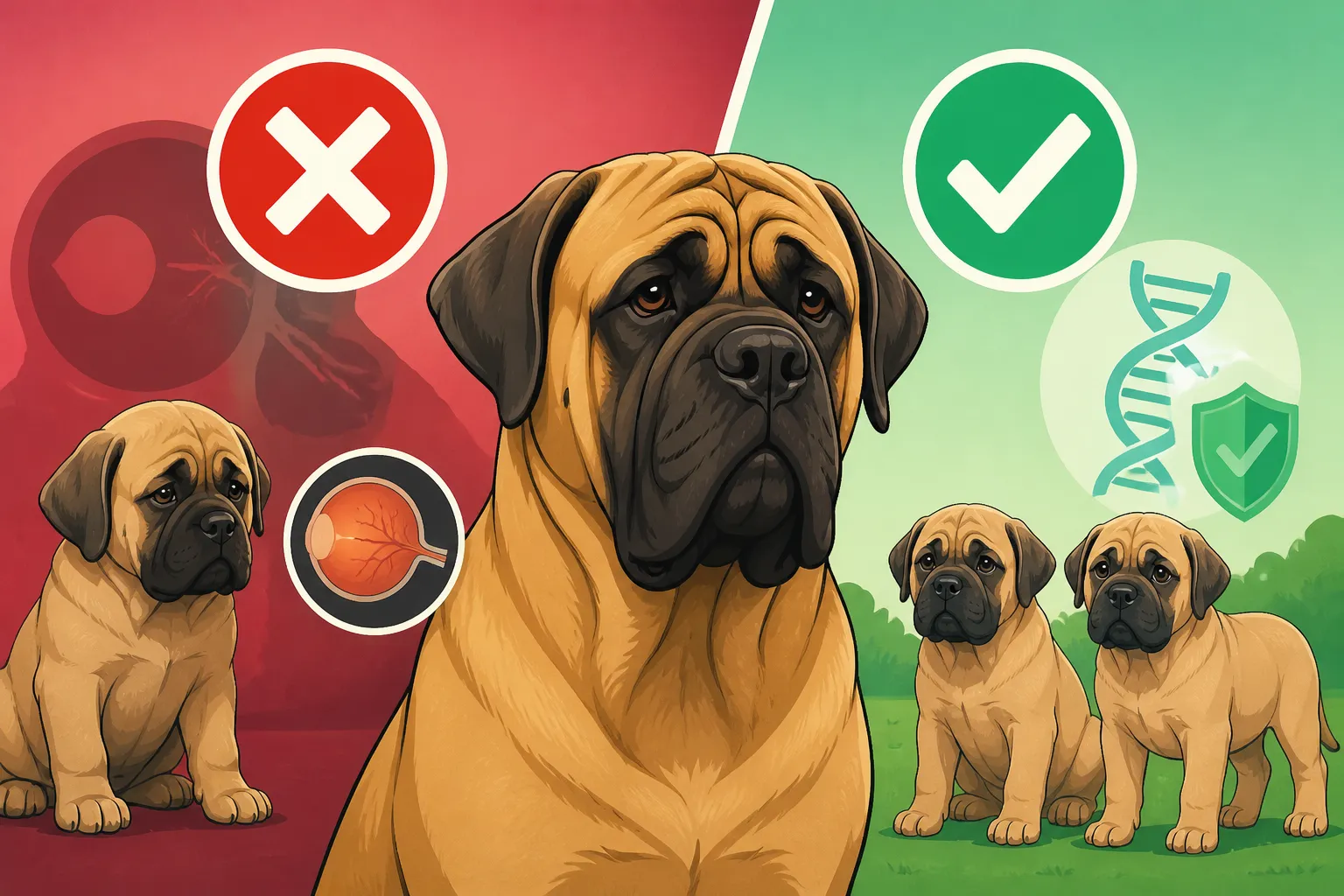
The key to understanding why breeding decisions are so crucial lies in the genetics of Mastiff PRA. Most forms of PRA, including those identified in Mastiffs, are inherited in an autosomal recessive pattern. This means that for a Mastiff to be affected by the disease and eventually go blind, it must inherit two copies of the faulty gene – one from its mother and one from its father. Dogs that inherit only one copy of the faulty gene are considered carriers.
Carriers typically do not show any symptoms of PRA themselves; their vision remains perfectly normal. This is why the disease can quietly persist within bloodlines for generations, emerging unexpectedly when two unsuspecting carriers are bred together. It's a common misconception that because a dog looks healthy, it is genetically healthy, but with recessive conditions like PRA, that's simply not the case. This hidden aspect of the disease is precisely what makes genetic testing so vital for responsible breeders. Ignoring the potential for carriers to pass on this gene is a disservice to the breed and future owners. For a deeper dive into how these genes interact, you might find it helpful to read about Why Mastiff Retinal Atrophy Needs Only One Copy of the Gene.
The Ethical Dilemma of Breeding a PRA-Affected or Carrier Mastiff
When we talk about breeding, we're not just talking about producing puppies; we're talking about shaping the future health and welfare of an entire breed. For Mastiffs, a breed already facing a Six to Ten Years Is What a Mastiff Gets lifespan and a host of other health challenges, adding avoidable genetic diseases like PRA to the mix is simply unacceptable for anyone committed to true stewardship. The ethical lines become clear when you consider the potential suffering of the puppies and the emotional and financial burden placed on their future families.
It’s easy for breeders, especially those new to the game, to fall in love with a particular dog's conformation or temperament and overlook potential genetic red flags. However, the true measure of a responsible breeder lies in their willingness to prioritize health above all else. Breeding dogs that carry known genetic defects, even if they appear perfect themselves, is a gamble with profound consequences. This isn't a matter of opinion; it's a matter of biological fact and ethical responsibility.
Why Breeding an Affected Mastiff Perpetuates the Disease
Let's be unequivocally clear: breeding a Mastiff that is affected by PRA is not only irresponsible but also unethical. An affected dog, by definition, has two copies of the faulty gene and will pass one copy to every single one of its offspring. This immediately creates a litter of 100% carriers. While these puppies might not go blind themselves, they will all carry the potential to pass the disease on to their offspring. This accelerates the spread of the faulty gene within the breed, making it harder to eradicate in the long run.
Moreover, if an affected Mastiff is bred to a carrier, half of the resulting puppies would be affected, destined for blindness, and the other half would be carriers. Breeding an affected dog to another affected dog would, of course, result in 100% affected puppies. There is no scenario where breeding an affected Mastiff is justified if the goal is to improve or maintain the health of the breed. It simply compounds the problem, creating more suffering and more heartache down the line. It's a fundamental principle of genetic health management that affected animals should be removed from the breeding pool entirely.
The Responsibility of Breeding Healthy Future Generations
The responsibility of a Mastiff breeder extends far beyond producing adorable puppies. It encompasses a commitment to the health, longevity, and overall well-being of the breed as a whole. This means making tough decisions, even if it means not breeding a favorite dog due to genetic concerns. With conditions like PRA, knowing a dog's genetic status allows breeders to make informed choices that can actively reduce the prevalence of the disease.
A truly responsible breeder views each breeding as an opportunity to improve the breed, not just to reproduce. This means understanding the pedigrees of their dogs, their genetic health test results, and the potential impact of their breeding choices on the wider Mastiff gene pool. The goal should always be to produce puppies that are not only conformationally sound and temperamentally stable but also genetically clear of known heritable diseases. This dedication helps ensure that the gentle giants we love continue to thrive for generations to come. Many committed breeders will openly share Whether a Breeder Should Show a Mastiff's PRA Result to demonstrate their transparency and commitment to health.
Genetic Testing and Informed Breeding Decisions
In the modern era of dog breeding, advancements in genetic science have provided breeders with powerful tools to combat inherited diseases like PRA. Gone are the days when breeders had to rely solely on observing symptoms, often after a dog had already been bred. DNA testing has revolutionized the ability to identify carriers and affected dogs long before they show any clinical signs, allowing for proactive and responsible breeding management.
However, simply having a test available isn't enough. Breeders must understand what the tests are for, how to properly interpret the results, and how to use that information to make the best decisions for their breeding programs. It's an investment, both financially and in terms of effort, but it's an investment that pays dividends in the health of future Mastiff generations. This proactive approach helps to ensure that puppies go to their forever homes with the best possible start, reducing the likelihood of future heartbreak for their families.
Utilizing DNA Tests to Identify Carriers and Affected Dogs
Specific DNA tests are now available to identify the genetic mutations responsible for PRA in Mastiffs. These tests are usually simple buccal (cheek) swab tests that can be performed by a veterinarian or even at home with a kit. The samples are then sent to specialized veterinary genetics laboratories for analysis. Reputable labs like those run by the Orthopedic Foundation for Animals (OFA) often offer panels that include PRA, or independent labs like Embark and Wisdom Panel also provide comprehensive genetic health screenings. Understanding What the Mastiff PRA Test Costs is part of budgeting for responsible breeding.
The results of these tests classify a Mastiff into one of three categories:
- Clear (Homozygous Normal): The dog has two normal copies of the gene and will not develop PRA, nor will it pass the faulty gene to its offspring.
- Carrier (Heterozygous): The dog has one normal copy and one faulty copy of the gene. It will not develop PRA itself (as it's a recessive trait), but it can pass the faulty gene to 50% of its offspring.
- Affected (Homozygous Affected): The dog has two copies of the faulty gene and will eventually develop PRA, losing its sight. It will pass one faulty copy to 100% of its offspring.
These clear, concise results empower breeders to make informed choices. If you're ever questioning Whether a Mastiff Puppy Can Be Tested Before Purchase, the answer is usually yes, and it's highly recommended.
Interpreting Test Results for Breeding Program Planning
Once a breeder has their Mastiff's PRA test results, the real work of planning a healthy breeding program begins. The goal is to avoid producing affected puppies at all costs, and ideally, to reduce the number of carriers in the population over time.
Here’s a simple guide to interpreting results for breeding pairings:
| Sire PRA Status | Dam PRA Status | Potential Offspring | Risk of Affected Puppies |
|---|---|---|---|
| Clear | Clear | 100% Clear | 0% |
| Clear | Carrier | 50% Clear, 50% Carrier | 0% |
| Clear | Affected | 100% Carrier | 0% |
| Carrier | Carrier | 25% Clear, 50% Carrier, 25% Affected | 25% |
| Carrier | Affected | 50% Carrier, 50% Affected | 50% |
| Affected | Affected | 100% Affected | 100% |
This table clearly illustrates why breeding two carriers together is a risky proposition, leading to 25% of the litter being affected. It also shows why breeding an affected dog is never advisable. The knowledge gained from these tests is invaluable, allowing breeders to confidently select pairings that will result in genetically healthy puppies, thereby preventing future generations from suffering from this devastating disease. This data helps to avoid scenarios like Whether Two Clear Mastiffs Can Produce an Affected Puppy, which is impossible with recessive inheritance.
Strategies for Eradicating PRA from Mastiff Lines
Eradicating a genetic disease like PRA from a breed is a long-term commitment that requires a concerted effort from all responsible breeders. It’s not about immediate fixes, but about consistent, ethical breeding practices applied across the board. The good news is that with dedicated genetic testing and careful pairing, the incidence of PRA can be significantly reduced, and potentially eliminated, within a breed over several generations. This requires a commitment to transparency and a willingness to make difficult choices for the greater good of the Mastiff breed.
It's a marathon, not a sprint, and every single thoughtful breeding decision contributes to the overall health trajectory of these magnificent dogs. This effort ensures that the "gentle giants" live up to their reputation for strength and loyalty, free from the shadow of preventable genetic conditions.
Removing Affected Dogs from the Breeding Pool
The most straightforward and essential step in controlling PRA is to immediately remove any Mastiff identified as affected from the breeding pool. This means that if a dog tests as affected, or if it has already developed clinical signs of PRA, it should not be bred under any circumstances. While it might be a beloved pet, its role as a breeding animal must end. This decision, though difficult, is paramount to stopping the direct transmission of two faulty genes to offspring.
For dogs that have already been bred before their affected status was known, it becomes crucial to test their offspring and any relatives to track the faulty gene and prevent further spread. This might involve neutering/spaying affected dogs and ensuring their carrier offspring are only bred to clear mates. It's a fundamental ethical obligation that ensures no more puppies are born destined for blindness due to this preventable genetic disease.
Responsible Management of Carrier Mastiffs in Breeding
The management of carrier Mastiffs is where things get a little more nuanced and require careful consideration. Since carriers do not develop PRA themselves, they can still contribute valuable traits (conformation, temperament, other health clearances) to the breed. The goal isn't necessarily to remove all carriers from the gene pool immediately, as this could severely limit genetic diversity, especially in breeds with smaller gene pools or multiple prevalent genetic issues. The danger is that removing too many otherwise healthy dogs, particularly if they possess desirable characteristics, could lead to unforeseen consequences, such as intensifying other genetic problems or reducing the overall vigor of the breed.
The responsible strategy for carriers is to only breed them to dogs that are clear of the PRA mutation. When a carrier is bred to a clear mate, statistically, 50% of the puppies will be clear and 50% will be carriers. Critically, none of the puppies will be affected. This strategy allows breeders to continue to utilize valuable carrier lines while systematically reducing the number of faulty genes in each generation. All offspring from such a pairing should ideally be tested themselves before being considered for future breeding, to ensure that only clear dogs or carefully managed carriers continue in the breeding program. This iterative process, combined with widespread testing, is how genetic diseases can eventually be bred out of a population over time. You might want to learn Whether a Mastiff Carrier of PRA Goes Blind Too for more peace of mind regarding carriers themselves.
The Broader Impact on the Mastiff Breed and Owner Community
The decision to breed, or not to breed, a Mastiff with PRA has ripples that extend far beyond the individual dog or litter. It impacts the perception of the breed, the trust between breeders and buyers, and the long-term health and stability of the Mastiff population. When genetic diseases are allowed to proliferate, it casts a shadow over the entire breed, making it harder for potential owners to feel confident in their choice and adding to the burdens already faced by this magnificent but often fragile breed.
This is a collective effort, and when breeders act responsibly, they contribute to a healthier future for all Mastiffs, ensuring that these gentle giants continue to be cherished companions for many years to come, free from preventable suffering.
The Financial and Emotional Toll on Owners of Affected Mastiffs
Imagine bringing home a Mastiff puppy, full of dreams and expectations for a loyal companion, only to find out in a few years that they are slowly losing their sight. The emotional toll on owners of PRA-affected Mastiffs is immense. Watching a dog, especially one as large and dependent on its environment as a Mastiff, become disoriented, fearful, and eventually completely blind, is truly heartbreaking. The daily adjustments – navigating around obstacles, managing anxiety, ensuring their safety – become a significant part of the owner's life.
Beyond the emotional aspect, there are significant financial implications. While PRA itself doesn't typically require expensive treatments (as there's no cure for the retinal degeneration), managing a blind Mastiff can incur costs. Regular veterinary check-ups to monitor eye health, ensuring there are no secondary issues like cataracts or glaucoma (which can sometimes accompany PRA), special equipment to help them navigate safely, and potentially behavioral consultations for anxiety can all add up. While a good pet insurance policy, such as those offered by Healthy Paws, can help mitigate unexpected veterinary costs for many conditions, the ongoing management of a blind dog and the emotional stress are still considerable. Owners must consider everything from ensuring safe navigation within the home with runners (perhaps you're asking What Bare Floors Do to a Growing Mastiff as well) to adapting outdoor spaces.
Maintaining Breed Health and Reputation
The collective actions of Mastiff breeders directly influence the breed's overall health and public perception. A breed known for a high incidence of preventable genetic diseases will inevitably face scrutiny, reduce public interest, and potentially lead to fewer responsible individuals choosing to own or breed them. This can create a downward spiral, where only less scrupulous breeders remain, further perpetuating health problems.
By committing to rigorous genetic testing for PRA and other known genetic conditions, breeders contribute to a robust and healthy Mastiff population. This not only benefits individual dogs and their future families but also elevates the reputation of the breed as a whole. When prospective Mastiff owners see transparent breeders who prioritize health, test their dogs, and are willing to discuss potential genetic issues openly, it builds trust and confidence. Organizations like the Mastiff Club of America promote the importance of health testing, and breeders who adhere to these standards help secure the Mastiff's future as a beloved and healthy companion. It's a testament to the dedication of the community when breeders invest in tools like genetic testing, and when they encourage others to understand things like The Four CHIC Tests a Mastiff Breeder Must Clear before breeding. A healthy breed population is a testament to the ethical stewardship of those who care deeply about Mastiffs.
Disclaimer
Please remember that the information provided in this guide is for educational purposes only and should not replace professional veterinary advice. Always consult with a qualified veterinarian or a certified veterinary geneticist for specific diagnoses, treatment plans, and breeding recommendations for your Mastiff. Genetic science is constantly evolving, and interpretations of test results should always be done in consultation with experts. While pet insurance companies like Healthy Paws can offer financial support for unforeseen health issues, they do not replace the need for responsible breeding practices.