Alexander the Great’s Mastiff Type Dogs
It can be incredibly confusing trying to unravel the true history of our beloved Mastiffs, especially when you hear intriguing claims about their ancient origins, like their supposed connection to figures like Alexander the Great. It's easy to get lost in the mists of time, wondering what these "Mastiff type" dogs truly were and how they relate to the gentle giants we share our homes with today. This guide will delve deep into the historical context of these massive ancient dogs, exploring the legends surrounding Alexander the Great and his canine companions, and clarifying the fascinating, yet often misunderstood, lineage of the Mastiff breed.
The Ancient Roots of Large Guardian Dogs
Before we even get to Alexander the Great, it's crucial to understand that large, powerful dogs have been a part of human civilization for thousands of years. These weren't necessarily "Mastiffs" as we know them today, but rather broad categories of dogs often referred to as "Molosser" types, named after the Molossians of ancient Epirus, a Greek tribe known for their impressive hounds. These dogs were the ultimate multi-tool for ancient societies: protectors, hunters, and even war dogs.
Imagine living in a world without fences, without alarm systems, where wild animals posed a constant threat to your livestock and your family. In such a world, a large, fearless dog wasn't a luxury; it was a necessity for survival. These dogs were bred for sheer strength, formidable size, and an unwavering protective instinct. Their heavy bones, muscular builds, and broad muzzles were traits selected over generations to create animals capable of fending off wolves, bears, and human intruders alike. They weren't just pets; they were integral members of the community, earning their keep through their vigilance and power. The Molossus in the Mastiff's Ancestry is a great resource if you want to dive deeper into this foundational lineage.
Evidence of these magnificent creatures can be found etched in stone and clay from Mesopotamia to ancient Egypt, long before the classical Greek period. The Assyrian Carvings That Show Mastiff Type Dogs provide a vivid glimpse into what these early guardian dogs looked like – massive, short-muzzled, and clearly built for intimidation and strength. These weren't the sleek, fast hunting dogs often depicted in Greek art, but rather the heavy-boned protectors, the forerunners of many of the large breeds we admire today.
Alexander the Great and the Molossian Hounds
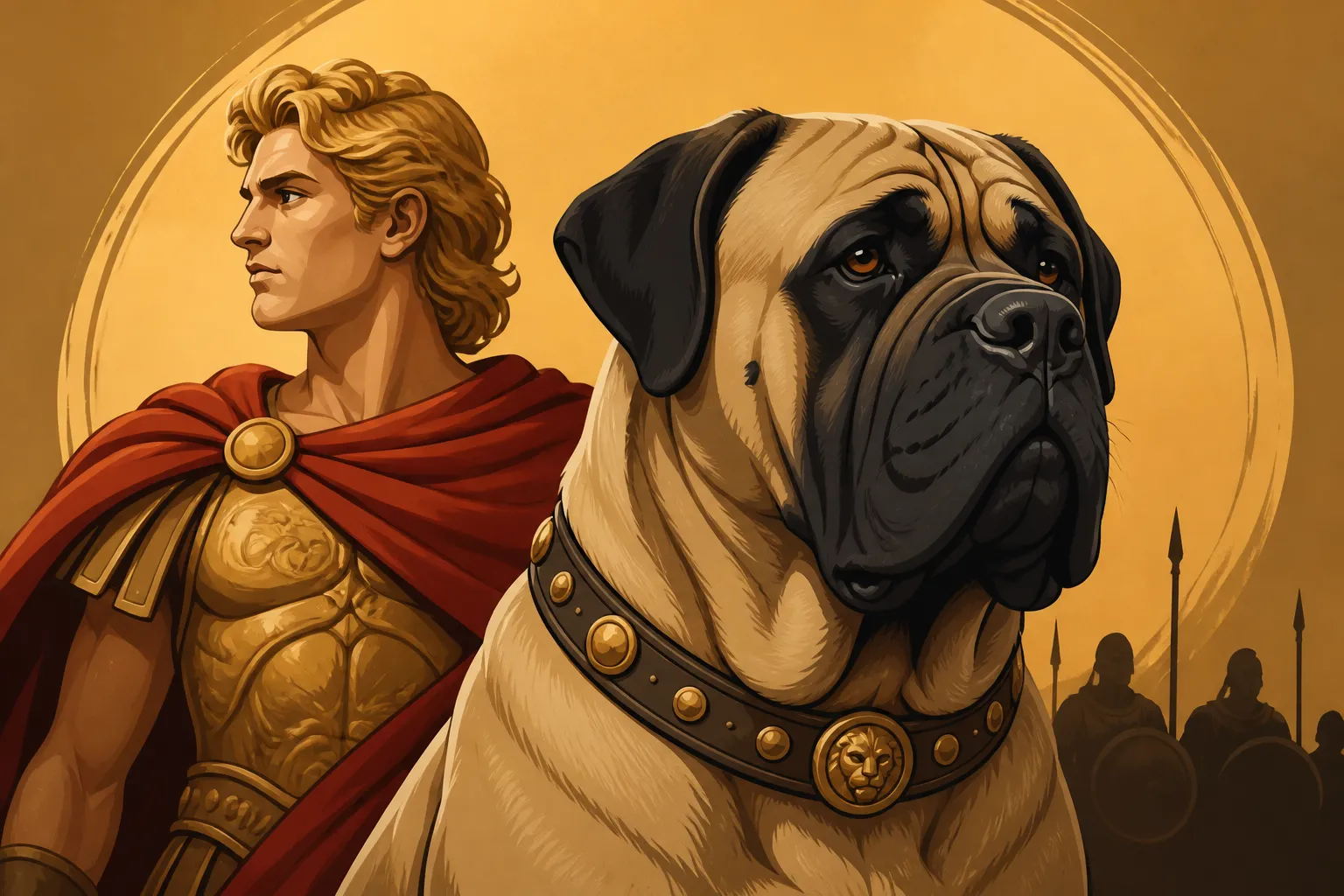
The legend of Alexander the Great and his dogs is one of the most compelling stories tying ancient "Mastiff type" dogs to a specific historical figure. While the precise details are often shrouded in myth, historical accounts suggest that Alexander was indeed fascinated by large, powerful dogs, particularly those from the Molossian region. These were the dogs known for their courage and ferocity in battle, and their imposing presence was as much a deterrent as any soldier.
According to various historical texts and anecdotes, Alexander received several of these formidable Molossian hounds as gifts. One famous story recounts how a king, perhaps from Albania or India, gifted Alexander an enormous dog that Alexander initially found disappointing because it wouldn't hunt deer or wild boars. Alexander, with typical youthful impetuousness, supposedly had the dog killed, only to later regret it deeply when he learned that these dogs were bred to fight lions and elephants, not mere game. Upon receiving a second, equally impressive dog, he tested it against a lion and an elephant, where the dog reportedly displayed incredible bravery and strength.
These Molossian dogs were prized for their unwavering loyalty and their immense physical capabilities. They were not just companions; they were instruments of war and symbols of power. Their role wasn't to "guard" in the sense of barking at a squirrel, but to engage formidable foes, whether human or beast, with unshakeable resolve. This distinct purpose shaped their temperament, making them powerful, often serious, and supremely confident animals. It's easy to see why such dogs would appeal to a conqueror like Alexander.
Distinguishing Ancient "Mastiff Type" from Modern Mastiffs
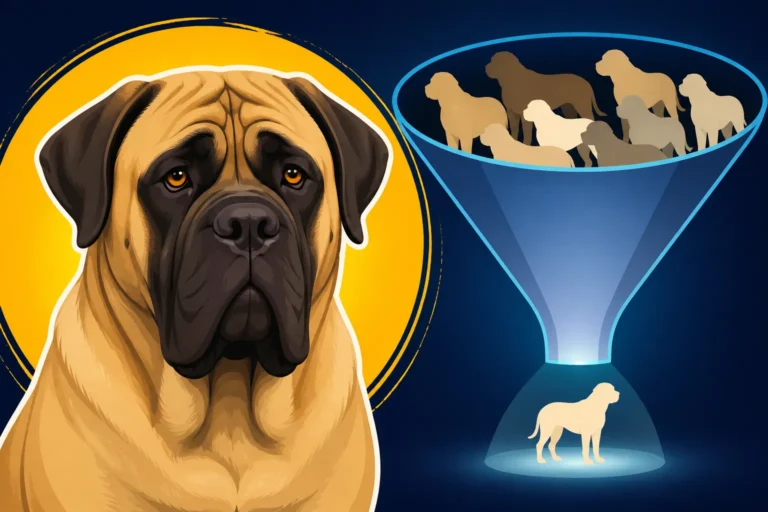
It's tempting to look at descriptions of Alexander's Molossian dogs and immediately picture a modern English Mastiff. However, while there's a clear ancestral link, it's crucial to understand that "Mastiff type" in ancient times was a much broader descriptor than "Mastiff" is today. The term referred to a whole category of large, heavy-set guardian dogs, rather than a single, standardized breed.
The dogs of Alexander's era, while possessing many of the core characteristics we associate with molosser breeds—large heads, muscular bodies, and a protective nature—would likely have varied significantly in appearance, even within the Molossian region itself. Breeding was often functional rather than focused on strict aesthetic standards. Dogs were bred for their working ability: their strength, courage, and protective instincts. They weren't necessarily bred for the distinct fawn, apricot, or brindle coats with the specific black mask that defines our modern Mastiff standard.
The modern Mastiff breed, or Old English Mastiff, as it's sometimes called, has a much more recent, albeit still ancient, history. Its direct lineage can be traced back to dogs brought to Britain, possibly by Phoenician traders or later by the Romans. How Roman Troops Brought Mastiffs to England details how these large dogs became integrated into British society. Over centuries, these British "bandogs" or "Mastiffes" were refined through selective breeding for specific traits, becoming the distinct breed we recognize. So, while Alexander's dogs were certainly ancestors of many molosser breeds, including the Mastiff, they weren't "English Mastiffs" in the sense we use the term today. Think of them as the foundational blueprint from which many specialized giant breeds later emerged.
The development of the modern Mastiff was also heavily influenced by its roles in guarding estates and participating in baiting sports, which, while cruel, further solidified their immense power and stoicism. You can learn more about how the modern breed came to be in articles like How Old the Mastiff Is as a British Breed. The term "Mastiff" itself, as explored in Where the Word Mastiff Comes From, has evolved over time from ancient roots describing powerful dogs.
The Legacy of Ancient Guardian Breeds
The impact of these ancient "Mastiff type" dogs, including those associated with Alexander the Great, extends far beyond their immediate historical context. They laid the groundwork for entire families of dog breeds that continue to serve humanity today. Their genetic legacy can be seen in the various molosser breeds around the world, from the majestic Saint Bernard to the tenacious Rottweiler, and, of course, our own noble Mastiff.
These dogs weren't just admired for their physical prowess; their intelligence and discerning nature were also highly valued. They had to be smart enough to distinguish between a genuine threat and a familiar face, a critical trait for any guardian. This blend of brawn and brains is a hallmark of many molosser breeds descended from these ancient lines. They were the ultimate security system, capable of acting independently when their human companions were not present.
The stories of Alexander's dogs highlight the deep bond that could form between these powerful animals and their human masters. Despite their fierce reputation, these dogs were capable of immense loyalty and affection, a trait that continues to define the modern Mastiff. Today, while few Mastiffs are called upon to fight lions, their inherent protective instincts and calm, watchful demeanor make them exceptional family guardians. However, this history also means they require thoughtful care, especially when it comes to socialization and training. A dog with such powerful instincts needs a confident and consistent owner. The Household a Mastiff Was Built For can give you an idea of what life with a modern Mastiff entails.
Modern Day Echoes: Caring for a "Mastiff Type" Today
While we no longer rely on our dogs to guard against invading armies or wild beasts in the same way, the descendants of these ancient "Mastiff type" dogs still require a specific kind of care. The characteristics that made them formidable in ancient times also mean they have unique needs in our modern world.
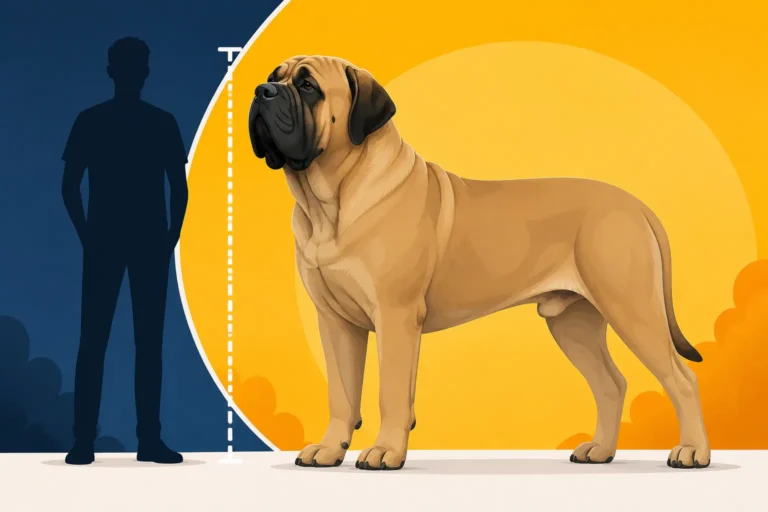
For instance, their immense size, a trait admired by Alexander, translates to significant considerations for today's owners. A two-hundred-pound Mastiff, while gentle, still commands a huge physical presence. This affects everything from the amount of food they need – which you can often purchase in bulk from retailers like Chewy – to the space they require in your home and vehicle. Their impressive bulk, while historically advantageous, also means they are prone to certain orthopedic issues if not managed correctly. What a Mastiff's Weight Does to Every Line on the Vet Invoice is a sobering read for any prospective owner.
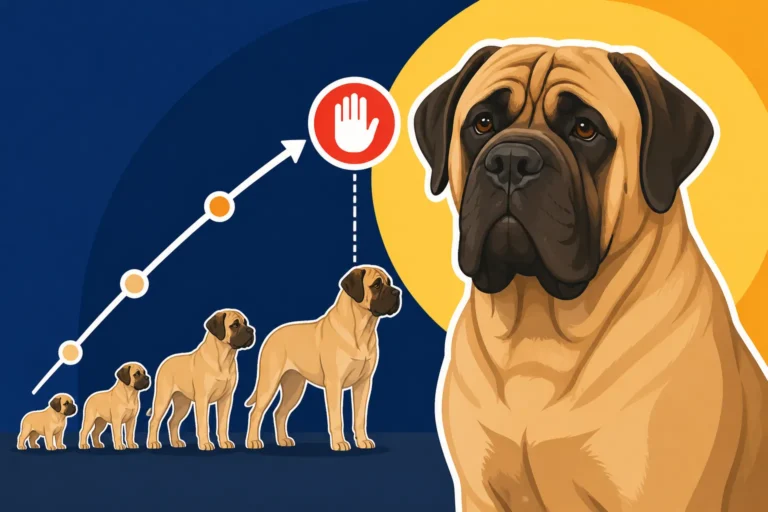
Consider the robust nature of these historical dogs; they were built tough. But even with their inherent hardiness, they weren't immune to injury or health challenges. Today, proactive health management is key. This includes proper nutrition tailored for giant breeds, regular veterinary check-ups, and understanding the unique health predispositions of Mastiffs. While Chewy offers a vast selection of large-breed specific foods and supplements, always consult with your vet to create the best dietary plan for your Mastiff. The importance of slow, controlled growth in puppies, for example, is a critical lesson learned from centuries of breeding large dogs.
The independent, intelligent nature attributed to Molossian hounds means that modern Mastiffs benefit immensely from early and consistent training and socialization. A Mastiff who is not properly introduced to the world and taught appropriate behavior can, despite its gentle nature, become a handful due to its sheer size. The same stoic demeanor that allowed them to face down a lion can sometimes be interpreted as stubbornness if an owner isn't attuned to their method of thinking. The Stubbornness That Is Actually a Mastiff Thinking really captures this aspect of their personality.
The table below offers a simple comparison between the general characteristics attributed to Alexander's Molossian dogs and the typical traits of a modern English Mastiff, illustrating the threads of continuity and divergence over millennia.
| Characteristic | Alexander's Molossian "Mastiff Type" Dogs | Modern English Mastiff |
|---|---|---|
| Primary Role | War dog, guardian against large predators, companion for nobility | Family guardian, companion, often a "nanny dog" |
| Size & Build | Enormous, powerfully built, muscular, heavy bones, formidable presence | Very large, heavy, muscular, impressive bulk, gentle giant |
| Temperament | Fierce, courageous, loyal, discerning, capable of independent action | Calm, courageous, loyal, protective, often reserved with strangers |
| Appearance | Likely varied, focus on function over specific aesthetics | Standardized fawn, apricot, brindle with black mask |
| Breeding Focus | Working ability, strength, protective instincts | Temperament, health, adherence to breed standard |
| Socialization | Minimal, relied on inherent instincts | Critical for proper development and integration into society |
Conclusion: A Legacy of Power and Devotion
The tales of Alexander the Great and his Mastiff-type dogs serve as a powerful reminder of the enduring relationship between humans and these magnificent, ancient breeds. While the specific appearance and exact purpose of these historical canines differed from the modern Mastiff we know and love, the core essence of the large, protective, loyal guardian remains unchanged. From the battlefields of ancient empires to the comfort of our living rooms, these powerful dogs have carved out an indelible place in human history and our hearts.
Understanding this rich past helps us appreciate the depth and complexity of the Mastiff breed today. It underscores the responsibility we have as owners to provide them with appropriate care, training, and affection, ensuring that these gentle giants continue to thrive. They are living links to an incredible history, embodiments of power, loyalty, and a quiet, profound devotion.
Disclaimer
This article is for general informational purposes only and does not constitute professional advice. Laws, prices and regulations vary by location and change over time. Consult a qualified professional for guidance on your specific situation.