Whether a Black Mastiff Is Purebred
One of the most common questions and sources of confusion for prospective Mastiff owners revolves around coat color, especially when they encounter a dog advertised as a "black Mastiff." The truth is, while certain large, black, Mastiff-type dogs exist and are magnificent in their own right, a truly purebred English Mastiff, as recognized by major kennel clubs and the breed standard, does not come in solid black. This guide will walk you through the nuances of Mastiff coat colors, the genetics behind them, and what it truly means when you see a "black Mastiff."
Understanding the Mastiff Breed Standard
When we talk about whether a Mastiff is "purebred," we're really talking about adherence to a breed standard established by official kennel clubs like the American Kennel Club (AKC) or the Kennel Club in the UK. These standards define the ideal characteristics of the breed, from temperament and structure to, yes, coat color. These standards aren't just arbitrary rules; they often reflect the historical development of the breed and its intended function.
The Accepted Colors of the Mastiff
The official breed standard for the Mastiff is quite specific about acceptable coat colors. You'll typically find three primary colors: fawn, apricot, and brindle. These colors cover a range from a light, sandy yellow (fawn) to a rich, golden tan (apricot). Brindle is a pattern, not a color itself, and it manifests as dark stripes over a fawn or apricot base coat. Think of it like tiger stripes, but usually more subtle and less sharply defined. Each of these colors has its own beauty and contributes to the classic Mastiff appearance. When considering a puppy, a reputable breeder will always refer to these accepted colors. The Colors a Mastiff Comes In delves deeper into these variations.
A fawn Mastiff can range from a very pale, almost cream color, to a deeper, more golden hue. It's often the most common color seen. Apricot tends to be richer, a warmer, reddish-tan that can be truly stunning, especially when the light catches it just right. What Fawn Looks Like on a Mastiff can give you a better visual. Brindle Mastiffs are particularly striking, with their dark stripes providing a dramatic contrast against their lighter base. The intensity and distribution of these stripes can vary greatly from dog to dog, making each brindle Mastiff unique. Regardless of the base color or brindle pattern, the consistency and depth of the black mask are paramount.
The Importance of the Black Mask
Perhaps more critical than the base color itself is the presence and quality of the black mask. Every purebred Mastiff, regardless of whether it's fawn, apricot, or brindle, must have a distinct black mask. This mask covers the muzzle, extending up around the eyes and often into the ears, creating that quintessential Mastiff expression that we all recognize and adore. This isn't just a preference; it's a mandatory characteristic outlined in the breed standard. Without it, a dog simply doesn't meet the standard for a purebred Mastiff.
The black mask serves not only an aesthetic purpose but historically, it likely helped protect the Mastiff's eyes from glare, a practical feature for a working dog. How Far a Mastiff's Mask Should Reach explains how the mask is evaluated. The depth and extent of this black pigmentation are often indicators of good breeding, demonstrating that the dog carries the correct genes for the breed's distinct appearance. A faded or incomplete mask is considered a fault in the show ring, emphasizing how integral this feature is to the breed's identity. It's truly one of the most defining characteristics of the Old English Mastiff.
Why Specific Colors Are Excluded
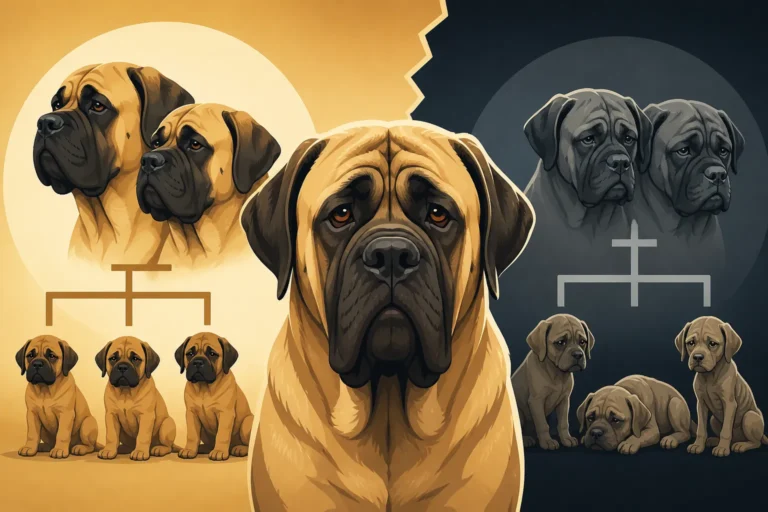
So, why no black Mastiffs? The exclusion of solid black (or blue, or liver, or merle) from the Mastiff breed standard is largely due to the breed's historical development and the genetics that have been purposefully selected for over centuries. The modern Mastiff, as we know it, descends from specific bloodlines where fawn, apricot, and brindle were the prevalent and desired coat colors. Breeders have, for generations, focused on perpetuating these traits, along with other physical and temperamental characteristics. Introducing or allowing solid black would mean either crossing with other breeds (which would, by definition, produce a mixed-breed dog) or the rare expression of recessive genes that are not part of the established Mastiff gene pool.
Breed clubs meticulously maintain these standards to preserve the integrity, health, and distinct appearance of the breed. Allowing non-standard colors could open the door to less scrupulous breeding practices, where color might be prioritized over health, structure, or temperament. The goal is to produce Mastiffs that are instantly recognizable and consistent across the breed, a formidable and gentle giant with a specific look, including its prescribed coat colors. This commitment to the standard is a hallmark of responsible breeding and ensures the future of the breed.
The Genetics Behind Coat Color in Mastiffs
Understanding why certain colors exist and others don't in purebred Mastiffs requires a quick dive into canine genetics. It's a fascinating world, and for a breed like the Mastiff, it clarifies why solid black isn't part of the picture.
Dominant and Recessive Genes for Color
Dog coat color is determined by a complex interplay of several different genes, each with dominant and recessive alleles (versions of a gene). Think of it like a deck of cards, where different combinations create different outcomes. Some genes act as switches, turning certain colors "on" or "off," while others dictate patterns like brindle. For the Mastiff, the genes responsible for fawn, apricot, and brindle are the ones that have been selected for and are present in their gene pool. Black is primarily determined by a gene locus known as the K locus, specifically the dominant Kb allele, which causes solid black. However, this allele is virtually absent in the vast majority of purebred Mastiff lines.
When we talk about dominant genes, it means only one copy is needed for that trait to be expressed. Recessive genes require two copies (one from each parent) to show up. The Mastiff's characteristic fawn and apricot colors are expressions of the agouti gene series, modified by other genes. The brindle pattern, for example, is often dominant to solid colors at certain loci, meaning a dog only needs one brindle gene to display the stripes. Understanding these basic principles helps to demystify why a specific color, like solid black, is considered outside the breed standard for a purebred Mastiff.
The K Locus and Black Expression
The K locus (short for "dominant black") is crucial for understanding why Mastiffs aren't black. It has three primary alleles: K^B (dominant black), k^br (brindle), and k^y (non-black, or yellow/fawn).
In many breeds, the K^B allele is present and, if a dog inherits even one copy of K^B, it will be solid black (assuming other genes allow for black pigment). However, in Mastiffs, the K^B allele is generally not present within the purebred lines. Instead, Mastiffs primarily carry the k^br (brindle) and k^y (yellow/fawn) alleles. This genetic makeup ensures that the only acceptable colors are fawn, apricot, and brindle.
If a Mastiff were to somehow inherit a K^B allele, it would suggest a genetic anomaly or, more likely, an outcross in its ancestry. Without that dominant black gene, a Mastiff's default color expression leans towards the fawn/apricot spectrum. The brindle pattern then manifests when the k^br allele is present. This is why when you see a "black Mastiff," it's almost certainly not a purebred Mastiff in the traditional sense, but rather a different breed or a mix that carries the dominant black gene from another part of its genetic heritage. This genetic purity, maintained through careful breeding, is what keeps the Mastiff's appearance consistent.
What Happens When a Mastiff Isn't Genetically Standard
When a dog is advertised as a "black Mastiff," and it truly is solid black, it means one of a few things for its genetic lineage regarding the Mastiff breed standard. First, and most commonly, it means the dog is likely a mix. It could have one Mastiff parent and another parent from a breed that does carry the dominant black gene (like a Black Labrador, a Rottweiler, or even a Great Dane, which can be black). In such cases, the "Mastiff" part of its heritage might give it the size and general head shape, but the black color comes from the other parent.
Secondly, and far less likely in reputable purebred lines, it could be a very rare genetic mutation or an anomaly where a recessive gene for black has somehow appeared and been expressed. However, breed clubs work hard to maintain the genetic integrity, and such a deviation would immediately disqualify the dog from being recognized as a purebred Mastiff under the standard. Essentially, for a dog to be a purebred Mastiff, its genetic code must align with the established parameters for fawn, apricot, or brindle. Any deviation, particularly to solid black, points away from purebred status. This is why thorough vetting of breeders and genetic testing are so important. Whether a Mastiff Carrier of PRA Goes Blind Too shows the importance of genetic information.
Exploring Non-Standard Black Mastiffs
Despite the breed standard, you will occasionally see dogs advertised or referred to as "black Mastiffs." It’s important to understand the context here.
The 'True Black' Debate and Rarity
The concept of a "true black" purebred Mastiff is a contentious and almost mythical one within breed circles. As established, the current breed standard and the historical genetics of the Mastiff simply do not support a solid black coat. While some older historical accounts or artistic depictions might show very dark Mastiff-type dogs, these were often working dogs of varying lineage, not necessarily what we recognize today as the standardized English Mastiff. The push for standardization came much later. So, if a dog is truly solid black, it suggests an outcross at some point in its lineage, even if it's many generations back.
It's extremely rare, almost to the point of being non-existent, for a purebred Mastiff (with documented, verifiable pedigree adhering to the recognized standard) to be born solid black. Any solid black large dog that looks "Mastiff-like" is almost certainly either a mixed breed or belongs to a different breed entirely that does come in black. The rarity makes it tempting for unscrupulous breeders to try and market these dogs as unique or special, often at inflated prices, preying on uninformed buyers. Always remember: rarity in this context often means "not standard" or "not purebred" rather than "valuable."
Misidentification and Mastiff Mixes
The most common reason for seeing a "black Mastiff" is simply misidentification or the presence of a Mastiff mix. There are several large, formidable breeds that do come in solid black and share some physical similarities with the Mastiff, which can lead to confusion, especially for those less familiar with breed specifics.
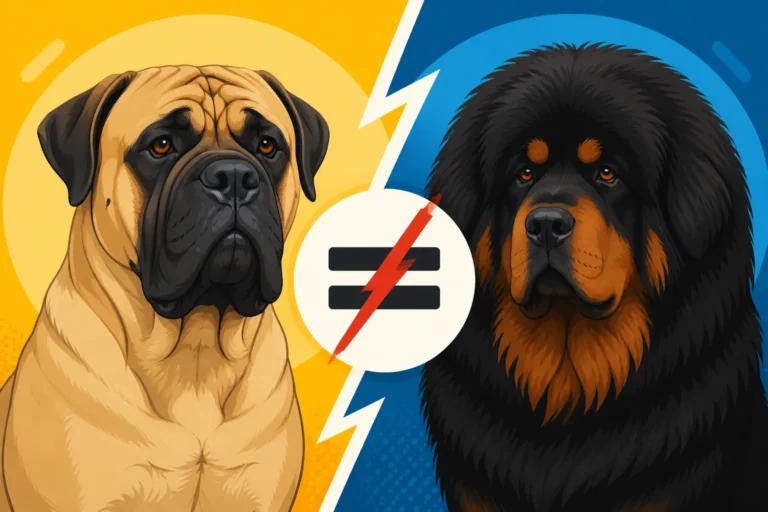
Consider the Cane Corso. These dogs are often solid black, possess a large, muscular build, and a blocky head, making them superficially resemble a black Mastiff. However, they are a distinct breed with their own history, temperament, and standard. Similarly, the Neapolitan Mastiff can come in black, but their extensive loose skin and wrinkles are far more pronounced than those of an English Mastiff. The Bullmastiff, a close cousin developed from the Mastiff and Bulldog, also can be brindle or fawn, but a very dark brindle might sometimes be mistaken for black. However, a true solid black is not standard for them either. The Mastiff Against the Bullmastiff and the Cane Corso further highlights these differences. Even a large, black Great Dane might be mistaken by some, though their build is typically more elegant and less massive than a Mastiff's. When you see a large, black, Mastiff-looking dog, it's prudent to consider these other breeds or a mix as the most likely explanation. What a Mastiff Mix Inherits covers the genetics of mixed breeds.
Sometimes, people might intentionally breed a Mastiff with another large black breed, perhaps seeking a specific look or temperament, and the resulting puppies might be predominantly black and Mastiff-like. These dogs can be wonderful companions, but they are not purebred Mastiffs. It's crucial for buyers to be aware of these distinctions to ensure they are getting what they expect.
Health and Temperament Considerations
While coat color itself doesn't directly impact a dog's health or temperament, deviating from breed standards, especially regarding breeding practices, can have indirect consequences. When breeders prioritize non-standard colors (like solid black in Mastiffs), they may be less focused on critical health testing and genetic screening. This can lead to an increased risk of inherited health issues. Reputable Mastiff breeders rigorously test their breeding stock for genetic conditions common in the breed, such as hip and elbow dysplasia, progressive retinal atrophy (PRA), and cardiac issues. The Four CHIC Tests a Mastiff Breeder Must Clear outlines these essential tests.
Dogs bred for unusual colors without regard for overall health can inadvertently pass on predispositions to various ailments. For example, some non-standard colors in other breeds have been linked to deafness or vision problems. While not directly applicable to "black Mastiffs" in this way, it illustrates the general principle. Furthermore, breeders who disregard coat color standards might also neglect temperament, which is paramount in a giant breed. A Mastiff's gentle, watchful nature is as much a part of its standard as its color. Breeding for color over temperament can produce dogs with undesirable traits, which can be particularly challenging in a dog of such immense size and strength. Always prioritize health and temperament over aesthetics, especially when dealing with a giant breed.
How to Verify a Mastiff's Purity and Lineage
If you're serious about owning a purebred Mastiff, verifying its purity and lineage is absolutely essential. Don't simply take a breeder's word at face value, especially if they are offering a non-standard color.
The Role of Reputable Breeders
A reputable Mastiff breeder is your best ally in acquiring a healthy, well-socialized, and truly purebred Mastiff. These breeders don't just breed for profit; they are passionate about the breed, committed to upholding the breed standard, and dedicated to the health and welfare of their dogs. They will be transparent about their breeding practices, health testing results, and the lineage of their puppies. They will openly discuss why a solid black Mastiff is not part of the standard and will never try to sell you one as "purebred." A good breeder will also have a comprehensive contract, a health guarantee, and a clear return policy should unforeseen circumstances arise.
They'll gladly show you the parents of the litter, their pedigrees, and all relevant health certifications (OFA, CERF, etc.). They will also want to interview you thoroughly, ensuring their puppies go to suitable, loving homes that understand the specific needs of a Mastiff. This mutual vetting process is a hallmark of ethical breeding. They are not simply selling a product but placing a family member. They are often active in the Mastiff Club of America or similar organizations, demonstrating their commitment to the breed's future. Whether a Mastiff Puppy Can Be Tested Before Purchase is a good question to ask.
Pedigree Research and Genetic Testing
One of the most robust ways to verify a Mastiff's purity is through thorough pedigree research. Reputable breeders will provide a multi-generational pedigree that you can trace back through registered kennel clubs. This document lists the ancestors of the puppy, showing their registered names and, often, their championship titles or health clearances. If a dog is advertised as a "purebred black Mastiff," ask for its official pedigree. If the breeder can't provide one from a recognized kennel club, or if the pedigree shows non-standard colors in its lineage without a clear explanation (which would be highly unusual), it's a major red flag.
Genetic testing, particularly DNA panels, can also offer valuable insights. While there isn't a single "purebred Mastiff" DNA test, these panels can confirm breed ancestry by comparing a dog's DNA to a database of known breeds. Companies like Wisdom Panel or Embark (which you can often find readily available on platforms like Chewy) offer comprehensive DNA tests that can identify the breeds in a dog's genetic makeup. If a "black Mastiff" shows up as 100% purebred English Mastiff on such a test, and the test is truly comprehensive and accurate for the breed, it would be an extremely rare and genetically interesting anomaly, and the result should be critically evaluated with a breed expert. More likely, it will reveal other breeds contributing to the black coat.
What to Ask a Breeder About Color
When speaking with a Mastiff breeder, don't be afraid to ask direct and pointed questions about coat color, especially if you have concerns or have seen non-standard colors advertised elsewhere. Start by asking them to confirm the accepted colors for the breed according to the standard. Then, inquire about the color of the puppy's parents and grandparents. Ask to see photographs or, even better, meet the parents in person. A good breeder will be knowledgeable about the genetics of coat color in their lines and will be able to explain how fawn, apricot, and brindle are produced.
Specifically, if a breeder mentions "black" at all, ask them to clarify what they mean. Are they referring to a very dark brindle? Are they referring to a puppy with an unusually dark mask? If they insist they have "purebred black Mastiffs," press them for official registration papers and pedigrees from recognized kennel clubs that confirm this. If they cannot provide satisfactory answers, or if their answers contradict the breed standard, it's a clear indication to walk away. Your investment in a Mastiff puppy is substantial, both financially and emotionally (think What a Mastiff Puppy Costs in 2026 and The Mastiff's Short Life Buys the Biggest Bills), so due diligence is paramount.
Living with a Mastiff of Any Color
While the color black might not be part of the purebred Mastiff standard, the most important aspect of bringing a Mastiff into your home isn't its coat color, but its temperament, health, and suitability for your lifestyle.
Embracing the Mastiff Temperament
The true essence of a Mastiff lies in its magnificent temperament. These dogs are known as gentle giants – calm, loyal, affectionate, and remarkably patient with their families, including children. They possess a quiet dignity and a watchful, protective nature without being overly aggressive. A well-bred Mastiff is typically reserved with strangers but not shy or fearful. They bond deeply with their owners and thrive on being an integral part of the family. This incredible disposition is far more important than any coat color.
When choosing a Mastiff, focus on finding a puppy from parents with stable, confident temperaments, and ensure the breeder emphasizes early socialization. A Mastiff's size means that even a gentle nudge can be significant, so a steady, predictable personality is crucial. Whether your Mastiff is a golden fawn, a rich apricot, or a striking brindle, its true beauty will shine through its loving and steadfast character. This is the hallmark of the breed, a defining trait that transcends mere aesthetics and is what makes them such cherished companions.
Essential Care for a Giant Breed
Regardless of color, owning a Mastiff means committing to the specific care needs of a giant breed. Their sheer size dictates much of their routine and requirements. You'll need ample space, durable equipment, and a budget ready for large-dog expenses. This includes appropriate nutrition, often a high-quality large breed specific formula, which you can typically find at pet supply stores like Chewy. Their large joints need careful management, especially during their rapid growth phase. How Much a Male Mastiff Weighs gives you an idea of the scale we're talking about.
Regular veterinary care is critical, and costs for medication, anesthesia, and routine procedures will be significantly higher for a dog of this weight. Preventative care, from flea and tick medications to heartworm preventatives, will also be priced in the top weight band. Daily grooming, while not extensive for their short coat, includes cleaning their facial folds and ears regularly. Training and socialization from an early age are non-negotiable, as an untrained Mastiff, no matter how gentle, can be difficult to manage simply due to its size. Investing in an orthopedic bed to support their heavy frames is also a wise choice, often available through retailers like Chewy with various options.
The Joy of Mastiff Companionship
Ultimately, the most profound aspect of living with a Mastiff is the unparalleled companionship they offer. These dogs are deeply devoted and bring immense joy and a sense of calm to a household. Their imposing presence is often contrasted by their sweet, goofy, and sometimes incredibly lazy demeanor. They are content to be near their people, whether it's lounging on a dog bed in the same room or quietly supervising from a comfortable spot. The Mastiff becomes an undeniable, beloved fixture in your life, offering unconditional love and a unique bond.
While the discussion around "black Mastiffs" is important for understanding breed standards and responsible breeding, it pales in comparison to the experience of sharing your life with one of these magnificent creatures. Focus on finding a healthy, well-bred puppy from a reputable source, regardless of its specific shade of fawn, apricot, or brindle, and you will be rewarded with a loyal and loving companion whose impact on your life will be immeasurable.
| Characteristic | Purebred English Mastiff | "Black Mastiff" (Non-Standard) |
|---|---|---|
| Accepted Colors | Fawn, Apricot, Brindle | Solid Black (Not recognized) |
| Black Mask | Mandatory | May or may not have a mask |
| Breed Standard | Adheres to AKC/KC standard | Does not adhere to color standard |
| Genetic Makeup | K^br, k^y alleles | Likely carries K^B allele, indicating outcross |
| Pedigree | Verifiable, multi-generational from recognized clubs | Often lacks verifiable pedigree or shows mixed ancestry |
| Reputable Breeder | Will only offer standard colors | May be offered by less scrupulous breeders or rescues as "rare" |
| Likely Origin | Dedicated breeding lines | Mixed breed or another black Mastiff-type breed |
Disclaimer
This article is for general informational purposes only and does not constitute professional advice. Laws, prices and regulations vary by location and change over time. Consult a qualified professional for guidance on your specific situation.