Whether the Lyme Hall Mastiff Strain Survives
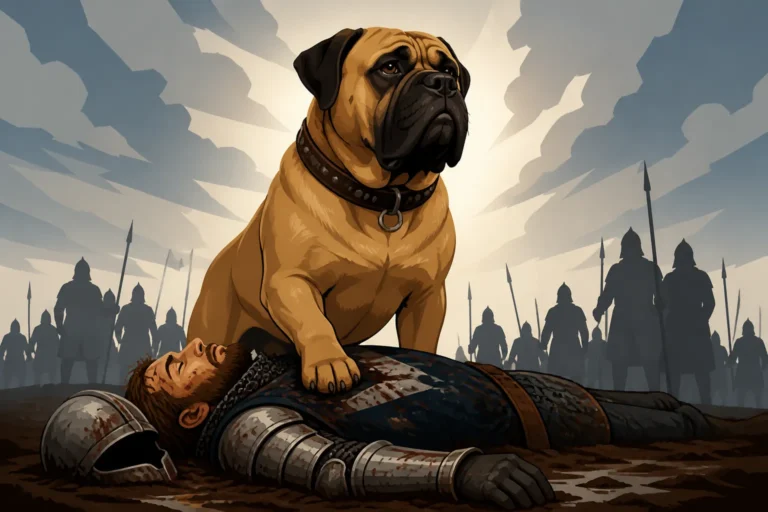
Many Mastiff enthusiasts and historians wonder if the legendary "Lyme Hall strain" of Mastiffs, so famous for its long lineage and imposing presence, truly survives today in its original, pure form. It’s a question that delves deep into the romantic history of the breed, often touching on the desire to connect our modern, beloved companions to their storied past. This guide will explore the history of these magnificent dogs, the challenges they faced, and what "survival" might mean for such a specific, historical bloodline in contemporary Mastiffs.
The Untouchable Legacy of Lyme Hall Mastiffs
For centuries, the Mastiff was an integral part of grand estates across England, and none perhaps as famously as Lyme Hall in Cheshire. The Legh family, who owned Lyme Hall for generations, maintained a dedicated kennel of Mastiffs, and their dogs became synonymous with the ideal of the breed.
A Legacy Etched in Stone
Lyme Hall wasn't just a grand house; it was a living monument to a lineage, and the dogs there were part of that enduring tradition. The Legh family's commitment to these powerful canines was legendary, spanning hundreds of years. Imagine the sprawling grounds, the ancient stone, and these formidable dogs moving with quiet dignity, guarding the estate and its inhabitants. They weren't just pets; they were guardians, symbols of status, and an integral part of the family's identity. This long, continuous breeding program gave rise to the idea of a distinct "Lyme Hall Mastiff strain," recognized for its particular characteristics. You can read more about Where the Lyme Hall Mastiff Kennel Was.
The sheer longevity of this breeding program, maintained through various historical periods, set the Lyme Hall Mastiffs apart. It suggested a level of consistency and purity that was rare, making their bloodline incredibly desirable. Owners and breeders would look to Lyme Hall as the gold standard, a living example of what a true Mastiff should be. This wasn't just about a few famous dogs; it was about a continuous line, generation after generation, carefully selected and nurtured within the confines of one of England's most historic estates.
The "Lyme Hall Type": Characteristics and Reputation
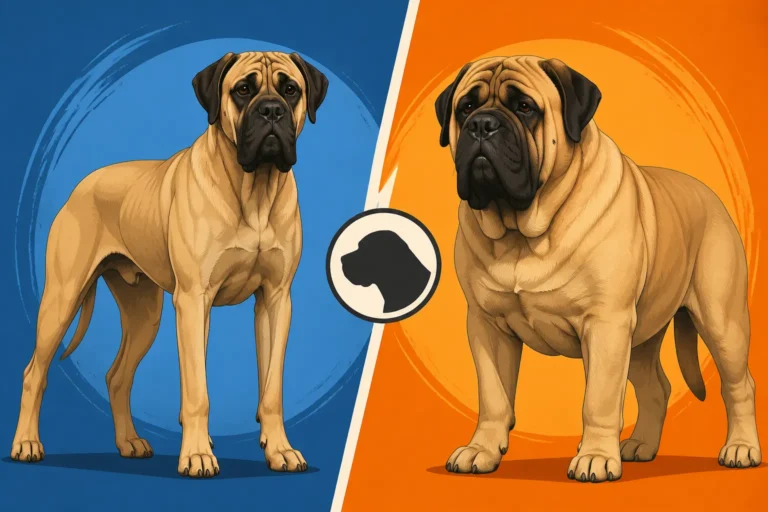
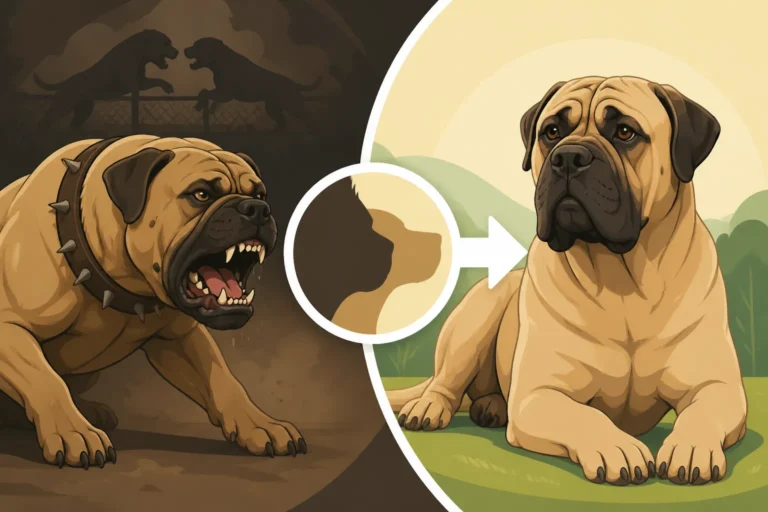
While the specific details of the "Lyme Hall type" are debated, historical accounts and illustrations suggest these were formidable dogs. They were known for their immense size, impressive bone structure, and a calm, majestic demeanor that belied their strength. Breeders often sought their bloodlines for these traits, believing them to embody the very essence of the ancient Mastiff. They were not known for excessive aggression, but rather for a quiet, imposing presence that served as a natural deterrent. This combination of physical prowess and stable temperament made them highly prized.
The reputation of the Lyme Hall Mastiffs wasn't just confined to England; it spread internationally. These were the dogs that informed the public's perception of what a Mastiff should be – noble, powerful, and utterly devoted. Their influence can be seen in early breed standards and in the aspirations of breeders trying to preserve the true nature of the Mastiff. The idea was that if you had a Lyme Hall Mastiff, you had a direct link to the breed's most authentic form, a living piece of history walking by your side.
The Inevitable Ebb and Flow of a Bloodline
Even the most carefully maintained bloodlines face challenges, and the Lyme Hall Mastiffs were no exception. History, economics, and societal changes all played a role in the eventual dispersion and potential dilution of this famous strain.
Decline and Dispersion
The continuity of even the most dedicated breeding programs can be broken by the tide of history. As the 19th and 20th centuries brought significant changes to land ownership, aristocratic lifestyles, and global conflicts, the ability to maintain such extensive and specialized kennels became increasingly difficult. The economic realities of feeding and caring for many giant dogs, especially during times of austerity, would have been immense. It's easy to imagine that as family fortunes shifted, and as the world modernized, the resources dedicated solely to maintaining an isolated, centuries-old dog strain would have diminished.
It’s likely that many of the Lyme Hall Mastiffs were dispersed to other kennels, sold to interested parties, or simply integrated into broader Mastiff breeding efforts. This meant that the "strain" would no longer be a contained, isolated population on the estate, but rather its individual members would contribute to a wider gene pool. This dispersion, while potentially saving some of the bloodline, simultaneously meant that the concept of a singular, distinct Lyme Hall strain became harder to define and maintain. Its unique genetic signature would begin to blend with others.
The Silent Years
There appears to be a period where the direct, unbroken line of Lyme Hall Mastiffs, as a uniquely identifiable and continuous strain, became less clear. Documentation might have dwindled, or the focus shifted from maintaining a specific "strain" to simply breeding Mastiffs for general characteristics. The romantic ideal often overshadows the practical realities of breeding and kennel management over long periods. Without meticulous record-keeping and a dedicated, isolated breeding program, even the most famous bloodlines can fade into the broader history of the breed.
These "silent years" were not necessarily a sign of abandonment, but perhaps a natural evolution as dog breeding became more widespread and less confined to the grand estates of old. As the public's interest in dog showing and formalized breeding grew, many different breeders contributed to the Mastiff population. The priority shifted from maintaining a single, ancient strain to ensuring the overall health and genetic diversity of the breed as a whole, especially as challenges like the World Wars loomed.
The Mastiff's Near Extinction and Resurgence
The broader history of the Mastiff breed itself significantly impacts the question of the Lyme Hall strain's survival. The entire breed faced catastrophic losses, requiring monumental efforts to bring it back from the brink.
Post-War Scarcity
The two World Wars, particularly World War II, were absolutely devastating for dog breeds in Britain, and the Mastiff was hit especially hard. Large dogs were incredibly expensive to feed and maintain during periods of rationing and economic hardship. Many families simply couldn't afford to keep them, leading to widespread euthanasia or breeding cessation. The Mastiff, with its massive appetite and imposing size, was one of the first breeds to suffer. Why Food Shortages Nearly Ended the Mastiff paints a stark picture of this time.
The numbers plummeted to frighteningly low levels. It's often cited that only a handful of Mastiffs, perhaps fewer than twenty, survived the Second World War in Britain. Imagine, a breed with centuries of history, reduced to such a fragile existence. This genetic bottleneck means that the surviving Mastiffs, regardless of their original lineage, became crucial for the breed's very existence. The emphasis was on any Mastiff, not necessarily a specific strain. This period undeniably reshaped the Mastiff's genetic landscape. How Many Mastiffs Were Left in Britain in 1945 further elaborates on this critical time.
Rebuilding Efforts and American Influence
To save the Mastiff from extinction, breeders had to look beyond Britain's depleted stock. American and Canadian Mastiffs, which had been established from earlier imports, played an absolutely vital role in rebuilding the breed. These North American dogs were brought back to the UK, injecting much-needed genetic diversity into the ravaged gene pool. This was a desperate, yet ultimately successful, effort to keep the breed alive.
This crucial period of cross-breeding and re-establishment means that virtually all modern Mastiffs trace their ancestry back to a relatively small number of post-war survivors and the imported North American dogs. The focus was on viable breeding pairs to ensure the breed's future, rather than preserving specific, isolated strains. How American and Canadian Dogs Rebuilt the Mastiff details this incredible rescue mission. While the spirit of the old British lines was revered, the practical necessity of genetic infusion was paramount. This greatly complicates any claim of a pure, unadulterated Lyme Hall strain surviving into the modern era.
Tracing the Modern Link to Lyme Hall
Given the tumultuous history and near extinction of the breed, tracing a direct, pure Lyme Hall strain is a complex and often romanticized endeavor. The reality is that modern Mastiffs carry a mosaic of ancestral lines.
Genealogical Ghost Stories
It's not uncommon to see "Lyme Hall" mentioned in modern Mastiff pedigrees. This often signifies a dog that traces some of its lineage, however diluted, back to the historical Lyme Hall dogs through various branches. However, this is quite different from saying the strain itself has survived in an unmixed, continuously bred form. Think of it like a distant relative from a famous family – you share a name and some DNA, but you're not a direct, pure descendant of the original patriarch or matriarch without any other ancestral lines joining in.
The truth is, many Mastiff bloodlines, especially those established before the World Wars, would have had some connection to the Lyme Hall dogs, given their widespread reputation and influence. So, finding a nod to Lyme Hall in a modern pedigree is more a testament to the strain's historical importance and pervasive influence on the breed rather than evidence of its isolated survival. It's a reminder of where the breed came from, rather than a claim of uninterrupted purity. You can explore How Lyme Hall Mastiffs Appear in Modern Pedigrees to understand this better.
Genetic Admixture and the Myth of Purity
Modern genetics makes it clear that truly "pure" strains, especially those that have gone through severe population bottlenecks like the Mastiff did, are virtually impossible to maintain over centuries without significant admixture from other lines. When a breed is reduced to a handful of individuals, every effort is made to broaden the gene pool, not restrict it. This means that even if a few direct descendants of Lyme Hall dogs survived, they would have been bred with other available Mastiffs to ensure genetic viability.
The result is a beautiful tapestry of genetic material from various historical lines, all woven together to create the modern Mastiff we know and love. While the spirit and some characteristics might endure, the idea of an isolated, perfectly preserved Lyme Hall genetic signature is, unfortunately, more myth than reality. The efforts to rebuild the breed after the wars inherently mixed the gene pools, creating a new foundation for the modern Mastiff. This also highlights How Narrow the Mastiff Gene Pool Is even today, despite the valiant rescue efforts.
The Enduring Spirit, Not the Exact Strain
While the concept of a "pure" Lyme Hall strain might not align with genetic realities, its influence and the aspirations it inspired undeniably live on.
Legacy Through Influence
The true survival of the Lyme Hall Mastiff isn't in an unbroken, isolated bloodline, but in the profound influence it had on the breed's development and its enduring reputation. The characteristics attributed to these dogs – their size, temperament, and noble bearing – became the standard against which other Mastiffs were measured. Breeders, for generations, have strived to reproduce these qualities, even if using dogs from different pedigrees. The "Lyme Hall type" became an ideal, a blueprint for what a Mastiff should be.
This means that while the exact genetics might be interwoven with many other lines, the essence of what made Lyme Hall Mastiffs so special continues to shape the breed. It's a legacy of quality, a benchmark of excellence that continues to guide responsible Mastiff breeders today. They look to the past, to these historical ideals, as they make breeding decisions for the future, seeking to perpetuate the majestic qualities that define the breed.
A Nod to the Past, Eyes on the Future
Modern Mastiff breeders, while respecting the historical significance of lines like Lyme Hall, focus on a holistic approach that prioritizes health, temperament, and adherence to the current breed standard. They understand that preserving the breed means ensuring its genetic health and viability for generations to come. This often involves careful selection, genetic testing for inherited conditions, and thoughtful breeding practices. Resources like DNA testing (you can find tests like those offered by Embark or Optimal Selection through retailers like Chewy) help breeders make informed decisions, ensuring the health of their lines.
The table below illustrates some common aspirations for the Mastiff, perhaps echoing traits admired in historical strains, alongside modern breeding considerations:
| Trait Category | Historical "Lyme Hall Type" Aspiration | Modern Mastiff Breeding Goal |
|---|---|---|
| Size & Build | Immense, heavy-boned, powerful | Large, substantial bone, balanced proportions, avoiding excessive weight for health |
| Temperament | Noble, calm, vigilant guardian | Gentle, confident, steady, good with family, appropriate wariness towards strangers |
| Health | General hardiness | Focus on genetic health testing (hips, elbows, eyes, heart), longevity, reduced bloat risk |
| Longevity | Not explicitly documented, assumed | Improving average lifespan, addressing breed-specific health concerns that impact longevity |
| Breeding Purity | Isolated, continuous bloodline | Diverse genetic pool within the standard, careful line breeding with outcrosses to maintain vigor |
Today, breeders are less concerned with maintaining a single, isolated "strain" and more focused on the overall health and improvement of the entire Mastiff breed. They might draw inspiration from stories and characteristics of dogs like those from Lyme Hall, but their methods are rooted in scientific understanding and ethical breeding practices. It's about honoring the past while actively building a healthier, more robust future for the Mastiff, ensuring that this magnificent breed continues to thrive, supported by quality nutrition and care products available at places like Chewy. The desire is for dogs that live up to the grand tradition, while also being healthy, well-adjusted members of modern families. This evolution helps us understand The Modern Mastiff Differs From the Prewar Type.
Disclaimer
This article is for general informational purposes only and does not constitute professional advice. Laws, prices and regulations vary by location and change over time. Consult a qualified professional for guidance on your specific situation.