Whether a Mastiff Can Swim at All
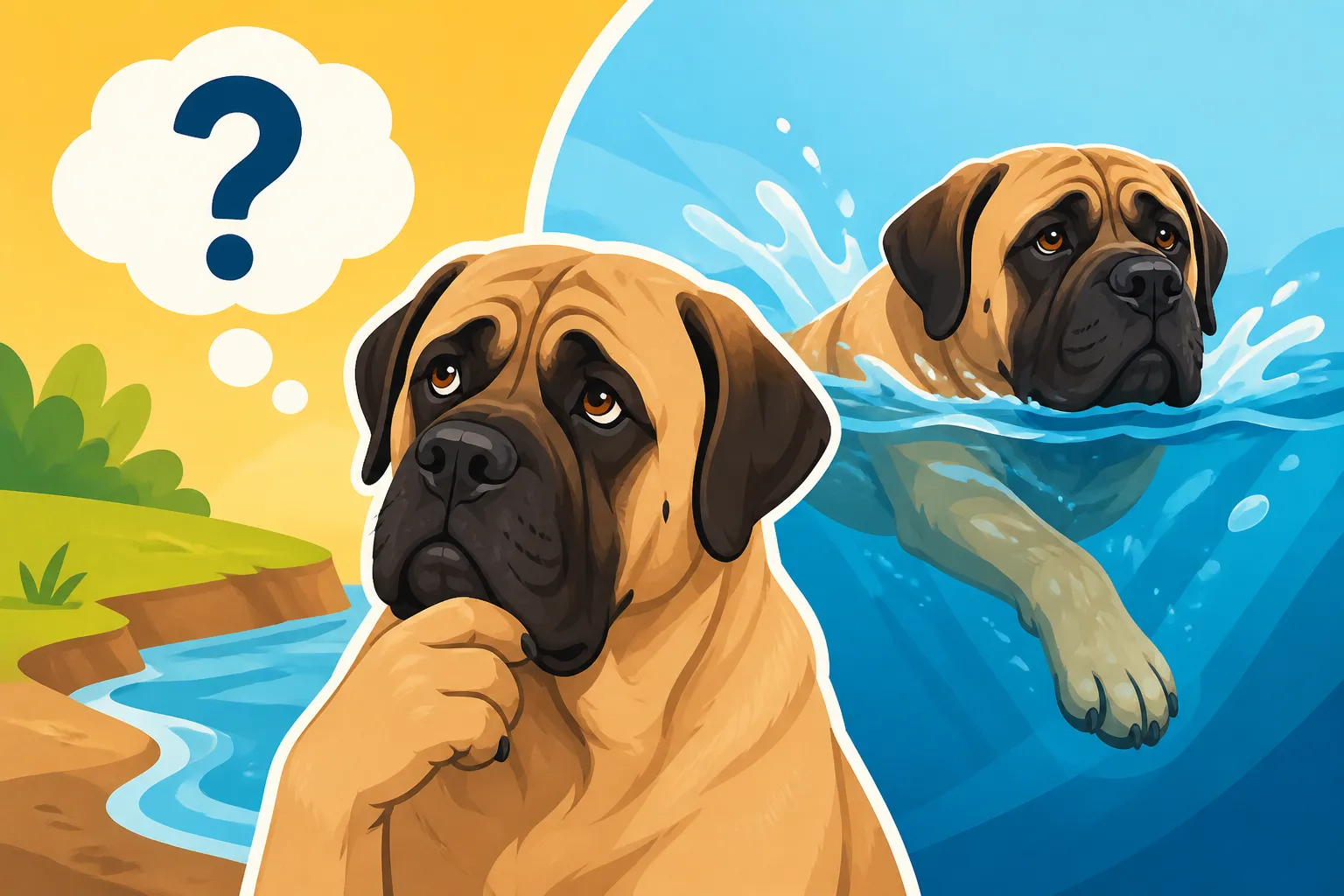
It’s a natural instinct for many dog owners to imagine their furry companions gleefully splashing and swimming, especially on a hot summer day. But when you look at a majestic, two-hundred-pound Mastiff, the question of whether they can actually swim, or even should, becomes a much more serious consideration than with a typical retriever. Their sheer size, unique build, and gentle nature mean that water activities, especially swimming, require careful thought and often significant intervention from us, their devoted humans. This guide will delve into the realities of Mastiffs and water, helping you understand their capabilities and how to keep them safe.
The Mastiff's Physical Build and Water Challenges
Let's be honest, a Mastiff isn't exactly built like a Labrador. Their impressive size, powerful musculature, and distinctive head shape, while magnificent on land, present some real hurdles when it comes to navigating water. It's not just about preference; it's about physics and physiology.
Dense Bone Structure and Body Mass
One of the biggest factors working against a Mastiff in the water is their incredible mass and dense bone structure. Unlike some lighter-boned breeds that practically float, a Mastiff is, for lack of a better term, a brick. Their bones are substantial, and their bodies are solid, which means they have very little natural buoyancy. Imagine trying to stay afloat with a backpack full of bricks – that's a bit like what a Mastiff experiences.
When they enter the water, many Mastiffs will find their hindquarters sinking quickly, making it incredibly difficult to keep their bodies level and their heads above the surface. This isn't a sign of weakness; it's just the reality of their build. The effort required to overcome this natural sinking can quickly lead to exhaustion, even in a dog that's otherwise in good shape. Furthermore, the act of paddling and maneuvering can put undue strain on their joints, especially the shoulders and hips, which are already prone to issues like dysplasia in this breed. This is why careful consideration of their activity level is so important, especially for younger Mastiffs, as too much stress can exacerbate conditions like hip and elbow problems. The Shifting Lameness of a Growing Mastiff discusses how critical careful exercise is for these large dogs.
Brachycephalic Features and Respiratory Effort
Another significant challenge stems from the Mastiff's brachycephalic (short-nosed) head structure. While not as extreme as a Bulldog, Mastiffs do have shorter muzzles and often some degree of narrowed nostrils and an elongated soft palate, which can impact their breathing even on dry land. When you add the effort of swimming and the pressure of water around their chest, this can turn into a serious respiratory struggle.
A Mastiff trying to swim might find it much harder to take in enough oxygen, leading to rapid panting, snorting, and even gagging. The risk of aspirating water (inhaling water into their lungs) increases, which can lead to aspiration pneumonia – a very serious, life-threatening condition. The combination of struggling against gravity to stay afloat and struggling to breathe efficiently makes swimming a high-risk activity for many Mastiffs. It's not something to be taken lightly; even a brief dip could turn dangerous if your Mastiff is not breathing comfortably.
Short Legs and Limited Propulsion
While Mastiffs have incredibly powerful legs, they are built for powerful strides on solid ground, not for efficient paddling in water. Their legs are relatively short for their massive torsos, especially compared to breeds like Newfoundlands or Golden Retrievers, which have longer limbs and webbed feet designed for aquatic propulsion. A Mastiff's powerful but shorter strokes simply don't generate enough forward momentum or lift to keep their heavy bodies moving easily through the water.
This inefficiency means they have to work much harder and expend far more energy to stay afloat and move, quickly leading to fatigue. What might be a leisurely swim for another breed becomes an intense, exhausting struggle for a Mastiff. This rapid onset of fatigue is a major safety concern, as a tired Mastiff can quickly lose their ability to keep their head above water, putting them at severe risk of drowning. Owners often overlook this aspect, assuming that because their dog is strong, it can handle water. However, strength on land doesn't always translate to competence in the water.
Learning to Swim: Can a Mastiff Even Try?
So, does this mean your Mastiff is destined to be a landlubber forever? Not necessarily! While deep swimming is generally not recommended or safe for many Mastiffs, some can learn to enjoy the water, especially with significant human assistance and appropriate safety measures. It's all about a careful, gradual approach, prioritizing their safety and comfort above all else.
The Importance of a Gradual Introduction
If you decide to introduce your Mastiff to water, especially with the idea of them doing some supervised "swimming," a gradual introduction is paramount. You can't just throw a Mastiff into the deep end and expect them to figure it out. Start small, very small. A kiddie pool with just a few inches of water, a shallow beach entry at a calm lake, or even a walk through a wet lawn can be the first steps. The goal is to build positive associations with water.
Use plenty of praise and high-value treats to make each water encounter a good experience. Let them explore the water at their own pace. Never force them in. Some Mastiffs might love to splash their paws, while others might prefer to just wade up to their chests. Observe their body language carefully. Are they relaxed, curious, or showing signs of stress like a tucked tail, pinned ears, or wide eyes? A happy Mastiff in water will often show loose body language and a wagging tail. If they seem stressed, back off and try again another day with an even less intimidating approach. Remember, it's about comfort and safety, not about achieving Olympic swimming status.
Essential Safety Gear for Water Activities
For any Mastiff entering water beyond a few inches, a properly fitted life vest is non-negotiable. This isn't just a recommendation; it's a critical piece of safety equipment. A life vest provides the essential buoyancy that their heavy bodies lack, keeping their head and body level in the water and significantly reducing the effort they need to expend. When choosing one, look for a vest specifically designed for large breeds, with robust handles on the back that can support their weight if you need to lift or guide them. Brands like Ruffwear or Outward Hound offer options, and you can often find a good selection on platforms like Chewy or Amazon. Make sure it fits snugly but comfortably, without restricting movement or breathing.
Beyond a life vest, always have a long leash attached to a regular flat collar or harness. This gives you a way to gently guide them or pull them back to safety if they get disoriented or fatigued. Never use a choke chain or prong collar in the water. Also, ensure you have at least one other capable adult with you, as handling a struggling, two-hundred-pound dog in water is a two-person (or more!) job. Swimming is a full-attention activity, so put away your phone and keep your eyes on your Mastiff at all times.
Recognizing Signs of Distress in the Water
Knowing what to look for is crucial. A Mastiff in distress in the water will often show very specific signs. These can include:
- Excessive panting or open-mouthed breathing: Beyond normal exertion, this indicates difficulty breathing.
- Wide, panicked eyes: A clear sign of fear or anxiety.
- Rapid, inefficient splashing: Instead of smooth paddling, they might be thrashing wildly, expending energy without moving effectively.
- Head held very low: If their nose is dipping close to or in the water, they are struggling to keep their airways clear.
- Hindquarters sinking: This is a classic sign of insufficient buoyancy and extreme effort.
- Trying to climb on you: A desperate attempt to get out of the water or find stable ground.
- Lethargy or sudden quietness: If they stop struggling but also stop trying to paddle, they might be giving up due to exhaustion, which is a critical emergency.
If you see any of these signs, get them out of the water immediately and safely. Use the handles on their life vest and the leash to guide them to solid ground. Once out, keep them warm, check their breathing, and contact your vet if they seem to have ingested a lot of water or are still struggling. Early recognition and quick action can be the difference between a minor scare and a tragic incident. How Long a Bloating Mastiff Has Before Surgery reminds us of the urgency needed in emergencies.
Water Safety Beyond Swimming: Wading and Shallow Play
While full-on swimming might be challenging or even risky for many Mastiffs, that doesn't mean they can't enjoy water. Many Mastiffs absolutely adore shallow water play, which offers all the fun and cooling benefits without the deep water risks.
The Joys of Shallow Water Play
Instead of trying to turn your Mastiff into a competitive swimmer, consider letting them enjoy wading. A large, sturdy kiddie pool in the backyard with just enough water to cover their paws or chest can provide hours of cooling fun. They can splash, dig, and roll around without the worry of sinking or struggling to breathe. Many Mastiffs enjoy chasing toys that float in shallow water, offering mental stimulation and a low-impact form of exercise.
A calm, shallow stream or the edge of a lake can also be wonderful for wading. The gentle current can be interesting for them, and the firm ground beneath their feet provides security. This type of water play is fantastic for a Mastiff's joints, as it allows them to move and exercise without the jarring impact of running on hard surfaces. It’s also a great way to cool down, which is essential for these large, thick-coated dogs.
Managing Overheating with Water
Mastiffs, with their immense body mass and often thicker coats, are very susceptible to overheating, especially in warmer climates or during periods of exertion. Why Bulk Makes a Mastiff Overheat explains just how quickly they can get into trouble. Shallow water play offers an excellent way to help regulate their body temperature safely.
Simply wetting their paws, belly, and chest can provide significant cooling relief. The evaporation of water from their coat helps dissipate heat from their bodies. You can use a hose on a gentle setting to spray them down, or let them stand in a shallow pool. Always ensure access to fresh, cool drinking water nearby to prevent dehydration. Cooling mats or damp towels can also complement water play in hot weather, creating a multi-faceted approach to keeping your big friend comfortable. Remember that their panting system can be overwhelmed if they get too hot, making any water activity, even shallow, potentially dangerous if not managed properly.
Post-Water Care for Skin Folds and Ears
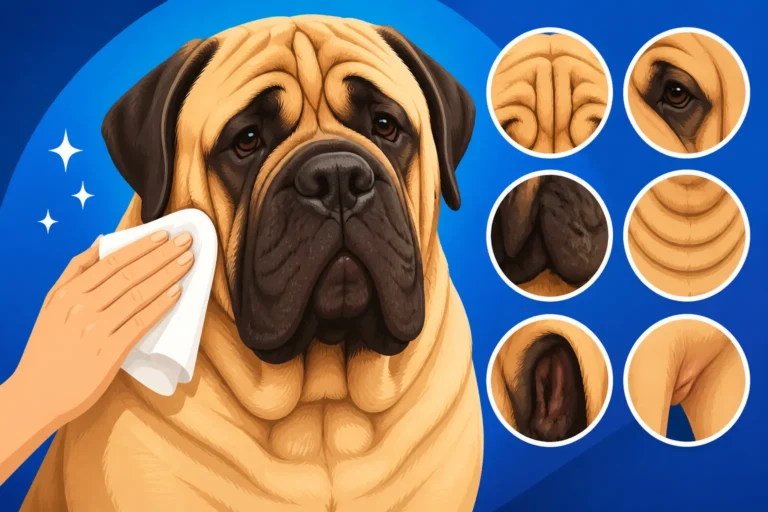
After any water activity, whether it's a full swim (with a life vest, of course!) or just a good wade and splash, thorough post-water care is crucial for Mastiffs. Their characteristic wrinkles and folds are charming, but they can also become breeding grounds for bacteria and yeast if not kept clean and dry. The Wrinkles and Folds a Mastiff Owner Cleans Every Week emphasizes the importance of this routine care.
Focus particularly on their facial folds, neck wrinkles, and any skin folds around their tail or groin. Gently pat these areas dry with a soft towel. You might even use a cool, low setting on a hairdryer, held at a safe distance, for those hard-to-reach spots. For the ears, which are typically floppy, moisture can easily get trapped, leading to painful ear infections. Ear Infections in a Mastiff are all too common. Use a vet-approved ear cleaner to gently wipe out the ear canals and dry them thoroughly with cotton balls. Never insert anything deep into the ear canal. Regular post-water care can prevent common skin and ear issues, keeping your Mastiff healthy and happy.
Practical Considerations for Mastiff Owners
Bringing a Mastiff near water is not a casual decision. It requires planning, supervision, and a realistic understanding of your individual dog's capabilities and temperament. Every Mastiff is an individual, and what one tolerates or even enjoys, another might fear or find dangerous.
Assessing Your Mastiff's Individual Aptitude
Before you even think about introducing your Mastiff to water, observe their general personality and comfort with new experiences. Is your Mastiff generally bold and curious, or more reserved and cautious? Do they show any interest in water, like dipping their paws in puddles or trying to "drink" from the hose? Some Mastiffs might naturally be drawn to water, while others might view it with suspicion or fear.
Consider their physical health too. A Mastiff with existing joint problems, a cardiac condition, or severe respiratory issues should absolutely not be encouraged to swim. Even a young, seemingly healthy Mastiff should have a clean bill of health from a vet before engaging in any strenuous activity, including significant water play. Whether a Mastiff Needs a Cardiac Exam is an important consideration for many owners. It's about setting them up for success and, more importantly, ensuring their safety. Never push a Mastiff into water if they are clearly afraid or resistant; this can traumatize them and make future positive interactions impossible.
Finding Safe Water Locations
Not all bodies of water are suitable for Mastiffs. A fast-moving river, a deep quarry, or a swimming pool without a gradual entry point can be incredibly dangerous. Look for locations with:
- Shallow, gradual entry: A gentle slope into the water allows your Mastiff to control their depth and feel secure.
- Calm water: Lakes or slow-moving streams are preferable to choppy ocean waves or strong currents.
- Clear water: You need to be able to see the bottom to spot any submerged hazards like sharp rocks, broken glass, or fishing lines.
- Safe exit points: Ensure there are easy ways for your Mastiff to get out of the water independently, such as ramps or shallow banks.
Private, fenced pools with a walk-in shallow end are ideal, but if you're using a public dog beach or lake, research it thoroughly beforehand. Be mindful of potential algae blooms in stagnant water, which can be toxic. Also, consider the water temperature; very cold water can shock their system, while very warm water can exacerbate overheating.
When Swimming Isn't a Good Idea
Let's be unequivocally clear: for many Mastiffs, full-depth swimming is simply not safe, practical, or enjoyable. If your Mastiff shows any signs of fear or anxiety around water, if they have a history of joint problems (like early onset Arthritis in a Mastiff at Four), respiratory issues, or a cardiac condition, or if you cannot provide constant, hands-on supervision and easy retrieval, then swimming is off the table.
It’s also crucial to consider the temperament of the individual Mastiff. Some are just not water dogs, and trying to force them will only create a negative experience and potential danger. An older Mastiff, whose mobility might be declining, should stick to very shallow wading only, if at all. Their strength and stamina diminish with age, and the risk of injury or exhaustion increases significantly. Even a seemingly healthy Mastiff can get into trouble quickly due to their unique physiology. Prioritize their well-being over the idea of them being a "swimmer." There are plenty of other ways to enjoy time with your Mastiff that don't involve deep water.
| Feature | Challenge for Mastiffs in Water | Safety Measure / Alternative |
|---|---|---|
| Dense Bone/Weight | Lack of natural buoyancy, hindquarters sink, quick fatigue | Life vest, shallow water only |
| Brachycephalic Head | Difficulty breathing, aspiration risk | Life vest, strict supervision, avoid deep water |
| Short Legs | Inefficient paddling, rapid exhaustion | Life vest, focus on wading, gentle currents |
| Overheating Risk | Exacerbated by exertion in warm water | Shallow cooling pools, shade, fresh water |
| Joint Strain | Impact from jumping in, strenuous paddling | Gradual entry, low-impact wading, hydrotherapy |
| Skin Folds/Ears | Trapped moisture leads to infections | Thorough drying, ear cleaning after exposure |
Disclaimer
This article is for general informational purposes only and does not constitute professional advice. Laws, prices and regulations vary by location and change over time. Consult a qualified professional for guidance on your specific situation.