The Staining a Mastiff’s Drool Leaves
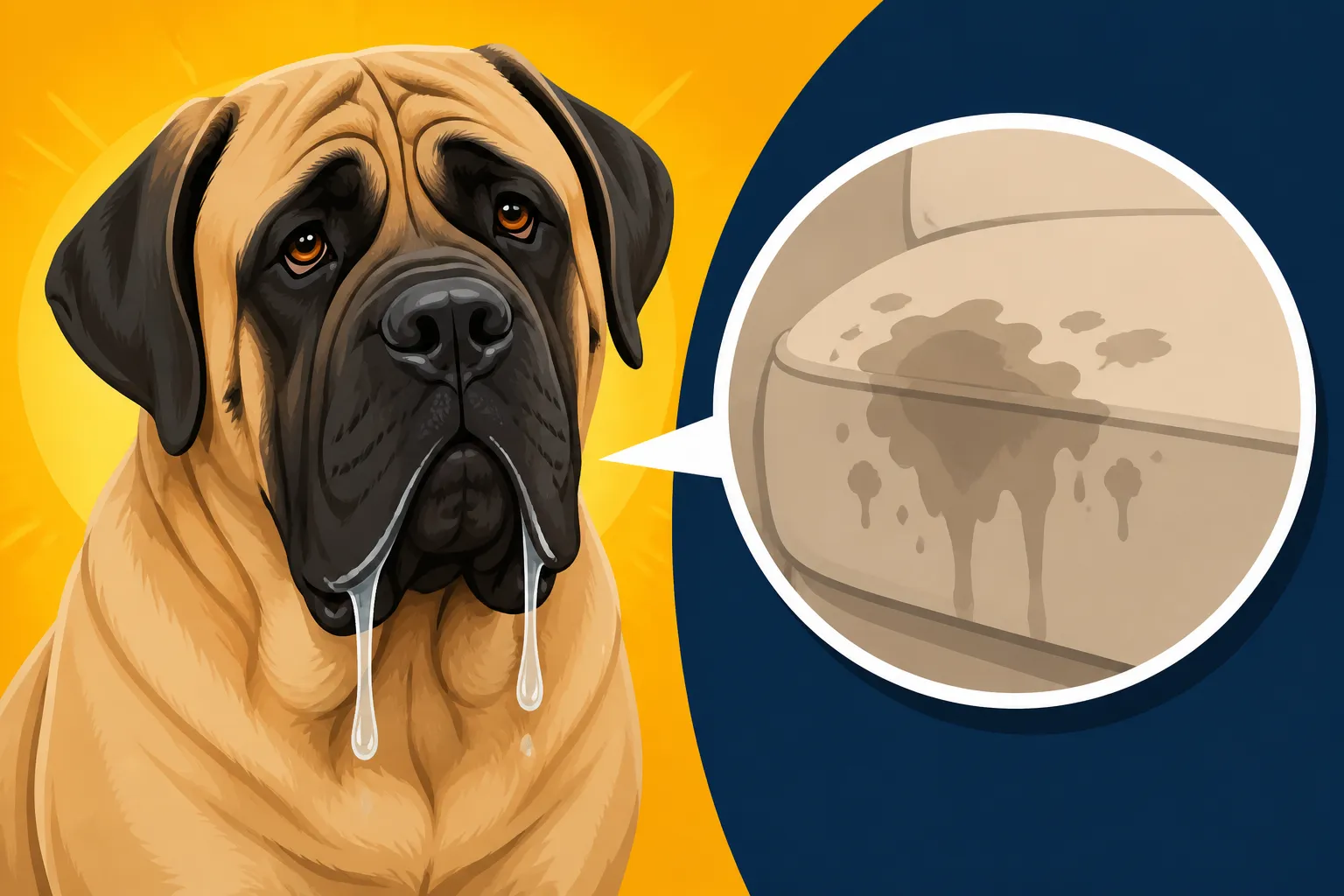
One of the lesser-talked-about, but highly visible, realities of sharing your life with a magnificent Mastiff is the distinct, sometimes challenging, staining that their drool can leave behind. It’s not just a wet spot; it can be a sticky, discolored testament to their affectionate greetings or even just a good drink of water, leaving marks on walls, furniture, and even ceilings that can feel impossible to eradicate. This guide will walk you through understanding why these stains occur, how to effectively clean them, and crucially, how to protect your home from future drool damage.
Understanding Mastiff Drool: Why It Happens and Where It Lands
Let's be real, Mastiffs are droolers. It's a natural, inherent part of their majestic appearance. Those lovely, loose jowls that give them such a distinguished look are also the primary mechanism for their prodigious drooling. It's not a sign of ill health, generally speaking, but simply a fact of life with the breed. Understanding the why and where can help you anticipate and manage the mess more effectively.
The Anatomy Behind the Puddle: Jowls and Gravity
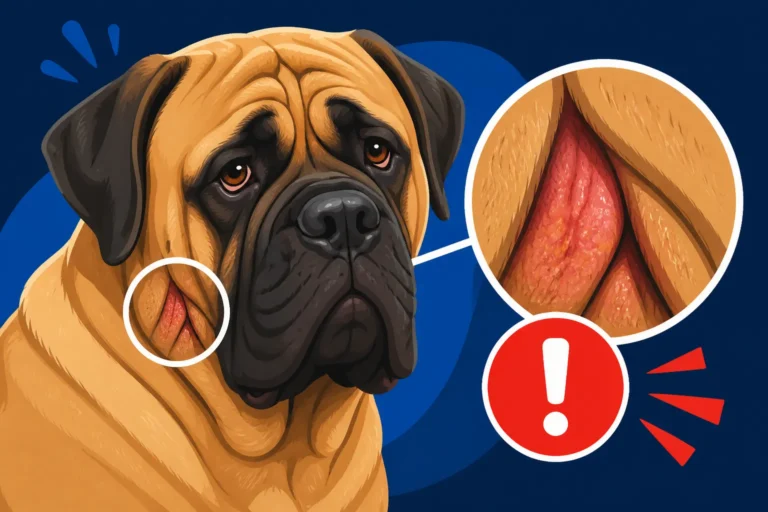
The Mastiff's unique facial structure, particularly those deep, pendulous flews (the scientific term for their lips and jowls), means that saliva isn't always contained within their mouth as it might be with breeds with tighter lips. When a Mastiff drinks, eats, or even just gets excited, those jowls can fill with excess saliva. When they lower their head, shake it, or lean against something, gravity, and centrifugal force take over. It’s an unavoidable physical phenomenon. You can read more about The Anatomy Behind a Mastiff's Drool to truly appreciate the engineering at play.
This isn't just about small drips. A Mastiff might take a big drink of water, and as they lift their head, a substantial amount of water mixed with saliva can cascade from their jowls. A head shake can turn this into a wide-reaching spray, reaching surprising heights and distances, sometimes even hitting the ceiling! The consistency of the drool can also vary; sometimes it's thin and watery, other times it's thick and ropey, which can cling to surfaces more tenaciously and leave a more noticeable residue.
Identifying Common Drool Zones in Your Home
You quickly learn where the "hot zones" are in a Mastiff home. These are the areas that bear the brunt of the drool and, consequently, where staining is most likely to occur. Identifying these spots is the first step in effective management and prevention.
- Near Food and Water Bowls: This is a no-brainer. The area immediately surrounding their bowls will be ground zero for wetness and drool. Water bowls especially, due to the sheer volume of water mixed with saliva, often lead to puddles and splatter that can quickly stain flooring or nearby walls.
- Walls and Furniture at Mastiff Height: Think about where your Mastiff leans, sits, or simply stands for a moment. If they give a good head shake after a drink, the drool can spray outward. This means lower walls, the sides of couches, armchairs, and even coffee tables are prime targets. If your Mastiff loves to rest their head on your lap while you're on the sofa, expect some residue there too.
- Car Interiors: Traveling with a Mastiff often means a drool-covered interior, especially if they're excited or a little carsick. Windows, door panels, and even seatbacks can become streaked. Managing a Mastiff's Drool in a Vehicle is a skill every Mastiff owner masters eventually.
- Your Clothing (and Guests' Clothing): Let's not forget the most personal "drool zone." A happy tail wag and a lean against your leg can leave a wet mark, and if your Mastiff greets visitors enthusiastically, they might get a slobbery souvenir.
- Ceilings (Yes, Ceilings!): This might sound extreme, but anyone who has lived with a Mastiff knows that a vigorous head shake can send drool flying upward. These spots, often overlooked, can dry into crusty, discolored circles that are particularly challenging to clean.
Understanding these patterns of drool distribution helps you focus your cleaning efforts and consider proactive measures to protect your home.
Effective Cleaning Strategies for Mastiff Drool Stains
Dealing with drool stains is a two-pronged attack: immediate clean-up and tackling those stubborn, dried-on marks. The sooner you address a drool spot, the easier it will be to remove. But let's be honest, life happens, and sometimes those spots get missed.
Tackling Fresh Drool Before It Sets In
When you catch drool wet, you have the best chance of preventing a stain. Speed and the right technique are your allies here.
- Blot, Don't Wipe: For fresh, wet drool, especially on fabric like upholstery, carpets, or even wood, the key is to blot. Use a clean, absorbent towel or paper towels and press firmly onto the drool. This lifts the moisture and the proteins in the saliva rather than spreading them around. Wiping can push the drool deeper into fibers or smear it across surfaces, making it harder to remove. Keep blotting with fresh sections of the towel until no more moisture transfers. You'll be surprised how many towels a Mastiff household retires each year.
- Use Warm, Damp Cloths for Hard Surfaces: For non-porous surfaces like sealed wood, tile, laminate, or painted walls, a warm, damp microfiber cloth can work wonders. After blotting up the excess, gently wipe the area. For stickier drool, a tiny drop of mild dish soap diluted in warm water on the cloth can help break down the saliva's proteins and fats. Always follow up with a clean, damp cloth to remove any soap residue, then dry the area thoroughly to prevent water spots.
- Immediate Action on Clothes: If your clothes or a guest's clothing get drooled on, try to blot it with a damp cloth immediately. For more substantial spots, a quick rinse under cold water can often prevent staining. If the fabric is washable, get it into the laundry as soon as possible. Pre-treating with an enzyme-based stain remover designed for pet stains can be very effective before washing.
The goal is always to remove as much of the drool's organic material as possible before it has a chance to bond with the surface or dry into a crust.
Removing Stubborn, Dried-On Drool Stains
Dried drool can be a real headache. It can become hard, sticky, and leave a noticeable discoloration, especially on lighter surfaces. These require a bit more elbow grease and often, specialized cleaners.
- Scrape and Soften First: For dried, crusty drool, especially on hard surfaces, start by gently scraping off the bulk of the dried material with a dull edge, like a plastic scraper or the edge of a credit card. Be careful not to scratch the surface. Once the bulk is removed, you can rehydrate the remaining residue. Apply a warm, damp cloth or a paper towel soaked in a cleaning solution directly to the stain and let it sit for a few minutes to soften.
- Enzyme Cleaners Are Your Best Friend: Saliva contains proteins, and enzyme-based cleaners are specifically formulated to break down organic matter like proteins, fats, and starches. These are highly effective for pet stains, including drool, urine, and vomit, and are safe for most surfaces when used as directed. You can find excellent enzyme cleaners from brands carried by retailers like Chewy or Amazon.
- Application: Spray the enzyme cleaner liberally onto the softened stain, ensuring it saturates the area, particularly on carpets or upholstery. Let it dwell for the time recommended on the product label – often 10-15 minutes or more.
- Blotting and Rinsing: After the dwell time, blot the area thoroughly with a clean, dry towel. You might need to repeat the process. For carpets and upholstery, you can lightly rinse the area with a clean, damp cloth and then blot again to remove residue. Always ensure the area dries completely to prevent mildew.
- Vinegar Solution for Mild Stains: For older, but not extremely stubborn, stains on hard surfaces, a solution of equal parts white vinegar and water can be effective. Vinegar is a mild acid that can help dissolve the dried residue and neutralize odors. Spray it on, let it sit for a few minutes, then wipe clean with a damp cloth. Test in an inconspicuous area first, especially on painted surfaces, as vinegar can sometimes dull finishes over time.
- Steam Cleaners for Carpets and Upholstery: For deep-set stains on carpets or upholstery, a steam cleaner can be a powerful tool. The hot steam helps to loosen and lift dried-on organic matter. Always follow the manufacturer’s instructions for your steam cleaner and consider using a pet-specific cleaning solution designed for the machine.
- Addressing What Cleaning Mastiff Drool Off Walls Costs: Painted walls are particularly vulnerable to drool stains. For tougher marks, try a magic eraser-style sponge. These can work wonders on scuffs and stains on painted surfaces, but use them gently, as they are abrasive and can remove paint if scrubbed too hard. For very deep stains, repainting may eventually be necessary.
| Surface Type | Fresh Drool Cleaning | Dried Drool Cleaning | Preventative Measures |
|---|---|---|---|
| Fabric/Carpet | Blot with absorbent towel. | Enzyme cleaner, allow dwell time, blot. Steam cleaner for deep stains. | Covers (washable), bibs, frequent vacuuming. |
| Hardwood/Tile | Blot, then wipe with damp cloth. | Soften with warm, damp cloth, then vinegar solution or enzyme cleaner. Scrape gently. | Area rugs, placemats, regular wiping. |
| Painted Walls | Wipe with damp cloth. | Soften, then gently use enzyme cleaner or magic eraser. Repaint if necessary. | Wipe-down paint, wall guards, strategic placement of furniture. |
| Furniture | Blot with absorbent towel. | Enzyme cleaner, blot thoroughly. | Washable covers, throws. |
| Car Interior | Blot, wipe with damp cloth. | Car interior cleaner, enzyme spray, steam clean upholstery. | Seat covers, window protectors. |
Protecting Your Home from Future Drool Damage
The best offense is a good defense, especially when it comes to Mastiff drool. While you can't stop your Mastiff from drooling, you can implement strategies to minimize its impact and prevent pervasive staining.
Choosing Drool-Resistant Materials and Surfaces
When furnishing your home or selecting finishes, thinking about drool resistance can save you a lot of heartache (and cleaning time) down the line.
- Flooring Choices: Hard, non-porous surfaces are generally easier to clean than carpet. Tile, vinyl plank, or sealed concrete are excellent choices for high-traffic Mastiff areas, especially around food and water bowls. They can be quickly wiped clean without the drool soaking in. If you love carpets, opt for low-pile, stain-resistant varieties and consider darker colors that hide minor discoloration. Area rugs with washable covers can provide comfort for your Mastiff while protecting underlying flooring, and these are easy to toss in the wash.
- Furniture Fabrics: Avoid delicate or textured fabrics that easily absorb liquids and trap residue. Leather or faux leather sofas and chairs are far more drool-friendly as they can be wiped clean effortlessly. For fabric furniture, choose tightly woven, synthetic, and stain-resistant materials. Better yet, invest in washable slipcovers or strategically placed throws that can be regularly laundered. You can find durable, washable covers on sites like Amazon.
- Paint Finishes: On walls, opt for satin or semi-gloss paint finishes over matte or flat. These higher sheen paints are more durable and much easier to wipe down without damaging the paint itself. Consider using washable paint in your high-drool areas. This really helps with whether Mastiff drool damages painted walls.
- Protective Coatings: For valuable wooden furniture, ensure it has a good, durable sealant. For carpets and upholstery, consider applying a fabric protector spray (like Scotchgard for pets) to create a barrier against stains, though these typically need reapplication over time.
Thinking proactively about materials can significantly reduce the effort required to keep your home looking spick and span.
Daily Habits to Minimize Drool Impact
Beyond material choices, establishing a few daily routines can make a world of difference in managing Mastiff drool.
- Strategic Water Bowl Placement and Type: This is huge. Place your Mastiff's water bowl in an area with easily washable flooring, away from walls and furniture. A large, deep water bowl can sometimes help contain splashes, but for true drool management, you might consider specific designs. Which water bowl suits a Mastiff's jowls is a critical question. Some owners swear by water bowls with high sides or even specialized "splash-proof" designs to minimize the initial cascade after drinking.
- Placemats: Always place a large, absorbent placemat or an easy-to-clean rubber mat under the water bowl. These catch drips and spills and are much easier to clean than the floor itself.
- The "Water Wipie" After Drinking: This is a habit that pays dividends. Keep a dedicated towel near the water bowl. Immediately after your Mastiff takes a big drink, gently wipe their jowls. This can catch a significant amount of the water and saliva that would otherwise become The puddle a Mastiff leaves after drinking. It might feel like a chore at first, but it quickly becomes second nature.
- Regular Jowl Cleaning: Beyond just after drinking, a routine wipe-down of your Mastiff's jowls can reduce the build-up of saliva and food particles. Use a warm, damp cloth, or even pet-safe facial wipes. This helps keep them clean and also reduces any potential odors or skin fold issues. Learn more about how often a Mastiff's jowls need wiping.
- Bibs and Bandanas: For particularly drooly Mastiffs, or during specific times (like after a meal or when guests are over), a bandana or a specialized drool bib can be incredibly effective. While not the most stylish accessory, whether a bib is worth it on a Mastiff often comes down to protecting clothes and furniture, and for many, the answer is a resounding yes! You can find a variety of large dog bibs on Chewy.
- Quick Wipes After Meals: Food mixed with saliva is often the stickiest and most staining. After your Mastiff finishes eating, take a moment to wipe their mouth and jowls clean. This prevents food residue from drying onto their fur or being shaken onto your walls.
Consistency in these daily habits will make a noticeable difference in the overall cleanliness and appearance of your home.
Specialized Products and Solutions for Drool Management
Sometimes, general cleaning solutions just aren't enough, or you need specific tools to make the job easier. The market offers a range of products designed with pet owners in mind, and many can be found on online retailers like Chewy or Amazon.
Best Cleaning Products for Mastiff Drool
When regular soap and water won't cut it, these are the heavy hitters:
- Enzyme-Based Pet Stain and Odor Removers: As mentioned before, these are crucial. Look for brands specifically formulated for pet stains, as they contain enzymes that break down the organic compounds in saliva. They don't just mask odors; they eliminate the source. Nature's Miracle and Rocco & Roxie are popular and effective brands found readily on Amazon.
- Microfiber Cloths: Invest in a good stock of high-quality microfiber cloths. They are incredibly absorbent, trap dirt and moisture effectively, and are gentle on surfaces. They are also machine washable, making them economical in the long run.
- Pet-Safe Surface Wipes: For quick clean-ups on hard surfaces, pet-safe surface wipes are handy. They are pre-moistened and often contain mild cleaning agents that are safe for your Mastiff to be around.
- Odor Eliminators: Even after cleaning, a faint "doggy" smell can sometimes linger, especially if drool has sat for a while. Pet-specific odor eliminators (different from air fresheners, which just mask smells) can help neutralize these lingering aromas.
Remember to always test any new cleaning product on an inconspicuous area first to ensure it doesn't cause discoloration or damage to your specific surfaces.
Innovative Ways to Contain the Slobber
Beyond cleaning, there are a few clever solutions to physically contain or manage drool.
- Raised Bowls: While some debate the bloat risk associated with raised bowls, for many Mastiff owners, they help keep the feeding and watering area cleaner by preventing the dog from dipping their whole face into the water and sloshing it around. If considering a raised feeder, always discuss it with your vet, especially concerning whether bowl height changes a Mastiff's bloat risk.
- Snuffle Mats and Lick Mats: These aren't for drool containment per se, but they are fantastic enrichment tools that keep your Mastiff occupied, which can reduce anxious drooling if that's a factor. Plus, they keep your Mastiff focused on a specific, easy-to-clean area. You can find many varieties on Chewy.
- Furniture Covers and Throws: These are not just for aesthetics; they are functional barriers. Keep a rotation of easily washable blankets or furniture throws that you can toss over your couch or chairs, especially where your Mastiff likes to nap or lean. This protects the actual upholstery and can be washed weekly.
- Strategic Furniture Placement: Sometimes, simply moving a piece of furniture a few inches away from the wall can save that wall from a direct hit from a head shake. Or, placing a tall plant stand or a decorative screen in a notorious drool-splash zone can absorb or block the spray.
- Automotive Protectors: For your car, consider waterproof seat covers, door panel protectors, and window hammocks designed for large breeds. These create a barrier that drool can’t penetrate, making post-trip clean-up a breeze. Many of these durable products are available from brands on Amazon.
- Drying Station: Consider setting up a dedicated "drying station" near the door for when your Mastiff comes in from outside, especially on a wet day. Have a large, absorbent towel ready for a quick pat-down, focusing on those jowls. This prevents them from tracking mud and water, and yes, drool, throughout the house.
Living with a Mastiff means embracing the drool, but it doesn't mean your home has to suffer for it. With a combination of understanding, proactive measures, and the right cleaning strategies, you can maintain a clean and beautiful environment for both you and your gentle giant.
Disclaimer
This article is for general informational purposes only and does not constitute professional advice. Laws, prices and regulations vary by location and change over time. Consult a qualified professional for guidance on your specific situation.