How a Mastiff’s Appetite Changes After Neutering
One of the most common worries I hear from Mastiff owners after their big gentle giant gets neutered is about their appetite. It feels like overnight, your dog, who might have been a picky eater or a perfectly proportioned beast, suddenly seems insatiably hungry, despite needing fewer calories. This guide will walk you through the often-confusing changes in a Mastiff's appetite and metabolism post-neutering, offering practical strategies to keep your beloved companion healthy and happy.
The Hormonal Shift and Its Impact on Metabolism
Neutering, for both male and female Mastiffs, involves a significant hormonal shift that can profoundly impact their bodies, particularly their metabolism and appetite. It's not just a simple procedure; it's a recalibration of their internal systems, and understanding this is the first step to managing their post-op life successfully.
Understanding the Role of Testosterone and Estrogen
Before neutering, sex hormones like testosterone in males and estrogen in females play crucial roles far beyond reproduction. These hormones are metabolic powerhouses. In intact male Mastiffs, for example, testosterone helps build and maintain lean muscle mass, which inherently burns more calories at rest. It also influences their drive, activity levels, and even their overall demeanor. They might be more prone to wander, mark territory, or be more focused on other dogs, all behaviors that require energy.
For females, estrogen also contributes to metabolism, though in different ways. An intact female's body cycles, including heat cycles, demand a certain energy expenditure. When these hormones are removed or significantly reduced through neutering, the body loses a key component that regulated these metabolic processes. It's like taking your foot off the accelerator in a car – everything slows down a bit, even if you don't feel it immediately. The previous metabolic demands simply aren't there anymore, and their body needs less fuel.
The Metabolism Slowdown Post-Surgery
This reduction in sex hormones directly leads to a slowdown in your Mastiff's metabolism. With less testosterone or estrogen, there's often a subtle, but definite, decrease in lean muscle mass over time, even with consistent exercise. Muscle tissue is metabolically more active than fat tissue, meaning it burns more calories. As muscle mass slightly decreases and fat mass potentially increases (if calorie intake isn't adjusted), your Mastiff's resting metabolic rate drops. They simply don't need as many calories to maintain their body weight as they did before.
Think about it like this: an intact Mastiff, full of those natural hormones, is like a furnace running on high. Even when they're lounging, their internal engine is churning away. After neutering, that furnace shifts to a lower, more efficient setting. It's still warm, it's still running, but it's not consuming nearly as much fuel. This is a critical point that many owners miss. They see the same big dog, assume the same needs, but biologically, things have changed significantly. This slowdown is precisely why many Mastiffs, if not managed carefully, will start to gain weight, sometimes alarmingly quickly.
Increased Appetite vs. Decreased Energy Output
Here's where the real frustration for owners often kicks in: "My Mastiff seems hungrier than ever, but they're barely moving!" It's a common and perplexing paradox. While their metabolic needs have decreased, their appetite often seems to do the opposite – it increases. This isn't just you imagining things; there's a physiological basis for it. Hormones play a role in regulating satiety, the feeling of fullness. When these sex hormones are reduced, the signals that tell your Mastiff they've had enough to eat might not be as strong or as clear.
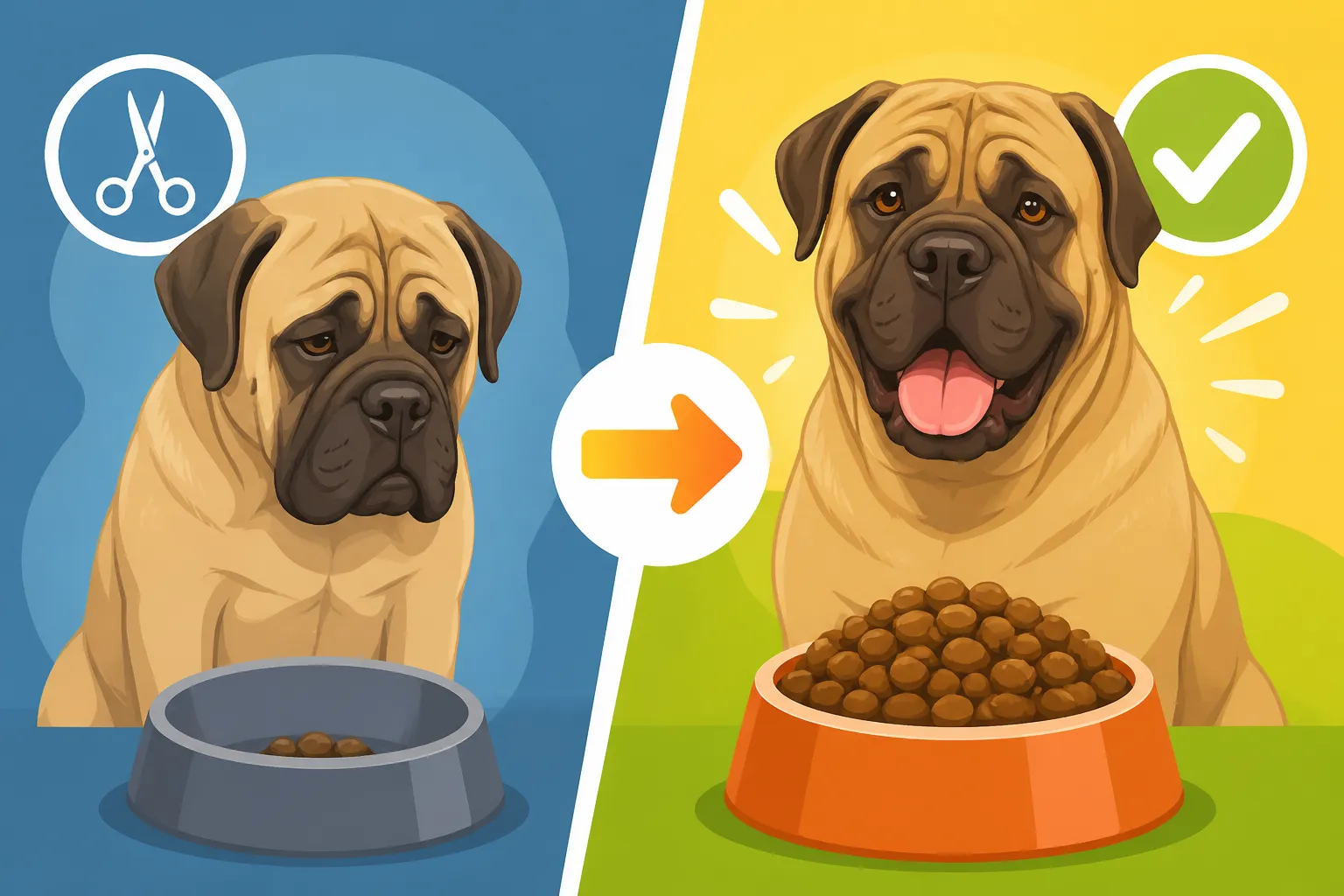
So, you have a dog whose body needs fewer calories, but whose brain is telling them they're still hungry, or even hungrier. This imbalance is a recipe for weight gain. Your Mastiff might start begging more, looking forlornly at their empty bowl, or generally acting as if they're starving, even if they've eaten their appropriate portion. It's a disconnect between their physiological caloric requirement and their perceived hunger. Understanding this isn't about blaming your dog; it's about recognizing the internal changes they're experiencing and taking proactive steps to help them maintain a healthy weight. Ignoring it can lead to health complications down the line, especially for a giant breed like a Mastiff.
Navigating Your Mastiff's New Eating Habits
Dealing with a Mastiff's post-neutering appetite can feel like a delicate balancing act. You want your gentle giant to be content and well-fed, but you also need to protect their long-term health. The key is thoughtful adjustment and consistent monitoring.
The Initial Post-Op Appetite Rollercoaster
Right after surgery, your Mastiff's appetite might be all over the map. For the first day or two, it's perfectly normal for them to be a bit subdued, perhaps even a little nauseous from the anesthesia and pain medication. They might turn their nose up at food, or only pick at it. As the days pass and they start to feel better, that appetite often comes roaring back – sometimes with a vengeance. This is where owners can inadvertently start overfeeding. Out of relief that their dog is feeling better and eating, it's easy to indulge those big, sad eyes when they seem to want more food.
However, this initial surge of appetite can be misleading. It doesn't necessarily mean their body needs more calories; it's more likely a combination of feeling better and the hormonal shifts starting to take effect. It's crucial during this phase to stick to the veterinarian's feeding guidelines for recovery and then transition carefully to a new, reduced feeding plan. Don't be swayed by their newfound enthusiasm for food; remember the metabolic changes are already underway.
Adjusting Food Portions for a Neutered Mastiff
This is arguably the most critical step. Because of the metabolic slowdown, your neutered Mastiff will almost certainly need fewer calories than they did when they were intact. The exact reduction varies, but a common recommendation is a 10-20% decrease in their previous caloric intake. This might sound significant, especially when your Mastiff is looking at you like you've forgotten to feed them for a week. However, it's vital for preventing unhealthy weight gain.
Start by accurately measuring your Mastiff's food. Ditch the "scoop and guess" method. Use a proper measuring cup or, even better, a kitchen scale to ensure precise portions. Many dog food bags will have a feeding guide based on weight, but remember these are often for intact dogs and can be overly generous for a neutered Mastiff. It's best to consult with your veterinarian. They can help you calculate a more accurate caloric target based on your dog's current weight, ideal weight, and activity level. Remember, the goal is not to starve your dog, but to feed them appropriately for their new metabolic needs. Keeping your Mastiff lean on purpose is one of the best things you can do for their joint health and overall longevity. Keeping a Mastiff Lean on Purpose
Choosing the Right Food Type and Schedule
Beyond just quantity, the type of food and when you feed it also matters. Some Mastiff owners find that switching to a "weight management" or "light" formula can be beneficial after neutering. These foods are designed with fewer calories and often higher fiber to help dogs feel full without consuming too much energy. Even if your Mastiff isn't yet overweight, a proactive switch can help prevent it. Some formulas designed for older dogs, often labeled "senior," can also be appropriate as they tend to be lower in calories and sometimes contain joint support supplements.
Consider your feeding schedule as well. Many Mastiffs, especially as puppies, are fed three meals a day. While some larger breeds can transition to two meals as adults, if your neutered Mastiff feels constantly hungry, breaking their daily allotment into two or even three smaller meals can help them feel more satisfied throughout the day. This aligns with the idea that Why a Mastiff Stays on Three Meals Longer can be a beneficial strategy for managing hunger, even in adulthood, by spreading out their caloric intake. You can find a vast array of appropriate kibble options from retailers like Chewy or Amazon, allowing you to compare ingredients and calorie counts easily.
Practical Strategies for Managing Weight and Hunger
Preventing weight gain in a neutered Mastiff requires a holistic approach that goes beyond just cutting calories. It involves clever feeding techniques, appropriate exercise, and diligent monitoring.
Incorporating Activity Safely
It’s tempting to think you can just exercise off any extra calories your Mastiff eats, but this needs to be approached with extreme care, especially for a giant breed. While regular activity is crucial for a Mastiff's health and to combat the metabolic slowdown, over-exercising can be incredibly detrimental to their joints. Mastiffs are not built for endurance running or high-impact activities. Their immense weight puts tremendous strain on their hips, elbows, and other joints, even when they're at a healthy weight.
Focus on consistent, moderate, low-impact exercise. Short, controlled walks (think 20-30 minutes, twice a day) are ideal. Allow them to potter around a secure yard, but avoid forced running, jumping, or long hikes. Remember the principle that Why a Mastiff Puppy Must Not Be Exercised Hard still applies, in spirit, to adult Mastiffs whose joints need protection. Consider mental stimulation through training or puzzle games as another form of energy output that doesn't stress their physical frame. Even though Why One Hour a Day Is Enough for a Mastiff is often cited, ensure that hour is quality, controlled activity, not intense exertion.
Smart Snacking and Enrichment
Those mournful Mastiff eyes begging for extra food can be hard to resist. This is where smart snacking comes in. Instead of calorie-dense treats, offer healthy, low-calorie alternatives. Many vegetables are perfectly safe and relished by dogs, such as baby carrots, green beans, cucumber slices, or apple slices (without seeds). These provide crunch and chewing satisfaction without adding many calories. Always introduce new foods slowly to avoid stomach upset.
Enrichment toys can be a godsend for a Mastiff who feels constantly hungry. Slow feeder bowls or inserts are excellent for making meals last longer, forcing your dog to eat at a more measured pace. This can help them feel more satisfied as the meal takes longer to consume. Puzzle toys that dispense kibble or treats as your Mastiff manipulates them can also extend mealtime and provide valuable mental stimulation, which can tire them out almost as much as physical exercise. You can find a wide variety of these products, including durable slow feeders that can survive a Mastiff's enthusiasm, from online retailers like Amazon or Chewy. Make sure to choose one that is truly Mastiff-proof – Which Slow Feeder Survives a Mastiff is an important consideration! Even some freeze-dried single-ingredient treats can be a good option for training, just remember to factor them into their daily calorie count.
Monitoring Body Condition and Regular Vet Checks
One of the most important tools in your weight management arsenal is regular monitoring of your Mastiff's body condition. You need to be able to assess their physique to know if your adjustments are working. You should be able to feel their ribs easily when you gently run your hands along their side, without seeing them overtly. They should also have a discernible waist when viewed from above, and a slight tuck in their belly when viewed from the side. Feeling for a Mastiff's Ribs Under Its Bulk is a skill every Mastiff owner should cultivate.
A healthy weight range for a male Mastiff, for example, is generally between 160-230 pounds, but this varies wildly depending on individual bone structure and height. Your vet can show you how to perform a proper body condition score. Regular weigh-ins at home, if you have a scale that can accommodate your big dog, or during routine vet visits, are also crucial. Don't hesitate to schedule follow-up appointments with your vet specifically to discuss weight management. They can offer personalized advice, adjust caloric intake recommendations, and rule out any other underlying health issues. This proactive approach is vital, especially when considering Why a Mastiff Only Gets Six to Ten Years – every year of healthy, lean living counts towards their quality of life.
| Feature | Intact Mastiff (Pre-Neutering) | Neutered Mastiff (Post-Surgery) |
|---|---|---|
| Metabolism | Generally higher, driven by sex hormones & muscle mass | Slower, due to reduced hormones & potential muscle decrease |
| Caloric Needs | Higher, to support active hormones & energy demands | Lower by 10-20%, for maintenance of a less active system |
| Appetite | Varies, but satiety signals usually more effective | Often increased, due to altered hormone-satiety feedback |
| Muscle Mass | Maintained or built more easily | Can gradually decrease; harder to maintain |
| Energy Levels | Can be higher, particularly in intact males | May decrease slightly, leading to less voluntary activity |
| Weight Gain Risk | Lower, if exercise and diet are balanced | Higher, if caloric intake isn't reduced |
| Behavioral Hunger | Less persistent, typically tied to meal times | Can be more persistent, demanding, and frequent |
The Long-Term Health Implications of Weight Gain
While a few extra pounds might not seem like a big deal on a dog as large as a Mastiff, the reality is that excess weight can severely impact their health and quality of life. For a giant breed, even a seemingly small amount of extra weight translates to significant strain on their entire system.
Joint Strain and Arthritis Risk
Mastiffs are already predisposed to a host of joint issues, including hip and elbow dysplasia, osteochondritis dissecans (OCD), and general arthritis. Their sheer size means their joints are constantly under immense pressure. Adding even a small amount of extra weight exponentially increases this burden. Imagine carrying a 20-pound backpack all day, every day – that's what an overweight Mastiff experiences. This constant strain accelerates the wear and tear on cartilage, exacerbates existing conditions, and brings on arthritis much earlier and more severely.
A Mastiff who develops Arthritis in a Mastiff at Four due to carrying too much weight will suffer pain, reduced mobility, and a diminished ability to enjoy walks or even just get up and down comfortably. This makes life harder not just for them, but for you as an owner, as managing pain and mobility issues in a dog that can weigh over 200 pounds is incredibly challenging. Preventing weight gain is one of the most effective ways to protect their precious joints and give them as many comfortable years as possible.
Increased Risk of Other Health Issues
Beyond joint problems, excess weight in Mastiffs contributes to a cascade of other serious health issues. Obesity can lead to cardiovascular problems, putting extra strain on their already hard-working hearts. It can increase their risk of developing diabetes, just as it does in humans. Respiratory issues can also worsen, as extra fat around the chest and abdomen makes breathing more labored, especially in brachycephalic (short-nosed) Mastiffs or those with underlying conditions.
Furthermore, there's evidence suggesting a link between obesity and an increased risk of certain cancers, which Mastiffs are already unfortunately prone to. While not definitively proven for all types, it's another reason to maintain a lean physique. Even the dreaded bloat, or Gastric Dilatation-Volvulus (GDV), can be indirectly affected. While direct links between weight and bloat are complex, an overweight dog might have slower gastric emptying or be less agile in recovery from a bloat episode. What Triggers Bloat in a Mastiff can be multifactorial, but keeping your Mastiff lean supports overall gastrointestinal health.
Impact on Quality of Life and Lifespan
Ultimately, an overweight Mastiff has a significantly reduced quality of life. They're less comfortable, less energetic, and often less engaged in activities they once enjoyed. Simple tasks like getting up from a lying position, navigating stairs, or jumping into a car become monumental struggles. Their zest for life diminishes, and watching your once vibrant giant struggle can be heartbreaking for any owner.
The scientific consensus is clear: leaner dogs live longer, healthier lives. For a breed already known for its shorter lifespan, managing weight becomes even more critical. Whether a Lean Mastiff Lives Longer is not just a theory; it's a proven fact. By taking proactive steps to manage your Mastiff's appetite and weight after neutering, you are investing directly in their comfort, mobility, and extending the precious time you have together. It's about providing them with the best possible chance at a long, fulfilling life, free from the burdens that excess weight inevitably brings. Always monitor their body condition against ideal ranges, such as The Weight Range a Male Mastiff Should Hold, and adjust their diet as they age, perhaps moving towards What Changes in an Old Mastiff's Bowl.
Disclaimer
This article is for general informational purposes only and does not constitute professional advice. Laws, prices and regulations vary by location and change over time. Consult a qualified professional for guidance on your specific situation.