Whether a Mastiff Bolts Its Food
Watching your beloved Mastiff inhale their dinner in what feels like mere seconds can be incredibly alarming. You prepare a carefully measured meal, put it down, and whoosh, it's gone before you can even turn around. It's not just a messy habit; for a giant, deep-chested breed like the Mastiff, eating too quickly can pose serious health risks. This guide will walk you through why your Mastiff might be bolting their food and, more importantly, what actionable steps you can take to make mealtime safer and more enjoyable for them.
Understanding Why Mastiffs Bolt Their Food
It's natural to wonder if your Mastiff is just exceptionally hungry or if there's something else at play when they devour their meal at lightning speed. Often, it's a combination of instinct, learned behavior, and even the physical presentation of their food. Understanding these root causes is the first step in addressing the issue effectively.
The Instinctual Drive
Dogs, by nature, are often programmed with a "feast or famine" mentality, a leftover from their wild ancestors who had to compete for food. While your Mastiff is a cherished family member with a regular feeding schedule, some of this primal drive can still surface. If they perceive competition, even if it's just another pet in the house, or if they've been in a situation where food was scarce, that instinct to eat quickly before it's gone can kick in. This isn't a sign of poor training; it's a deep-seated behavioral pattern. They're not being greedy; they're simply responding to an urge that has served their species for millennia.
Early Life Experiences
A Mastiff's early experiences can heavily influence their eating habits. A puppy from a large litter, for instance, might have learned to eat incredibly fast to ensure they got their share before their siblings finished it all. Imagine a litter of eight massive Mastiff puppies all vying for the same food bowl – it's a race! This competitive eating can become a deeply ingrained habit that follows them into adulthood. Similarly, Mastiffs adopted from shelters or rescue organizations might have experienced periods of food insecurity, where meals were irregular or inconsistent. These dogs often develop a strong tendency to bolt their food, even once they are in a loving home with plenty to eat, because their past has taught them that food might not always be there. It's a survival mechanism that's hard to shake.
The Shape and Size of Their Meal
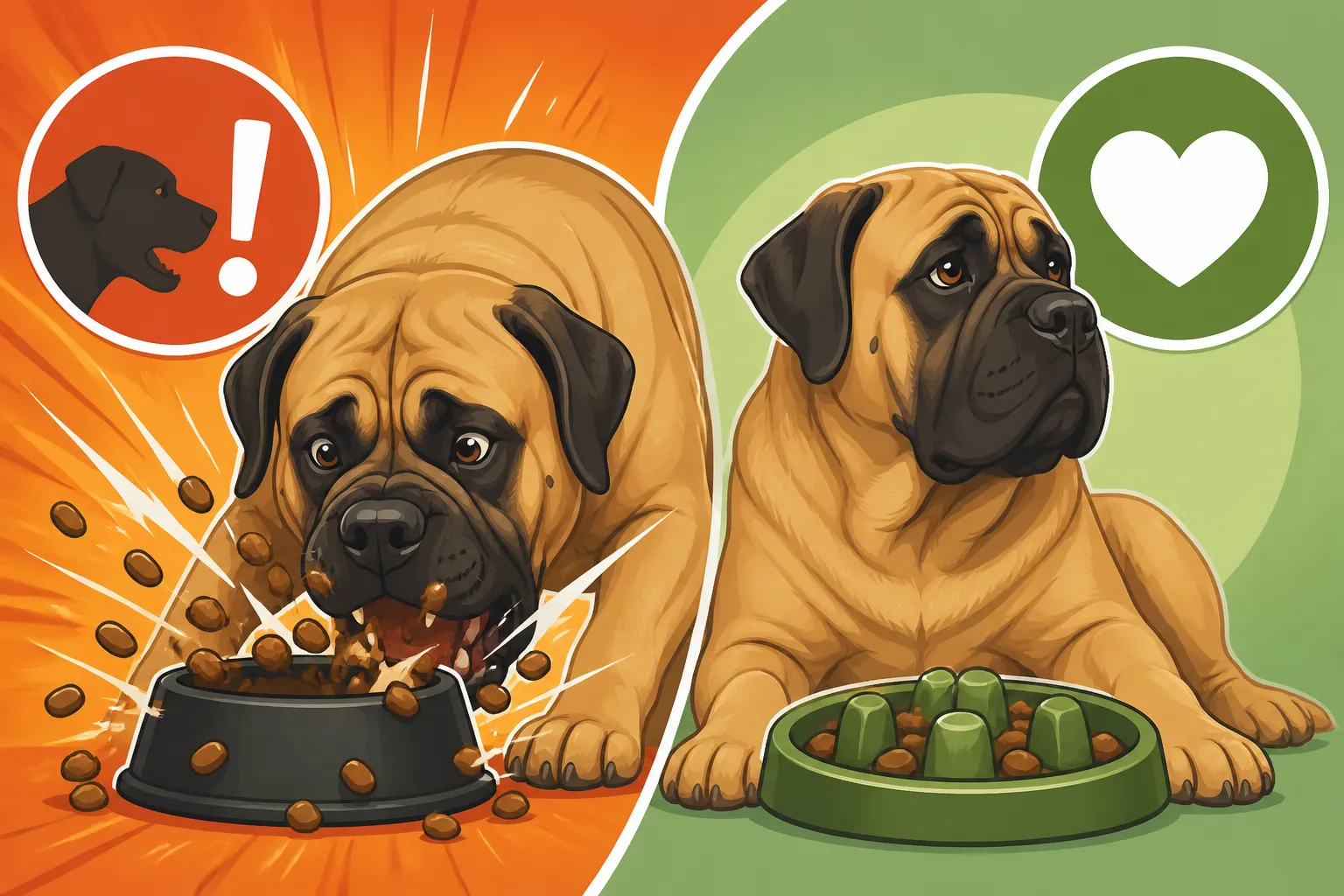
Sometimes, the simplest factors are overlooked. The type of food and the bowl it's served in can significantly impact how fast a Mastiff eats. Small, uniform kibble, for example, can be swallowed with very little chewing. If your Mastiff is on a diet of tiny, easy-to-ingest pieces, it's almost a given they'll eat faster than if they had to work at their food. Furthermore, a wide, open bowl presents all the food at once, making it incredibly easy for a large dog with a wide muzzle to scoop up massive mouthfuls. Think about how a Mastiff's broad head fits perfectly into a standard bowl, allowing for maximum intake with minimum effort. It creates an expressway directly to their stomach, which, as we'll discuss, can be problematic.
The Real Dangers of Rapid Eating for a Mastiff
While any dog can benefit from slowing down their eating, for a Mastiff, it's not just about manners; it's a critical health concern. The sheer size and unique anatomy of this breed make fast eating a much higher stakes gamble.
Bloat (GDV) – A Mastiff's Nightmare
This is arguably the most terrifying risk associated with a Mastiff bolting its food. Gastric Dilatation-Volvulus, or bloat, is a life-threatening condition where the stomach fills with gas and can then twist on itself. This cuts off blood supply and can quickly lead to shock and death if not treated immediately. Mastiffs, with their deep, narrow chests, are disproportionately susceptible to bloat. When a dog eats rapidly, they often swallow excessive amounts of air along with their food. This air, combined with food and liquids, creates pressure in the stomach. If that stomach then twists, it's an emergency that requires immediate veterinary intervention. Owners often describe a bloated dog trying to vomit without success, pacing, or having a distended abdomen. This isn't a condition where you can "wait and see"; every minute counts. The First Sign a Mastiff Is Bloating can be subtle, so being vigilant is crucial. This is why addressing food bolting in your Mastiff is not a suggestion, but a necessity for their well-being. Some owners even opt for a preventative surgery called gastropexy. You might be interested in reading Whether a Gastropexied Mastiff Can Still Bloat for more information on that topic.
Choking and Indigestion
Beyond the severe risk of bloat, rapid eating carries other immediate dangers. A Mastiff, in its haste, can easily choke on large pieces of kibble or even an entire mouthful if it tries to swallow before fully chewing. Imagine a two-hundred-pound dog suddenly struggling to breathe – it's a terrifying scenario. Even if they don't choke, the lack of proper chewing means larger food particles reach the stomach. This forces their digestive system to work harder, leading to indigestion, vomiting, or diarrhea. Instead of nutrients being efficiently absorbed, the system is stressed, potentially causing discomfort and nutrient loss. This also makes it harder for you to assess if your Mastiff is genuinely enjoying their food or if they're experiencing any sensitivities, because everything is rushed.
Nutrient Absorption and Comfort
Beyond the acute dangers, consistent fast eating can impact your Mastiff's long-term health and comfort. When food is swallowed too quickly, it often isn't properly broken down by saliva and the initial stages of digestion. This means the digestive enzymes in the stomach and intestines have to work overtime, and the overall efficiency of nutrient absorption can decrease. Your expensive, high-quality giant breed food might not be delivering its full nutritional punch if your Mastiff isn't processing it correctly. Furthermore, eating too fast can lead to a feeling of over-fullness and discomfort immediately after meals. While they might feel temporarily stuffed, they haven't had the satisfaction of a prolonged eating experience. This can ironically lead to a dog still acting hungry shortly after a meal, creating a cycle where they continue to eat quickly out of perceived hunger, even if their body is actually getting enough.
Practical Solutions to Slow Down a Mastiff's Eating
The good news is that there are many effective strategies you can implement to encourage your Mastiff to slow down at mealtime. It might take some patience and experimentation, but the benefits for their health and your peace of mind are immeasurable.
Investing in a Slow Feeder Bowl
This is often the first and most effective step for many Mastiff owners. Slow feeder bowls are designed with various ridges, mazes, or pillars inside that force your dog to navigate around obstacles to get their food. Instead of a wide-open trough, they have to lick and nudge individual kibbles out of compartments. This simple design trick can add minutes to your Mastiff's mealtime, reducing air intake and promoting more thoughtful eating.
There's a vast array of slow feeders out there. Some are heavy ceramic, which is great for preventing a large Mastiff from tipping them over. Others are made from durable, food-grade plastic. You'll find them in all shapes and sizes at retailers like Chewy or Amazon. When choosing one, consider the depth and complexity of the design – for a Mastiff, something with deeper, more challenging mazes will likely be more effective than a shallow, simple pattern. Make sure it's sturdy enough to withstand a determined two-hundred-pound dog!
| Slow Feeder Type | Description | Pros | Cons |
|---|---|---|---|
| Maze/Ridge | Bowls with raised patterns, swirls, or ridges that divide the food. | Very effective; widely available; various materials. | Some Mastiffs learn to flip them; cleaning can be tricky. |
| Puzzle Feeders | More interactive, often requiring pushing levers or solving simple puzzles to release food. | Highly engaging; excellent mental stimulation. | Can be expensive; some are not Mastiff-proof in durability. |
| Insertable | Silicone or plastic inserts that stick to the bottom of a regular bowl, creating obstacles. | Cost-effective; adaptable to existing bowls; easy to clean. | Might not be secure enough for a powerful Mastiff; can be chewed. |
| Lick Mats | Textured silicone mats where wet food or soft treats are spread, requiring extended licking. | Excellent for mental calming; good for wet food/supplements. | Not ideal for full kibble meals; primarily for treats or toppers. |
For additional information, consider reading Whether a Slow Feeder Reduces a Mastiff's Bloat Risk to understand the specific benefits for our giant friends.
Meal Spacing and Frequency
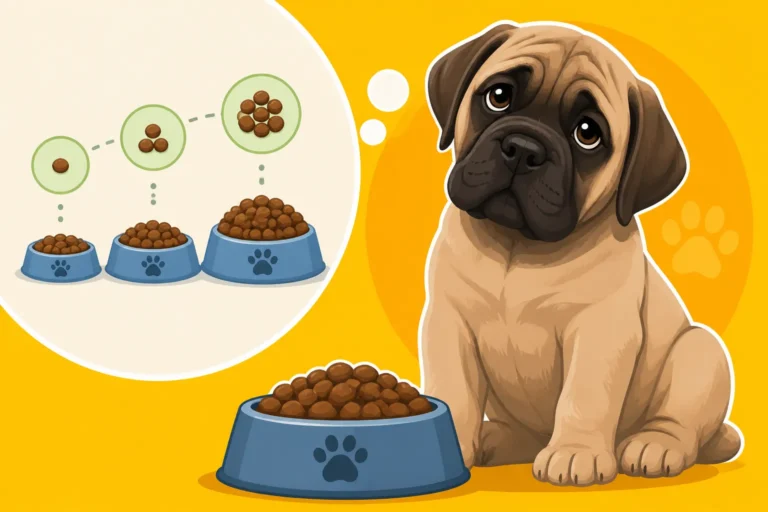
Instead of offering one or two large meals a day, consider breaking your Mastiff's daily food allowance into three or even four smaller portions. This approach can make a huge difference. Smaller meals mean less food in the bowl at any one time, reducing the urge to gorge. It also gives their digestive system less to handle in a single sitting, making digestion easier and potentially reducing gas build-up. Many Mastiffs, especially puppies, benefit from this method. Why a Mastiff Stays on Three Meals Longer is a good article to explore this in more detail. Even for adult Mastiffs, shifting from one meal a day to two or three can be a game-changer for slowing down eating and reducing bloat risk. You might find more insights into this in Whether Two Meals a Day Lower a Mastiff's Bloat Risk.
Making Mealtime a Game
Who says mealtime has to be boring? Turn your Mastiff's dinner into an engaging activity that forces them to use their brain and body. Instead of simply placing their bowl on the floor, try scattering their kibble across a clean, designated area of your yard or a large mat indoors. This forces them to sniff out and pick up individual pieces, turning a 30-second meal into a 10-15 minute scavenger hunt. You can also hide portions of their meal in various places around the house, making them "hunt" for it. For a more structured approach, invest in sturdy food puzzle toys that dispense kibble slowly as your Mastiff rolls or manipulates them. Just ensure the toys are robust enough to withstand the power of a Mastiff and don't pose a choking hazard. This adds mental stimulation, which is incredibly valuable for a Mastiff and tires them out in a good way.
Choosing the Right Food Consistency
Sometimes, the texture of the food itself can be a factor. If your Mastiff is eating dry kibble, consider adding a little warm water or low-sodium chicken broth to their meal. This softens the kibble, making it less "bolt-able" and sometimes more palatable. The added liquid also means they have to ingest more volume, naturally slowing them down. For those interested in fresh food options, services like Ollie provide gently cooked meals that often have a softer, more varied texture, which can naturally encourage slower eating. However, even with fresh food, the presentation matters. You can still use slow feeder bowls with fresh food or spread it out on a lick mat to extend meal duration. Larger kibble sizes, if available for your Mastiff's specific diet, might also require more chewing, acting as another natural brake on rapid consumption.
When to Seek Professional Advice
While many cases of food bolting can be managed with the strategies above, there are times when it’s wise to consult a professional. This is especially true if you’re seeing other concerning symptoms or if the behavior seems deeply ingrained and resistant to your efforts.
Persistent Bolting and Other Symptoms
If your Mastiff continues to bolt their food despite your best efforts with slow feeders, multiple meals, and enrichment, it’s worth a conversation with your veterinarian. They can help rule out any underlying medical conditions that might be contributing to excessive hunger or rapid eating. For example, certain gastrointestinal issues or metabolic disorders could potentially influence appetite and eating speed. More importantly, if the food bolting is accompanied by other symptoms such as repeated attempts to vomit without producing anything, a distended or hard abdomen, restlessness, or excessive drooling, you must seek emergency veterinary care immediately. These are classic signs of bloat, and time is of the essence. You might want to familiarize yourself with How Long a Bloating Mastiff Has Before Surgery to understand the critical window of intervention.
Behavioral Consultation
In some instances, food bolting can be a deeply ingrained behavioral issue that stems from past trauma or significant anxiety. For these cases, a certified professional dog trainer or a veterinary behaviorist can provide invaluable guidance. They can assess your Mastiff’s overall behavior, living environment, and history to develop a tailored behavior modification plan. This might involve counter-conditioning, desensitization, or other techniques to address underlying anxieties related to food. They can also help fine-tune your approach to mealtime, ensuring that you're creating the most positive and stress-free eating environment possible for your gentle giant. Remember, a calm, secure dog is less likely to feel the primal urge to gorge.
Disclaimer
This article is for general informational purposes only and does not constitute professional advice. Laws, prices and regulations vary by location and change over time. Consult a qualified professional for guidance on your specific situation.