What a Mastiff Costs in Replaced Furniture
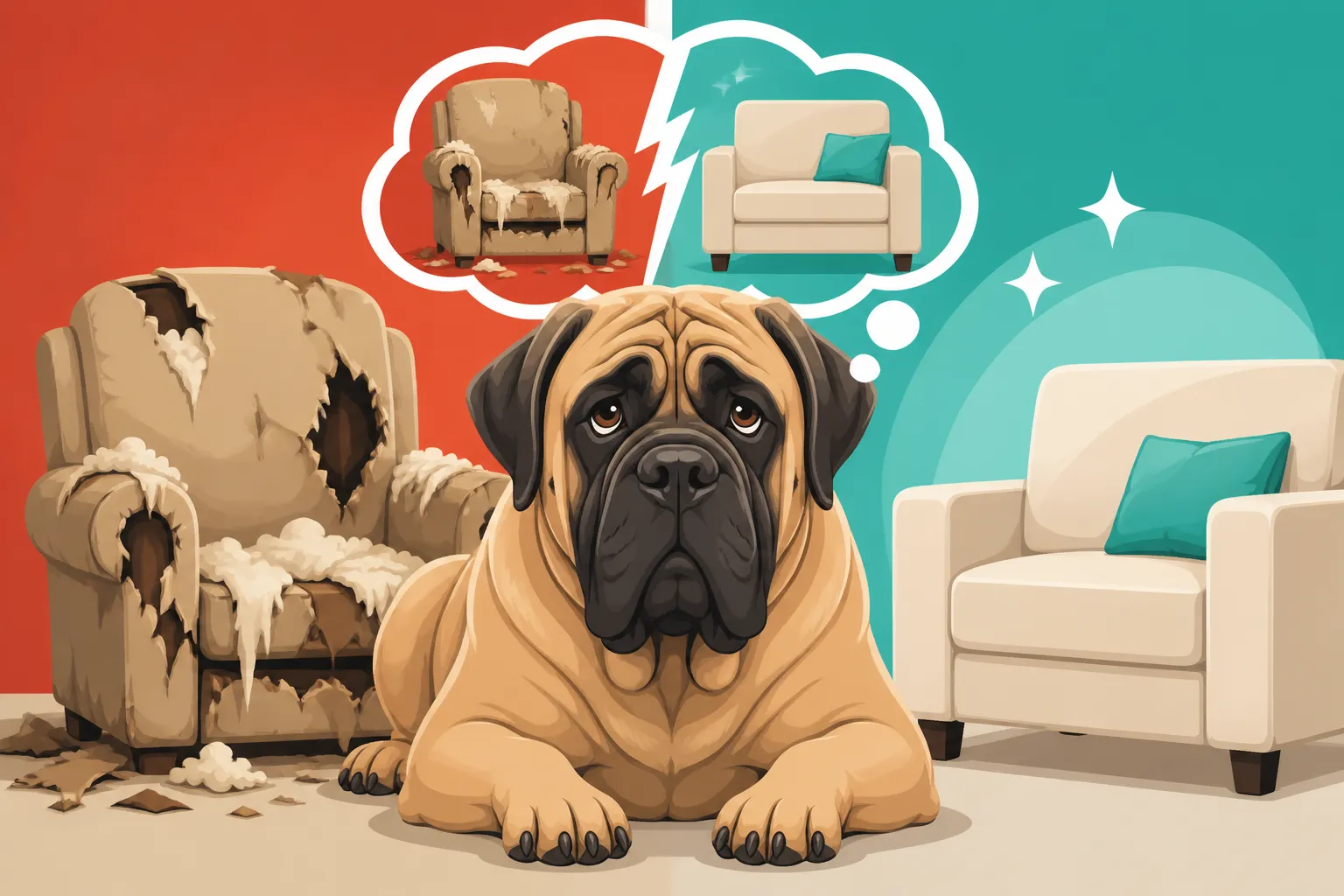
It’s a common scenario for Mastiff owners: you settle in for a relaxing evening, only to discover a new tear in the sofa fabric, a scratch across the coffee table, or a completely deflated dog bed that was brand new last week. Owning one of these magnificent, loving giants brings immense joy, but let's be realistic – it also brings a unique set of challenges to your home furnishings. This guide will delve into the often-overlooked financial impact Mastiffs can have on your furniture, exploring why it happens and offering practical advice to protect your home and your wallet.
The Unseen Costs of a Giant Dog's Presence
When you welcome a Mastiff into your life, you're not just getting a dog; you're inviting a creature of immense size and delightful, sometimes clumsy, personality. This presence, while wonderful, comes with certain physical realities that smaller breeds simply don't pose to your furniture. It's not about malicious destruction, but rather the sheer force of nature that is a two-hundred-pound canine navigating your living space.
The "Gentle Giant" Paradox and Your Sofa
Mastiffs are often called "gentle giants" for a reason – they are typically calm, affectionate, and truly want to be close to their people. However, "gentle" doesn't always translate to "delicate with upholstery." Imagine a dog that weighs as much as an adult human, seeking comfort on your sofa. Over time, the constant pressure of that weight, whether they're sprawling out for a nap or simply leaning their massive body against the armrest, can take a serious toll on cushions, springs, and even the structural integrity of your furniture. They might not be intentionally digging, but the repeated act of settling can wear down fabrics and compromise foam quicker than you'd ever expect.
Then there's the tail. Oh, the Mastiff tail! It’s a powerful, happy appendage, but when it’s enthusiastically wagging, it becomes a formidable weapon against anything in its path. Coffee tables, lamps, and even the sides of your sofa can suffer from accidental, but forceful, thwacks. One moment of pure joy can send a fragile decorative item flying or leave a dent in wooden furniture. And let's not forget the sheer momentum of a Mastiff turning around in a tight space; an innocent swish of a furry hip can nudge a chair out of place or scrape against a wall.
Drool, Dirt, and Damage: The Triple Threat
Beyond the physical wear and tear, Mastiffs bring with them an undeniable trifecta of drool, dirt, and shedding, all of which conspire against your furniture's longevity and appearance. Drool is perhaps the most famous Mastiff trait, and it’s a reality you’ll learn to live with. While charmingly expressive, it also means that any surface your Mastiff rests their jowls on or shakes their head near is susceptible to slobber. Over time, this can lead to permanent staining on fabric, particularly lighter colors, and can even degrade certain wood finishes if not wiped up promptly.
Dirt is another constant companion. Even with diligent paw wiping, a Mastiff can track in an impressive amount of mud, dust, and outdoor debris. A quick nap on the sofa after a walk, or a casual brush against a dining chair, can leave a visible trail of grime. This dirt embeds itself in fabric fibers, making your upholstery look dingy faster than usual. Regular vacuuming helps, but some stains become set. The Wrinkles and Folds a Mastiff Owner Cleans Every Week also highlight areas where dirt can collect, before being transferred to furniture.
Finally, while Mastiffs have relatively short coats, they do shed. Their dense undercoat can create a fine layer of hair that clings to upholstery, blankets, and carpets. This shedding is exacerbated during seasonal changes. While not directly damaging, the constant presence of hair means more frequent and thorough cleaning, which in itself contributes to the wear and tear on your furniture. It means more lint rollers, more vacuuming, and more vigorous cleaning of throws and slipcovers.
Common Furniture Casualties in a Mastiff Home
It’s not just if your furniture will show wear and tear, but where and how. Certain pieces bear the brunt of Mastiff companionship more than others. Understanding these vulnerabilities can help you prepare and choose wisely for your giant companion.
Sofas, Chairs, and Ottomans: The Main Targets
Your living room furniture is often at the epicenter of Mastiff interaction. Sofas and armchairs are prime spots for a Mastiff to curl up (or, more accurately, spread out), lean against you, or simply observe their domain. The weight of a Mastiff can quickly flatten cushions, sag springs, and stress the frame of even well-built sofas. What might last a decade with smaller dogs could show significant structural fatigue in half that time with a Mastiff. Fabrics designed for normal family use might pill, snag, or wear thin where a Mastiff repeatedly rubs or paws.
Consider the armrests, for example. Many Mastiffs love to rest their heavy heads on the arm of a sofa or chair, or even use it as a launching pad to get more comfortable. This repeated pressure can deform padding, stretch fabric, and even loosen arm joints. If your Mastiff has a habit of "nesting" or adjusting their position, you might see pulls or tears on the fabric from their nails, even if they're regularly trimmed. The larger the dog, the more impact their casual movements have.
Coffee Tables, End Tables, and Bookshelves
While not as directly "occupied" as seating, other pieces of furniture are far from immune. Coffee tables and end tables are often at the perfect height for a Mastiff's tail to sweep clean during a happy wag. A sturdy table can withstand this for a while, but delicate items placed on them, or the finish of the table itself, can suffer. Imagine a two-hundred-pound dog enthusiastically greeting you after a long day; that tail becomes a blur of happy destruction. You might find yourself constantly rearranging or having to replace lamps, remote controls, or drinks that become accidental casualties.
Bookshelves and cabinets can also fall victim, not necessarily to direct interaction, but to the sheer scale of a Mastiff's movements. A quick turn in a narrow hallway, an overzealous play session, or even just a clumsy stumble can send a dog of this size crashing into furniture. While rare, a serious impact could dislodge shelves, scratch surfaces, or even tip over lighter pieces if not properly anchored. It's less about intentional damage and more about the gravitational reality of having such a large creature in your home.
Beds and Bedding: An Ongoing Expense
Perhaps the most frequent furniture-related casualty in a Mastiff home is their own bed. These aren't just pet accessories; for a Mastiff, a good bed is essential for joint health, providing cushioning from hard floors. However, finding a bed that can withstand a Mastiff's weight, their sprawling habits, and their occasional desire to "dig" a nest is a constant challenge. Many Mastiff owners find themselves replacing beds far more frequently than anticipated. What looks durable in the store might be shredded or flattened beyond recognition in a matter of months.
You need a bed robust enough to support their massive frame and distribute their weight evenly to protect their joints. This often means investing in high-density foam or orthopedic beds. However, these also come at a premium, making each replacement a significant expense. If your Mastiff loves to chew, even supposedly "indestructible" beds can succumb. It's a balance between comfort, durability, and cost. For more on this, you might want to read How Often a Mastiff Destroys a Bed and What an Orthopedic Bed for a Mastiff Costs. These expenses are often under-budgeted when people consider the overall cost of ownership.
Strategies to Mitigate Furniture Replacement Costs
Living with a Mastiff doesn't mean your home has to look like a war zone. There are plenty of proactive steps you can take to protect your existing furniture and make smarter choices for future purchases, ultimately saving you money and frustration in the long run.
Choosing Mastiff-Resistant Furniture and Materials
When it's time to invest in new furniture, think like a Mastiff owner, not just a decorator. Durability should be a top priority. Opt for pieces with solid, heavy frames that can withstand leaning and accidental bumps. Look for reinforced joints and sturdy construction. When it comes to upholstery, certain materials are far more forgiving than others. Microfiber, for example, is often a hero in Mastiff homes. It’s tightly woven, resistant to snagging, and surprisingly easy to clean, repelling liquids better than many other fabrics.
Leather, while an upfront investment, can also be a good choice. It's remarkably durable, easy to wipe clean of drool and paw prints, and often develops a beautiful patina with age, making minor scratches less noticeable. Just be aware that very sharp nails can still pierce it. Another excellent option is canvas or heavy-duty outdoor fabrics, which are designed to withstand more abuse. Slipcovers, especially washable, heavy-duty ones, are your best friend. They can be removed, thrown in the wash, and replaced, protecting the underlying furniture and allowing for easy refresh. Consider purchasing a second set so you always have a clean one ready.
Protective Measures and Training
Sometimes, the best offense is a good defense. For your existing furniture, embrace throws, blankets, and dedicated dog covers. Heavy-duty blankets or furniture protectors can act as a barrier between your Mastiff and your upholstery, absorbing drool, hair, and paw prints. Lay them over frequently used spots on the sofa and chairs. Make sure your Mastiff has several comfortable, designated beds of their own, placed strategically around the house. Encouraging them to use their own beds, rather than the human furniture, can go a long way.
Training plays a crucial role too. While you can't stop a tail from wagging, you can teach your Mastiff appropriate indoor manners. Basic obedience commands like "off," "place," and "stay" can help manage their interactions with furniture. Starting this training early, when they are still a manageable size, is key. Teaching a Mastiff Before It Outweighs You is vital. It’s much easier to gently redirect a seventy-pound puppy than a two-hundred-pound adult who has learned bad habits. Consider crate training for times when you can't supervise directly, which can prevent accidental damage.
Regular Cleaning and Maintenance
Even with the most Mastiff-proof furniture, ongoing maintenance is crucial to extend its life. Make a habit of wiping up drool as soon as you see it. Keep a designated "drool towel" in every room your Mastiff frequents. Regular vacuuming, even daily, will remove hair and surface dirt before it has a chance to embed itself in the fabric. For spills or muddy paw prints, address them immediately with appropriate fabric cleaners.
Consider investing in a good quality carpet and upholstery cleaner, especially one designed for pet stains. For slipcovers and washable throws, regular laundering will keep them fresh and prevent the build-up of odors and grime. Some Mastiff owners even opt for professional upholstery cleaning periodically to give their furniture a deeper refresh. Proactive cleaning not only preserves the appearance of your furniture but also ensures a more hygienic environment for both you and your giant companion.
Budgeting for Furniture in a Mastiff Household
Let's face it: owning a Mastiff means you need to adjust your expectations about how long certain household items will last. It's not a reason not to get one, but it is a factor that responsible owners should plan for.
Acknowledging the Inevitable
The first step in budgeting for furniture in a Mastiff home is to accept that replacement and repair will be more frequent than with a smaller, less imposing dog. This isn't a failure on your part or a sign of a "bad" dog; it's simply the reality of living with a creature of this magnificent scale. Embrace the idea that your home will be lived in, and occasionally, loved to pieces. Instead of getting upset every time a new scratch appears, factor it into your mental (and financial) planning.
Think about designating certain pieces of furniture as "Mastiff-friendly" and others as "Mastiff-free zones" where possible. This might mean having a special, sturdy armchair in a sunbeam that's just for them, or ensuring your most delicate antique is placed out of tail-wagging range. Being realistic about what a Mastiff can, and will, do to your belongings helps manage expectations and prevent unnecessary stress. It's part of the trade-off for all the love and companionship they bring into your life.
The Long-Term Perspective
When you consider the full cost of owning a Mastiff over their Six to Ten Years Is What a Mastiff Gets lifespan, furniture replacement is just one piece of the puzzle. While the upfront cost of a well-bred Mastiff puppy might seem like a lot, the ongoing expenses for food, vet care, and yes, household items, add up significantly. Thinking long-term allows you to better prepare. For instance, while pet insurance from providers like Healthy Paws won't cover furniture damage, it can significantly offset unexpected veterinary bills, freeing up funds in your general household budget for furniture repair or replacement.
Consider the annual cost of replacing dog beds, slipcovers, or even a sofa every few years. This recurring expense should be factored into your overall budget. Some owners choose to set aside a small amount each month specifically for "Mastiff-induced household wear and tear." Services like Chewy or Ollie provide excellent food and supply options, but remember that the sheer volume a Mastiff consumes means that food bills alone are substantial. See What a Mastiff's Food Bill Comes to Over Eight Years for a deep dive into that. By understanding the full financial landscape, including The Full Cost of Eight Years With a Mastiff, you can be better prepared for all aspects of Mastiff ownership, including the inevitable furniture refresh.
| Furniture Type | Common Mastiff Challenges | Best Material/Solution |
|---|---|---|
| Sofas/Armchairs | Flattened cushions, stretched fabric, scratches, drool, hair | Solid wood frame, microfiber or leather upholstery, heavy-duty washable slipcovers |
| Dog Beds | Flattening, chewing, tearing, odor | Orthopedic foam, durable chew-resistant cover, multiple beds throughout the house |
| Coffee/End Tables | Tail wags, accidental bumps, drool | Solid wood or metal, lower height, protective coasters, minimal decor |
| Flooring | Scratches, slipping (older dogs) | Rugs/runners, durable hardwoods, paw grips (see Traction: Why a Mastiff Cannot Live on Bare Hardwood) |
| Walls | Drool sling, rubbing | Washable paint, corner protectors, frequent cleaning |
Disclaimer
This article is for general informational purposes only and does not constitute professional advice. Laws, prices and regulations vary by location and change over time. Consult a qualified professional for guidance on your specific situation.