What Flooring Suits a Mastiff
One of the most insidious problems many Mastiff owners face, often without realizing the full impact, is the daily struggle their enormous dog has simply standing and moving on unsuitable flooring. A two-hundred-pound dog trying to get purchase on a smooth, slick surface isn't just a minor inconvenience; it's a constant, low-grade injury risk that puts immense strain on their already vulnerable joints and can significantly diminish their quality of life. This guide will delve deep into why certain floor types are problematic for Mastiffs and, more importantly, what practical, empathetic solutions you can implement to keep your gentle giant safe and comfortable in your home.
The Unique Challenges a Mastiff Faces on Flooring
Before we dive into specific floor types, it's crucial to understand why flooring is such a critical consideration for a Mastiff. These aren't just big dogs; they're immense, heavily boned creatures with a unique physiology that interacts with their environment in ways smaller breeds simply don't. Their size amplifies every small misstep and every moment of instability.
The Sheer Weight and Center of Gravity
Imagine carrying an extra person on your back every time you try to stand up or walk across a polished floor. That's a bit like what a Mastiff experiences. Their sheer body mass, easily exceeding 150-200 pounds for many adults, means that every single step exerts immense pressure. When that pressure is applied to a slick surface, the risk of slipping is dramatically increased. A momentary loss of balance for a smaller dog might result in a cute little scramble, but for a Mastiff, it can lead to a violent, uncontrolled splay that wrenches joints, strains muscles, or even causes falls that are hard to recover from.
This weight also affects their center of gravity. Mastiffs are not nimble or agile. They are built for mass and power, not quick turns or delicate footwork. This means they need a stable, forgiving surface that allows them to move deliberately and confidently, without having to constantly compensate for a lack of traction. The force of their weight combined with a poor surface can lead to chronic micro-traumas over time, which silently contribute to joint degradation.
Joint Stress and Pre-existing Conditions
Mastiffs are unfortunately predisposed to a host of orthopedic issues, including hip and elbow dysplasia, osteochondritis dissecans (OCD), and later in life, arthritis. These conditions mean their joints are already under considerable strain, even in ideal circumstances. How Common Hip Dysplasia Is in Mastiffs is a stark reminder of the genetic challenges these dogs face. Slippery floors exacerbate these issues dramatically. When a Mastiff slips, their joints take the brunt of the impact. The sudden splaying of legs forces joints into unnatural and often damaging positions, putting stress on ligaments, tendons, and cartilage.
For a young Mastiff puppy, whose bones are still developing rapidly, constant slipping can contribute to the very development of these orthopedic problems. What Bare Floors Do to a Growing Mastiff illustrates just how vital proper traction is during their formative months. For older Mastiffs, who are often already dealing with Arthritis in a Mastiff at Four or even more advanced mobility issues, a slick floor can make daily tasks like standing up after a nap an agonizing and dangerous ordeal. It can be heartbreaking to watch your beloved giant struggle to rise, knowing the floor might be betraying them.
Paw Pad Traction and Nail Issues
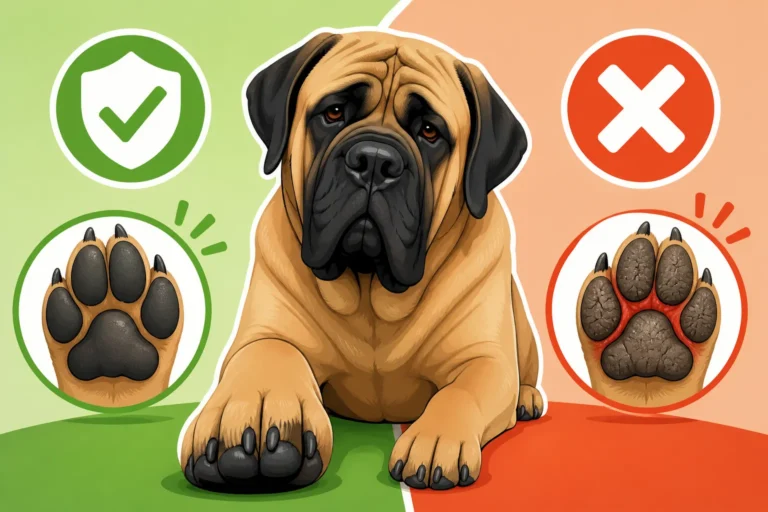
A Mastiff's paw pads are their primary interface with the ground, designed to provide grip and absorb shock. However, even the best paw pads can only do so much on a truly slick surface. Furthermore, many Mastiffs have relatively large, splayed feet compared to some other breeds, which can reduce the effectiveness of their natural grip on smooth surfaces. Long nails are another significant factor. If a Mastiff's nails are allowed to grow too long, they act like ice skates on hard floors, lifting the paw pads off the ground and further reducing traction.
Regular nail trims are essential for any dog, but for a Mastiff on hard flooring, they are non-negotiable. Keeping their nails short enough so they don't click on the floor when walking allows their paw pads to make full contact, maximizing their natural grip. Neglecting this can turn even a somewhat forgiving hard floor into a perilous ice rink for your big dog, making every step a gamble and every change of direction a potential disaster. Keeping a Mastiff's Nails Short Enough for Traction is a vital piece of the puzzle in ensuring their stability.
Common Flooring Types and Their Impact on Mastiffs
Now that we understand the core challenges, let's look at how common household flooring types measure up when it comes to accommodating a Mastiff. Not all floors are created equal, and some are definitely more Mastiff-friendly than others.
Hardwood, Laminate, and Tile – The Slippery Slope
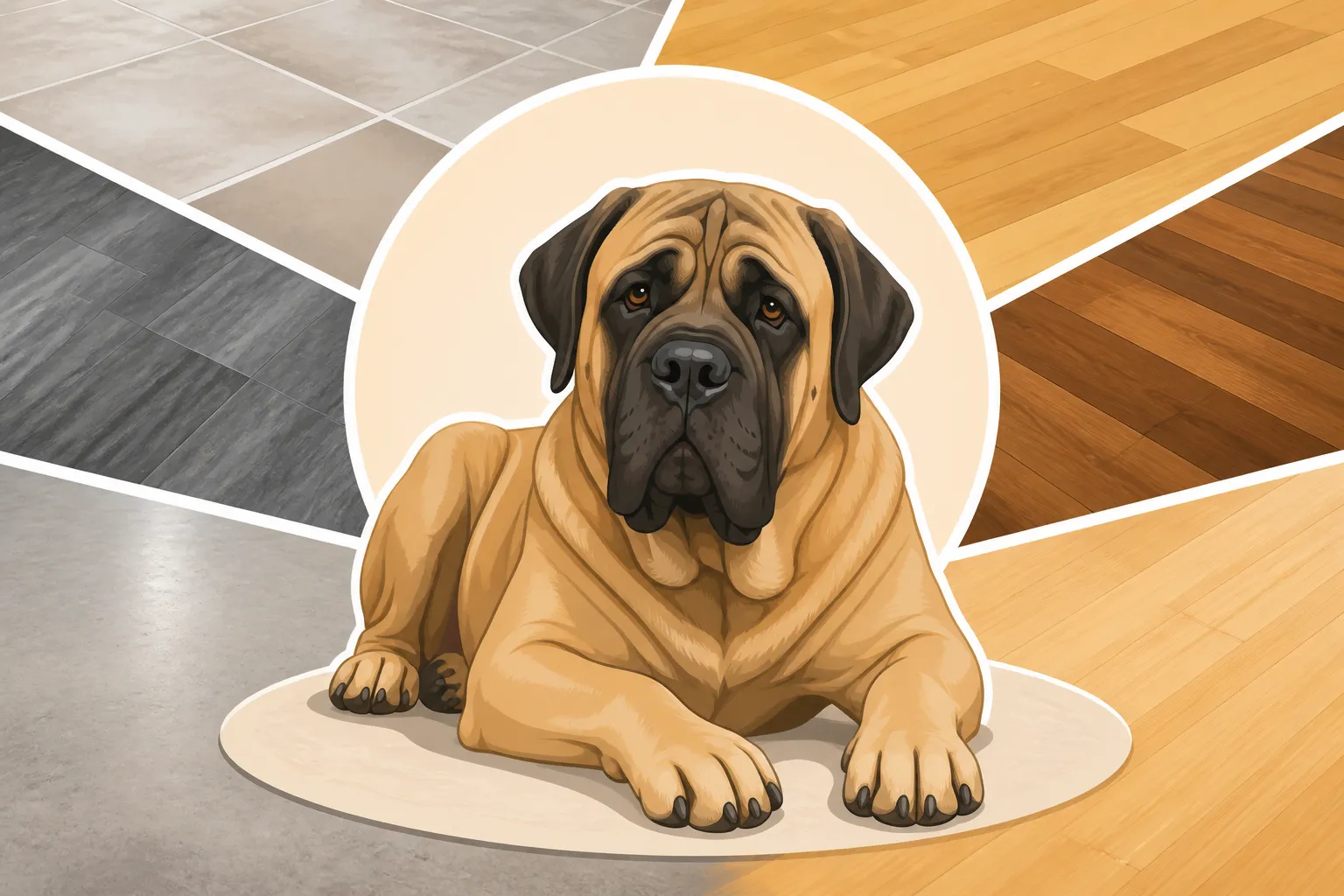
These are often the culprits behind a Mastiff's struggles. Hardwood floors, while beautiful and durable, offer very little natural friction for a heavy dog. Laminate, designed to mimic hardwood, is often even slicker due to its smooth, sometimes glossy, finish. Tile, particularly polished or glazed varieties, can be equally treacherous. Imagine walking on ice in socks – that's the sensation for your Mastiff.
The issue isn't just occasional slips; it's the constant, subtle instability. Every movement requires more effort and muscle control to maintain balance. This constant tensing and compensating leads to fatigue and chronic strain, especially in their hindquarters and core. You might notice your Mastiff "splaying" their legs when trying to stand up quickly or hesitantly navigating corners. This isn't just clumsiness; it's a desperate attempt to find purchase. Over time, this daily struggle contributes to early onset arthritis and accelerates the progression of existing joint issues. It's truly heartbreaking to see your strong, dignified companion reduced to shuffling or hesitating in their own home.
Carpet – A Double-Edged Sword
Carpet offers excellent traction, which is a huge plus for a Mastiff. The soft fibers provide grip for their paws and cushion their joints, making standing and walking much easier and more comfortable. For a Mastiff prone to A Mastiff Lying Two Hundred Pounds on One Elbow All Day, a soft, padded carpet can prevent painful calluses and pressure sores. It also dampens sound, which can be nice in a house with a giant thumping tail!
However, carpet comes with its own set of drawbacks for a Mastiff household. First, Mastiffs drool – a lot. Their jowls are practically designed to catch and release moisture, and this drool can stain and embed itself into carpet fibers. Accidents, which happen with puppies and senior dogs alike, are much harder to clean from carpet and can leave lingering odors. Furthermore, the sheer size of a Mastiff means they track in a lot of dirt, mud, and debris, which gets trapped in the carpet. Regular, powerful vacuuming is a must, and professional cleaning will likely be a frequent necessity. While great for their joints, carpet can be a significant maintenance headache and might not be the most hygienic choice in the long run for every Mastiff owner.
Vinyl and Linoleum – A Practical Middle Ground?
Vinyl and linoleum flooring can offer a better balance than either extreme, depending on the specific product. Many modern vinyl planks and sheets come with textured surfaces that provide much better grip than polished hardwood or tile. They are also generally softer underfoot than tile, offering a bit more cushion, which is kinder to heavy joints. Their water resistance makes them much easier to clean than carpet, which is a huge bonus in a home with a drool-prone Mastiff. Spills and muddy paw prints can usually be wiped up quickly without leaving lasting stains or odors.
However, not all vinyl is created equal. Some cheaper, very smooth vinyl products can still be quite slick, especially when wet. It's essential to look for options with a visible texture or a matte finish to maximize traction. While better than hardwood, they still don't offer the deep cushioning of carpet, so supplementing with thick, orthopedic beds in resting areas is always a good idea. How Thick a Bed a Mastiff Needs will give you an idea of the kind of support your Mastiff truly benefits from, regardless of the floor type.
Ideal Flooring Solutions for Mastiff Households
Okay, so we've identified the problems. Now, let's talk about the solutions. Creating a Mastiff-friendly home often involves a combination of strategies, rather than a single magic bullet.
Non-Slip Rugs and Runners – Strategic Placement
If replacing your entire flooring isn't an option, strategically placed non-slip rugs and runners are your best friend. These aren't just decorative; they are vital pieces of safety equipment. Focus on high-traffic areas where your Mastiff walks, stands up, or navigates turns. Think hallways, pathways between rooms, the area around their food and water bowls, and especially where they get up from their beds. These rugs provide the much-needed traction that Why a Mastiff Slips on Hardwood highlights as a major issue.
When selecting rugs, look for those with rubberized backing to prevent them from sliding on the hard floor underneath. You can also purchase non-slip rug pads separately from retailers like Amazon or Chewy to place under any rug. These pads offer an extra layer of grip and cushioning. Opt for low-pile, durable rugs that are easy to clean. Indoor/outdoor rugs can be particularly practical as they often stand up better to drool and muddy paws and can be hosed off if needed. Remember, the goal is to create a "pathway of traction" throughout your home, connecting key areas so your Mastiff can move confidently and safely. Consider covering at least 70-80% of any hard floor surface they regularly traverse. This simple change can make an enormous difference to their confidence and joint health. Whether a Mastiff Needs Runners Through the House is a question with a resounding "yes" for many owners.
Specialty Flooring Options for Grip and Comfort
If you're in a position to install new flooring, there are some excellent choices specifically designed with large dogs in mind.
One popular option is luxury vinyl plank (LVP) or luxury vinyl tile (LVT) with an embossed texture. These products are more durable and realistic-looking than older vinyl sheets and many are designed with superior slip resistance. They are also waterproof, making cleanup of drool and accidents incredibly easy. The varied textures not only look good but provide crucial grip for your Mastiff's paws.
Another consideration is cork flooring. Cork is naturally soft, providing excellent cushioning for joints, and has a good coefficient of friction, meaning it's less slippery. It's also antimicrobial and insulates well. However, cork can be more susceptible to scratches from heavy dog nails and may not hold up as well to significant moisture exposure compared to LVP.
Rubber flooring, often seen in gyms or utility areas, can be an excellent choice for a Mastiff in specific rooms. It offers unparalleled traction and shock absorption, making it incredibly kind to joints. It's easy to clean and extremely durable. While maybe not ideal for every living space due to aesthetics, it's worth considering for a dedicated dog room, mudroom, or even basement areas where your Mastiff spends a lot of time.
Outdoor and Utility Area Considerations
While we often focus on indoor flooring, don't forget the outdoor spaces and utility areas where your Mastiff spends time. Concrete patios, driveways, or garage floors can be just as unforgiving as indoor tile. While they offer good traction when dry, concrete can become surprisingly slick when wet, especially after rain or dew. Consider rubber mats for outdoor kennels or favorite resting spots on concrete.
For steps or ramps leading into the house or a vehicle, ensure they have anti-slip surfaces. Rubber treads for stairs or anti-slip tape applied to ramps can prevent dangerous falls. Even a simple path of rubber pavers or sturdy, non-slip outdoor mats can make a big difference in areas where your Mastiff enters and exits the home, preventing slips before they even get inside. After all, ensuring safety starts before they even cross the threshold.
Mitigating Risks on Existing Unsuitable Floors
Sometimes, a full flooring overhaul isn't possible, or you might live in a rental where changes are restricted. In these cases, there are still many ways to help your Mastiff cope and thrive on less-than-ideal surfaces.
Paw Protection and Grooming for Better Grip
Keeping your Mastiff's nails trimmed is paramount. As mentioned, long nails lift the paw pads, effectively turning them into ice skates. Regular, short nail trims, ideally with a Dremel to get them even shorter, allow the paw pads to fully contact the floor, improving grip. The Age a Mastiff Is Certified by OFA often requires good mobility, and healthy paws are part of that.
Beyond nail trims, you can enhance paw pad grip with specialized products. Paw waxes, like Musher's Secret or similar brands found on Amazon, can provide a thin, tacky layer that improves traction on slick surfaces. Apply it regularly to clean, dry paw pads. Another option is "toe grips" – small, rubber rings that slide onto a dog's toenails, creating points of contact and providing grip. Whether Toe Grips Help a Mastiff is a common question, and for many senior or arthritic Mastiffs, they can be a game-changer. These solutions offer immediate, practical ways to give your Mastiff more confidence and stability on slippery floors without altering the floor itself.
Environmental Adjustments and Training
Observing your Mastiff's movement patterns can help you identify problem areas. Do they struggle getting up from their favorite napping spot? Place a large, non-slip rug or an extra-thick orthopedic bed there. Do they hesitate at a certain doorway? Add a runner. The goal is to minimize the amount of time they spend on slick surfaces and to make their most frequent paths safe.
Gentle encouragement and positive reinforcement can also help. If your Mastiff is nervous about a certain area, don't force them. Lure them with treats or toys across the safer, rug-covered paths. Teach them to walk slowly and deliberately on hard surfaces if they must cross them. For puppies, early exposure to various safe textures can build confidence. For older dogs, patience and understanding are key. Remember that Why an Old Mastiff Cannot Get Up is often due to a combination of joint pain and lack of traction, so creating a safe environment is the kindest thing you can do.
Investing in High-Quality Beds and Resting Spots
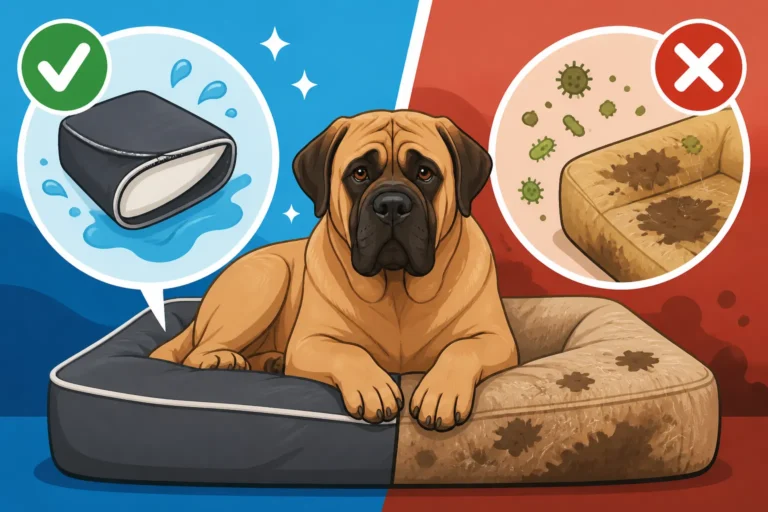
Even with the best efforts, some hard floor will likely remain exposed. This makes the quality of your Mastiff's resting spots even more critical. They need beds that are thick, supportive, and large enough to fully sprawl out on without their paws hanging off onto a hard, cold floor. Look for orthopedic beds with high-density foam that will not flatten under their immense weight. Brands available through retailers like Chewy often have excellent extra-large orthopedic options specifically designed for giant breeds.
Place these beds in multiple locations throughout your home where your Mastiff likes to nap or relax. This ensures they always have a soft, supportive surface readily available, reducing the need to constantly get up and down from a hard floor. The less time their joints spend compressing against unforgiving surfaces, the better their overall comfort and long-term joint health. A good bed isn't just a luxury; it's a vital part of preventative and palliative care for a Mastiff.
Here’s a quick overview of how different flooring types stack up for your Mastiff:
| Flooring Type | Traction for Mastiffs | Joint Comfort | Cleaning Ease (Drool/Accidents) | Durability | Primary Pros | Primary Cons |
|---|---|---|---|---|---|---|
| Hardwood/Laminate | Poor | Poor | Moderate | Good | Aesthetic, easy to sweep | Very slippery, harsh on joints, noisy |
| Tile (Polished/Glazed) | Poor | Poor | Moderate | Excellent | Aesthetic, waterproof, cool | Very slippery, very harsh on joints, cold |
| Carpet | Excellent | Excellent | Difficult | Moderate | Great grip, soft cushioning, warm, quiet | Hard to clean drool/accidents, traps dirt, wears quickly |
| Vinyl/Linoleum (Textured) | Good | Good | Excellent | Good | Good grip, decent cushion, easy to clean, waterproof | Some types can still be slick, less cushion than carpet |
| Cork | Good | Excellent | Moderate | Moderate | Soft, warm, good grip, natural, antimicrobial | Can scratch, less durable for heavy moisture, cost |
| Rubber | Excellent | Excellent | Excellent | Excellent | Superior grip & shock absorption, easy to clean | Aesthetics not suitable for all living areas, cost |
| Non-Slip Rugs/Runners | Excellent (on top) | Excellent | Moderate (depends on material) | Varies | Target specific areas, affordable, movable, add cushion | Can bunch up if not properly secured, still require cleaning |
Ultimately, providing a safe, comfortable environment for your Mastiff means paying close attention to the surfaces they navigate every day. From thoughtful flooring choices to simple, effective accessories, every step you take to improve their footing is an investment in their health, happiness, and longevity.
Disclaimer
This article is for general informational purposes only and does not constitute professional advice. Laws, prices and regulations vary by location and change over time. Consult a qualified professional for guidance on your specific situation.