Whether a Mastiff’s Calluses Can Be Prevented
One of the most common worries for any Mastiff parent is that tough, often unsightly patch of skin that develops on their beloved giant's elbows, hips, or hocks. These calluses, while seemingly minor, can lead to discomfort or even serious infections if not addressed. This guide is dedicated to helping you understand why these form and, more importantly, what proactive steps you can take to prevent them from ever becoming an issue for your big, beautiful companion.
Understanding Mastiff Calluses: More Than Just Hard Skin
It’s heartbreaking to see those rough, dark patches appear on your Mastiff's joints, often after they’ve been resting comfortably on a hard surface. These are known as pressure calluses, and they're incredibly common in large and giant breeds like our Mastiffs. They're essentially the body's way of trying to protect itself from repeated friction and pressure, but that doesn't mean we just have to accept them.
What Exactly Are Pressure Calluses?
Think of a callus on a human hand – it forms where there’s repeated rubbing or pressure, creating a thick, hardened layer of skin. For our Mastiffs, it's very much the same principle, just on a much larger scale. When a two-hundred-pound Mastiff lies down, the full weight of their massive body often rests heavily on specific bony protrusions, like the points of their elbows or hocks. This constant pressure and friction over time stimulate the skin cells in that area to produce more keratin, leading to a thickened, often hairless, and sometimes crusty patch of skin.
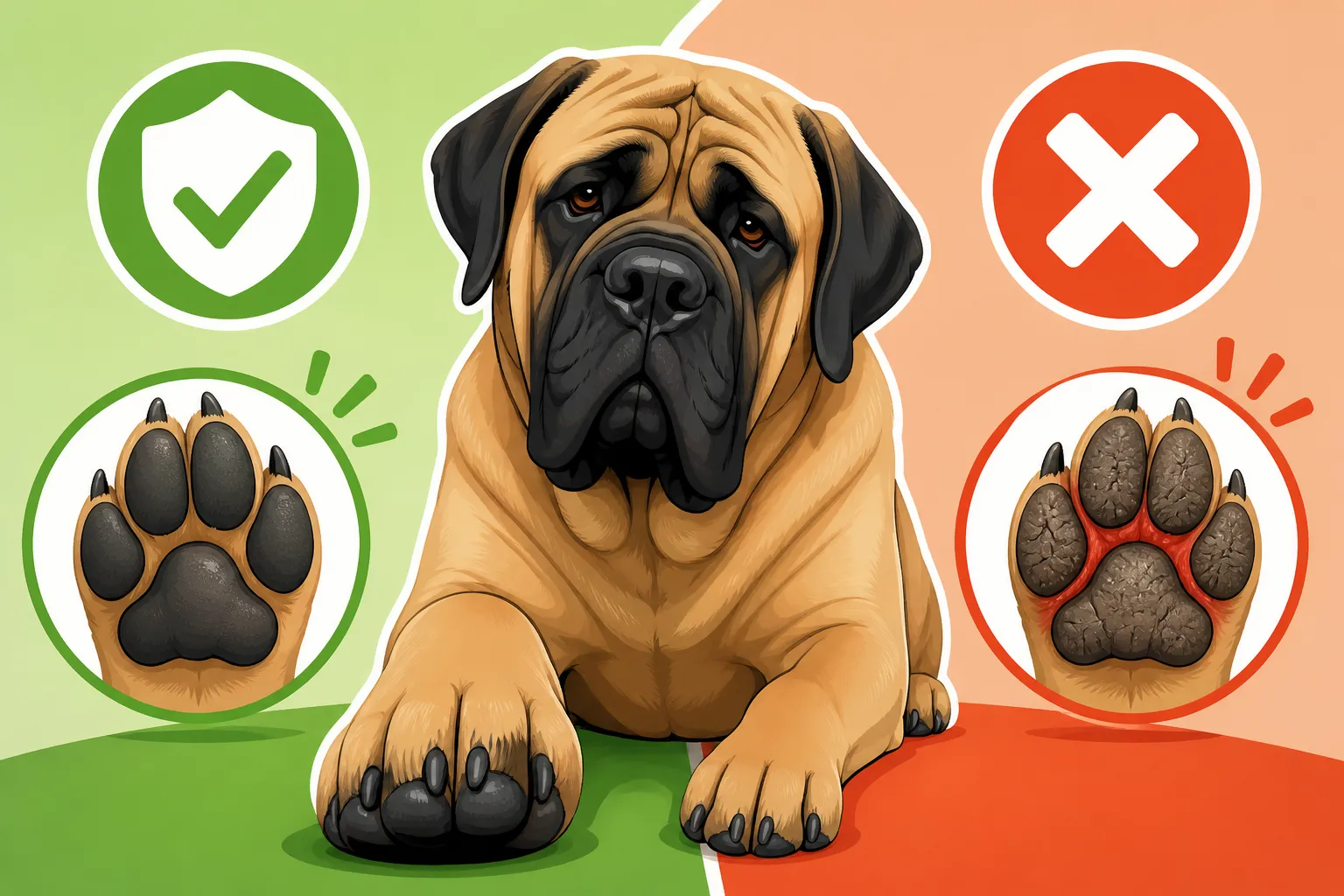
These calluses aren't just cosmetic; they represent an area of reduced blood flow and altered skin integrity. While small calluses might not bother your dog, larger or neglected ones can become dry, crack, and even bleed. This creates an open invitation for bacteria to enter, leading to painful infections or even hygromas, which are fluid-filled sacs that can develop underneath the callus due to chronic trauma. It’s a progression we absolutely want to avoid for our gentle giants.
Why Mastiffs Are Prone to Them
Our Mastiffs are truly magnificent, but their sheer size and heavy bone structure make them particularly susceptible to pressure calluses. Unlike smaller, lighter dogs that distribute their weight more evenly or have less pressure on their joints when lying down, a Mastiff’s immense bulk means significant force is applied to those points. Imagine A Mastiff Lying Two Hundred Pounds on One Elbow All Day – that's a lot of consistent pressure!
Furthermore, Mastiffs, being the calm and sometimes incredibly lazy creatures we adore, often spend long hours napping and resting. If they prefer to stretch out on cool, hard surfaces like tile, concrete, or even thin rugs, those bony joints are constantly grinding against unforgiving material. Their short, coarse hair in these areas also offers less natural padding than a longer-coated breed might have. It's a combination of their magnificent size, their love for lounging, and the natural mechanics of their anatomy that makes them prime candidates for developing these calluses.
The Foundation of Prevention: Superior Bedding
When it comes to preventing calluses, there's one golden rule: provide exceptional bedding. This isn't just about comfort; it's about crucial orthopedic support and cushioning that physically lifts your Mastiff's joints off hard surfaces. Skimping on a bed for a Mastiff is like asking for trouble down the line, both in terms of calluses and joint health.
Choosing the Right Type of Orthopedic Bed
Not all dog beds are created equal, especially when you're dealing with a two-hundred-pound Mastiff. Forget those flimsy fiber-filled beds that flatten into pancakes after a week; they offer zero protection. What you need is a true orthopedic bed designed for giant breeds. Look for high-density foam, particularly memory foam or a combination of memory foam and supportive base foam. This material conforms to your dog's body, distributing their weight evenly and significantly reducing pressure on bony prominences like elbows and hocks.
When considering options, think about How Thick a Bed a Mastiff Needs. We’re talking about several inches of solid foam, not just a thin layer. Some brands even offer bolstered beds, which can be great as your Mastiff might enjoy resting their head or leaning against the sides, further taking pressure off their joints. Don’t be afraid to invest; a good orthopedic bed is one of the best preventative health measures you can take for your Mastiff's longevity and comfort. You can often find a wide selection of suitable beds for giant breeds on platforms like Amazon or Chewy, making comparison shopping a bit easier.
Ensuring Adequate Bedding Placement and Availability
Having one fantastic orthopedic bed is a great start, but it might not be enough. Our Mastiffs are notorious for wanting to be near us, following us from room to room. If their only plush resting spot is in the living room, but you spend your mornings in the kitchen and afternoons in a home office, they're likely to choose the hard floor in the room you're in over the comfortable bed elsewhere. This means you need to think strategically about where your Mastiff will spend their time.
Ideally, your Mastiff should have access to a comfortable, supportive bed in every primary area where they typically rest. This might mean one in the main living space, another in the bedroom, and perhaps even a durable, water-resistant outdoor bed if they spend time on a patio or deck. The goal is to make a soft, pressure-relieving surface the default option, minimizing their time spent on unforgiving hard floors. Remember, every hour they spend on a properly cushioned surface is an hour less contributing to callus formation. What a Bed That Holds a Mastiff Costs might seem like a lot, but it’s an investment in their health.
Environmental Modifications for Joint Protection
Beyond just beds, the entire home environment plays a significant role in preventing calluses. Many typical household surfaces are simply not Mastiff-friendly, and a few thoughtful changes can make a world of difference in protecting their delicate joints from constant wear and tear.
Addressing Hard Flooring Surfaces
Let's face it, many of us love the look of hardwood, tile, or laminate floors. They're easy to clean, they look great, and they stay cool. But for a Mastiff, these surfaces are an enemy to their joints. Not only do they offer no cushioning, but they can also be incredibly slippery, leading to slips, falls, and potential injuries that aggravate joint issues. Even if your Mastiff manages to avoid a full-blown fall, the constant micro-trauma from their massive paws trying to gain traction can put immense strain on their ligaments and bones.
To combat this, strategically place non-slip rugs, carpet runners, or even large yoga mats in high-traffic areas and wherever your Mastiff is likely to lie down. Think about their pathways from their bed to the water bowl, or from the living room to the kitchen. The more soft, grippy surfaces you can provide, the less stress their joints will endure. What Bare Floors Do to a Growing Mastiff is a serious concern, not just for calluses but for overall orthopedic health.
Utilizing Ramps and Eliminating Risky Behaviors
While Mastiffs might seem incredibly robust, their joints, especially during puppyhood and old age, are surprisingly vulnerable. Repetitive impact from jumping out of vehicles or navigating stairs can exacerbate pressure points and contribute to callus formation, not to mention the risk of more severe injuries. We want to avoid these high-impact activities whenever possible.
Consider investing in a sturdy ramp for your vehicle if your Mastiff frequently travels with you. Teaching them to use it from a young age can save their elbows and shoulders years of jarring impact. Similarly, if you have stairs in your home, limit your Mastiff's access, especially when they are young and their growth plates are still developing, or when they are elderly and their mobility is compromised. Why Stairs Are Worse for a Mastiff Than Any Breed is a reality we must acknowledge. For an older Mastiff, you might even consider a lifting harness to help them navigate short sets of stairs or get into higher places, further protecting their joints.
Supporting Skin Health from the Inside Out
While external protection is paramount, supporting your Mastiff's skin health from within can also play a role in preventing calluses. Healthy, supple skin is more resilient and less prone to cracking and irritation than dry, compromised skin. This is where nutrition and supplementation come into play.
The Role of Diet and Hydration
A balanced diet is the cornerstone of overall health, and that includes skin health. Ensure your Mastiff is on a high-quality large breed dog food that provides essential fatty acids, vitamins, and minerals. Some premium dog food brands, easily found on Chewy or Amazon, might even specifically formulate for skin and coat health. Beyond diet, hydration is absolutely crucial. Water helps maintain skin elasticity and overall cellular function. Always provide fresh, clean water, and consider adding a second water bowl to encourage more drinking, especially during warmer months.
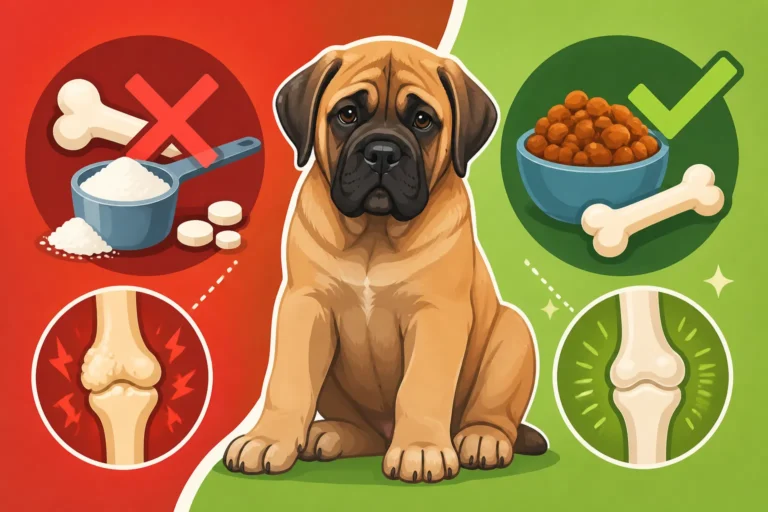
However, be wary of over-supplementation without veterinary guidance, particularly with nutrients like calcium in growing puppies, as this can lead to other orthopedic issues. Focus on a well-rounded diet first. How Much Water a Cystinuric Mastiff Needs might be a specific concern for some, but generally, good hydration benefits all Mastiffs.
Beneficial Supplements for Skin and Joint Health
While a good diet is fundamental, certain supplements can offer additional support for skin elasticity and joint integrity, which indirectly helps in callus prevention. Omega-3 fatty acids, found in fish oil, are well-known for their anti-inflammatory properties and their ability to promote healthy skin and a shiny coat. Many Mastiff owners swear by them for overall well-being. Look for high-quality fish oil supplements specifically formulated for dogs; you can find many reputable options on Amazon.
Other supplements like glucosamine and chondroitin, while primarily aimed at joint cartilage, can also contribute to overall joint health, reducing the wear and tear that might lead to your Mastiff resting more heavily on uncomfortable spots. While these aren't a direct cure for calluses, a healthier joint might lead to more varied resting positions and less intense pressure on one specific point. Always consult your vet before introducing new supplements to your dog's regimen, especially with a giant breed. Joint Supplements for a Mastiff are a common consideration for proactive owners.
Early Intervention and Ongoing Care
Despite all preventative measures, some Mastiffs may still develop calluses. The key then becomes early intervention and consistent, gentle care to prevent them from worsening and to promote healing. It's an ongoing commitment, just like all aspects of Mastiff care.
Monitoring for First Signs and Gentle Care
Regularly inspect your Mastiff's elbows, hocks, and hips, especially after they've been lying down. Feel for any changes in skin texture, look for hair loss, or notice any darkening or thickening of the skin. Catching calluses when they are small and pliable is much easier than dealing with large, hardened ones. Early signs can be subtle, so make it part of your regular grooming routine.
If you spot a developing callus, the first step is to intensify your preventative measures: double-check their bedding, ensure they have soft places to lie everywhere, and consider adding a targeted moisturizing regimen. Gentle cleansing with a mild, pet-safe wipe, perhaps from a brand you can find on Chewy, followed by a thick, soothing balm or coconut oil can help keep the skin supple and prevent cracking. Always avoid harsh scrubbing, which can irritate the skin further. The Wrinkles and Folds a Mastiff Owner Cleans Every Week provides a good opportunity to check these areas too.
When to Seek Veterinary Advice
While many calluses can be managed with diligent home care, there are times when a trip to the vet is absolutely necessary. If a callus becomes red, swollen, hot to the touch, painful, or starts to ooze, it's likely infected and requires professional attention. Similarly, if you notice a fluid-filled sac developing under the callus – a hygroma – your vet needs to assess it. While small hygromas can sometimes be managed conservatively, larger ones might require draining or even surgical intervention.
Don't hesitate to seek veterinary advice if you're unsure, or if your Mastiff seems to be in pain or discomfort. They can properly diagnose any secondary infections, prescribe appropriate medications (like antibiotics if needed), and guide you on the best course of action. Preventing Whether a Mastiff's Elbow Calluses Crack and Bleed is the goal, but if it happens, prompt veterinary care is essential. Your vet can also offer advice on specialized balms or wraps that might be more effective for stubborn calluses.
Maintaining a Healthy Weight and Lean Body Condition
One often-overlooked aspect of callus prevention, and overall Mastiff health, is maintaining a lean body condition. While we love our big, cuddly Mastiffs, carrying excess weight places even greater pressure on their joints, exacerbating the problem of calluses and increasing the risk of many other health issues.
The Impact of Extra Pounds on Joints
Every extra pound your Mastiff carries translates directly to increased pressure on their bony prominences when they lie down. Imagine the difference between a hundred-and-fifty-pound Mastiff and a two-hundred-pound Mastiff resting on their elbows – the heavier dog will experience significantly more compressive force. This heightened pressure accelerates the formation of calluses and makes them thicker and more resistant to home care. It's a simple physics problem: more weight equals more pressure, and more pressure equals more problems for their skin and joints.
Beyond calluses, being overweight contributes to a host of other health concerns in giant breeds, including aggravating hip and elbow dysplasia, increasing the risk of arthritis at a younger age, and putting strain on their cardiovascular system. A lean Mastiff will not only have fewer issues with calluses but will also enjoy greater mobility and a better quality of life. Keeping a Mastiff Lean on Purpose should be a priority for every owner.
Strategies for Weight Management
Achieving and maintaining a healthy weight for a Mastiff requires a consistent, two-pronged approach: controlled feeding and appropriate exercise. First, work with your veterinarian to determine the ideal weight range for your specific Mastiff, as breed standards provide a range, but individual dogs can vary. Then, measure your dog's food precisely. Free-feeding a Mastiff is almost always a recipe for excess weight. Stick to a measured portion, typically two meals a day, and factor in any treats as part of their daily caloric intake. Don't fall into the trap of thinking a little extra food won't hurt – for a giant breed, even small excesses accumulate rapidly.
For exercise, remember that Mastiffs are not endurance athletes. Short, consistent walks are better than intense, sporadic bursts of activity. A leisurely 20-30 minute walk twice a day is often sufficient, ensuring they don't overexert themselves, especially in warmer weather. Always consult your vet before starting any new exercise regimen. The Walk Length That Damages a Mastiff Puppy highlights how important careful management is from a young age. By keeping your Mastiff lean, you significantly reduce the physical stress on their joints and, consequently, the likelihood of developing severe calluses.
| Prevention Strategy | Key Actions | Benefits for Mastiffs | Related Products (Examples) |
|---|---|---|---|
| Superior Bedding | Invest in thick, high-density orthopedic beds; place multiple beds strategically. | Reduces direct pressure on bony prominences; even weight distribution. | Memory foam dog beds (Amazon, Chewy), bolstered beds. |
| Environmental Mods | Lay down non-slip rugs/runners; use ramps for vehicles; limit stair access. | Provides cushioning and traction; reduces impact trauma. | Anti-slip mats, carpet runners, pet ramps (Amazon). |
| Skin Health (Internal) | Feed high-quality large breed diet; ensure ample hydration; consider Omega-3s. | Promotes skin elasticity and resilience; supports overall joint health. | Premium large breed kibble, fish oil supplements (Chewy). |
| Early Intervention | Regular skin checks; apply moisturizing balms/oils to forming calluses. | Prevents cracking and infection; keeps skin supple. | Pet-safe moisturizing balms, coconut oil. |
| Weight Management | Maintain lean body condition; measure food; appropriate exercise. | Reduces overall pressure on joints; improves mobility. | Diet dog food, slow feeder bowls (Amazon). |
Disclaimer
This article is for general informational purposes only and does not constitute professional advice. Laws, prices and regulations vary by location and change over time. Consult a qualified professional for guidance on your specific situation.