What to Clean a Mastiff’s Wrinkles With
Anyone who shares their life with a magnificent Mastiff knows that their charmingly wrinkled faces and jowls are part of their undeniable appeal. But those very same adorable folds can become a real headache if not properly cared for. They're warm, dark, and often moist, making them a perfect breeding ground for all sorts of uncomfortable skin issues. This guide is here to walk you through exactly what you need to keep those precious wrinkles clean, healthy, and smelling fresh, saving you and your big companion from irritation and vet visits.
Understanding Your Mastiff's Unique Skin Folds
When you look at a Mastiff, those deep wrinkles on their forehead, around their eyes, and especially the magnificent jowls, are striking. They add to the breed's regal and slightly melancholic expression, which we all adore. However, these anatomical features require consistent, thoughtful care that many first-time Mastiff owners might not anticipate. It's not just about looking good; it's about preventing discomfort and serious health problems for your gentle giant.
The Anatomy of Those Beautiful Wrinkles
Imagine several layers of skin, overlapping and creating narrow, sheltered channels. That's essentially what your Mastiff's wrinkles are. These aren't just superficial lines; they can be surprisingly deep, especially on the forehead, the flews (the hanging upper lips), and around the lower jaw. Think of them like tiny, natural pockets on your dog's face. Unlike flatter-faced breeds, a Mastiff's skin has a considerable amount of slack, allowing for these characteristic folds. This extra skin is what gives them their distinctive look, but it also creates unique challenges for hygiene.
These areas are naturally warmer than exposed skin, and they don't get much air circulation. This combination of warmth and lack of air flow is crucial to understand. It means that any moisture or debris that gets trapped in these folds is less likely to evaporate or be brushed away naturally. The skin itself within these folds can also be more delicate and prone to irritation compared to the tougher, exposed skin on other parts of their body.
Why Folds Are a Hotbed for Trouble
Because of their unique structure, Mastiff wrinkles are unfortunately prime locations for problems to brew. The warm, dark, and often humid environment within these folds creates an ideal habitat for bacteria and yeast to multiply. These microorganisms are naturally present on your dog's skin, but in a moist, air-restricted environment, they can overgrow rapidly, leading to skin fold dermatitis, pyoderma, or yeast infections. It's a bit like a tiny greenhouse for microbes right on your dog's face.
The issues can range from mild redness and itching to severe inflammation, pain, and a foul odor. Imagine having a persistent rash in a hard-to-reach area that you can't properly clean or dry – that's what your Mastiff might be experiencing. If left unchecked, these minor irritations can quickly escalate into painful infections that require veterinary intervention, including antibiotics or antifungals. This is why a proactive approach to The Wrinkles and Folds a Mastiff Owner Cleans Every Week is absolutely essential.
The Unseen Daily Accumulation
It's easy to assume that unless your Mastiff has just eaten or had a big drink of water, their wrinkles are probably fine. But the reality is, these folds are constantly accumulating things you can't always see. Food particles, even tiny crumbs, can get lodged deep within the folds after meals. Water from drinking bowls can drip and get trapped. Then there's the natural accumulation of dirt, dust, and environmental allergens from sniffing around the yard or even just moving through the house.
Beyond external debris, your Mastiff's own bodily secretions contribute to the problem. Tears can collect in the folds around their eyes, creating a damp, discolored environment. Drool, a signature Mastiff trait, is a significant contributor, especially in the flews and chin folds. Dead skin cells and natural skin oils also build up over time. All of these elements, combined with warmth and lack of air, create a fertile ground for bacterial and yeast overgrowth. Regular, thorough cleaning is the only way to combat this constant accumulation.
Choosing the Right Cleaning Arsenal for Mastiff Wrinkles
Having the right tools for the job makes all the difference when it comes to keeping your Mastiff's wrinkles pristine. You don't need a massive collection of specialized items, but investing in a few key products designed for canine skin, especially for sensitive areas, will save you a lot of trouble down the line. Avoid harsh chemicals or anything designed for human skin, as a dog's pH is different and can lead to further irritation.
Gentle Cleansers: What Works and What to Avoid
When it comes to cleaning solutions, gentleness is paramount. You want something effective enough to remove debris and reduce microbial load without stripping the skin's natural oils or causing irritation. Here are some of the best options:
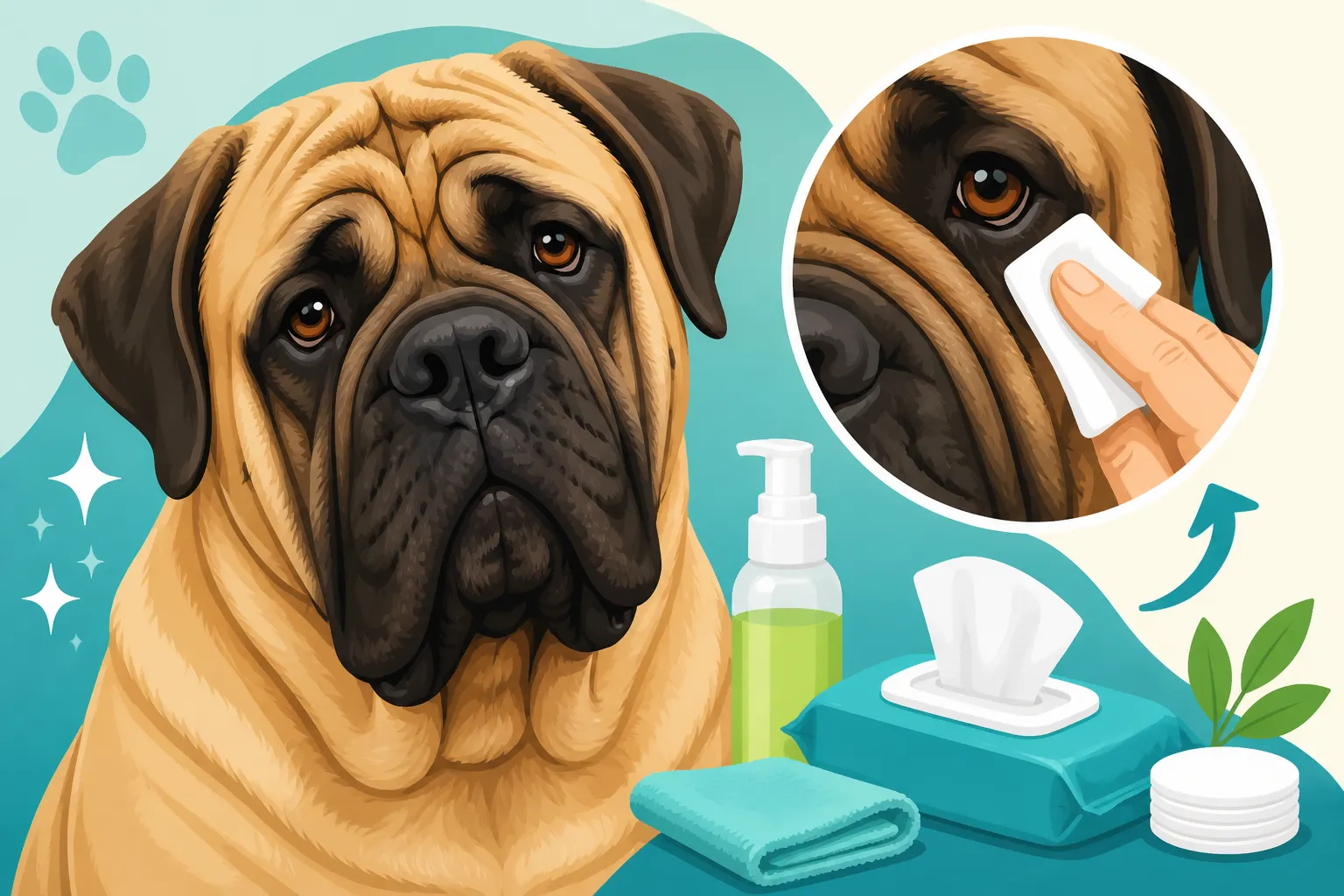
- Veterinary-Approved Antiseptic Wipes: These are often pre-moistened pads infused with ingredients like chlorhexidine or ketoconazole, which are excellent for killing bacteria and yeast. They're convenient and ensure proper dosage of the active ingredients. Many brands offer these, and you can often find them on sites like Chewy or Amazon. Make sure they are specifically designed for dogs and for skin folds.
- Diluted Chlorhexidine Solution: If you prefer a liquid and cotton balls/pads, a diluted chlorhexidine solution (e.g., 2-4%) can be very effective. Your vet can advise on the correct dilution ratio if you purchase a concentrated form. It’s a powerful antiseptic often used in veterinary medicine.
- Mild Dog Shampoos (Diluted): For a deeper clean, perhaps during bath time, a very mild, hypoallergenic dog shampoo can be used. Dilute it heavily with water before applying it to the folds, and rinse thoroughly. This option is less convenient for daily spot cleaning, but good for a weekly deeper cleanse.
- Plain Saline Solution: For very mild cleaning or flushing, especially around the eyes, sterile saline solution (the kind used for contact lenses, without preservatives) is a safe and gentle option. It won't kill bacteria or yeast but can help remove debris.
What to avoid: Alcohol-based products will be too harsh and drying, leading to cracked, irritated skin. Scented products can also be irritants. Human wipes, even "sensitive skin" ones, are generally not formulated for canine pH and should be avoided. Your Mastiff's skin is more delicate than you might think in these areas, and Whether a Medicated Wipe Suits a Mastiff's Wrinkles often depends on the specific ingredients and the severity of any underlying issue.
Wipes, Pads, and Soft Cloths: Your Application Tools
Once you have your cleanser, you need the right tools to apply it effectively and reach into those deep crevices.
- Pre-moistened Wipes: As mentioned above, antiseptic wipes are incredibly convenient. They are typically textured to help lift away debris and are pre-saturated with the right amount of cleaning solution. Look for larger sizes that are easier to handle with big paws. You can often buy these in bulk through online retailers like Chewy or Amazon, which can be cost-effective for a large breed like a Mastiff.
- Cotton Pads or Balls: If you're using a liquid cleanser, large, absorbent cotton pads (like cosmetic rounds) or cotton balls are excellent for applying the solution. They are soft and can be molded to fit into the folds without being abrasive. Make sure to use a fresh one for each section to avoid spreading bacteria.
- Soft Washcloths or Microfiber Towels: For general cleaning or applying diluted shampoo, a clean, soft washcloth dedicated solely to your Mastiff's face is ideal. Microfiber cloths are particularly good at picking up debris and are very gentle on the skin. Ensure they are laundered frequently and thoroughly to prevent bacterial growth.
- Gloves: For your own hygiene and to prevent transferring oils or bacteria from your hands to your dog's sensitive skin, consider wearing disposable gloves, especially if dealing with an inflamed area.
Whatever you choose, remember that consistency and hygiene of your tools are as important as the cleanser itself. Don't reuse cloths or wipes, and always have a fresh supply ready for your How Often a Mastiff's Folds Need Cleaning routine.
The Importance of Drying Agents and Protective Balms
Cleaning is only half the battle; drying is arguably even more critical. Leaving moisture in the folds, even after cleaning, defeats the purpose and encourages microbial growth.
- Soft, Absorbent Towels: After cleaning, gently but thoroughly blot each fold dry with a clean, soft towel. Take your time to get into every crevice. A separate, dry towel for this step is recommended.
- Cornstarch-Free Powders: Some owners find a light dusting of a cornstarch-free, medicated powder helpful for keeping folds dry. These usually contain ingredients like zinc oxide to soothe and absorb moisture. Ensure it's safe for dogs and apply sparingly, making sure your Mastiff doesn't inhale it. Always consult your vet before using any powder, as some can clump and worsen issues if not used correctly.
- Protective Balms or Barriers: For Mastiffs prone to persistent irritation, a thin layer of a veterinary-approved barrier cream or balm can provide an extra layer of protection. These products can help repel moisture and reduce friction between skin layers. Look for formulations with ingredients like calendula, shea butter, or beeswax. These aren't meant to treat infections but can help prevent them by creating a protective layer on healthy skin. Again, options are available on pet supply sites and local pet stores.
A good drying routine is often the missing link for many owners struggling with recurrent fold dermatitis. Don't rush this step, as thorough dryness is essential to prevent Signs a Mastiff's Fold Has Become Infected.
| Cleanser Type | Key Ingredients/Benefits | Best Use Case | Pros | Cons |
|---|---|---|---|---|
| Antiseptic Wipes (Pre-moistened) | Chlorhexidine, Ketoconazole (antimicrobial, antifungal) | Daily spot cleaning, mild irritation prevention | Convenient, effective, easy to use, measured dose | Can be expensive, may dry out quickly if not sealed |
| Diluted Chlorhexidine Solution | Chlorhexidine (powerful antiseptic) | Targeted cleaning, moderate infection prevention | Cost-effective in bulk, highly effective | Requires mixing, needs applicator (cotton balls) |
| Mild Dog Shampoo (Diluted) | Hypoallergenic, gentle cleansing agents | Weekly deeper clean during bath time, general hygiene | Thorough cleansing, widely available | Requires rinsing, less convenient for daily use |
| Plain Saline Solution | Sterile water, sodium chloride (isotonic) | Flushing debris, very gentle eye area cleaning | Extremely gentle, non-irritating | No antimicrobial properties, limited effectiveness |
| Protective Balms/Barrier Creams | Zinc oxide, calendula, shea butter (moisture barrier, soothing) | Prevention on healthy skin, friction reduction | Adds protective layer, soothes minor chafing | Not for active infections, can feel greasy |
A Step-by-Step Guide to Impeccable Wrinkle Care
Cleaning your Mastiff's wrinkles doesn't have to be a wrestling match. With a calm approach, the right tools, and a consistent routine, it can even become a bonding experience. Remember, their comfort and health are the priority, so make it as pleasant as possible.
Making Cleaning a Positive Experience for Your Mastiff
The key to a stress-free wrinkle cleaning session is to start early, make it positive, and be patient. Introduce the process when your Mastiff is a puppy, if possible. Even if you have an adult Mastiff, you can still teach them to tolerate, and even enjoy, the routine.
First, choose a calm time when your Mastiff is relaxed, perhaps after a nap or a gentle walk. Avoid times when they're overstimulated or hungry. Gather all your supplies beforehand – wipes, dry cloths, treats – so you don't have to leave in the middle of the process. Find a comfortable spot where both of you can be at ease.
Begin by simply touching their face and head gently. Give praise and a high-value treat. Gradually, start lifting a fold, just for a second, then treat and praise. The goal is to associate the act of having their wrinkles touched and cleaned with positive rewards. Use a calm, reassuring voice throughout. If your Mastiff shows signs of stress or discomfort, stop, reassure them, and try again later or for a shorter duration. Never force the issue, as this can create a negative association that will make future cleanings much harder. Remember, positive reinforcement is your best friend when working with a The Sensitivity Nobody Expects in a Two Hundred Pound Mastiff.
The Gentle Art of Deep Cleaning Each Fold
Once your Mastiff is comfortable, you can begin the actual cleaning. This isn't a quick wipe-and-go task; it requires attention to detail.
- Start with the least sensitive areas: Often, this means the larger folds on the forehead or down the sides of the face, moving towards the mouth and eyes last, as these can be more sensitive.
- Gently lift and expose: Use one hand to gently lift and separate a wrinkle, exposing the skin underneath. This is crucial for truly cleaning the area, not just the surface.
- Wipe thoroughly: With your chosen cleanser (a pre-moistened wipe or cotton pad with liquid solution), carefully wipe inside the fold. Make sure to get into the deepest part of the crease. You'll likely see dirt, discolored gunk, or even some reddish-brown discharge – this is normal, but it's what you're trying to remove. Use a fresh wipe or cotton pad for each fold to avoid spreading any bacteria or yeast from one area to another. Don't rub aggressively; a gentle but firm wiping motion is usually sufficient. Pay particular attention to the folds around the mouth, where food and drool accumulate, and under the eyes, where tears can cause staining and dampness.
- Check for irritation: As you clean, observe the skin. Look for redness, sores, scabs, or a strong, yeasty odor. These are signs that an infection might be brewing.
This process ensures that you're not just cleaning the visible surfaces but actively addressing the hidden areas where problems develop. Consistency in this cleaning is key, and it might be something you do daily for some areas, or a few times a week for others, depending on your Mastiff's individual needs.
Ensuring Complete Dryness: A Crucial Last Step
Many owners focus on the cleaning and neglect the drying, which can be a critical mistake. Leaving moisture in those folds, even clean moisture, creates the perfect environment for bacteria and yeast to flourish almost immediately. Whether a Mastiff's Folds Need Drying After Cleaning is a resounding yes!
After you've cleaned a fold, immediately follow up with a dry, soft, absorbent cloth or cotton pad. Gently blot the area, making sure to absorb all residual moisture. Just like with cleaning, gently lift and separate the folds to ensure that air can circulate and you can reach every damp spot. You might need to use several dry cloths if your Mastiff's folds are particularly deep or moist.
Some owners use a cool setting on a hairdryer for a few seconds to aid in drying, holding it far enough away to ensure it's not too hot and doesn't scare the dog. If you choose this method, always test the air temperature on your own skin first and keep the dryer moving.
Once all the folds are dry, you can apply a very thin layer of protective balm if your vet has recommended one. This creates a barrier against future moisture and irritation. Finish the session with plenty of praise and treats. Your Mastiff will quickly learn that enduring the cleaning leads to yummy rewards and a comfortable, itch-free face.
Beyond Cleaning: Proactive Care and Prevention
Cleaning is a fundamental part of Mastiff wrinkle care, but it's part of a larger picture of proactive health management. Preventing issues before they even start is always easier than treating them once they've taken hold. This involves routine, observation, and even considering your dog's overall health.
Establishing a Consistent Routine for Long-Term Health
Consistency is truly the cornerstone of good wrinkle hygiene. It's far easier to prevent problems with regular cleaning than it is to deal with a full-blown infection. For many Mastiffs, a daily quick wipe-down of the most prominent folds (like the jowls and around the mouth) is beneficial, especially after meals and drinks. Deeper cleaning, where you meticulously lift and dry each fold, might be necessary every two to three days, or even daily for Mastiffs particularly prone to skin issues.
Consider setting a specific time each day for this routine, perhaps when you're already grooming them or winding down for the evening. This helps both you and your Mastiff get into a rhythm. Keeping a calendar or reminder can be helpful in the beginning. Remember, this isn't just a chore; it's a vital part of their overall health and comfort, much like brushing their teeth or giving them their Joint Supplements for a Mastiff. Make it a non-negotiable part of their care plan, and you'll dramatically reduce the likelihood of painful skin fold infections.
Recognizing the Early Warning Signs of Irritation
Being vigilant and knowing what to look for can help you catch potential problems early, often before they escalate into serious infections. During your regular cleaning routine, pay close attention to the following signs:
- Redness or Inflammation: This is often one of the first indicators of irritation. The skin inside the fold might look pinker or redder than usual.
- Odor: A distinctive, often yeasty, cheesy, or foul smell emanating from the folds is a strong sign of bacterial or yeast overgrowth.
- Discharge: Look for any moist, brown, reddish, or greenish discharge within the folds. This can indicate infection.
- Hair Loss or Discoloration: The fur within or around the folds might be thinning, matted, or discolored from constant moisture or discharge.
- Excessive Itching or Rubbing: If your Mastiff is frequently scratching their face, rubbing it against furniture, or pawing at their wrinkles, it's a clear sign of discomfort.
- Pain or Sensitivity: If your Mastiff recoils, whines, or shows signs of pain when you touch their wrinkles, an infection or open sore might be present.
- Pustules or Sores: In more advanced cases, you might see small pimple-like bumps or open sores within the folds.
If you notice any of these signs, increase your cleaning frequency and consider using a medicated wipe with antiseptic and antifungal properties. However, if the signs persist or worsen, it's time to consult your veterinarian, as Whether a Mastiff's Fold Infection Needs Antibiotics is a common question they can answer.
The Role of Diet and Environmental Factors in Skin Health
Sometimes, recurring wrinkle issues aren't just about cleaning; they can be linked to broader health concerns, including diet and environmental factors.
Diet: A high-quality, balanced diet is fundamental for healthy skin and a robust immune system. Some Mastiffs may have sensitivities or allergies to certain ingredients in their food, which can manifest as skin irritation, including in their folds. If you're struggling with persistent skin problems, discuss your dog's diet with your vet. They might recommend trying a limited ingredient diet or a novel protein diet to see if it makes a difference. Fresh food options, like those offered by Ollie, can sometimes be beneficial for dogs with sensitivities, as they often contain fewer processed ingredients and more easily digestible components, though always consult your vet before making significant dietary changes.
Environmental Allergies: Just like people, Mastiffs can suffer from environmental allergies (atopy) to things like pollen, dust mites, or mold. These allergies can cause generalized itching and skin inflammation, which can exacerbate problems in skin folds. If your Mastiff has other allergy symptoms like itchy paws, ear infections, or a constantly runny nose, talk to your vet about allergy testing and management.
Humidity and Heat: High humidity can make it harder for folds to stay dry, increasing the risk of infection. In warmer, humid climates, you might need to increase your cleaning and drying frequency. Whether a Mastiff Gets Skin Fold Infections is often correlated with these environmental factors, as well as The Temperature at Which a Mastiff Should Stay Indoors. Ensure your Mastiff has access to a cool, dry environment, especially during hot weather.
When to Call the Vet: Identifying Serious Skin Issues
While diligent home care can prevent many issues, there will be times when a professional eye is needed. Knowing when to escalate from home remedies to veterinary intervention is crucial for your Mastiff's well-being. Don't hesitate if you're concerned; a small irritation can quickly become a significant problem.
Distinguishing Minor Irritation from an Infection
It can be tough for owners to tell the difference between a mild irritation and a full-blown infection, especially in the early stages. Minor irritation might look like slight redness or a little dampness, possibly with a faint, non-offensive smell, and might respond well to a gentle cleanse and thorough drying. Your Mastiff might scratch occasionally, but it won't be incessant or painful.
An infection, however, often presents with more pronounced symptoms. Look for:
- Intense Redness and Swelling: The skin will be visibly inflamed and puffy.
- Strong, Foul Odor: A distinct, unpleasant smell is a hallmark of bacterial or yeast overgrowth.
- Thick, Discolored Discharge: This could be yellow, green, or dark brown, and often has a paste-like or crusty texture.
- Pain: Your Mastiff will likely react with discomfort, pulling away, yelping, or even growling when the area is touched.
- Open Sores or Bleeding: If the skin has broken down, it's an open invitation for deeper infection.
- Lethargy or Fever: In severe cases, systemic symptoms can appear, indicating the infection is impacting their overall health.
If you observe any of these signs, particularly a strong odor, pain, or significant discharge, it's time to call your veterinarian. Attempting to treat an established infection at home with over-the-counter products can delay proper treatment and worsen the condition.
Prescription Solutions and Advanced Treatments
When a bacterial or yeast infection takes hold in your Mastiff's wrinkles, your vet will likely prescribe specific medications. These can include:
- Topical Antibiotics or Antifungals: These come in creams, ointments, or medicated wipes and are applied directly to the affected folds. Ingredients might include mupirocin for bacterial infections or ketoconazole for yeast. Your vet will instruct you on how often to apply these and for how long.
- Oral Antibiotics or Antifungals: For more severe or widespread infections, oral medications may be necessary. These work systemically to clear the infection from the inside out. It's crucial to complete the entire course of medication, even if the symptoms appear to improve quickly, to prevent recurrence.
- Corticosteroids: In cases of severe inflammation and itching, your vet might prescribe a short course of topical or oral corticosteroids to reduce swelling and provide relief. These are usually used in conjunction with antimicrobial treatments.
- Medicated Shampoos: For generalized skin issues or if the folds are part of a larger dermatological problem, a medicated shampoo may be recommended during baths.
Your vet might also recommend a skin cytology (taking a small sample from the fold to examine under a microscope) to identify the specific type of bacteria or yeast causing the problem. This helps them choose the most effective medication. They might also discuss dietary changes or allergy management if underlying issues are suspected, linking back to their overall health as mentioned in Hypothyroidism in a Mastiff.
The Dangers of Neglecting Persistent Skin Problems
Ignoring persistent skin fold issues in your Mastiff is not only unkind to your dog, who is likely experiencing significant discomfort, but it can also lead to more severe and harder-to-treat health problems.
Untreated infections can spread deeper into the skin layers, potentially leading to cellulitis, deep pyoderma, or even abscess formation. These deep infections are much more painful, require longer courses of potent antibiotics, and may even necessitate surgical intervention in extreme cases. Chronic inflammation can also lead to permanent skin thickening and scarring in the folds, making them even harder to clean and more prone to future infections.
Furthermore, a Mastiff constantly battling skin irritation will have a lower quality of life. The itching and pain can disrupt their sleep, affect their appetite, and change their overall demeanor, making them irritable or withdrawn. It impacts their joy in daily activities and their bond with you. Addressing these issues promptly, whether through diligent home care or professional veterinary help, is a fundamental responsibility of Mastiff ownership. A healthy, comfortable Mastiff is a happy Mastiff, and meticulous wrinkle care plays a significant role in achieving that.
Disclaimer
This article is for general informational purposes only and does not constitute professional advice. Laws, prices and regulations vary by location and change over time. Consult a qualified professional for guidance on your specific situation.