How Often a Mastiff’s Folds Need Cleaning
One of the most common worries for new Mastiff owners, and frankly, a daily chore for veterans, is dealing with those magnificent, floppy folds and wrinkles. You see that sweet, soulful face, and then you notice the little bits of gunk, the slight redness, or maybe even a faint smell emerging from those adorable crevices. It's a real concern, because left unaddressed, these areas can quickly become hotbeds for irritation and infection. This guide is here to walk you through exactly how often your Mastiff's folds need cleaning, what impacts that frequency, and how to keep those wrinkles healthy and happy.
The Unique Anatomy of a Mastiff's Folds and Why They Need Attention
Mastiffs are known for their impressive size, noble bearing, and those wonderfully expressive, often deeply wrinkled faces. These folds, while contributing to their distinctive look, are also a major point of care that sets them apart from many other breeds. Understanding why these folds are such a big deal is the first step in appreciating the cleaning regimen they demand.
Understanding the Skin Fold Environment
Think of your Mastiff's skin folds as tiny, warm, humid microclimates. These are areas where skin rubs against skin, trapping moisture, dirt, food particles, and even environmental allergens. Unlike exposed skin, these areas don't get much airflow, creating the perfect breeding ground for bacteria and yeast. It's a bit like a perpetual sweat lodge for their skin, especially around the muzzle, eyes, and sometimes even under their jowls or at the base of their tail.
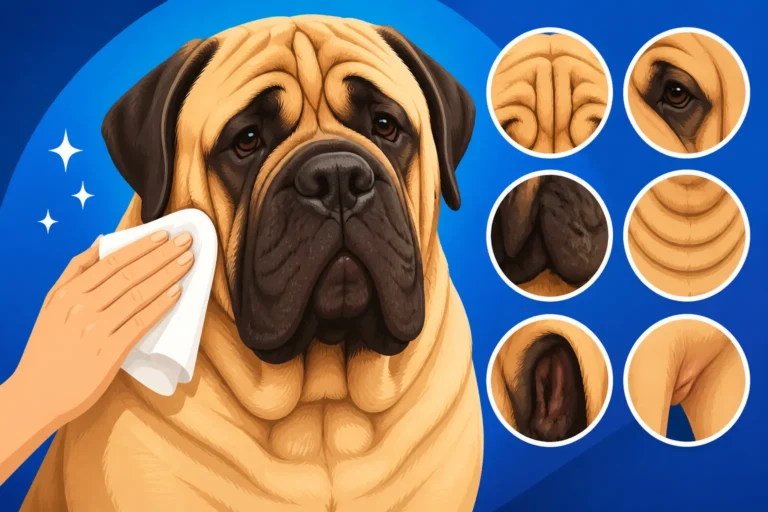
These areas are naturally prone to irritation because of the constant friction. Imagine having a piece of damp cloth rubbing against your skin all day; eventually, it's going to get red and sore. For a Mastiff, this is compounded by their propensity for drooling, especially after a drink or a meal. That moisture gets trapped, creating a perpetually moist environment. Over time, if not regularly cleaned, this can lead to uncomfortable and even painful skin conditions. It's not just about looking clean; it's about preventing serious health issues. You might wonder, Where a Mastiff's Skin Folds Are, and honestly, they can be anywhere skin meets skin, but the face is definitely the primary concern.
Common Problems Arising from Uncleaned Folds
The primary issue that arises from neglecting a Mastiff's folds is a skin fold dermatitis or pyoderma. This is essentially an inflammation of the skin within the fold, often leading to a bacterial or yeast infection. You might notice redness, swelling, a foul odor, discharge (which can be clear, yellow, or even bloody), hair loss, and your Mastiff scratching or rubbing their face excessively.
Beyond general irritation, these infections can become quite painful, causing your Mastiff to become withdrawn or even protective of their face. If left untreated, these infections can deepen, requiring more intensive veterinary intervention, including antibiotics or antifungals, and sometimes even specialized medicated shampoos or wipes. It's a slippery slope, and what starts as a mild irritation can quickly escalate into a full-blown medical problem. That's why being proactive with cleaning is absolutely non-negotiable for this breed. These skin issues can contribute to The Mastiff's Short Life Buys the Biggest Bills if not managed well, as vet visits for recurring skin infections can certainly add up.
Determining the Ideal Cleaning Frequency for Your Mastiff
There's no single, universally perfect answer to "how often?" because every Mastiff is an individual with different needs. However, there are general guidelines and specific factors that will influence your personal cleaning schedule. Think of it less as a rigid rule and more as a mindful daily practice.
General Guidelines for Routine Fold Care
For most Mastiffs, a good starting point is daily inspection and cleaning. Yes, you read that right – every single day. This might sound like a lot, but a quick wipe-down only takes a minute or two once you get into the routine. For many Mastiff owners, it becomes part of their morning or evening cuddle time. The goal of daily cleaning is preventative: to remove any trapped moisture, food debris, or dirt before it has a chance to cause a problem.
Even if the folds look perfectly clean on a given day, a gentle wipe with a damp cloth can help prevent buildup. Some Mastiffs, especially those with very deep wrinkles or those prone to excessive drooling, might even benefit from a quick wipe after every meal and drink. It's about being observant and responsive to your dog's specific needs. Consider it as crucial as their daily walk or meal; it's simply part of What a Mastiff Needs Every Day.
Factors Influencing Cleaning Frequency
While daily is a great baseline, several factors can increase or decrease how often your particular Mastiff needs attention in their folds:
- Depth and Number of Folds: Mastiffs with more pronounced, deeper wrinkles will naturally trap more moisture and debris, requiring more frequent and thorough cleaning. A Mastiff with a smoother face might get away with slightly less frequent care, but it's still not something to skip.
- Drooling Habits: Some Mastiffs are notorious droolers, leaving a trail wherever they go. This excess moisture inevitably finds its way into facial folds, necessitating more frequent cleaning, especially around the mouth.
- Activity Level and Environment: A Mastiff who spends more time outdoors, rolling in dirt or playing in damp conditions, will accumulate more grime in their folds. Similarly, a Mastiff who is prone to getting food in their wrinkles during meal times will need post-meal cleanups.
- Allergies or Skin Sensitivities: Mastiffs with underlying allergies (food or environmental) or sensitive skin may be more prone to inflammation and infection in their folds. These dogs might require specialized cleaning solutions and more frequent care to keep flare-ups at bay. Hypothyroidism in a Mastiff, for example, can sometimes manifest with skin issues, which might indirectly affect fold health.
- Climate: Humid climates can exacerbate moisture retention in folds, increasing the risk of bacterial and yeast growth, thus demanding more vigilant cleaning. In drier climates, while moisture might be less of an issue, dust and allergens can still accumulate.
Here’s a quick overview of how these factors can influence your cleaning schedule:
| Factor | Low Risk (Less Frequent) | Moderate Risk (Daily) | High Risk (Multiple Times Daily) |
|---|---|---|---|
| Fold Depth | Shallow, minimal folds | Moderate folds around muzzle/eyes | Very deep, numerous folds |
| Drooling | Minimal drooler | Occasional drooler | Excessive drooler |
| Environment/Activity | Mostly indoors, clean environment | Regular indoor/outdoor, typical play | Muddy/wet outdoor play, messy eater |
| Skin Sensitivity/Allergies | No known issues | Mild sensitivities | Known allergies, recurrent infections |
| Climate | Dry, temperate | Moderate humidity | High humidity, hot weather |
The Step-by-Step Process for Cleaning Mastiff Folds
Cleaning your Mastiff's folds doesn't have to be a wrestling match. With the right tools and a calm approach, it can become a bonding experience. Consistency and gentleness are key here.
Essential Supplies for Effective Fold Cleaning
Before you begin, gather your supplies. Having everything within reach will make the process smoother for both you and your Mastiff.
- Soft Cloths or Cotton Pads: Microfiber cloths are excellent because they are soft and absorbent. You can also use large cotton pads. Avoid anything abrasive that could irritate sensitive skin.
- Gentle Cleansing Solution:
- Plain Warm Water: Often, this is enough for daily maintenance, especially if you're cleaning very frequently.
- Veterinary-Approved Wipes: These are incredibly convenient. Look for wipes specifically designed for pet skin folds or "medicated wipes" that contain ingredients like chlorhexidine or ketoconazole if your Mastiff is prone to infections. Brands like Petkin or Douxo offer good options, and you can often find them on sites like Chewy or Amazon. What to Clean a Mastiff's Wrinkles With can vary, but gentleness is paramount.
- Diluted Chlorhexidine Solution: Your vet might recommend a very dilute chlorhexidine solution for more persistent issues. Always follow your vet's specific instructions for dilution, as concentrated solutions can be irritating.
- Hypoallergenic Pet Shampoo (diluted): For a more thorough cleaning during bath time, a vet-recommended hypoallergenic shampoo can be used, ensuring it's thoroughly rinsed.
- Drying Material: Soft, clean towels or dry cotton pads. This step is just as critical as the cleaning itself. Whether a Mastiff's Folds Need Drying After Cleaning isn't a question—it's absolutely essential to prevent moisture trapping.
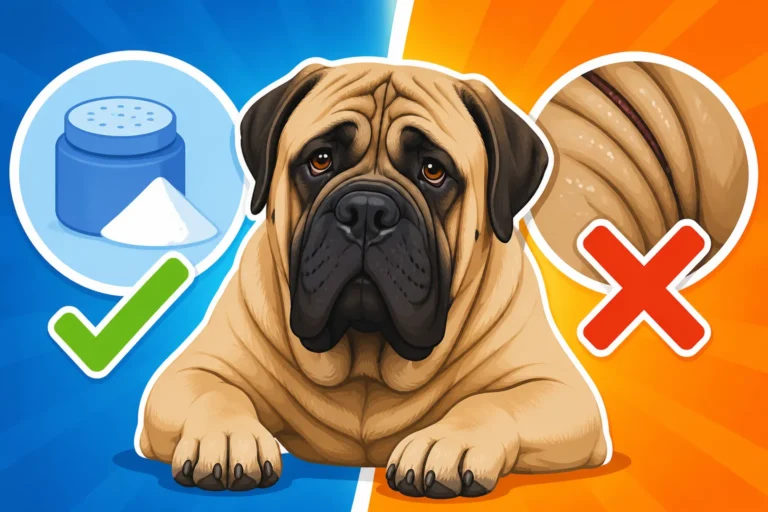
- Optional Barrier Cream/Powder: In some cases, after cleaning and thoroughly drying, your vet might recommend a very light application of a protective barrier cream (like a zinc oxide cream, but only if approved by your vet) or a non-talc cornstarch-based powder to absorb residual moisture and reduce friction. Use sparingly.
A Gentle Approach to Cleaning Each Fold
Once you have your supplies ready, approach your Mastiff calmly. A treat reward system can work wonders, especially in the beginning.
- Positioning and Comfort: Get your Mastiff in a comfortable position, perhaps sitting or lying down, with their head resting gently. Speak in a soothing voice.
- Lift and Expose: Gently lift and expose each fold. Start with the most accessible ones, typically around the muzzle and above the eyes. You’ll want to see down into the crease as much as possible without causing discomfort.
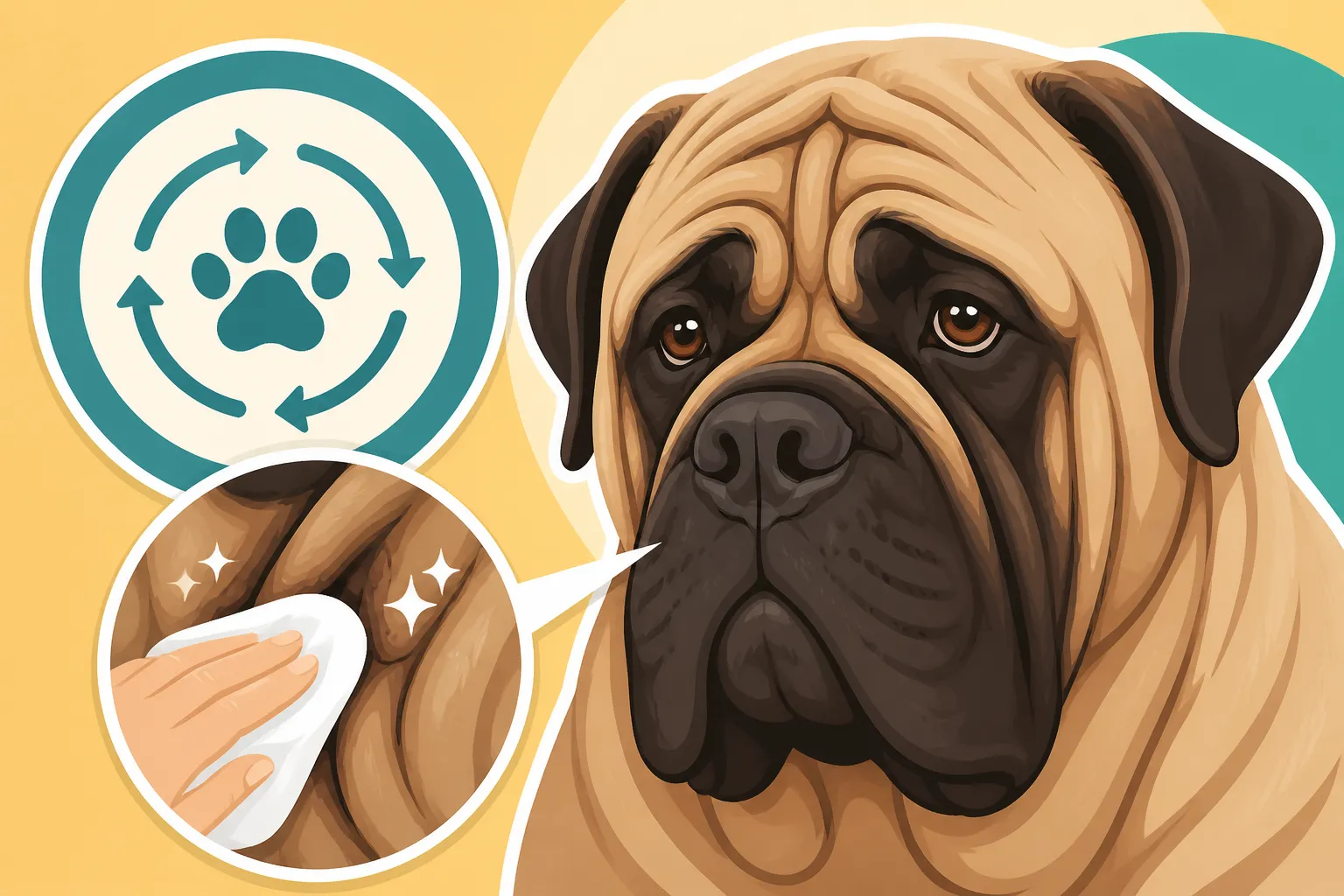
- Wipe Thoroughly: Take your damp cloth or approved wipe and gently clean the inside of the fold. Wipe away any visible debris, food particles, discharge, or reddish-brown residue. Be thorough but gentle. Don't scrub vigorously; instead, use a soft, sweeping motion. If using a liquid solution, apply it to the cloth first, rather than directly to the dog's face. Whether a Medicated Wipe Suits a Mastiff's Wrinkles depends on your dog's specific needs and vet advice, but they can be very effective for preventative and mild treatment.
- Repeat for All Folds: Systematically work your way through all the facial folds, including those around the mouth, eyes, and sometimes under the chin. Don't forget the deep wrinkles on the forehead or any folds that develop around the ears or even at the base of the tail in some Mastiffs.
- Crucial Drying Step: After cleaning, take a clean, dry cloth or cotton pad and meticulously dry each fold. This is critical. Ensure no moisture is left behind. You might even use a second dry cloth if the first becomes damp. This dryness is your best defense against yeast and bacteria.
- Apply Barrier (if recommended): If your vet has suggested a barrier cream or powder, apply a very thin layer only after the fold is completely dry. Less is more with these products, as too much can clump and become counterproductive.
- Positive Reinforcement: Always end the session with praise, affection, and a tasty treat. This helps your Mastiff associate fold cleaning with positive experiences, making future sessions much easier. Consistency and patience here will pay off immensely.
Recognizing and Addressing Fold Infections
Even with diligent cleaning, a Mastiff's folds can sometimes develop problems. Knowing the signs of an infection and when to seek professional help is vital. Early detection can prevent minor issues from becoming major health problems.
Signs of Infection or Irritation
Being observant is your best tool. Pay close attention to these signs during your daily cleaning routine:
- Redness and Inflammation: The skin inside the fold appears red, angry, or swollen. It might feel warmer to the touch than the surrounding skin.
- Foul Odor: A distinctly unpleasant, sometimes cheesy or yeasty smell emanating from the folds is a strong indicator of bacterial or yeast overgrowth.
- Discharge: You might see a milky, yellowish, greenish, or even bloody discharge. This is usually a sign of an active infection.
- Soreness or Pain: Your Mastiff might flinch, pull away, or show signs of discomfort when you touch the affected fold. They might also rub their face more frequently on furniture or the floor.
- Hair Loss or Crusting: The hair within and around the fold might be thinning or missing, and you might notice crusty scabs or flaky skin.
- Changes in Behavior: Your Mastiff might seem more lethargic, lose their appetite, or generally be "off" if the infection is causing them significant discomfort or pain.
If you observe any of these symptoms, it's crucial to act promptly. Ignoring them will only allow the infection to worsen, causing more pain for your Mastiff and potentially requiring more aggressive and costly treatment down the line. Keep an eye out for Signs a Mastiff's Fold Has Become Infected.
When to Consult Your Veterinarian
While routine cleaning is your job, diagnosing and treating an active infection is your veterinarian's. Do not hesitate to contact your vet if you notice any of the above signs, especially if they are persistent or worsening.
- Persistent Redness/Irritation: If the redness doesn't resolve within a day or two of increased gentle cleaning with plain water.
- Foul Odor or Discharge: These are almost always signs that a bacterial or yeast infection is present and needs medical intervention.
- Pain or Discomfort: If your Mastiff is clearly in pain when you touch the area, or if they are constantly rubbing their face.
- Fever or Lethargy: If your Mastiff develops systemic signs of illness, such as fever, loss of appetite, or general malaise, this indicates a more serious infection that needs immediate veterinary attention.
- Recurrent Infections: If your Mastiff frequently develops fold infections, your vet can help determine the underlying cause (e.g., allergies, immune issues) and recommend a more targeted preventative strategy. Whether a Mastiff's Fold Infection Needs Antibiotics is a decision your vet will make, often after taking a swab for culture and sensitivity testing.
Your vet might prescribe oral antibiotics or antifungals, or recommend specific medicated wipes or shampoos with ingredients like chlorhexidine, miconazole, or ketoconazole. They might also suggest dietary changes or allergy testing if they suspect an underlying cause. Never attempt to self-diagnose or treat a serious infection with human medications, as this can be dangerous for your Mastiff. Ollie, while a fresh food brand, also emphasizes overall health and a healthy diet can support skin health, potentially reducing susceptibility to infections.
Preventative Measures and Long-Term Fold Health
Beyond the daily wipe-down, there are broader strategies you can employ to promote excellent fold health for your Mastiff. These often involve environmental management, diet, and careful product selection.
Environmental and Dietary Considerations
What goes into your Mastiff, and what's around them, can greatly impact their skin health.
- Diet: A high-quality, balanced diet is fundamental for overall skin and coat health. Some Mastiffs may have sensitivities to certain ingredients (e.g., specific proteins or grains) that can manifest as skin irritation, which in turn can make fold infections more likely. If your Mastiff experiences recurrent skin issues, discuss a limited-ingredient diet or novel protein diet with your vet. Ensuring your dog gets adequate Omega-3 and Omega-6 fatty acids can also support skin barrier function. Look for foods that list these fatty acids, or consider supplements recommended by your vet.
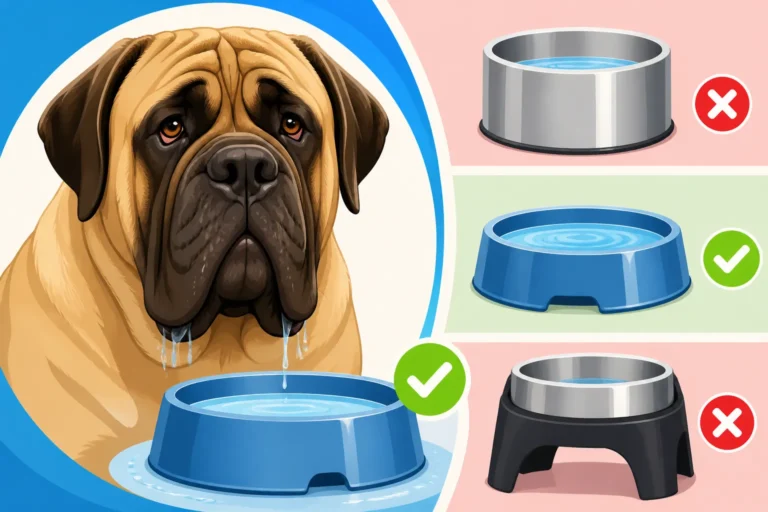
- Hydration: Ensuring your Mastiff has constant access to fresh water is not only vital for their overall health but also helps flush toxins from their system, which can indirectly support skin health.
- Cleanliness of Surroundings: Regularly clean your Mastiff's food and water bowls to prevent bacterial buildup that can then transfer to their folds. Keep their bedding clean and dry, as damp or dirty bedding can harbor bacteria and yeast. If your Mastiff is a messy eater, wiping their mouth after meals can significantly reduce food debris accumulation in their folds.
- Allergy Management: If your Mastiff has known environmental allergies, work with your vet to manage them. This might involve air purifiers, frequent dusting, or even allergy medications. Less environmental allergen exposure means less irritation for their sensitive folds.
Grooming and Product Selection Best Practices
Making smart choices about grooming products and routines can further safeguard your Mastiff's fold health.
- Shampoo Choices: When bathing your Mastiff, use a gentle, pH-balanced dog shampoo. Avoid harsh detergents or human shampoos, which can strip natural oils and irritate their skin. If your Mastiff is prone to skin issues, your vet might recommend a medicated shampoo for occasional use. Always rinse thoroughly to ensure no shampoo residue is left in the folds, as this can cause irritation.
- Regular Nail Trims: While not directly related to folds, long nails can make scratching more damaging if your Mastiff is trying to relieve an itch around their face. Keeping nails short is always a good practice for Mastiff health.
- Product Ingredients: Be mindful of ingredients in any products you use near your Mastiff's face. Avoid products with strong fragrances, dyes, or alcohol, which can be irritating. Stick to vet-approved, hypoallergenic options. When looking for wipes or cleaning solutions, read labels carefully. Many excellent pet care products can be found on platforms like Chewy or Amazon, but always prioritize quality and vet recommendations over generic options.
- Proactive Wiping: For particularly drooly Mastiffs, keeping a soft towel or special drool cloth handy to gently dab away excess moisture from their jowls and folds after drinking or during excited moments can make a big difference in preventing saturation and subsequent irritation.
Remember, the goal is to create an environment, both internal and external, that supports healthy skin and minimizes the opportunity for infection to take hold. A consistent routine and a watchful eye will ensure your Mastiff's noble face stays as healthy as it is handsome.
Disclaimer
This article is for general informational purposes only and does not constitute professional advice. Laws, prices and regulations vary by location and change over time. Consult a qualified professional for guidance on your specific situation.