The Age an Adolescent Mastiff Stops Listening
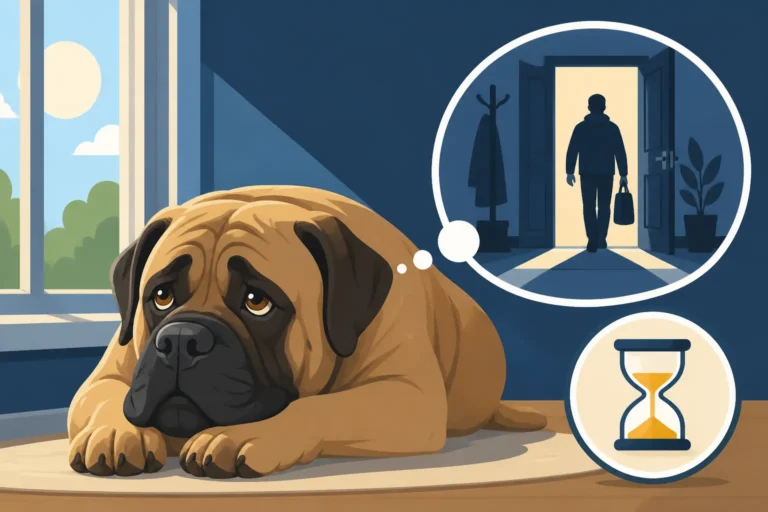
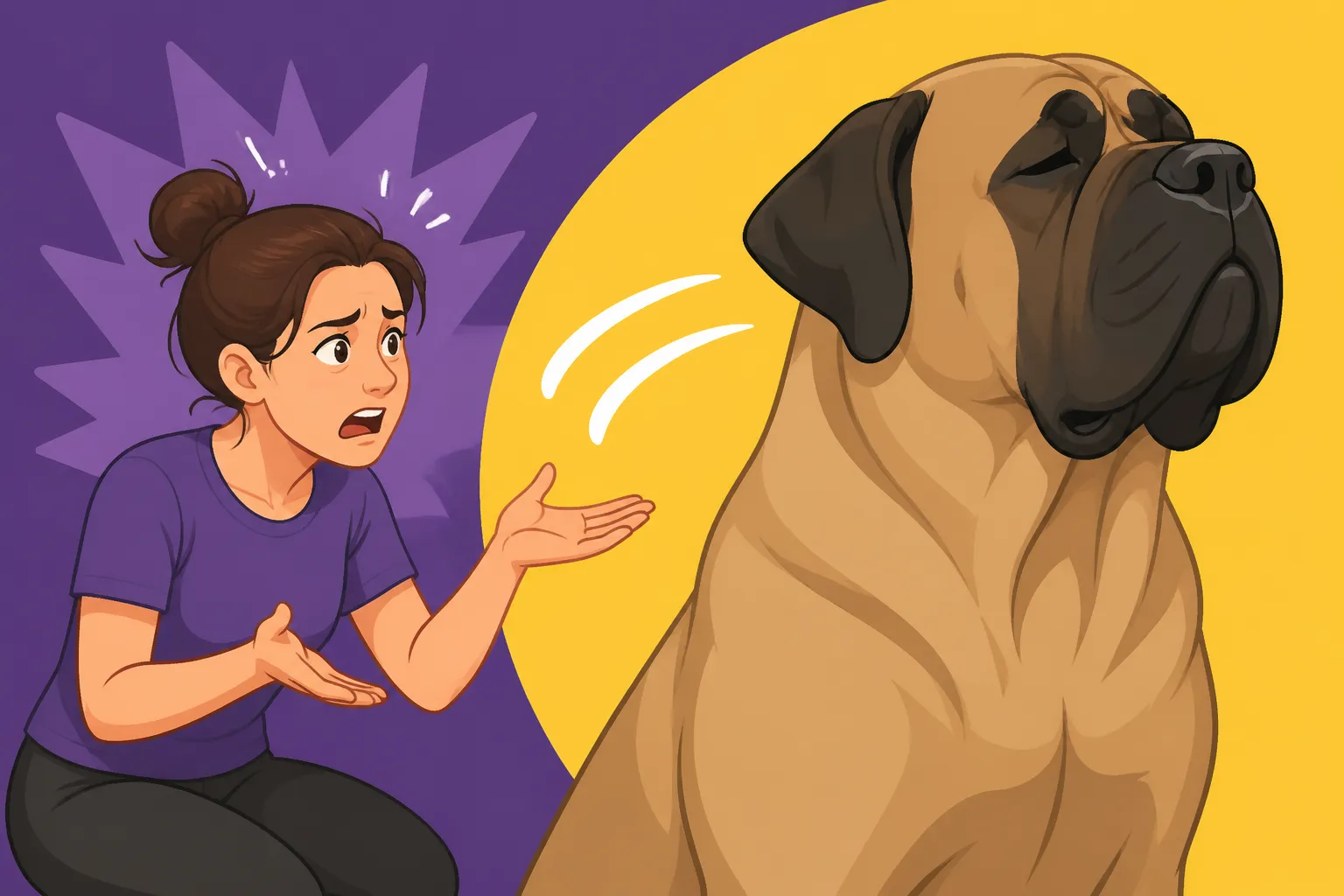
If you've ever found yourself calling your adolescent Mastiff's name, only for them to give you a slow, deliberate glance before continuing to sniff that interesting patch of grass, you know the frustration. It feels like all the hard work you put into their puppy training has vanished overnight, leaving you with a massive, independent creature who suddenly has selective hearing. This guide is here to walk you through why your Mastiff might seem to stop listening during adolescence and, more importantly, how to navigate this challenging but temporary phase with patience and consistent effort.
Understanding the "Not Listening" Phase in Your Mastiff
It’s completely normal to feel a surge of exasperation when your once-attentive Mastiff puppy seems to develop an immediate and profound deafness the moment they hit their teenage months. Many owners assume their dog is being deliberately stubborn or defiant, or that they've somehow failed in their early training efforts. But for our Mastiffs, this "not listening" phase isn't usually a sign of malice or disrespect; it's a complex interplay of physical development, burgeoning independence, and a temporary shift in their priorities.
It's Not Defiance, It's Distraction
When your adolescent Mastiff seems to ignore a command they once knew perfectly, it's rarely a conscious act of defiance. Instead, think of it as a massive surge in external distractions coupled with internal changes. Their world has suddenly become much more interesting than your voice. The scent of another dog from hours ago, the rustle of leaves in the wind, the distant sound of a delivery truck—these things now compete for their attention with the intensity of a thousand fireworks. Their developing brains are processing so much new information, and their giant bodies are often still growing, which can add to their general awkwardness and reduced focus. They might truly hear you, but the mental effort required to disengage from whatever captivating stimulus they've found and re-engage with you feels monumental to them in that moment.
We, as humans, often forget that dogs don't think like us. They live in the moment and are driven by instinct and immediate rewards. A delicious smell on the ground is far more intrinsically rewarding to them than your request to "sit." This is particularly true for a breed as naturally thoughtful and deliberate as a Mastiff. They aren't quick to react anyway; an adolescent Mastiff will take even longer to process and decide if your request is worth interrupting their current pursuit. Their size also means that disengaging from something they are focused on requires a greater physical and mental effort than it would for a smaller, more agile dog.
Testing Boundaries, Not Breaking Trust
Another aspect of this adolescent phase is the natural instinct to test boundaries. Just like human teenagers, young Mastiffs are trying to figure out where they fit in the world and what they can get away with. They're exploring their independence and their rapidly growing strength. They're not trying to "break trust" or be naughty; they're simply experimenting with their newfound autonomy. A young Mastiff who suddenly decides to pull relentlessly on the leash after weeks of loose-leash walking isn't necessarily rejecting your leadership. They're simply discovering that they can pull, and that the interesting thing at the end of the block is a powerful motivator.
This boundary-testing can feel incredibly frustrating, especially when you consider the sheer power of a rapidly growing Mastiff. A 150-pound adolescent who decides they don't want to move or wants to investigate something can be a real force of nature. It’s during this stage that The First Year With a Mastiff Puppy That Doubles in Size truly comes into sharp focus, as you realize just how quickly they can go from manageable fluff ball to immovable object. The key here is not to see it as a personal affront, but as a critical period where you need to reinforce those boundaries with patience, consistency, and clear communication. Your job is to gently but firmly remind them of the rules, without resorting to harsh methods that can be counterproductive for a sensitive breed.
The Biological Reality: Growth, Hormones, and a Changing Brain
Adolescence isn't just about attitude; it's deeply rooted in the biological changes happening within your Mastiff. Their bodies are undergoing massive growth spurts, their hormones are surging, and their brains are literally rewiring themselves. All of these factors contribute to the erratic behavior and perceived "deafness" you might be experiencing.
Growth Spurts and Physical Discomfort
Consider the sheer physical changes your Mastiff is experiencing. They're not just getting bigger; their bones, muscles, and ligaments are growing at an incredible rate. This rapid growth can sometimes lead to discomfort or awkwardness. They might feel gangly, their coordination might be a bit off, and what felt easy a few weeks ago might now feel strange or even a little painful. Imagine a human teenager suddenly growing several inches in a few months, feeling clumsy and uncoordinated. Your Mastiff is experiencing something similar, but on a much grander scale. This physical discomfort or distraction can make them less inclined to perform actions that require precise movement or sustained attention.
A young Mastiff might be experiencing subtle aches and pains from growing, which can make them less eager to perform certain commands. Jumping up for a treat, or even sitting squarely, might be momentarily uncomfortable. They also have an immense amount of energy despite their lumbering appearance, which can be difficult for them to manage. Understanding that their physical state might be influencing their behavior can help you approach them with more empathy. It also highlights why over-exercising a growing Mastiff is so detrimental to their long-term health, as discussed in posts like Why a Mastiff Puppy Must Not Be Exercised Hard. Their bodies are still very vulnerable, even if they look like small tanks.
Hormonal Shifts and New Interests
For intact male Mastiffs especially, the hormonal changes during adolescence are profound. Testosterone surges can lead to increased interest in females, marking behavior, and a stronger drive to explore their environment and assert themselves. This isn't just about reproduction; these hormones literally alter their brain chemistry, influencing their focus, reactivity, and decision-making. Suddenly, every tree is a pee-mail message, every distant dog is a potential friend or rival, and your voice might be drowned out by these powerful new urges. This is a topic thoroughly explored when considering Whether an Intact Male Mastiff Is Harder to manage during these developmental stages.
Even for spayed or neutered Mastiffs, the brain continues to mature throughout adolescence. The prefrontal cortex, responsible for impulse control and decision-making, is one of the last areas to fully develop in dogs, just as it is in humans. This means your adolescent Mastiff might genuinely struggle with impulse control. They might know "leave it," but the tantalizing smell of that discarded sandwich wrapper becomes an irresistible force. Their world is expanding, and their curiosity is peaking. They're becoming more aware of their surroundings, more interested in novel stimuli, and perhaps a bit more confident in exploring independently. This can lead to them seeming to "tune you out" as they prioritize these new, exciting discoveries over your familiar requests.
Revisiting Training Strategies for the Adolescent Mastiff
The good news is that this phase, while challenging, is temporary. It requires a shift in your approach, a return to basics, and an abundance of patience. What worked for your adorable, small puppy might need an upgrade for your giant, gangly teenager.
Back to Basics: Short, Frequent Sessions
When your Mastiff starts "not listening," it’s time to dial back your expectations and go back to square one with their training, but with an adult dog in mind. Think of it as a refresher course for both of you. Keep training sessions short, enthusiastic, and highly rewarding. Instead of long, drawn-out drills, aim for 5-10 minute bursts several times a day. This helps maintain their attention and prevents them from getting bored or overwhelmed. Use extremely high-value treats – something truly irresistible, like small pieces of cooked chicken or cheese, not just their regular kibble. The motivation needs to be undeniable.
Focus on one command at a time and practice it in low-distraction environments first, gradually increasing the distractions as they improve. For example, if "sit" is suddenly difficult, practice it in your quiet living room, then move to the backyard, then near a quiet street, and so on. Reinforce every successful attempt with lavish praise, a treat, and perhaps a quick game of tug. Remember that What Actually Motivates a Mastiff might change as they get older, and what was exciting as a puppy might not cut it now. Consistency from everyone in the household is also critical. If one person lets them get away with not listening, it undermines the efforts of everyone else.
Reinforcing Recall and Polite Greetings
Recall is arguably the most crucial command, especially with a dog of a Mastiff's size and potential strength. During adolescence, their urge to explore can override their desire to return to you. Practice recall frequently, even in the house, making it a fun, rewarding game. Don't just call them when it's time to go inside or do something unpleasant. Call them, reward them, and then let them go back to what they were doing. This builds a positive association with coming when called. Consider investing in a long training leash (a "long line") from a site like Amazon to practice recall safely in open areas, giving them a sense of freedom while still allowing you control.
Polite greetings also become vital when your Mastiff is growing into a giant. A friendly jump from a 150-pound dog is still incredibly dangerous, especially for children or elderly guests. Go back to greeting drills: have a helper approach, and if your Mastiff stays calm and doesn't jump, reward them. If they jump, the helper turns and walks away. Repeat until they understand that four paws on the floor get them attention and treats. This requires immense patience, especially with a breed that, as The Sensitivity Nobody Expects in a Two Hundred Pound Mastiff points out, can be very impressionable. Harsh corrections can backfire, making them fearful or less willing to engage.
Managing the Environment
While you're working on retraining and reinforcing behaviors, managing your Mastiff's environment is incredibly important. Prevention is truly key during this period. If they're counter surfing, don't leave food on the counters. If they're chewing on furniture, make sure they have appropriate, durable chew toys available (Amazon has a great selection of giant-breed-appropriate toys that can stand up to a Mastiff's jaws). When you're out for walks, choose quieter times or less stimulating routes initially. This isn't about sheltering them, but about setting them up for success while they're learning to manage their impulses.
Utilize crates or exercise pens for supervised downtime, especially when you can't give them your full attention. This prevents them from practicing undesirable behaviors. Think about enrichment activities that challenge their minds without over-stimulating them physically. Scent work, puzzle toys, or even just teaching a new, simple trick can be a great way to engage their brains. These activities can reduce boredom and redirect their energy. Online training platforms, such as those offered by BAXTER & Bella, can provide structured lessons and fresh ideas for mental enrichment that you can do at home, ensuring you're continually challenging your Mastiff in a positive way.
Setting Realistic Expectations and Maintaining Sanity
Living with an adolescent Mastiff can feel like a rollercoaster. There will be days of brilliant obedience, followed by days where they seem to have forgotten everything. The most important thing you can do is adjust your mindset and maintain a sense of humor. This phase will pass, and your consistent efforts now will pay off in the long run, shaping them into the magnificent adult Mastiff you envision.
Patience and Consistency Are Paramount
I know, it's easier said than done, especially when your 180-pound Mastiff is doing the exact opposite of what you asked. But patience is your superpower during this time. Every interaction is a training opportunity. Every time you ask for a "sit" before putting down their food bowl, or wait patiently for them to "settle" before getting attention, you're reinforcing good habits. Remember, Teaching a Mastiff Before It Outweighs You truly applies to this stage; if you didn't nail it as a puppy, it's even harder now, but not impossible.
Consistency doesn't just mean what you ask for, but how you ask for it. Use the same words, hand signals, and tone of voice. Avoid repeating commands endlessly if they're not listening; instead, gently guide them into the correct position and then praise and reward. If you repeat "sit, sit, sit, SIT!" ten times, you're inadvertently teaching them that they only need to respond on the tenth command. Wait for a moment, then re-engage their attention with a sound or a gentle touch, and then give the command once more. This dedication will guide them through their teenage years to full maturity, which for a Mastiff, can be around The Age a Mastiff Finally Matures.
When to Seek Professional Help
While adolescence is normal, there are times when seeking professional guidance is a really smart move. If you find yourself consistently overwhelmed, if your Mastiff's behaviors are becoming dangerous (like aggressive lunging or biting), or if you simply feel stuck and frustrated, a certified professional dog trainer or veterinary behaviorist can be an invaluable resource. They can assess your specific situation, offer tailored strategies, and provide you with the tools and confidence to navigate this challenging period.
Don't see asking for help as a failure; see it as being a responsible and proactive Mastiff owner. Their immense size means that behavioral issues, even minor ones, can become significant safety concerns. A trainer can help you understand the nuances of Why Harsh Correction Ruins a Mastiff and guide you towards effective positive reinforcement techniques that work for your giant breed. Sometimes, an outside perspective is all it takes to help you and your Mastiff get back on track.
Here's a quick comparison of common adolescent Mastiff behaviors and effective responses:
| Adolescent Behavior | Common Owner Reaction | More Effective Response |
|---|---|---|
| Ignores "Come" command at the park | Gets frustrated, chases dog, yells "Come!" | Use long line for practice, high-value treats, make coming fun, call when success is likely |
| Jumps on visitors | Pushes dog off, scolds | Turn away, ignore jumping, reward 4 paws on floor, practice with controlled guests |
| Pulls hard on leash | Yanks leash, continues walking | Stop walking immediately, wait for slack, redirect focus, use front-clip harness |
| Chews inappropriate items (e.g., shoes) | Scolds, takes item away | Redirect to appropriate chew toy, ensure proper exercise and mental enrichment, use baby gates |
| Doesn't settle down indoors | Tells dog off, puts them outside | Practice "place" command, provide quiet chew, reward calm behavior, manage stimulation |
This adolescent phase is a test of your patience and commitment, but it's also a testament to the strong bond you're building with your Mastiff. They are still the same loving, loyal companion underneath all that growing independence and distraction. With understanding, consistent training, and a bit of humor, you'll guide your Mastiff through these awkward teenage years and into a well-behaved, cherished adult member of your family.
Disclaimer
This article is for general informational purposes only and does not constitute professional advice. Laws, prices and regulations vary by location and change over time. Consult a qualified professional for guidance on your specific situation.