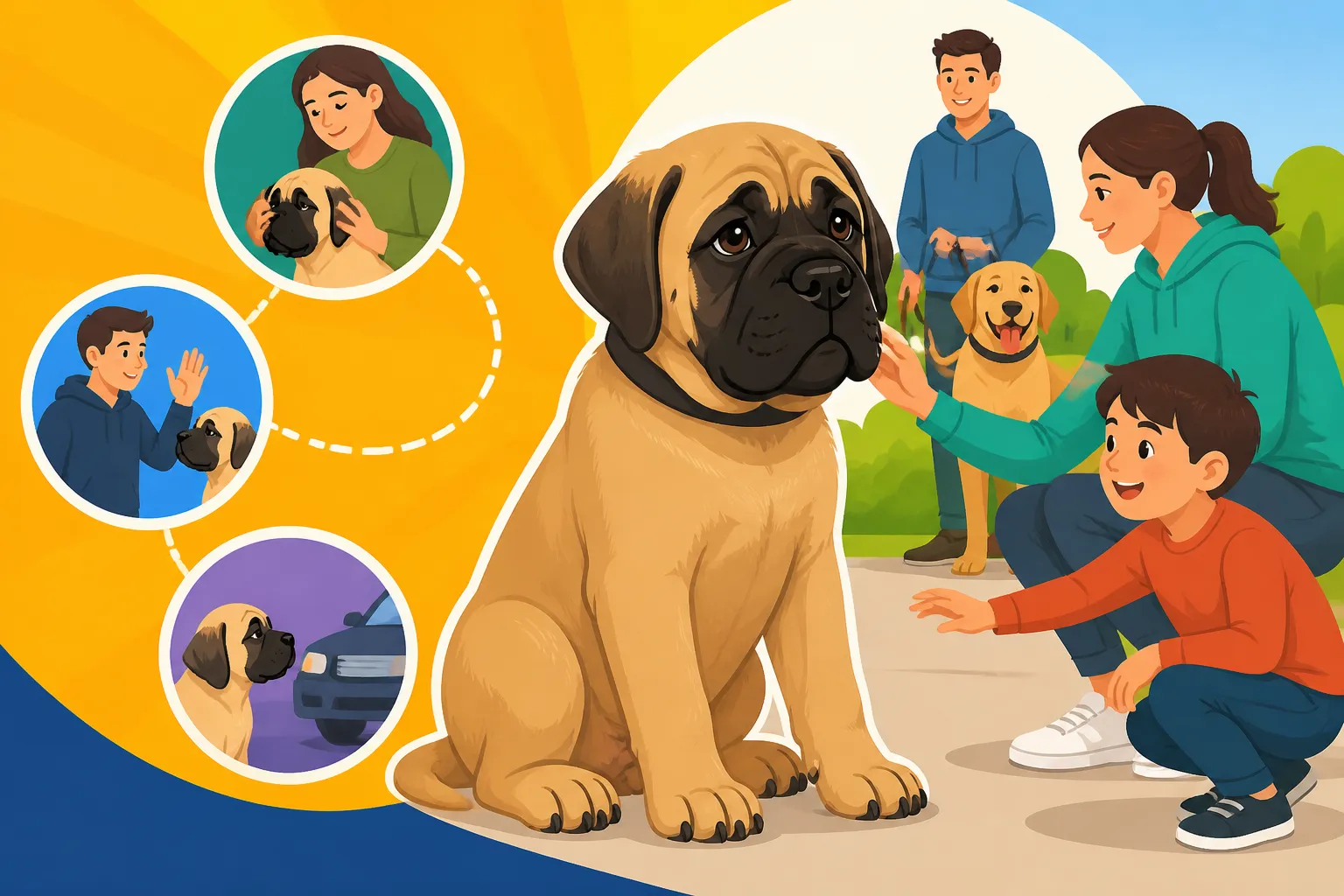
Socializing a Mastiff Puppy Before It Gets Heavy
Bringing home a Mastiff puppy is an incredible joy, but that tiny, adorable fluff ball quickly balloons into a magnificent, two-hundred-pound dog. Many new owners find themselves unprepared for the speed at which their little pup becomes an undeniable force, and if proper socialization isn't prioritized early, you can end up with a huge dog who isn't comfortable in the world, leading to a host of problems. This guide is all about giving you practical, empathetic strategies for effectively socializing your Mastiff puppy during that crucial, fleeting window before their sheer size makes it an entirely different challenge.
Why Early Socialization is Absolutely Critical for a Mastiff
The window for prime socialization in any puppy is surprisingly short, generally closing around 16 weeks of age. For a Mastiff, this period is even more vital because of their immense size and inherent protective instincts. What might be a minor behavioral quirk in a smaller dog can become a significant, even dangerous, issue in a Mastiff. Getting it right early sets the foundation for a well-adjusted, confident, and manageable adult.
Understanding the Mastiff Temperament: Gentle Giants with Great Power
Mastiffs are famously known as "gentle giants," and it's a well-earned moniker. They are typically calm, devoted, and surprisingly sensitive dogs who thrive on companionship. They aren't naturally aggressive, but they are naturally watchful and possess an innate protective instinct. This isn't something you need to train; it's simply part of who they are. Their sheer physical presence is often enough to deter unwanted attention, but this doesn't mean they should be allowed to be wary or reactive. A Mastiff who is unsure or fearful can quickly become a challenge, not because they are inherently bad, but because they are so powerful. Imagine a dog who weighs as much as an adult human feeling threatened – their reactions, even if born of fear, can have serious consequences. Early, positive experiences teach them that most of the world is safe and not a threat, allowing their natural calm demeanor to shine through rather than their protective side being constantly on alert. They need to learn appropriate responses to new situations and people, rather than relying solely on their imposing size.
Preventing Fear and Potential Reactivity
An unsocialized Mastiff is a ticking time bomb, not because they are evil, but because fear, when combined with immense size and protective instincts, can lead to undesirable behaviors. If a Mastiff puppy isn't exposed to a wide variety of sights, sounds, people, and other animals in a positive way, they can easily develop fear-based reactions. This might manifest as shyness, excessive barking, or even lunging when feeling overwhelmed or threatened. Think about walking a 200-pound dog that suddenly decides a child on a skateboard is a terrifying monster. It's not a pretty picture, and it can be incredibly difficult to manage once ingrained. The goal of socialization isn't to make your Mastiff love every single person or dog they meet, but to teach them to be neutral and calm in the presence of novel stimuli. You want them to acknowledge something new, decide it's not a threat, and then calmly ignore it. This builds a dog who can cope with the unexpected without escalating into fear or aggression, crucial for a breed of their stature. What Becomes of an Undersocialized Mastiff is a path you absolutely want to avoid.
Building Confidence and Good Manners
Beyond preventing negative behaviors, effective socialization actively builds a Mastiff's confidence. A confident dog is a calm dog. When your Mastiff puppy has been positively exposed to myriad experiences, they learn that the world is a generally safe and interesting place. This confidence helps them navigate new situations without anxiety or needing to rely on their size as a defense mechanism. It also helps instill good manners. A well-socialized puppy learns how to interact appropriately with people (not jumping up, being gentle) and other dogs (reading cues, playing appropriately). Given that they will soon outweigh most adults, teaching them not to jump or barrel into people from a young age is non-negotiable. It's much easier to teach a 40-pound puppy to "four on the floor" than a 150-pound adolescent. This foundation of confidence and good manners is what will allow your Mastiff to be a cherished, well-behaved family member and a true "gentle giant" in every sense of the word.
What Constitutes Effective Socialization for a Mastiff Puppy
Socialization isn't just about letting your puppy sniff other dogs at the park. It's a carefully orchestrated series of positive exposures to ensure they develop into a well-adjusted adult. For a Mastiff, this means focusing on quality, controlled interactions rather than quantity, always prioritizing positive experiences above all else.
Exposure to People: All Ages, Shapes, and Sizes
Your Mastiff puppy needs to meet a wide variety of people. This means men, women, children, people wearing hats, people with beards, people in uniforms, people carrying umbrellas, people using walkers or wheelchairs, people of different ethnicities, you name it. Each new person should ideally be a positive experience. Ask friends and family to visit, but instruct them to be calm and gentle. Offer treats, but don't force interaction if your puppy is hesitant. The key is controlled exposure. A quick, positive sniff and a treat are better than a prolonged, overwhelming petting session. Remember, How Many People a Mastiff Puppy Should Meet is less about a numerical target and more about the diversity and quality of those interactions. If you have children, supervise all interactions closely. Mastiffs are generally good with kids, but their sheer size, even as puppies, means accidental bumps can happen. They need to learn to be gentle and respectful around little ones.
Exposure to Other Dogs and Animals: Safe, Positive Interactions
This is where many people go wrong. The dog park, especially for a giant breed puppy, can be a minefield of bad experiences. Instead, seek out known, vaccinated, calm, and well-behaved adult dogs who can serve as good role models. Puppy classes are an excellent, controlled environment for this, offering a safe space for puppies to interact and learn appropriate play. Online courses, like those offered by BAXTER & Bella, can also provide structured guidance on how to manage these interactions safely and effectively, especially if local in-person options are limited or not suitable for a giant breed. If you have other pets, slowly introduce your Mastiff puppy under supervision, rewarding calm behavior. The goal is positive association: other dogs mean good things, not scary or overwhelming things. Avoid any situation where your puppy is being bullied or is bullying another dog. A single bad experience with another dog can create fear or reactivity that is incredibly difficult to undo in a 200-pound animal. Also, consider that Whether a Mastiff Accepts Another Dog depends heavily on these early, positive, and managed introductions.
Exposure to Different Environments and Sounds
The world is full of novel sounds, sights, and textures, and your Mastiff puppy needs to experience them all in a low-stress way. Take them for short, frequent outings to different places: quiet parks, sidewalks (avoiding crowded areas initially), pet-friendly stores (if appropriate and not overwhelming), car rides, and even just sitting outside a coffee shop watching the world go by. Expose them to sounds like traffic, sirens, vacuums, lawnmowers, and children playing. Always aim for positive associations. If a loud truck goes by, don't soothe your puppy excessively, which can inadvertently reinforce fear. Instead, calmly offer a treat and cheerful praise. The goal is for them to see these things as normal background noise, not something to react to. You might want to consider short visits to a pet store, but only if it's not too busy and you can ensure positive interactions. Whether a Mastiff Puppy Should Visit a Pet Store needs to be carefully considered – it's about a positive experience, not just checking a box. If your puppy seems overwhelmed, shorten the visit or simply observe from a distance.
| Socialization Experience Factor | Effective for Mastiff Puppy | Potentially Detrimental for Mastiff Puppy |
|---|---|---|
| People | Calm, gentle interactions with diverse individuals, offering treats. | Overwhelming crowds, forced interactions, rough handling from strangers. |
| Other Dogs | Playdates with known, calm, vaccinated adult dogs; structured puppy classes. | Unsupervised dog parks, interactions with aggressive or overly boisterous dogs. |
| Environments | Short, positive visits to various low-traffic public spaces (e.g., quiet park). | Loud, chaotic environments, prolonged exposure to overwhelming stimuli. |
| Sounds | Gentle exposure to common household & outdoor noises, paired with treats. | Sudden, intense loud noises without positive association. |
| Handling | Gentle touch all over, nail trims, ear checks, vet visits with treats. | Painful procedures, rough handling, lack of positive reinforcement. |
| Training | Positive reinforcement, short sessions, clear communication. | Harsh corrections, lengthy boring sessions, inconsistent expectations. |
Practical Strategies for Successful Socialization
Socializing a Mastiff puppy requires intentionality and a commitment to positive experiences. It's about being proactive and setting your puppy up for success, rather than reactive and trying to fix problems later. Remember, consistency is key, and every interaction, good or bad, is a learning opportunity for your growing giant.
Puppy Classes and Controlled Environments
Enrolling your Mastiff puppy in a well-run puppy class is one of the best investments you can make. These classes offer a safe, supervised environment where puppies can interact with each other and learn basic manners from a professional trainer. Look for classes that emphasize positive reinforcement and have experience with giant breeds. A good instructor will guide play, interrupt inappropriate behaviors, and answer your questions about handling a rapidly growing puppy. If in-person classes aren't feasible or you feel your local options aren't equipped for a Mastiff, consider online puppy training programs. Companies like BAXTER & Bella offer comprehensive online courses that can provide structured training and socialization guidance from the comfort of your home, supplementing your in-person efforts. This is especially helpful for breeds like Mastiffs who can be challenging to transport as they grow, or if you live in an area with limited appropriate puppy social groups. These controlled settings help teach your Mastiff appropriate social cues without the risks of an uncontrolled environment. You'll also learn invaluable skills for managing your dog as they reach their massive adult size, and this early exposure can really help when aiming for goals like Getting a Mastiff Through the Canine Good Citizen Test later on.
Using Positive Reinforcement and Gentle Handling
Mastiffs are incredibly sensitive dogs, and harsh corrections or frightening experiences can be deeply detrimental to their emotional development. Positive reinforcement is the only way to go. This means rewarding desired behaviors with treats, praise, and gentle petting. When your puppy is calm around a new person, offer a treat. When they react positively to a new sound, reward them. Keep a pouch of high-value treats (think small pieces of cheese or cooked chicken) on hand at all times, easily accessible from Amazon or your local pet store. Every new experience should be paired with something positive. Equally important is gentle handling. Regularly touch your puppy's paws, ears, tail, and mouth from a young age. Make these experiences positive by pairing them with treats. This will make future vet visits, grooming sessions, and even just wiping their drooly jowls much easier. Remember, The Sensitivity Nobody Expects in a Two Hundred Pound Mastiff means their trust is easily broken, and you want to build a relationship based on respect and positive associations. If you’re wondering if this approach is truly effective, know that Whether Positive Training Alone Works on a Mastiff is a resounding yes!
Managing Interactions and Avoiding Overwhelm
It's easy to think that more exposure is always better, but for a Mastiff puppy, quality trumps quantity. Avoid overwhelming your puppy. Short, positive interactions are far more beneficial than long, stressful ones. Watch your puppy's body language closely. Are they tail wagging and relaxed, or are they lip licking, yawning, turning away, or trying to hide? These are all signs of stress. If your puppy seems overwhelmed, it's time to take a break or remove them from the situation. Don't force them into interactions they're uncomfortable with. If you're introducing them to a new environment, start with a short visit and gradually increase the duration as they become more comfortable. This might mean only being at the park for five minutes, or simply sitting in the car watching people go by. It's all about building tolerance slowly and making sure each experience contributes positively to their development. For instance, The Mastiff Puppy You Are Not Allowed to Exercise highlights the physical limitations, but also implies mental and emotional ones – they need their rest and quiet time too. Ensure your home also offers a safe, quiet retreat for your puppy, such as a comfortable crate from Amazon or a dedicated dog bed where they can relax away from the hustle and bustle. Whether a Mastiff Should Be Crated When Guests Arrive can be a good strategy to manage excitement and overstimulation.
Common Challenges and Solutions in Mastiff Puppy Socialization
Socializing a Mastiff puppy comes with unique hurdles that owners of smaller breeds might not face. Their rapid growth, inherent protective nature, and sheer physical presence require a thoughtful and persistent approach to ensure they grow into well-adjusted, confident adults.
The Rapid Growth Spurt: A Fleeting Window
The most pressing challenge with a Mastiff puppy is their incredibly fast growth rate. One day you have a lap dog, the next you have a small pony. This means the crucial socialization window – that period before 16 weeks when they are most impressionable and least physically imposing – closes alarmingly quickly. The First Year With a Mastiff Puppy That Doubles in Size is not an exaggeration. This rapid growth demands that you be highly proactive in their socialization from the moment they come home. There’s no time to waste! What's cute and manageable at 30 pounds (like a puppy jump) becomes problematic at 100 pounds and potentially dangerous at 200 pounds. You simply don't have the luxury of putting off socialization until later. Every day counts.
- Solution: Create a detailed socialization plan as soon as you bring your puppy home. Think about all the different people, places, sounds, and textures you want them to experience. Make a checklist and aim for at least one or two novel, positive experiences every single day. Even if it's just a new sound played softly, or meeting one new, calm person. Prioritize quality over quantity, but strive for consistent exposure. Don't wait until they're big and awkward to try to expose them to new things.
Over-Protection by Owners and Enabling Shyness
It's natural to want to protect your Mastiff puppy, especially when they're still small and a bit clumsy. However, sometimes this natural instinct can lead to inadvertently hindering their socialization. If you constantly pick up your puppy, shield them from new people or sounds, or over-soothe them when they show mild apprehension, you can teach them that the world is a scary place and that they need your protection. This can prevent them from developing their own coping mechanisms and confidence. This is particularly relevant for the naturally reserved Mastiff, who might already lean towards being wary rather than overtly outgoing. Whether a Shy Mastiff Puppy Grows Out of It is highly dependent on how you manage their early experiences.
- Solution: Encourage independence and confidence. Instead of shielding, facilitate positive, controlled exposures. When your puppy is hesitant, encourage them gently with praise and treats, allowing them to approach at their own pace. If they decide not to engage, that’s fine; just ensure it was a neutral or positive non-interaction. Don't force them. Your calm demeanor teaches them that there's nothing to fear. Be their secure base, but let them explore the world from that base. This doesn't mean allowing them to be approached by every stranger, but rather allowing them to observe and process without your interference unless absolutely necessary.
Physical Limitations and Management
While Mastiff puppies need plenty of socialization, they also have physical limitations due to their rapid growth. Over-exercising them or exposing them to high-impact activities too early can lead to serious orthopedic issues like hip and elbow dysplasia, which are already concerns for the breed. How Fast a Mastiff Puppy Grows means their bones and joints are still very soft and vulnerable. You can't just take them to a busy dog park for hours of rough play, even if you wanted to, as it would be physically detrimental. Also, as they get heavier, physically managing them in certain social situations becomes more challenging. A 100-pound puppy that pulls on the leash or jumps up is much harder to control than a 20-pound one.
- Solution: Combine gentle, low-impact physical activities with mental stimulation and controlled social outings. Short walks on soft surfaces are great for exploration, but avoid forced running or jumping. Focus on mental enrichment through puzzle toys, scent games, and short training sessions. When socializing, always have a plan for physical management. Use a comfortable, well-fitting harness (you can find many options on Amazon) and a sturdy leash. Practice loose-leash walking in quiet areas so that when you venture out, you have more control. Always have high-value treats to redirect attention or reward calm behavior. Remember, Whether a Mastiff Suits a Family With Young Children means that gentle handling and appropriate size management are paramount from day one.
Disclaimer
This article is for general informational purposes only and does not constitute professional advice. Laws, prices and regulations vary by location and change over time. Consult a qualified professional for guidance on your specific situation.