Whether a Mastiff Is Used in Protection Sport
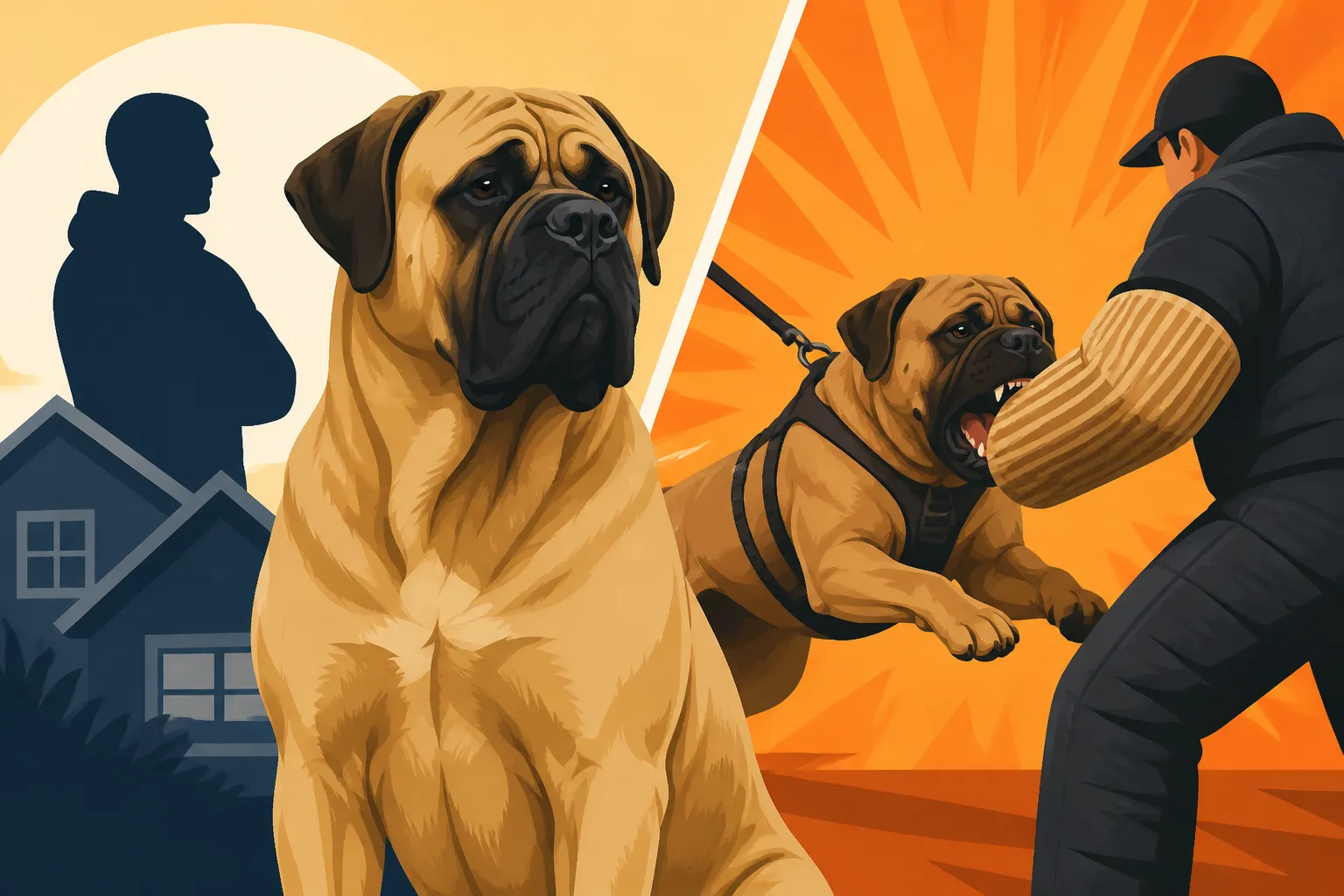
It’s a common misconception, fueled by the sheer size and imposing presence of a Mastiff, that they might be excellent candidates for protection sport. You look at that magnificent, massive dog and instinctively think, "Surely, they're built for guarding and defense!" However, the reality of what protection sport entails, and the unique temperament and physical attributes of the Mastiff, actually means they are very rarely, if ever, suited for such activities. This guide will clarify the distinction between a Mastiff's natural guarding instincts and the specific demands of protection sport, helping you understand why these gentle giants thrive in other roles.
Understanding Protection Sport and Its Demands
When we talk about "protection sport," we're not just discussing a dog that barks at the mail carrier or stands between you and a perceived threat. We're talking about highly structured, often intense, disciplines like Schutzhund (now IGP), French Ring, or Mondioring. These sports require a very specific set of physical and mental attributes that are deeply ingrained in certain breeds, and they demand a level of training and drive that can be quite surprising.
The Core Principles of Protection Work
Protection sports are designed to test a dog's courage, trainability, and working aptitude under controlled scenarios. They involve three main phases: tracking, obedience, and protection work. The protection phase itself is a complex dance between handler, dog, and a decoy (a person wearing protective gear). It requires the dog to:
- Discriminate: Understand when to engage and when to disengage, responding solely to handler commands. This is not random aggression.
- Exhibit Courage and Drive: The dog must show unwavering confidence and a strong desire to engage the decoy, using natural prey and defense drives in a controlled manner.
- Demonstrate Physicality: This includes explosive speed, agility, strong gripping, and the ability to withstand pressure without hesitation.
- Maintain Control: The dog must be able to "out" (release the bite) immediately on command, regardless of the intensity of the situation. This level of control is paramount.
The dogs best suited for these sports are typically those bred for generations as working dogs, often in police or military roles. Think German Shepherds, Belgian Malinois, Rottweilers, and certain lines of Dutch Shepherds or Doberman Pinschers. These breeds possess a unique combination of high trainability, intense drive, and the physical build to handle the rigorous demands. You’ll often see trainers utilizing specialized gear, sometimes sourced from places like Amazon, but the equipment is only as good as the dog and the trainer.
Breeds Typically Suited for Protection Sport
The common thread among successful protection sport breeds is their innate "hardwired" drives. They have a strong prey drive, meaning they are motivated by chasing and catching, and a defense drive, where they react to perceived threats with confidence and engagement. These drives are not just present; they are highly malleable and can be shaped through consistent, professional training into the specific behaviors required for sport.
For example, a Belgian Malinois is renowned for its explosive energy, speed, and almost insatiable desire to work. They are incredibly agile, capable of quick turns and powerful bites, and they typically possess the mental fortitude to handle high-pressure situations without crumbling. Rottweilers, while larger and more powerful, also have strong protective instincts combined with a high degree of trainability when properly motivated. These breeds often thrive on having a "job" and excel at the complex tasks protection sport presents, viewing the decoy as a high-stakes game. Their structure supports bursts of speed and sustained physical exertion, which is crucial for passing the rigorous trials.
The Mastiff Temperament: A Deep Dive into Guarding Instincts
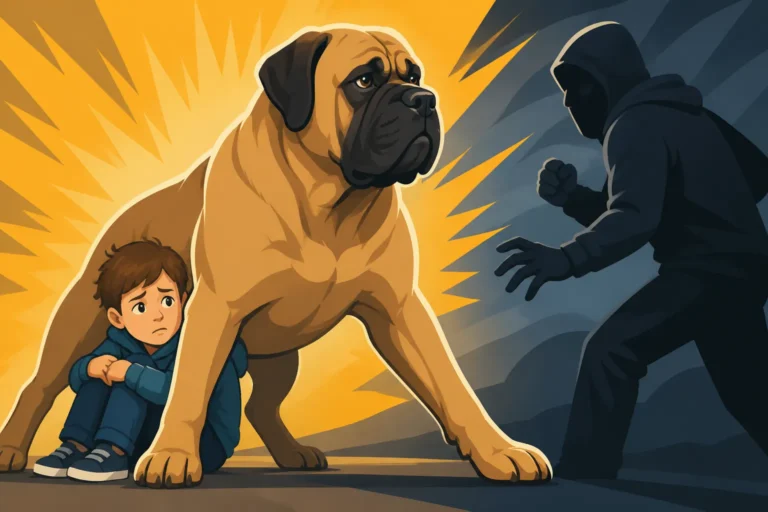
Now, let's turn our attention to the Mastiff. They are, without a doubt, protectors. Their entire history is steeped in guarding estates, families, and livestock. However, the way a Mastiff guards is profoundly different from the active engagement required in protection sport. It's a fundamental distinction that makes them generally unsuitable for these specialized activities.
Natural Guarding vs. Trained Aggression
A Mastiff's guarding is primarily passive and deterrent. Their enormous size, deep bark, and imposing presence are usually enough to make most intruders think twice. They are often described as "silent guardians" because they tend to assess a situation calmly before reacting. When they do react, it's typically with a stand-off, a low rumble, or a booming bark designed to warn rather than actively engage in a physical altercation. This is a crucial difference from a protection sport dog, which is trained to engage a decoy physically on command. You see, a Mastiff's natural instinct is to protect its family and territory by being a formidable presence. They don't typically have the same inherent "fight" drive that needs to be channeled and controlled for sport. Whether a Mastiff Is a Guard Dog or a Deterrent explores this in more detail.
They are often wary of strangers, yes, but their instinct isn't to launch into an attack. It's more about observation and presenting an intimidating front. If a threat persists, their actions are usually measured, and they are more likely to push an intruder away or hold them at bay than to bite with the intensity and repeated engagement seen in protection work. To force a Mastiff into a role that demands constant, high-intensity physical engagement with a decoy often goes against their inherent temperament and can lead to a dog that is stressed, confused, or even genuinely aggressive in an uncontrolled way, which is dangerous for everyone.
The Mastiff's Sensitive Nature and Training
One of the most defining characteristics of a Mastiff is their surprising sensitivity, especially given their immense size. They are incredibly bonded to their families and are keenly attuned to their owner's emotions. Harsh corrections, intense pressure, or confusing training methods can deeply affect a Mastiff, making them shut down or become withdrawn. The Sensitivity Nobody Expects in a Two Hundred Pound Mastiff delves into this trait in depth. Protection sport training, by its very nature, can involve significant pressure, both physical and mental, to build and refine the required drives and behaviors. This kind of pressure is generally counterproductive for a Mastiff.
A Mastiff thrives on positive reinforcement, patience, and clear, consistent guidance. They are thinkers, often deliberate in their actions, and they value comfort and companionship. They are not dogs that typically enjoy the repetitive, high-energy "drilling" often involved in protection sport training. While they are intelligent and capable of learning complex commands, their motivation usually comes from pleasing their beloved humans and earning a treat or praise, not from an inherent drive to "work" in a combative sense. Online training platforms like BAXTER & Bella can be incredibly effective for general obedience and manners for a Mastiff, precisely because they focus on positive, engaging methods that suit their sensitive disposition.
Practicalities of Mastiffs in High-Level Sport
Beyond temperament, the physical realities of the Mastiff breed also present significant challenges for participation in protection sports. These sports demand a high level of athleticism that is simply not characteristic of the Mastiff's build.
Physical Demands and the Mastiff's Structure
Protection sports require agility, speed, and endurance. Dogs must run, jump, pivot quickly, and engage the decoy with sustained power. When you look at a Mastiff, you see a dog built for power, indeed, but not for sustained athletic bursts or rapid changes in direction. Their massive bone structure and heavy musculature, while imposing, are designed for strength and stability, not for the nimbleness and quickness needed in a sport dog. Their sheer weight puts immense strain on their joints, making activities that involve high-impact jumps or quick sprints potentially damaging. Why Agility Is Wrong for a Mastiff explains why their frame is not suited for such physical stress.
Consider the heat intolerance that often comes with such a large, heavy-coated breed. Extended periods of intense physical activity, especially in warmer weather, can quickly lead to overheating in a Mastiff, a serious health concern. A protection sport trial can last for a significant period, with multiple phases and high-energy demands that are simply not safe or comfortable for a Mastiff's physiology. Their slower, more deliberate gait also means they cannot cover ground with the same speed as a Malinois, making it difficult to meet the timing requirements of many protection exercises.
| Trait/Skill | Protection Sport Demand (e.g., Malinois) | Typical Mastiff Trait | Suitability for Sport |
|---|---|---|---|
| Prey/Defense Drive | High, trainable, eager to engage | Moderate to Low, passive, deterrent | Low |
| Agility & Speed | Very High, explosive, quick pivots | Low to Moderate, ponderous, deliberate | Very Low |
| Endurance | High, sustained physical output | Low, prone to overheating, short bursts | Very Low |
| Nerve & Confidence | Impeccable, stable, resilient | Stable, but can be sensitive to pressure | Moderate |
| Trainability | High, intense focus, eager to please | Moderate, thoughtful, independent | Moderate |
| Physicality | Athletic, lean, durable, joint-healthy | Heavy, prone to joint issues, less resilient | Very Low |
The Training Journey: Time, Effort, and Investment
Embarking on a protection sport journey with any dog is a massive commitment of time, effort, and financial resources. It requires consistent, dedicated training several times a week, often with specialized clubs and experienced decoys. The training is progressive, building foundations over months and even years. For a breed that isn't naturally inclined towards the sport, this journey becomes exponentially harder and often unrewarding for both dog and owner.
You would spend countless hours trying to cultivate drives and behaviors that are not intrinsic to the Mastiff, which can be frustrating for the owner and stressful for the dog. The amount of physical conditioning required to safely attempt any protection work would also be immense, and frankly, risky for a Mastiff's joints and overall health. Investing in protection sport training for a Mastiff is often a misdirection of resources that could be better spent on activities where the breed truly shines. Instead of pushing them into a role they're not built for, consider focusing on foundational obedience, which is essential for managing a large breed, or other activities that complement their natural strengths. Teaching a Mastiff Before It Outweighs You is a vital resource for any Mastiff owner, emphasizing the importance of early, consistent positive reinforcement.
Alternative Roles for the Mastiff's Protective Nature
While protection sport is generally not a fit for the Mastiff, that doesn't mean they aren't magnificent protectors or incapable of learning. In fact, their innate qualities make them stellar companions and guardians in their own right, excelling in roles that align with their temperament and physical build.
The Mastiff as a Deterrent and Family Guardian
The Mastiff's most effective form of protection comes naturally: their imposing size and deep, resonant bark. A Mastiff at the window or lounging near the door is often all the deterrent needed to make an unwanted visitor reconsider. They have an uncanny ability to judge character, quickly discerning between a welcome guest and someone with ill intentions. How a Mastiff Judges a Stranger at the Door really gets into this intuitive capability. Their presence alone speaks volumes, making them fantastic guardians of the home and family.
They are incredibly loyal to their people, forming deep bonds that fuel their protective instincts. When it comes to family, especially children, a Mastiff is often described as a gentle giant, watchful and patient. A Mastiff in a House With Small Children highlights how their calm demeanor and protective nature make them excellent companions, provided they are properly socialized and supervised. They aren't prone to unnecessary aggression, but if a loved one is genuinely threatened, their sheer size and courage would certainly come into play, not in a sport-like engagement, but in a natural, protective stance. Whether a Mastiff Would Actually Bite is an important read to understand the nuances of their protective reactions.
Harnessing a Mastiff's Intelligence for Obedience and Service
Mastiffs are intelligent dogs, albeit sometimes deliberate and independent thinkers. They respond wonderfully to positive, engaging training that taps into their desire to please their humans. Basic and advanced obedience training, manners, and even some canine sports that are low-impact can be incredibly rewarding for a Mastiff and their owner. What Actually Motivates a Mastiff will help you understand how to get the best out of your Mastiff during training sessions.
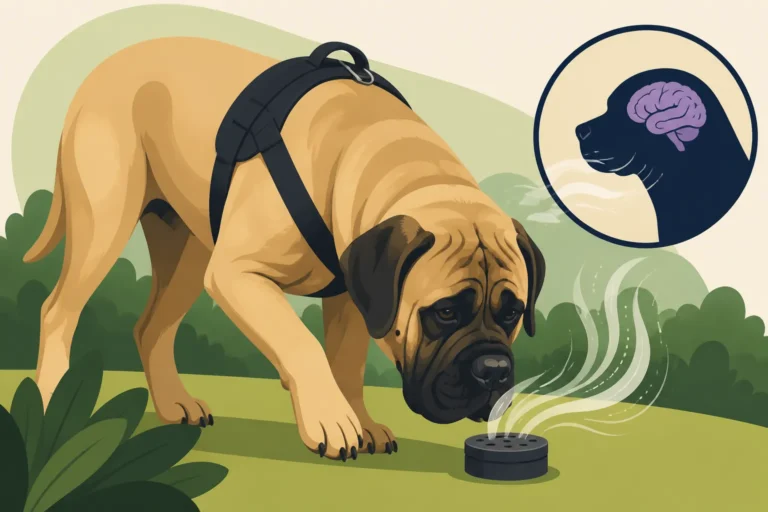
Activities like Scent Work as a Mastiff's Low Impact Sport can provide mental stimulation and an outlet for their natural instincts without putting stress on their joints. Their calm and gentle nature also makes them excellent candidates for therapy work. The Mastiff as a Therapy Dog highlights how their imposing yet comforting presence can bring immense joy and solace to those in hospitals, nursing homes, or schools. While they might not be flying through agility tunnels or biting decoys, a well-trained, well-socialized Mastiff can be an invaluable, loving member of a family, bringing a profound sense of security and companionship that is, in its own way, a form of protection.
Disclaimer
This article is for general informational purposes only and does not constitute professional advice. Laws, prices and regulations vary by location and change over time. Consult a qualified professional for guidance on your specific situation.