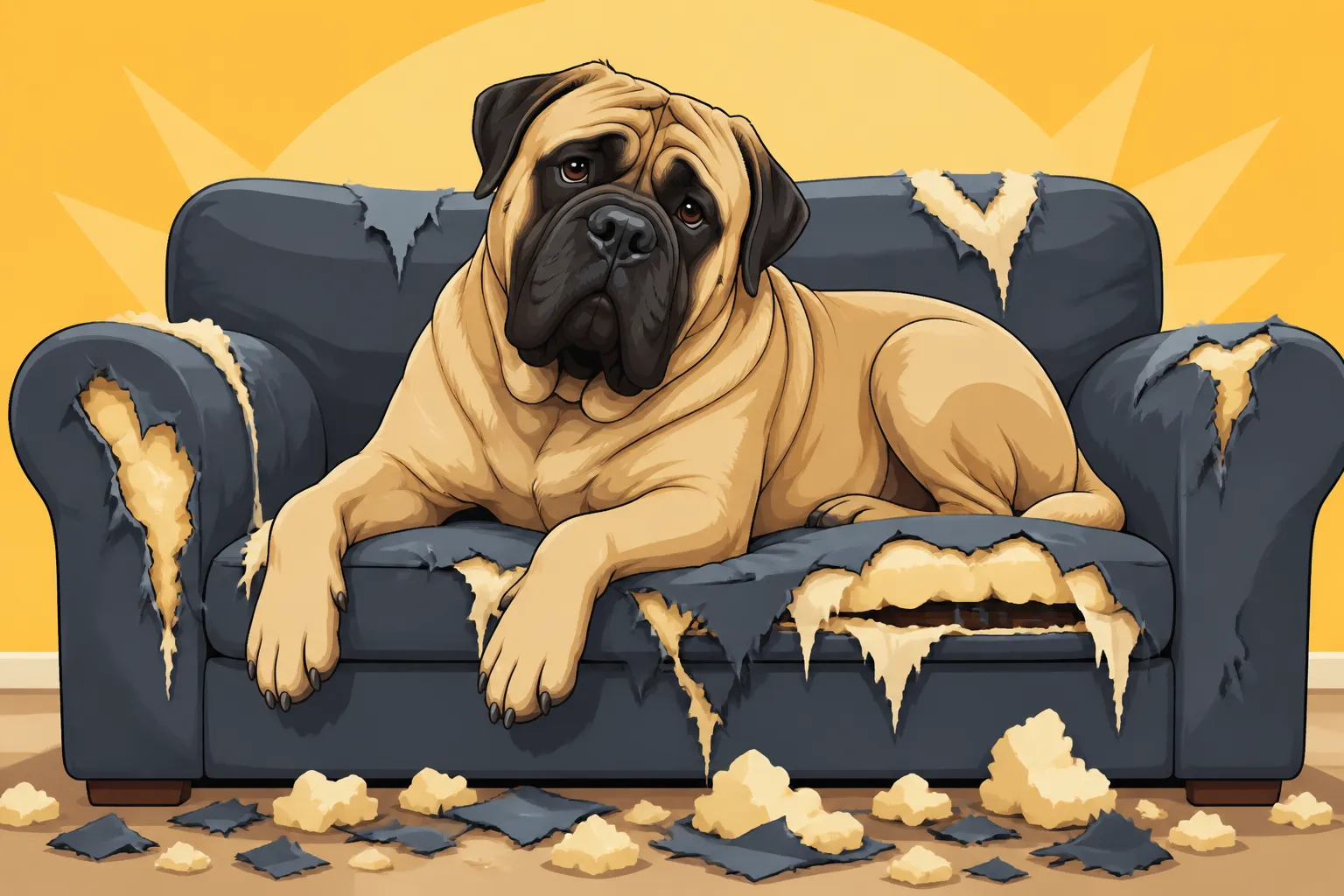
What a Mastiff Does to a Sofa
The sofa in a Mastiff home isn't just a piece of furniture; it's often the central battleground for comfort, space, and a whole lot of slobber. If you've ever wrestled for cushion space, wondered how your once-fluffy couch became a flat pancake, or found inexplicable wet spots, you know the unique challenges that come with inviting a two-hundred-pound love bug onto your prized upholstery. This guide will walk you through exactly what happens when a Mastiff meets a sofa, offer practical advice for managing the wear and tear, and help you decide how to best navigate this giant-breed reality in your own home.
The Irresistible Pull of the Sofa: Why Mastiffs Love Them
Let's be honest, who can blame them? A soft, squishy sofa, ideally right next to their favorite humans, is pretty much a Mastiff's paradise. It's not just about luxury; there are deep-seated reasons why your giant companion is drawn to that comfy spot.
Comfort and Cuddles on a Grand Scale
Mastiffs are, by nature, lovers of comfort. Their massive bodies, while impressively muscular, are also prone to pressure points when lying on hard surfaces. Imagine carrying that much weight around all day – when it's time to rest, every Mastiff seeks out the softest, most supportive spot available. Your sofa, with its plush cushions and yielding structure, is a five-star hotel for their substantial frame. It's far more appealing than a cold, hard floor, especially for an older dog whose joints might be feeling the years. This isn't just a preference; it's almost a biological imperative for them to find relief for their immense bulk.
Beyond physical comfort, there's the emotional draw. Mastiffs are incredibly devoted companions, often referred to as "gentle giants" for their calm and affectionate disposition. They thrive on being close to their family, and for many of us, the sofa is where the family congregates. Whether it's movie night, reading a book, or just scrolling through our phones, that living room sofa becomes the heart of the home. Your Mastiff simply wants to be a part of that, to feel the warmth and presence of their beloved humans. They aren't trying to usurp your spot; they're trying to join the pack, to feel utterly integrated into your daily life. It’s a classic Mastiff move to stretch out, take a deep sigh of contentment, and slowly, imperceptibly, expand to fill three cushions as if they were born to grace such a space.
The Pack Mentality and Prime Real Estate
From a dog's perspective, the sofa often represents prime real estate within the home. It’s usually positioned in a central area, giving them a vantage point to observe household activities. In a pack dynamic, higher or more central resting spots are often preferred. For a Mastiff, being on the sofa allows them to feel more connected to their human "pack" members, occupying the same level and often the same physical space. It's a statement of belonging, a declaration that they are not just a pet, but a full-fledged member of the family unit.
This isn't always about dominance, though it can sometimes feel like it when they refuse to move! It's more about integration and security. If you consider that a Mastiff's ancestors were often guardians, observing their environment from a comfortable, strategic position makes perfect sense. They want to be aware of who's coming and going, who's interacting with whom, and generally keep a watchful (if sleepy) eye on their domain. The sofa provides this elevated, central hub. The process of a Mastiff claiming the sofa often starts subtly. Perhaps a paw tentatively placed on a cushion, followed by a chin rest, and before you know it, their entire magnificent body is sprawled out, leaving you just a tiny corner to perch on. It’s a slow, deliberate takeover born of their desire to be near you and in a good position to monitor things. You might even find your Mastiff blocking doorways, not out of malice, but because they have positioned themselves on the sofa to monitor traffic and provide security to the family.
The Physical Impact: Wear and Tear and Accidental Damage
Let's face it, a Mastiff on a sofa isn't just a gentle giant taking a nap; it's a force of nature. Their sheer size, weight, and general dogginess can take a serious toll on even the most robust furniture. This isn't about malicious destruction; it's about the inevitable physics of a very large dog interacting with something much smaller than itself.
Compression, Sagging, and Structural Strain
The most immediate and obvious impact of a Mastiff regularly gracing your sofa is the sheer physical weight. A typical adult Mastiff can weigh anywhere from 150 to over 200 pounds, and sometimes even more. When this kind of weight settles onto a cushion, day in and day out, gravity takes its toll. Cushions that were once plump and firm quickly become compressed, losing their loft and shape. Foam interiors break down, batting flattens, and springs can stretch, bend, or even completely collapse. I’ve seen sofas that, after a year with a Mastiff, looked like they were a decade old, with permanent indentations perfectly molded to the dog’s favorite sleeping positions.
The problem isn't just aesthetic; it's structural. Sofa frames, especially those made with softer woods or particleboard, simply aren't designed to withstand the repeated stress of a Mastiff jumping on and off, or even just shifting their immense weight. Over time, joints can weaken, legs can splay, and the entire integrity of the furniture can be compromised. What started as a beautiful, new sofa can rapidly transform into a lopsided, saggy caricature of its former self, becoming more a bed for your Mastiff than comfortable seating for humans. For Mastiffs, especially those dealing with joint issues like hip or elbow dysplasia, consistent use of a sagging sofa can also contribute to discomfort, as it doesn't offer the firm, even support their heavy bodies need. This is why many owners eventually invest in What an Orthopedic Bed for a Mastiff Costs for their beloved giants.
Drool, Dirt, and Debris
Ah, the drool. It’s an unavoidable, often endearing, but undeniably messy part of living with a Mastiff. Their signature jowls, while giving them that wonderfully dignified look, are also exceptionally good at collecting water, food particles, and, well, drool. After a drink, a shake of the head can send a misty shower across the room, landing indiscriminately on walls, floors, and, yes, your sofa. Over time, these wet spots dry, leaving behind a subtle (or not-so-subtle) residue that can stain fabrics and contribute to a distinct "doggy odor." Regular cleaning becomes less an option and more a full-time commitment. Managing a Mastiff's Jowls After It Drinks is a skill every Mastiff owner quickly develops.
Beyond the drool, there's the general dirt and debris that a giant breed naturally tracks in. Even the cleanest Mastiff will bring in dust, pollen, loose fur, and microscopic bits of the outdoors on their paws and coat. When they settle onto the sofa, all of this gets transferred. Their short, dense coats do shed, and that hair embeds itself deep into fabric fibers, becoming a challenge for even the most powerful vacuum cleaner. The accumulation of dirt, hair, and drool not only makes the sofa look less appealing but can also create an environment for bacteria and odors to flourish. It really does make you appreciate the need for things like What Drool Cleanup Costs a Mastiff Owner.
The Accidental Knock-Over
While Mastiffs are known for their calm and careful demeanor, their immense size also means they can be surprisingly clumsy without intending to be. A sudden stretch, a happy tail wag, or just the powerful momentum of their body getting up or lying down can send nearby items flying. This is the "bull in a china shop" effect, albeit a very gentle bull. A coffee table strategically placed beside the sofa suddenly becomes a hazard when a Mastiff decides to shift position or enthusiastically greet a returning family member.
Think about it: a Mastiff's tail alone can be a powerful force, capable of clearing low-lying tables with a single, joyful sweep. Their broad chest and heavy frame mean that merely bumping into a lightweight end table can send a lamp or a carefully placed vase crashing to the floor. Breakables, drinks, and anything precarious on a surface near the sofa are at risk. It’s not aggression or naughtiness; it's simply the physics of a large animal moving through a domestic space. Owners quickly learn to secure or remove anything valuable or breakable from the immediate vicinity of their Mastiff's favorite resting spots. It's a classic scenario where your dog isn't trying to be destructive, but the sheer force of its presence means that delicate items simply cannot coexist safely. You might even find How High a Mastiff Can Reach on a Counter is higher than you'd expect, adding another layer to accidental damage.
Mitigating the "Sofa Effect": Strategies for Coexistence
So, your Mastiff loves the sofa, and the sofa is showing it. What’s a Mastiff owner to do? You're not alone in this struggle. The good news is there are plenty of strategies you can employ to minimize the impact and create a harmonious living space for both you and your giant companion.
Fortifying Your Furniture: Covers and Protectors
One of the most effective ways to protect your sofa is to create a barrier between your Mastiff and the upholstery. This means investing in high-quality, durable, and most importantly, washable covers and protectors. Think heavy-duty slipcovers made from tough fabrics like duck canvas or microfiber. These can be easily removed and thrown into the washing machine, dealing with drool, dirt, and shedding hair. Look for options with elasticized bottoms or ties to help them stay in place against the might of a shifting Mastiff. Many Mastiff owners swear by specific brands found on Amazon that are designed for pets, featuring waterproofing or extra-thick material.
Beyond full slipcovers, consider using large, sturdy throws or blankets to create a designated "Mastiff zone" on the sofa. These can be layered, offering an extra line of defense against moisture and grime. Opt for materials that repel hair or are easy to vacuum. For an added layer of protection, especially against drool, waterproof furniture covers or liners can be a lifesaver. These often go underneath a decorative throw and are invaluable for preventing stains from soaking through to the actual cushions. Regularly washing these covers is key to managing odors and keeping your living area fresh. It’s about creating an easily maintainable shield, accepting that your Mastiff will be on the sofa, and preparing for it.
Dedicated Dog Beds and Training Alternatives
While the sofa might be appealing, providing an equally (or even more) comfortable alternative can be a game-changer. This means investing in a high-quality, orthopedic dog bed specifically designed for giant breeds. Mastiffs need ample support for their joints and bones, so look for beds with dense memory foam or sturdy polyfill that won't flatten out under their weight. How Thick a Bed a Mastiff Needs is crucial for their long-term health, as a thin bed offers little more support than the floor. Placing these beds in prime locations, like in the living room near the sofa, makes them more attractive.
Once you have a suitable bed, the next step is training. Use positive reinforcement to encourage your Mastiff to use their own bed. This can involve rewarding them with treats and praise whenever they settle there, making their bed a highly desirable spot. You can even teach a "place" command, instructing them to go to and stay on their bed. Resources like BAXTER & Bella offer excellent online training programs that can guide you through these steps, providing structured lessons on obedience and boundary setting that are tailored for puppies and adult dogs alike. Consistency is vital; every time they choose their bed over the sofa, celebrate it! Over time, their own comfortable space can become just as appealing, if not more so, than the family sofa, helping you reduce the wear and tear on your furniture. For many Mastiff owners, a comfortable, designated dog bed is one of the most important elements of What a Mastiff Needs Every Day.
Managing Access and Setting Boundaries
Sometimes, the most direct approach is necessary: teaching your Mastiff that the sofa isn't always for them. This requires clear boundaries and consistent training from day one, ideally when they are still a manageable Teaching a Mastiff Before It Outweighs You. The "off" command is essential here. When your Mastiff attempts to jump on the sofa, gently redirect them to their own bed or a designated spot on the floor, rewarding them heavily when they comply. You might need to physically block access with a gate during initial training phases or when you can't actively supervise.
Consistency is absolutely paramount, especially with a breed as intelligent and deliberate as the Mastiff. Every family member needs to be on board with the rules. If one person allows sofa access and another doesn't, your Mastiff will quickly become confused and likely choose the path of least resistance (the sofa!). It’s also important to understand that Mastiffs can be famously stubborn; they might "think" about obeying a command for a moment before deciding. This isn’t defiance, but often just The Stubbornness That Is Actually a Mastiff Thinking. Patience and repetition will pay off. For instance, if you are leaving the house and don't want your Mastiff on the sofa, ensure they are settled on their own bed with a chew toy before you go. This clear communication helps them understand expectations, even when you're not there.
| Aspect | Pros of Mastiff on Sofa | Cons of Mastiff on Sofa |
|---|---|---|
| Comfort | Provides ultimate comfort for heavy joints. | Causes sofa cushions to flatten and sag quickly. |
| Bonding | Strengthens bond, allows close physical proximity. | Can lead to feeling overwhelmed by their size and space. |
| Security | Allows them to feel integrated into the family pack. | Increases wear and tear from drool, dirt, and hair. |
| Convenience | Easy resting spot, no extra dog bed needed (initially). | Sofa damage leads to costly repairs or replacement. |
| Observation | Allows prime vantage point for watching the household. | Potential for accidental damage to nearby items (tail wags). |
Choosing Your Battles: Acceptance vs. Strict Rules
At the end of the day, living with a Mastiff often means a certain level of acceptance regarding their impact on your home. You have to decide what’s most important to you: a pristine sofa or a fully integrated, happy giant snoozing beside you. There's no right or wrong answer, but finding that balance is key to a peaceful household.
The Reality of Living with a Giant Breed
Let’s be real: completely banning a Mastiff from all soft furnishings can feel like an uphill battle, and for some dogs, it can even cause undue stress or a feeling of exclusion. These dogs thrive on companionship and physical closeness. Forcing them always onto a hard floor when the rest of the family is nestled on cushions can feel unfair to them. Many Mastiff owners find that after a certain point, it's simpler and more beneficial for the dog's well-being to compromise. It becomes a trade-off: a perfectly pristine sofa for the joy of a truly contented Mastiff whose affection you can feel tangibly as they lean Whether a Mastiff Sits on People.
The reality is that a Mastiff will likely impact your home in many ways, from the space they occupy to the amount of food they consume. The sofa is just one element. Accepting that your furniture might not look showroom-perfect is part of the package when you bring one of these magnificent creatures into your life. Instead of fighting a constant battle, many owners redirect their energy towards managing the impact rather than preventing it entirely. This might mean having a special blanket that is always on the sofa for them, or simply embracing the fact that this piece of furniture has become primarily the Mastiff's domain, used by humans only when there's an available sliver of space. The deep bonds we form with these dogs often make the minor inconveniences fade into the background.
Investing in Durable Furniture
If you know, deep down, that your Mastiff is going to be a sofa-dweller, then a proactive approach is to invest in furniture that can actually stand up to the challenge. Forget delicate fabrics and flimsy frames. You need robust construction, heavy-duty upholstery, and a design that can withstand hundreds of pounds of canine love and occasional clumsiness. Look for sofas with solid hardwood frames, reinforced joints, and high-density foam cushions that offer superior resilience against compression.
When it comes to fabric, opt for materials that are known for their durability and ease of cleaning. Microfiber, performance fabrics, or even certain leathers (though leather can scratch) can be much more forgiving than delicate weaves. These materials often repel hair, resist stains, and can be wiped down or spot-cleaned more easily. While these options might come with a higher upfront cost, consider it a long-term investment. Buying cheaper, less durable sofas that you'll have to replace every few years will likely cost you more in the long run than purchasing one well-made piece that can handle the Mastiff lifestyle. It’s important to think about What a Mastiff Costs in Replaced Furniture over its lifetime. Some manufacturers even offer pet-friendly furniture lines specifically designed to endure the rigors of large animals, often with stronger stitching and more resilient fillings.
Disclaimer
This article is for general informational purposes only and does not constitute professional advice. Laws, prices and regulations vary by location and change over time. Consult a qualified professional for guidance on your specific situation.