Whether a Mastiff Warms to a Visitor
It's a common dream: you picture your enormous, gentle Mastiff greeting every guest with a happy tail wag and a friendly sniff, embodying the "gentle giant" stereotype. The reality, however, can often be a bit more nuanced and, frankly, frustrating for many Mastiff owners. These magnificent dogs are not always instant friends with every newcomer, and their sheer size means even a slight apprehension can feel like a huge problem. This guide will help you understand your Mastiff's natural tendencies towards visitors and provide actionable strategies to foster polite, safe interactions.
Understanding the Mastiff's Natural Disposition Towards Strangers
The Mastiff, with its imposing size and calm demeanor, often gives the impression of being perpetually laid-back, even with people they don't know. However, their history and inherent breed traits tell a slightly different story, one that emphasizes a discerning and often reserved approach to strangers. It's crucial for owners to understand this foundation before expecting their Mastiff to become the life of every party.
Innate Guardianship and Stranger Wariness
At their core, Mastiffs were historically bred to be guardians. They were the protectors of estates, livestock, and families, tasked with deterring threats not necessarily through aggression, but often simply by their formidable presence. This deep-seated instinct means they are acutely aware of their surroundings and naturally vigilant. When a new person enters their space, it triggers this ancient programming. They aren't usually overtly aggressive in typical situations, but they are observing, assessing, and often deciding whether this new individual is a friend or a potential concern. This isn't rudeness; it's simply a Mastiff doing what comes naturally. They aren't a breed that tends to greet everyone with effusive joy; rather, they prefer to take their time and evaluate. It's a quiet intelligence at work, making judgments based on body language, tone of voice, and how you react to the visitor.
For many owners, this can be puzzling. We see our Mastiffs as loving, goofy giants, and it's hard to reconcile that with a dog that stands rigid and stares down a new delivery driver. But imagine a 200-pound dog assessing someone – they need to be sure. This innate wariness is part of their charm and their effectiveness as guardians, but it requires mindful management in a modern household setting. They're not going to be like a Labrador who thinks everyone is there to throw a ball. Expecting them to be instantly friendly is often setting both them and your visitors up for discomfort. You might notice this cautious behavior is quite different from other breeds. You can read more about how they approach new faces in How a Mastiff Judges a Stranger at the Door.
Sensitivity and Slow Acceptance
Despite their powerful build, Mastiffs are remarkably sensitive creatures. They absorb the energy around them, and harsh corrections or forced interactions can deeply upset them, causing them to retreat emotionally or even become more anxious. When it comes to accepting new people, this sensitivity means they need time and patience. They won't typically jump into a stranger's lap for cuddles after a five-minute introduction. Instead, they require a gradual build-up of trust. A Mastiff might observe a visitor from a distance for a long time, slowly closing the gap, perhaps offering a tentative sniff, and only then, if everything feels right, will they lean into a gentle pet. This slow acceptance is a testament to their loyalty; once they decide someone is "safe," they remember it. This isn't to say they won't eventually love a close family friend, but it's a process, not an event.
Think of it like this: a Mastiff's trust is earned, not freely given. Rushing them can backfire, leading to a Mastiff that is more withdrawn or, worse, more reactive out of discomfort. Their large size means that any expression of anxiety or fear can be misinterpreted or even intimidating to guests. A low growl from a smaller dog might be ignored, but from a Mastiff, it's a clear signal that demands respect and a change in approach. Understanding this The Sensitivity Nobody Expects in a Two Hundred Pound Mastiff is key to fostering positive interactions. You can't simply force a Mastiff into a situation they don't like and expect them to comply without psychological consequence.
Reading Their Cues
A Mastiff communicates volumes through subtle body language, and learning to read these cues is essential for managing visitor interactions. A Mastiff that is warming up might relax their posture, offer a soft gaze, give a slow tail wag (a full-body wag is rare for them), or even lean gently against the person. They might solicit attention with a nudge of their massive head or a paw on the knee. These are all positive signs.
Conversely, signs of discomfort or apprehension include stiff body posture, a hard stare, ears pulled back, lip licking, yawning (when not tired), turning their head away, or retreating. A low rumble or a direct stare with a closed mouth is a more serious warning. It's crucial to intervene before these subtle signs escalate. If your Mastiff is displaying any signs of discomfort, it's your job to create space and advocate for them. Asking a guest to back off, avoid direct eye contact, or stop reaching for the dog can prevent a negative experience. Ignoring these signals can erode your Mastiff's trust in you and potentially lead to more serious issues down the line. Remember, their "stubbornness" is often The Stubbornness That Is Actually a Mastiff Thinking, and they are communicating.
Practical Strategies for Positive Visitor Introductions
Since Mastiffs are naturally reserved, thoughtful planning and consistent training are vital for ensuring positive interactions with visitors. You want your Mastiff to be a calm, confident host, not an anxious gatekeeper. These strategies focus on proactive management and building good habits from a young age.
Early Socialization is Key
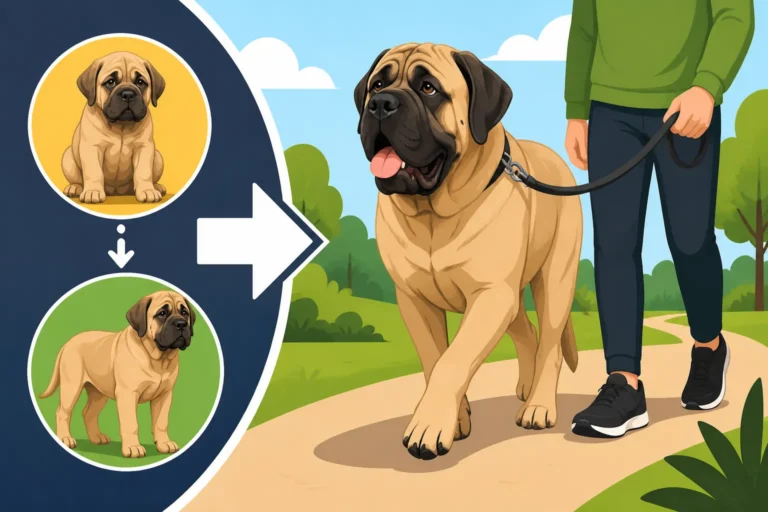
The foundation for a well-adjusted Mastiff lies in early, positive socialization. While a Mastiff puppy is tiny and adorable, it’s critical to introduce them to a wide variety of people, sounds, sights, and experiences before they become too large to manage easily. This doesn't mean overwhelming them, but rather controlled and positive exposures. Take your puppy to safe, quiet public places (once fully vaccinated), invite calm, dog-savvy friends over, and ensure every new interaction is paired with high-value treats and praise. The goal is for the puppy to associate new people with good things, building a positive emotional response rather than fear or suspicion.
Consider enrolling in a well-regarded online puppy training program like BAXTER & Bella, which can guide you through these crucial early socialization steps. They often provide structured plans that help desensitize puppies to various stimuli in a positive, reward-based manner. Remember, Socializing a Mastiff Puppy Before It Gets Heavy is a small window, and the experiences you provide during this time will shape their adult temperament. Failing to properly socialize your Mastiff puppy can lead to an adult dog that is overly fearful, reactive, or aggressive towards strangers, which, given their size, is a serious concern.
Controlled Introductions
When a visitor arrives, especially someone your Mastiff hasn't met before, a controlled introduction is paramount. Simply opening the door and letting the dog greet them without guidance can be a recipe for disaster. Here’s a step-by-step approach:
- Prep Your Dog: Before the guest arrives, take your Mastiff for a quick potty break. Make sure they're not overly excited or bursting with energy.
- Manage the Initial Greeting: Have your Mastiff on a leash, preferably with a trusted family member holding it, or behind a secure gate in another room. This gives you control and prevents your dog from rushing the guest. If using a gate, make sure it’s a sturdy, extra-tall model, easily found on Amazon, that can withstand a determined Mastiff lean.
- Calm Entry: Instruct your guest to ignore the dog completely at first. No eye contact, no reaching out. This reduces pressure on the Mastiff, allowing them to observe without feeling threatened.
- Gradual Approach: Once your guest is settled (e.g., sitting on the couch), you can slowly introduce your Mastiff. Keep the leash loose. Have your guest toss high-value treats towards the dog, but not directly at them, creating a positive association from a safe distance.
- Observe and Allow: Let your Mastiff approach the guest on their terms. If they show interest, and the guest is still ignoring them (or offering a side-glance, no direct stare), a gentle, slow pat on the chest or shoulder can be offered if the dog approaches. Avoid head pats initially.
- Break if Needed: If your Mastiff shows any signs of discomfort, calmly remove them from the situation (e.g., behind a gate) for a few minutes before trying again or simply letting them decompress.
Consistency is key here. Every visitor interaction, even with people your Mastiff knows, should reinforce calm, polite behavior.
Managing the Environment
The environment plays a huge role in how your Mastiff reacts to visitors. Think about creating a calm, safe, and structured space for interactions.
- Designated "Safe Space": Ensure your Mastiff has a comfortable crate or bed in a quiet area where they can retreat if they feel overwhelmed. This should be a positive space, not a punishment area. You can find robust orthopedic beds, often capable of supporting a Mastiff's substantial weight, on Amazon.
- Gates and Barriers: Utilize sturdy baby gates (again, extra-tall ones are a must for Mastiffs) to create physical boundaries. This allows your Mastiff to observe visitors from a safe distance without direct interaction, gradually getting used to their presence and smells. This is especially useful for high-traffic entryways or when guests are initially arriving.
- Leash Control Indoors: For dogs still learning or with a history of reactivity, keeping them on a leash indoors when guests are present provides an extra layer of control. You can gently guide them away from inappropriate behaviors or create space if they become overstimulated.
- Anticipate Triggers: Does your Mastiff bark excessively at the doorbell? Work on "quiet" commands or desensitize them to the sound. Are they territorial around specific objects? Remove those items before guests arrive. Being proactive about known triggers can prevent issues before they start. Remember, Whether a Mastiff Guards Without Being Taught is a real consideration, and you need to channel that instinct appropriately.
Interpreting Your Mastiff's "Warming Up" Signals and When to Seek Help
It's vital to have realistic expectations for your Mastiff's interactions with visitors. Not every dog will be a social butterfly, and that's perfectly okay. Understanding what "warming up" truly means for a Mastiff, and knowing when to ask for professional guidance, is crucial for their well-being and the safety of your guests.
Realistic Expectations
For a Mastiff, "warming up" often means peaceful coexistence and polite acceptance, rather than boisterous greetings and demanding attention. They might never be the dog that showers every new person with slobbery kisses and tail wags. More likely, a "warmed-up" Mastiff will calmly acknowledge a visitor, maybe offer a relaxed sniff, accept a gentle pet if offered correctly, and then settle down on their bed to observe. This calm, confident indifference or polite acceptance is a huge victory for many Mastiff owners.
The expectation that a Mastiff should be outwardly friendly to everyone can be unfair and put undue stress on your dog. Their guardian heritage often means a level of reservation is hardwired. If your Mastiff is calm, quiet, and doesn't display any aggressive or anxious behaviors around visitors, celebrate that success! It means they trust you to manage the situation and feel secure in their home. Trying to push them beyond this comfort zone into forced interactions can actually set back your training and damage their confidence. Sometimes, the best outcome is for your Mastiff to simply ignore your guests, and that's a perfectly acceptable and safe interaction. This approach also extends to overnight stays. You might wonder Whether a Mastiff Accepts a Houseguest Staying Over, and the answer often depends on these realistic expectations and careful management.
The Role of Routine Visitors
Your Mastiff will typically warm up much more quickly and deeply to people who are regular fixtures in their life. This includes close family members, frequent friends, or even a regular dog walker. With these individuals, you might see more overt signs of affection: a happy grumble, a lean, a request for pets, or even following them around the house. This is because consistency builds trust for a Mastiff. Each positive, repeated interaction reinforces the idea that this person is part of their "pack" or at least a welcome presence in their territory.
For these routine visitors, encourage them to engage in quiet, positive interactions with your Mastiff. They can offer treats, engage in calm petting, or simply spend time in the same room. Over time, your Mastiff will learn to anticipate their arrival with positive associations. However, even with familiar faces, always ensure that your Mastiff respects boundaries and doesn't become overly pushy or demanding. Reinforce good manners, even with their favorite people.
Addressing Challenging Behavior
There will be times when a Mastiff's natural wariness crosses the line into genuinely challenging or concerning behavior. This might include excessive barking, growling, lunging, snapping, or severe anxiety (trembling, hiding, urinating). If your Mastiff exhibits these behaviors consistently with visitors, it's a clear signal that they are struggling, and you need professional help. This is not a situation to ignore or try to "power through" on your own, especially with a dog of this size.
Here's when to act and what to consider:
- Consistent Reactivity: If nearly every new visitor triggers a strong, negative reaction.
- Escalation of Behavior: If their initial apprehension is growing worse, or if they are moving from subtle warnings to overt aggression.
- Fear-Based Aggression: If your Mastiff appears genuinely terrified of people and reacts defensively.
- Safety Concerns: If you genuinely worry about a guest getting hurt.
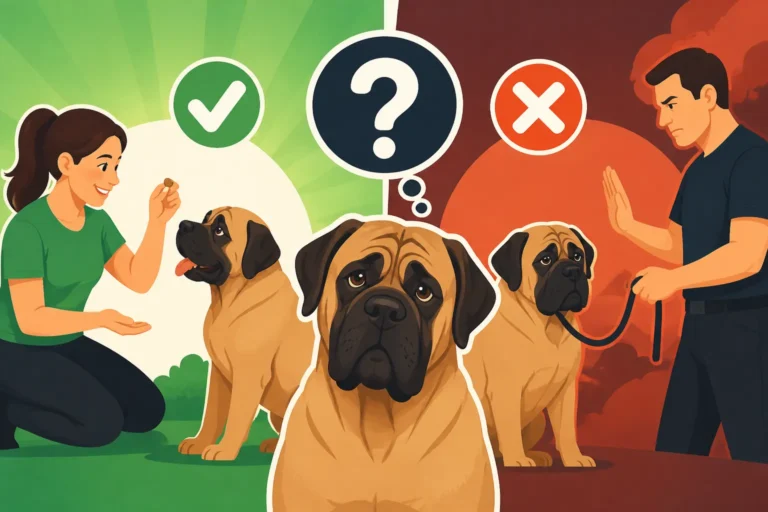
In these situations, the best course of action is to consult with a certified professional dog trainer or a veterinary behaviorist who has experience with giant breeds. They can assess your Mastiff's individual temperament, identify triggers, and develop a tailored behavior modification plan. This might involve counter-conditioning, desensitization, medication, or a combination of approaches. Avoid trainers who advocate for harsh or punitive methods, as these can severely damage a sensitive Mastiff's psyche and make the problem worse. Instead, look for positive reinforcement specialists. It's often necessary to consider Whether a Mastiff Needs a Professional Trainer for these complex issues.
A table outlining different visitor scenarios and appropriate Mastiff reactions can be helpful:
| Visitor Type | Expected Mastiff Reaction (Ideal) | Potential Challenging Reaction (Needs Management) | Management Strategy |
|---|---|---|---|
| Close Family/Frequent Friends | Happy acknowledgment, lean, relaxed body language | Overly boisterous jumping, demanding attention | Reinforce "off," "place" commands, controlled greetings |
| New, Calm Visitor | Calm observation, eventual relaxed sniff, polite acceptance | Persistent staring, low growl, barking, avoidance/hiding | Leash control, gate separation, high-value treats from guest |
| Energetic/Loud Visitor | Retreats, cautious observation, slight tension | Barking, lunging, fear-based growling | Immediate gate/crate, direct visitor to ignore dog, quiet zone |
| Delivery Person/Short Interaction | Alert but quiet observation, calm dismissal | Barking, rushing door, high alert | Keep dog behind secure door/gate, reward quiet behavior |
Remember, your Mastiff relies on you to be their advocate and guide. With patience, consistent positive training, and a clear understanding of their unique personality, you can help them navigate visitor interactions with confidence and grace.
Disclaimer
This article is for general informational purposes only and does not constitute professional advice. Laws, prices and regulations vary by location and change over time. Consult a qualified professional for guidance on your specific situation.