Whether a Mastiff Guards Without Being Taught
It's a question I hear so often from new Mastiff families, or even those just considering bringing one of these magnificent giants into their lives: "Do I need to teach my Mastiff to guard, or do they just… do it?" It's a valid concern because, let's be honest, you're bringing a formidable presence into your home, and you want to understand what makes them tick without inadvertently creating a problem. This guide will dive deep into the Mastiff's inherent protective nature, what "guarding" actually looks like for this breed, and how you can nurture their natural instincts responsibly without ever resorting to harsh or aggressive training.
Understanding the Mastiff's Instinctive Nature
When we talk about Mastiffs, we're discussing a breed steeped in history, a lineage that traces back centuries to ancient war dogs and estate guardians. But here's the crucial distinction: they weren't typically bred to be aggressive attack dogs. Instead, their role was more about deterrence, presence, and watchful guardianship. Their very size and formidable appearance did, and still do, a lot of the "work" for them.
Historically, Mastiffs were the silent sentinels, standing watch over estates, livestock, and families. They were valued for their imposing stature and their inherent discernment—they knew who belonged and who didn't. This isn't a trait that needs to be "trained" into them with specific commands or negative reinforcement; it's woven into their genetic fabric. Think of it less as a learned skill and more as an intrinsic part of who they are. They have a deep-seated instinct to protect their perceived territory and their family. It's not about aggression for aggression's sake; it's about a deep, quiet loyalty. This is why many refer to them as deterrents rather than attack dogs. Whether a Mastiff Is a Guard Dog or a Deterrent They often accomplish their guarding simply by existing.
Their temperament is a fascinating blend of gentleness and unwavering resolve. While they are famously known as "gentle giants" within their family circle, displaying immense patience and affection, this doesn't diminish their protective drive. In fact, it's often because of this deep bond with their family that their guarding instinct activates. They possess a natural wariness of strangers, not outright hostility, but a cautious observation that signals their readiness to act if necessary. This innate characteristic means they often will guard without explicit instruction, reacting to situations based on their instinctual assessment of a threat. It’s important to recognize that this behavior stems from their desire to keep their loved ones safe, not from malice or a desire to pick a fight.
How "Guarding" Manifests in a Mastiff
So, if a Mastiff guards naturally, what does that actually look like in a home environment? It’s probably not what you see in movies, with snarling, aggressive lunges. A Mastiff's guarding behavior is typically far more subtle, dignified, and rooted in their massive physical presence. They are masters of the "silent watch," often observing situations with an intense stillness that speaks volumes.
The Silent Vigilance of a Watchdog
One of the most common ways a Mastiff "guards" is through sheer observation. You might notice your Mastiff suddenly become still, ears perked, head slightly cocked, watching something outside the window or listening intently to a sound you hadn't even registered. They might move to a vantage point, such as a doorway or an entryway, to keep an eye on activity. This isn't a random act; it's an assessment. They are taking in information, deciding if the situation warrants a response. Their body language might be stiff, their tail held low or still, communicating a subtle readiness. They might not make a sound, but their presence alone is a clear signal to any perceived intruder that they are aware and vigilant. This silent, imposing figure is often more intimidating than a yappy, frantic barker.
The Art of Blocking and Positioning
Mastiffs are renowned for their tendency to plant themselves between you and anything they perceive as a potential threat or even just an unknown. This could be an unfamiliar delivery person, a new guest, or even just something unsettling outside the window. They aren't necessarily growling or barking; they are simply there, a massive, immovable furry wall. This "blocking" behavior is a classic Mastiff trait. Why a Mastiff Blocks Doorways Instead of Guarding Them They might lean against you slightly, positioning their body to create a physical barrier. This isn't rudeness; it's their way of saying, "I've got this, and you're safe behind me." This instinct to physically interpose themselves is a powerful, non-aggressive form of guardianship that comes naturally to many Mastiffs. It speaks to their profound sense of protection and their physical capability to back it up.
Reserved Vocalization
Unlike some breeds that bark at every leaf blowing by, a Mastiff's bark is typically reserved for genuine alerts. When a Mastiff barks, it's usually for a reason, and it's a sound that commands attention. How Rarely a Mastiff Barks Their bark is deep, resonant, and can carry significant weight, often enough to deter unwanted visitors simply by its sheer volume and gravitas. You might hear one profound "woof" rather than a prolonged barking fit. This selective vocalization actually makes their alerts more impactful; you know that if your Mastiff is barking, it's something worth investigating. They aren't prone to nuisance barking, but when they do choose to make noise, it's typically a serious communication that their perceived territory or family is in question. They are very adept at judging who truly belongs and who might be a cause for concern. How a Mastiff Judges a Stranger at the Door
Managing and Directing Natural Guarding Instincts
Since Mastiffs come pre-programmed with guarding instincts, the goal isn't to create a guard dog, but rather to manage and direct these powerful natural traits so they are appropriate and safe within your home and community. It's about channeling their inner protector, not suppressing it entirely or, worse, encouraging aggression.
Early and Ongoing Socialization
This is absolutely paramount for a Mastiff. From the moment you bring your Mastiff puppy home, you need to expose them to a wide variety of sights, sounds, people, and places. This means well-supervised interactions with friendly strangers, other dogs, and different environments. The key is to make these experiences positive and neutral. You want your Mastiff to understand that most new things are not threats. If a delivery person comes to the door, for example, your goal is for your Mastiff to observe them calmly, not to perceive them as an intruder. Take your puppy to safe, public places where they can simply observe the world without being overwhelmed. Socializing a Mastiff Puppy Before It Gets Heavy The more positive experiences they have in their formative months and years, the more balanced and confident their guarding instincts will become.
Establishing Consistent Boundaries
While their instinct to guard is strong, you, as their owner, need to be the ultimate decision-maker about when and how that instinct is expressed. This means teaching crucial foundational commands like "sit," "stay," "leave it," and especially "place" or "settle." When guests arrive, you might direct your Mastiff to their "place" – a designated bed or mat. This gives them a job and a clear expectation, allowing them to observe without feeling the need to intervene. Consistency is key here. Everyone in the household needs to reinforce these boundaries. If your Mastiff understands that you are in charge of assessing threats, they can relax a bit and let you take the lead. Investing in a sturdy, comfortable bed (you can find many great options on Amazon) as their "place" can make a big difference in their willingness to settle there.
Reinforcing Calm, Desired Behaviors
Positive reinforcement is your best friend when working with a Mastiff's guarding instincts. When your Mastiff calmly observes a stranger without excessive barking or blocking, reward that calm behavior. Praise them, offer a treat, or give them a gentle pet. You want to teach them that a measured response is what you appreciate, not an overreaction. Never punish fear or caution; instead, redirect and reward bravery and calm. For instance, if your Mastiff is unsure about a new person, don't force an interaction. Instead, let them observe from a distance, and if they choose to approach calmly, reward that choice. You're shaping their natural instincts into appropriate responses. It's a delicate balance because you don't want to encourage a situation where your Mastiff thinks it's their job to actually confront someone, as this can lead to dangerous situations. Whether a Mastiff Would Actually Bite
Utilizing Appropriate Tools
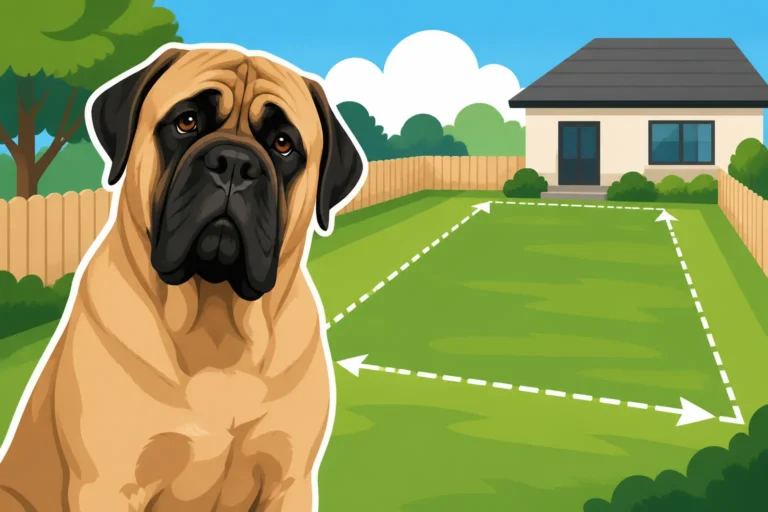
For a dog of this size and strength, having the right tools is essential for safety and management. A well-fitted, comfortable harness (rather than just a collar) can give you better control on walks. Secure fencing around your property is non-negotiable to prevent your Mastiff from "guarding" outside of your immediate control. For indoor management, especially when guests are over, a heavy-duty crate can provide a safe, secure space for your Mastiff to retreat to if they feel overwhelmed or if you need to manage their access. Many reliable brands are available, easily found on Amazon, that can withstand the strength of a Mastiff. Similarly, slip-resistant runners or rugs throughout your home can help your Mastiff navigate your living space with confidence, reducing stress that might exacerbate guarding behaviors.
The Importance of Socialization and Training (Even for Natural Instincts)
It's a common misconception that because a Mastiff "naturally" guards, you don't need to put in effort with training or socialization. Nothing could be further from the truth. In fact, precisely because their instincts are so strong and their physical presence so imposing, proper guidance is absolutely critical. It's not about training them to guard, but rather training them how to guard appropriately within the context of your family and society.
Building Confidence and Trust
A well-socialized and trained Mastiff is a confident Mastiff. Confidence isn't about aggression; it's about being secure in their environment and trusting their owner to handle situations. When your Mastiff trusts your leadership, they are less likely to feel the overwhelming burden of needing to guard independently. They learn that you've got things under control. This builds a robust bond where they look to you for cues, rather than making impulsive decisions based solely on instinct. A Mastiff's sensitivity also plays a huge role here; they are very attuned to their owner's emotions and reactions. The Sensitivity Nobody Expects in a Two Hundred Pound Mastiff If you're calm and confident, they are more likely to be calm and confident.
The Value of Professional Guidance
Sometimes, even with the best intentions, managing a giant breed's natural instincts can be a challenge. That's where professional guidance comes in. A reputable dog trainer who understands giant breeds and positive reinforcement methods can be invaluable. They can help you interpret your Mastiff's body language, refine your training techniques, and create a customized plan for your specific dog and household. For those just starting out, or needing foundational training, online resources like BAXTER & Bella offer comprehensive puppy and dog training programs that emphasize positive reinforcement and building a strong relationship. This kind of structured training provides the groundwork for a well-mannered Mastiff, ensuring their guarding instincts are a protective asset, not a liability. Whether Positive Training Alone Works on a Mastiff
Consistent Leadership and Clear Expectations
Mastiffs, like all dogs, thrive on clear expectations and consistent leadership. They need to know their place in the family hierarchy, understanding that you are the benevolent leader. This doesn't mean being harsh or dominant; it means being clear, fair, and consistent with rules and boundaries. When a Mastiff feels secure in your leadership, they are much more likely to defer to your judgment when a "guarding" situation arises. If you want your Mastiff to understand that a new houseguest is welcome, for example, your calm acceptance and direction will be key. Whether a Mastiff Accepts a Houseguest Staying Over This consistent guidance helps shape their natural instincts into socially acceptable and safe behaviors, ensuring your Mastiff is a wonderful, protective family member without being a danger to others.
Natural Guarding vs. Trained Aggression: A Crucial Distinction
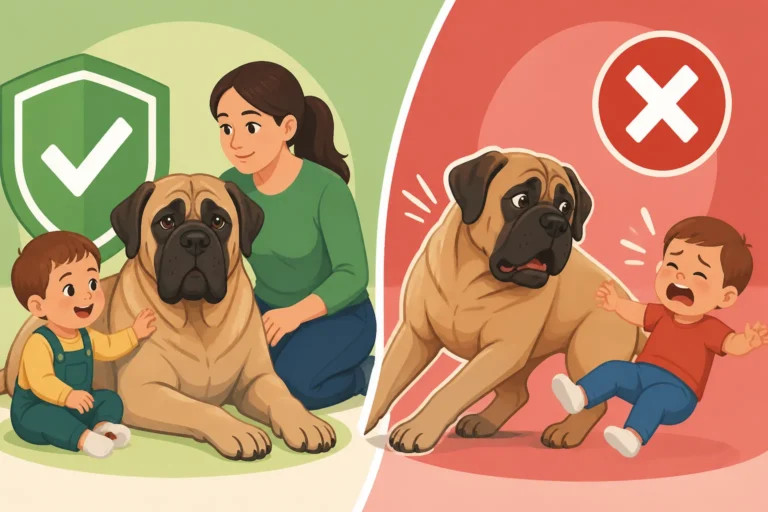
It’s vital to understand the difference between a Mastiff's inherent guarding instincts and aggressive behaviors that are either inadvertently encouraged or actively trained into them. The former is a protective, discerning watchfulness; the latter is dangerous and irresponsible.
| Feature | Natural Guarding (Desired) | Trained/Encouraged Aggression (Undesired/Dangerous) |
|---|---|---|
| Motivation | Protection of family/territory, discernment of threat. | Fear, dominance, desire to harm, lack of control. |
| Body Language | Alert, watchful, still, possibly blocking, low growl. | Stiff, hackles up, snarling, direct stare, lunging, biting. |
| Vocalization | Deep, resonant, reserved bark for genuine alerts. | Constant, frantic, high-pitched barking, incessant growling. |
| Reaction to Strangers | Cautious observation, wary, may ignore if not perceived as threat. | Immediate hostility, distrust, aggressive posturing. |
| Training Focus | Socialization, boundaries, calm reinforcement, leadership. | Provocation, negative reinforcement, encouraging confrontational behavior. |
| Outcome | Reliable, discerning protector; trusted family member. | Unpredictable, dangerous liability; fear-based behavior. |
Your Mastiff's natural inclination is to be a guardian, a loyal protector of their home and loved ones. This instinct is a gift, but it needs to be carefully shaped and guided through responsible ownership, consistent positive training, and extensive socialization. A Mastiff's presence alone is often enough to deter unwanted attention. What a Mastiff Does When Someone Knocks You don't need to train them to be aggressive; their natural inclination, properly managed, is more than enough to fulfill their historical role as a guardian.
Disclaimer
This article is for general informational purposes only and does not constitute professional advice. Laws, prices and regulations vary by location and change over time. Consult a qualified professional for guidance on your specific situation.