Whether a Mastiff Can Be Walked by an Older Owner
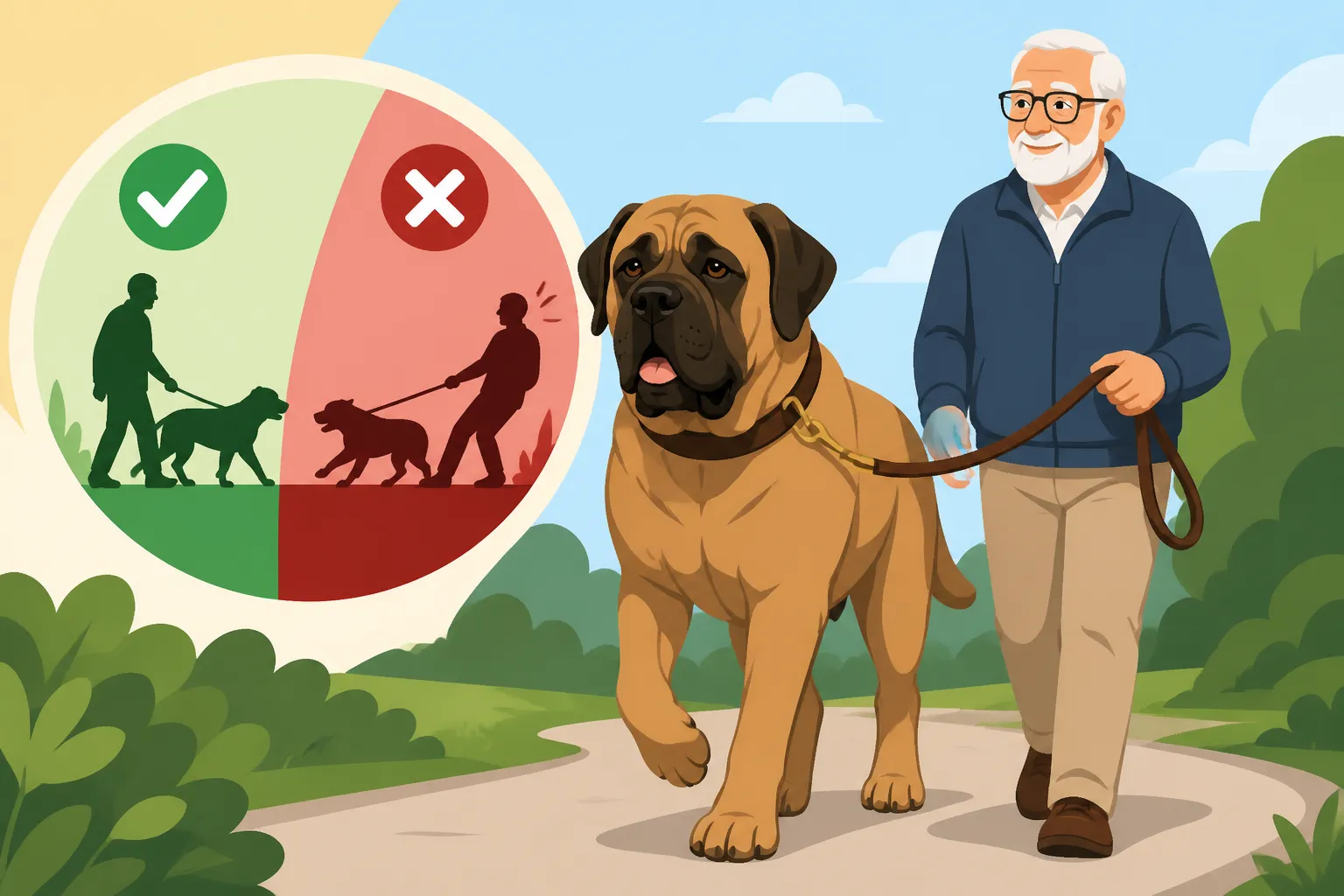
It's a common worry for many seasoned dog lovers, particularly those of us who might not have the youthful spring in our step we once did: "Can I, an older owner, realistically manage a Mastiff on a walk?" This concern is incredibly valid, as these magnificent dogs are truly giants. This guide aims to thoroughly explore the challenges and, more importantly, the actionable strategies that make walking a Mastiff a joyful, manageable experience for older individuals, allowing you to enjoy the companionship without dreading leash time.
Understanding the Mastiff's Walking Dynamics
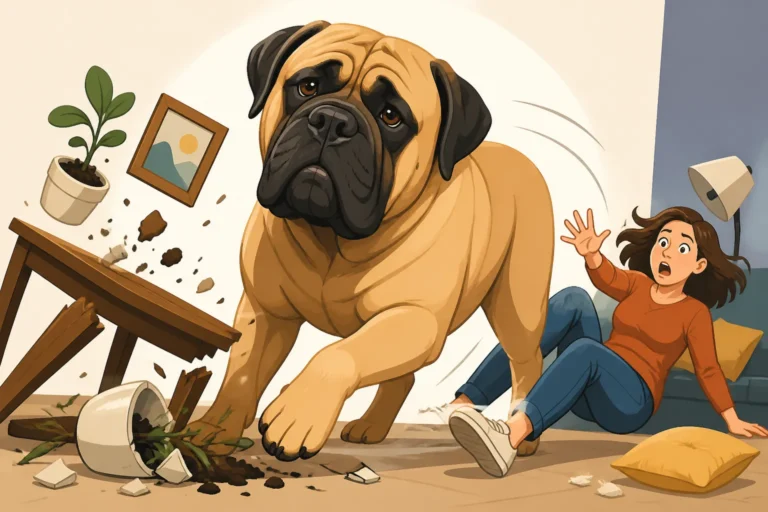
When you picture walking a Mastiff, you might immediately conjure an image of being dragged down the street, an enormous dog straining at the leash. While their size certainly presents unique considerations, the reality of a Mastiff's walking behavior is often far more nuanced than that dramatic image. It’s less about a constantly wild, uncontrollable pull and more about immense weight, slow deliberation, and occasional, very significant, bursts of stubbornness or interest.
The Myth of the "Pulling" Mastiff
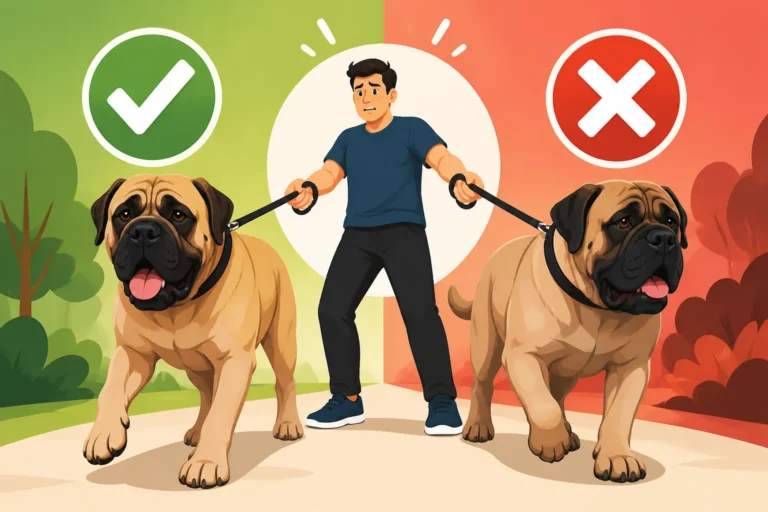
Let's address the elephant in the room – or rather, the Mastiff on the leash. Many people assume a Mastiff is a perpetual pulling machine, constantly trying to escape its handler. While any dog can pull, a Mastiff’s pull isn't always born of frantic energy or aggression; it's often simply a matter of curiosity, excitement, or a desire to investigate a scent. The problem isn't necessarily their intent to pull, but the sheer physics involved. A two-hundred-pound dog moving forward with purpose, even a gentle one, exerts considerable force. If you're an older owner, even a slight tug from a Mastiff can throw you off balance or strain your joints. It's not that they're trying to pull you over, but rather that their momentum becomes overwhelming if not properly managed. This is why techniques and equipment designed to distribute force or redirect attention are so crucial.
The "Planting" Tendency
Perhaps more unique to Mastiffs than constant pulling is their famous "planting" behavior. You're out for a lovely stroll, and suddenly, your Mastiff decides it's done. Or it spots something interesting—a leaf, a shadow, another dog—and it simply stops. Dead in its tracks. Imagine trying to move a living, breathing, two-hundred-pound boulder. It's a testament to their independent and often deliberate nature. A Mastiff Does Not Pull You Over, It Simply Stops. This isn't usually defiance; it's often just them taking their time, processing the world, or deciding they've had enough. For an older owner, this can be incredibly frustrating and physically challenging. You can't just pick them up or physically drag them along. Understanding this tendency is the first step to developing strategies that encourage cooperation rather than confrontation. It highlights the need for patience and positive persuasion.
The Importance of Early Training
The foundation for successful Mastiff walks with an older owner is laid long before the dog reaches its imposing adult size. Puppyhood is a fleeting window where you can Teaching a Mastiff Before It Outweighs You. Getting those basic leash manners ingrained while your Mastiff is still a manageable fifty pounds, rather than two hundred, makes all the difference. This means consistent, daily practice from the moment you bring your puppy home. Focus on loose-leash walking, heel commands, and teaching "leave it" and "wait." It's about establishing clear expectations and building a habit of walking politely alongside you. Waiting until they're fully grown to address pulling or planting is like trying to turn a cruise ship with a kayak paddle – far too late and far too difficult. Early intervention, gentle guidance, and positive reinforcement during these formative months will pay dividends for years to come, ensuring that your walks remain enjoyable and safe.
Essential Gear for Managing a Mastiff on Leash
Having the right equipment isn't just a convenience; it's a non-negotiable safety measure when walking a Mastiff, especially for older owners. The sheer power of these dogs means that standard gear designed for smaller breeds simply won't cut it. Investing in robust, properly fitted tools can make the difference between a pleasant outing and a struggle.
Harnesses vs. Collars
This is a big one, and it's where a lot of owners, particularly those with physical limitations, can find significant relief. A flat buckle collar is fine for ID tags, but for walking a Mastiff, especially if they pull at all, it's rarely enough. It places pressure on their neck and throat, which can be uncomfortable for the dog and give you very little control over their massive body. A traditional back-clip harness can distribute pulling force across the chest, which is better for the dog, but if your Mastiff is determined, it can still pull with full force, turning you into a human anchor.
This is where a front-clip harness truly shines. These harnesses have the leash attachment ring on the dog's chest. When your Mastiff pulls, the leash redirects their momentum to the side, gently turning them back towards you. This makes it much harder for them to pull straight ahead with all their might. It's a physical redirection, not a painful correction, which aligns well with the sensitive nature of many Mastiffs. Brands readily available on Amazon offer a wide range of sizes and designs for giant breeds, making it easier to find one that fits your Mastiff comfortably and securely. Whether a Mastiff Should Wear a Harness or a Collar further explores these choices.
Leash Choice and Length
Just as important as the harness is the leash itself. You need something strong, durable, and comfortable for you to hold. Thin nylon leashes can cut into your hands if your Mastiff lunges or pulls unexpectedly. Opt for a sturdy, thick nylon or leather leash that feels good in your grip. A six-foot length is generally ideal, offering enough slack for your Mastiff to explore a little without giving them so much rope that you lose control. Avoid retractable leashes entirely with a Mastiff; they offer no control over a dog this size and can lead to dangerous situations, including dropping the handle and having it snap back, or the dog running into traffic. A secure, fixed-length leash gives you consistent control and a direct connection to your dog.
Traction Aids for the Walker
This often overlooked aspect is paramount for older owners. If you're walking a Mastiff, your own footing is just as important as theirs. A sudden shift in their weight, a quick stop, or an unexpected lunge can easily cause a slip or fall, especially on uneven terrain, wet pavement, or ice. Invest in good quality walking shoes with excellent grip and ankle support. Think about what hikers wear – sturdy soles with deep treads that provide maximum traction. If you live in an area prone to ice or slick conditions, consider investing in attachable ice grippers for your shoes. While your Mastiff might be a gentle giant, even a minor stumble on their part can destabilize you. Prioritizing your own stability is a crucial part of ensuring safety for both of you during walks.
Training Strategies for a Well-Behaved Walker
Successfully walking a Mastiff, particularly for an older owner, hinges far more on consistent, patient training than on brute strength. These dogs are intelligent and sensitive, and they respond best to clear communication and positive reinforcement. Forget the old-school notions of dominance and harsh corrections; they simply don't work with a Mastiff and can damage your bond.
Positive Reinforcement and Consistency
Mastiffs, despite their formidable appearance, are incredibly sensitive souls. They thrive on praise, treats, and affection. When training, always lean into positive reinforcement. Reward your Mastiff enthusiastically for any desired behavior: walking politely by your side, sitting calmly when asked, or looking at you instead of pulling towards a distraction. Small, high-value treats and verbal encouragement like "Good walk!" or "Yes, that's it!" are far more effective than any leash jerk. Consistency is key. Everyone in the household who walks the dog needs to use the same commands and expectations. If one person allows pulling and another doesn't, your Mastiff will quickly learn to take advantage. Online training platforms, like those offered by BAXTER & Bella, can provide structured lessons and support, helping you implement consistent positive training methods from puppyhood right through adulthood. Remember, you're building a partnership, not a battle of wills.
Short, Frequent Walks Over Long Marches
One of the biggest misconceptions about giant breeds is that they need endless hours of exercise. While regular activity is vital, a Mastiff's exercise needs are often more about quality than quantity, and over-exercising a puppy can actually be detrimental to their developing joints. Why a Mastiff Puppy Must Not Be Exercised Hard. For adult Mastiffs, a couple of shorter, well-controlled walks throughout the day can be much more beneficial than one long, arduous trek that might exhaust both of you. For an older owner, this is a huge advantage. Instead of a grueling hour-long struggle, aim for two or three twenty-minute outings. These shorter walks allow for sniffing, mental stimulation, and a chance to practice those leash manners without pushing your own physical limits. The Age a Mastiff Can Start Real Walks clarifies when more strenuous activities become appropriate, but even then, moderation is key for this heavy breed.
Addressing Specific Challenges
Even with the best training, you'll encounter moments where your Mastiff wants to do their own thing. When they plant their feet and refuse to move, avoid tugging or getting frustrated. Instead, try a high-value treat, a squeaky toy, or even just waiting patiently. Sometimes, a Mastiff just needs a moment to process or decide. Why a Mastiff Lies Down and Refuses to Move delves deeper into this behavior. If they pull, the front-clip harness will naturally redirect them. When they turn to face you, reward them immediately. For distractions, practice "watch me" or "leave it" cues, rewarding them for focusing on you rather than the squirrel or passing dog. Remember, What Actually Motivates a Mastiff is often food or praise. If you're dealing with a particularly strong puller, consider taking lessons with a professional trainer who specializes in giant breeds. They can provide hands-on guidance tailored to your specific situation and help you refine your techniques. Understanding How Much Force a Mastiff Can Apply on a Leash can help you appreciate the importance of these management strategies.
Adapting Your Lifestyle for Mastiff Walks
Embracing a Mastiff into your life, especially as an older owner, often means making thoughtful adjustments to your routine and environment. It's not just about managing the dog, but also about setting yourself up for success and ensuring your own comfort and safety.
Choosing the Right Environment
The setting of your walks plays a huge role in their success. Busy city streets with constant distractions, loud noises, and unpredictable pedestrian traffic can be overwhelming for both you and your Mastiff. The ideal walking environment for an older owner with a Mastiff is often a quiet park, a wide, paved trail, or even a large, fenced yard if you have one. Look for flat, even surfaces that reduce tripping hazards and strain on your joints. Avoid areas with steep hills or slippery paths. The goal is to minimize external stressors that could cause your Mastiff to react suddenly or become overstimulated. A calm environment promotes a calm dog, making for a much more relaxed and enjoyable outing for everyone involved.
Utilizing Assistance and Technology
There's no shame in seeking help or using tools to make your life easier. If you have family members, friends, or even a professional dog walker who can assist with some of the walks, especially on days you don't feel up to it, embrace that support. This isn't a sign of weakness; it's smart management. For older owners, having someone else provide a brisk walk now and then can ensure your Mastiff gets adequate exercise while giving you a break.
Furthermore, consider technology. There are GPS trackers that can attach to your Mastiff's collar, giving you peace of mind if they ever slip away (though with a secure harness and leash, this should be rare). Dog walking apps can connect you with trusted local walkers who are experienced with large breeds. Even simple aids like a sturdy walking stick or trekking poles can provide extra stability for you on uneven terrain. The key is to be proactive and utilize all available resources to ensure both your well-being and your Mastiff's exercise needs are met. Whether a Mastiff Can Be Walked by One Person also touches upon how to manage solo walks effectively.
Prioritizing Safety for Both
Ultimately, the most important aspect of walking a Mastiff as an older owner is the safety of both you and your beloved companion. This means being honest about your own physical limitations and adjusting accordingly. If a walk feels too strenuous, cut it short. If the weather is bad and the ground is icy, perhaps it’s a day for indoor mental enrichment or a short potty break in the yard. Always carry your phone, and let someone know your general route if you're venturing out alone. For your Mastiff, ensure they have proper identification, are up to date on vaccinations, and are wearing their well-fitted front-clip harness.
It's also about recognizing subtle cues. If your Mastiff seems unusually lethargic or displays lameness, consult your vet. Conditions like How a Mastiff's Hind End Fails With DM can start subtly and significantly impact their mobility, and thus, your ability to walk them. Prioritizing regular vet check-ups and being vigilant about changes in your dog's health ensures that you both remain safe and sound for as many walks as possible. A proactive approach to health and safety allows for a longer, happier walking partnership.
| Harness Type | Pros | Cons | Best For |
|---|---|---|---|
| Flat Collar | Good for ID tags, easy on/off. | No control over pulling, pressure on neck/throat, can slip out easily with a large head. | Primarily ID tags, light walks for well-trained dogs, not recommended for Mastiffs as primary walking gear. |
| Back-Clip Harness | Distributes pressure across chest, comfortable for the dog. | Still allows full pulling power, can encourage pulling, less control than front-clip. | Dogs that don't pull, or for hiking when combined with other methods. |
| Front-Clip Harness | Redirects pulling, gives handler more control, no pressure on throat. | Can tangle legs if poorly fitted or dog changes direction rapidly, may chafe if not properly padded. | Ideal for Mastiffs and older owners, training polite leash walking, reducing pulling. |
| Head Halter | Excellent control, gently steers the dog's head, easy to redirect. | Some dogs dislike the feel on their muzzle, requires careful introduction and positive association. | Strong pullers, dogs needing precise control, can be very effective for Mastiffs. |
Disclaimer
This article is for general informational purposes only and does not constitute professional advice. Laws, prices and regulations vary by location and change over time. Consult a qualified professional for guidance on your specific situation.