What an SUV Upgrade Costs a Mastiff Owner
The moment you welcome a Mastiff into your home, you quickly learn that life is never quite the same. While their gentle giants steal your heart, their immense size introduces a unique set of logistical challenges, not least of which is transportation. Many Mastiff owners find themselves staring at their beloved family car, wondering how on earth they're going to comfortably and safely transport a two-hundred-pound dog, leading to the inevitable question: what does an SUV upgrade truly cost, and is it worth it? This guide will break down the often-overlooked expenses and considerations involved when your Mastiff necessitates a vehicle change.
The Inevitable Reality: Why Your Current Vehicle Might Not Cut It for a Mastiff
Let's be honest, that sleek sedan or even your perfectly adequate crossover probably felt spacious enough for you and your family. Then the Mastiff arrived. Suddenly, every trip to the vet, the park, or even just a quick errand feels like a strategic mission in spatial planning. It’s not just about fitting them in; it’s about their safety, comfort, and your ability to manage them effectively.
The Sheer Scale of a Growing Mastiff
When you first bring home that adorable, wrinkled Mastiff puppy, you might think, "Oh, they'll fit just fine in the back seat!" And they do, for a glorious few weeks. But then, almost overnight, that little fluffball transforms into a veritable pony. We’re talking about a dog that can easily hit 100 pounds by six months and grow to well over 200 pounds as an adult, and often continues to fill out until three years of age. The Age a Mastiff Finishes Filling Out. Trying to cram a fully grown Mastiff into the back of a small car is not only a physical impossibility but also incredibly uncomfortable and unsafe for the dog. Imagine a majestic, powerful animal trying to fold itself into a space designed for human legs, with its massive head bumping the roof and its substantial paws struggling for purchase on slick upholstery. This isn't just about length, but about height, width, and overall bulk that simply overwhelms a standard vehicle interior.
Consider the practical nightmare: a quick vet trip becomes an Olympic feat of persuasion and brute strength. Your Mastiff might lie down and refuse to move, or try to brace itself against the car's interior, causing damage. The frustration is real, and the desire for a larger, more accommodating vehicle quickly shifts from a luxury to a necessity.
Safety and Comfort for Your Giant Companion
The core reason for an upgrade often boils down to safety and comfort, both for your Mastiff and for everyone else in the car. A Mastiff unrestrained in a vehicle is a massive projectile in the event of a sudden stop or accident. Even at low speeds, their weight and momentum can cause serious injury to themselves or human passengers. Beyond the extreme scenarios, think about the day-to-day comfort. A long car ride in a cramped space can lead to joint stiffness, especially in a breed prone to Arthritis in a Mastiff at Four and other orthopedic issues.
A larger vehicle allows for proper restraint, whether that's a crash-tested crate designed for giants, or a strong harness that clips into the seatbelt. It provides enough floor space for them to lie down fully, stretch, and shift positions without being contorted. This comfort is paramount for their physical well-being and reduces anxiety during travel. It's about providing a dignified space for a dignified dog, not just shoving them into whatever gap you can find.
The Practicalities of Daily Life with a Mastiff
It’s not just about the big trips. It’s about the daily grind. Running errands, taking your Mastiff to the groomer, or even just bringing home a week's worth of supplies from the grocery store. With a Mastiff, you also need space for their colossal accessories. We're talking about huge bags of kibble, giant dog beds, and all the cleaning supplies necessary to manage their drool and shedding. How Much a Mastiff Eats in a Month.
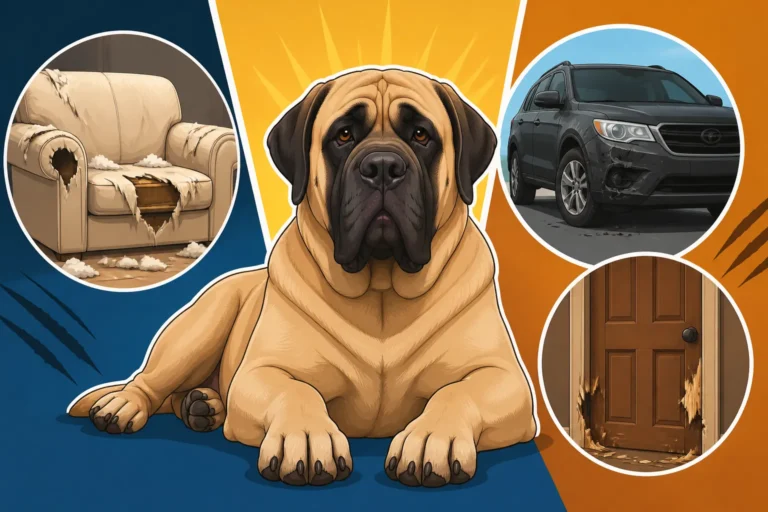
If your current vehicle's trunk is already full with groceries, where does a 200-pound dog go? And what about the wear and tear? Mastiffs shed, they drool, and their powerful claws can easily scratch plastic interior panels or tear upholstery. A vehicle that can handle the sheer volume and the physical impact of a Mastiff becomes less of a want and more of an absolute must. You might find yourself dreading outings simply because the logistics of car travel are so overwhelming.
Evaluating Your Options: What to Look For in a Mastiff-Friendly SUV
So, you’ve accepted the inevitable. The sedan must go. But not all SUVs are created equal when it comes to accommodating a Mastiff. You need to look beyond the shiny exterior and focus on practical features that will make life with your giant breed much easier.
Interior Space: More Than Just Length
When assessing an SUV for your Mastiff, don’t just look at the overall length. The critical dimensions are the cargo area's height, width, and usable depth. Many SUVs boast impressive cargo volume numbers, but that often includes space up to the roof, which isn't always practical for a giant dog. You need floor space. Can a large crate fit securely? Can your Mastiff lie down fully stretched out, turn around, and stand up comfortably without bumping their head?
Look for vehicles with flatter cargo floors and minimal wheel well intrusion. Consider whether the second-row seats fold completely flat to extend the cargo area. Some SUVs have a significant lip or angle that makes it awkward for a Mastiff to navigate or to place a large crate. The height of the ceiling is also crucial, especially for taller Mastiffs who might stand up to look around. A spacious interior means less stress for your dog and more peace of mind for you, knowing they're not crammed in like luggage.
Accessibility: Entry, Exit, and Ramp Considerations
This is where many vehicles fall short. The sill height of the cargo area or rear doors can be a significant barrier for a Mastiff, especially as they age or if they have joint issues like Elbow Dysplasia Affects One Mastiff in Seven. Jumping up or down from a high vehicle repeatedly can put immense strain on their joints, potentially worsening conditions. A vehicle with a lower load floor or an adjustable air suspension system can be a game-changer.
Even with a lower floor, a ramp is almost certainly a necessity. Not all ramps are created equal, nor are all vehicles compatible with all ramps. You need a ramp that is sturdy enough to hold a 200+ pound Mastiff, wide enough for them to feel secure, and long enough to provide a gentle incline. Many standard pet ramps simply aren't built for a dog of this magnitude. What a Ramp Rated for a Mastiff Costs. Test how the ramp fits into the vehicle's cargo opening and whether it can be stored easily. Some owners even install custom platforms or steps. Remember, you might have to teach your Mastiff to use a ramp, which takes time and patience, but it's an investment in their long-term joint health.
Durability and Cleanliness: Preparing for the Mastiff Life
A Mastiff in a car is a force of nature. Their drool is legendary, their shedding is constant, and their massive paws can track in an impressive amount of dirt. You need an interior that can withstand this onslaught. Look for durable, easily cleanable materials. Leather or high-quality vinyl seats are often easier to wipe down than cloth, and rubber floor mats are a must. Cargo liners that cover the entire back area, including the side walls and the back of the seats, will save your interior from permanent damage.
Many owners opt for heavy-duty, waterproof seat covers, often found through retailers like Chewy, to protect their upholstery. These aren't just for dirt; they also catch hair and moisture. Consider the color of the interior as well; lighter colors will show dirt and drool much more readily than darker ones. While you love your Mastiff dearly, constantly battling stains and odors in your car can become exhausting. Investing in a vehicle with a resilient interior, or the accessories to protect it, is crucial for maintaining your sanity and your car’s resale value.
Understanding the Financial Impact of a Vehicle Upgrade
The sticker price of a new SUV is just the beginning. Owning a Mastiff means understanding that nearly every aspect of your life scales up in cost, and a vehicle upgrade is no exception. This isn't just about the purchase; it's about the ongoing financial ripple effect.
Purchase Price vs. Long-Term Value
Let's start with the obvious: the purchase price of an SUV. A vehicle suitable for a Mastiff will likely be a full-size SUV or a large crossover, which typically commands a higher price tag than smaller cars. Whether you're buying new or used, the investment is substantial. A brand-new, roomy SUV can range significantly in cost, depending on make, model, and features. Even a reliable used model will be a significant outlay.
However, consider this an investment in your Mastiff's quality of life and your own convenience for the next six to ten years, which is Six to Ten Years Is What a Mastiff Gets. Trying to make do with a too-small car can lead to frustration, potential safety issues, and even costly damage to your existing vehicle’s interior. The long-term value isn't just financial; it's about comfort, safety, and enabling you to enjoy life and travel with your beloved giant without constant stress. Think of the peace of mind that comes with knowing your Mastiff can safely and comfortably join you on adventures.
Fuel, Maintenance, and Insurance: The Hidden Costs
The costs don't stop after you drive off the lot. Larger SUVs generally have bigger engines and are heavier, meaning they consume more fuel. Your trips to the gas station will likely become more frequent and more expensive. This is an ongoing operational cost that adds up significantly over months and years.
Maintenance can also be higher. Larger tires, more complex systems, and generally heavier components can mean higher costs for routine service and replacement parts. Then there's insurance. A newer, larger, and potentially more expensive vehicle often comes with higher insurance premiums. While pet insurance companies like Healthy Paws can help manage veterinary bills, your car insurance is a separate, unavoidable expense that will likely increase with an SUV upgrade. It's essential to factor these recurring expenses into your budget before making the leap, otherwise, the "cost" of the upgrade can sneak up on you monthly. The Full Cost of Eight Years With a Mastiff.
Accessorizing for Mastiff Travel Comfort
Once you have your new SUV, you're not quite done. There’s a whole world of accessories needed to make it truly Mastiff-friendly.
Here’s a breakdown of common items and what to consider:
| Accessory | Purpose | Considerations for Mastiffs |
|---|---|---|
| Heavy-Duty Crate | Provides a safe, secure space for travel; prevents distraction. | Must be crash-tested, large enough for them to stand/turn, durable material, difficult to escape. |
| Vehicle Ramp | Allows easy entry and exit, protecting joints. | Must support 200+ lbs, be wide and long enough for a gentle incline, easy to deploy and store. |
| Cargo Liner/Covers | Protects upholstery, carpet, and interior panels from dirt, drool, and claws. | Full coverage (floor, sides, seat backs), waterproof, durable, easily removable/washable. |
| Non-Spill Water Bowl | Keeps hydration accessible without making a huge mess. | Weighted base, lip design to prevent sloshing, durable material. |
| Travel Harness/Seatbelt | Secures dog to seatbelt, prevents them from roaming. | Crash-tested, strong hardware, comfortable for large chest, fits properly without restricting movement. |
| Cooling Mats/Fans | Helps regulate body temperature, especially in warm climates or long trips. | Durable, chew-proof, appropriate size, good airflow if a fan. |
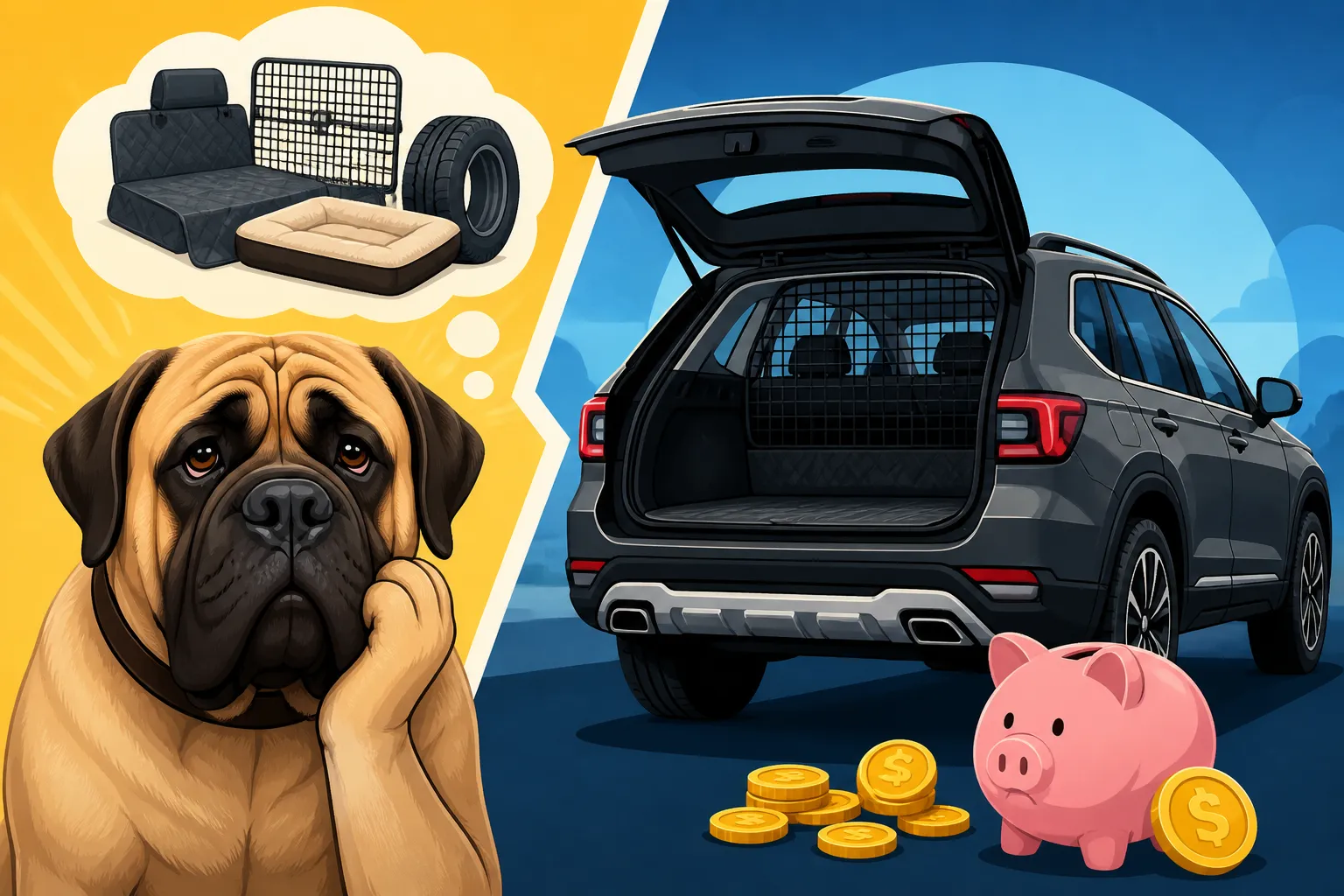
These accessories, especially a high-quality, crash-tested crate or a sturdy ramp designed for giant breeds, can add a significant amount to your initial investment. Many Mastiff owners turn to online retailers like Chewy for a wide selection of these specialized items. Don't forget durable, chew-resistant toys for entertainment on long trips, or perhaps some high-value, healthy treats from brands like Ollie to keep them engaged during training sessions for ramp use. Each item is an additional cost, but each contributes to making travel safer and more comfortable for your Mastiff and less stressful for you.
Making the Transition: Tips for a Smooth Ride
Getting a Mastiff accustomed to a new vehicle, even a spacious one, isn't always instant. Their sheer size means careful management is always necessary. A smooth transition is about patience, positive reinforcement, and having the right tools.
Introducing Your Mastiff to the New Ride
Bringing home a shiny new SUV is exciting for you, but for your Mastiff, it's a giant, unfamiliar metal box. Don't expect them to hop right in! Start slowly. Allow them to explore the vehicle at their own pace while it's parked and turned off. Let them sniff around the cargo area, maybe even jump in if they're comfortable, without any pressure. Use lots of praise and high-value treats to create positive associations.
Introduce the ramp separately, away from the car, first. Let them walk over it on flat ground, then gradually raise one end. Once they're comfortable with the ramp, practice using it with the car. Keep initial car rides short and to fun destinations like the park or a pet store. Avoid making the first few trips only to the vet! Patience is key. Remember, a Mastiff is sensitive and will pick up on your stress, so staying calm and positive helps immensely. The Sensitivity Nobody Expects in a Two Hundred Pound Mastiff.
Essential Gear for Mastiff Travel
Beyond the big-ticket items like crates and ramps, a few smaller pieces of gear will make your life much easier when traveling with a Mastiff. Keep a dedicated "Mastiff travel kit" in your SUV. This should include:
- Plenty of water: A large jug of water and a non-spill bowl are critical for hydration, especially on longer trips.
- Cleaning supplies: A roll of paper towels, a spray bottle with an enzyme cleaner, and a stash of old towels are indispensable for drool, mud, and occasional accidents.
- First-aid kit: A comprehensive canine first-aid kit is a must for any travel, especially with a large dog.
- Waste bags: You’ll need plenty, and sturdy ones, for a Mastiff’s output.
- Comfort items: A familiar blanket or bed from home can help your Mastiff feel more secure.
- Identification: Ensure your Mastiff is wearing current tags and that your microchip information is up to date.
Having these items readily available will prevent many headaches and allow you to focus on enjoying your time with your Mastiff. For anything from specialized cleaning solutions to extra-large waste bags, online retailers like Chewy offer a convenient way to stock up.
Maintaining Your Investment
Your Mastiff-friendly SUV is a significant investment, and like any investment, it requires maintenance, both mechanically and aesthetically. Regular cleaning is crucial to prevent odors from setting in and to keep the interior hygienic. Vacuum frequently, wipe down surfaces, and periodically deep-clean upholstery and cargo liners. Address any scratches or minor damages promptly to prevent them from worsening.
Also, be mindful of your Mastiff's nails. Keeping them trimmed short is not only good for their joint health and traction but also helps prevent scratches on your vehicle's interior. Keeping a Mastiff's Nails Short Enough for Traction. Consider applying protective films to vulnerable surfaces like door sills and cargo area plastics. Finally, keep up with routine vehicle maintenance. A well-maintained vehicle is safer, more reliable, and will retain its value better, helping to offset the initial cost of upgrading for your Mastiff.
Disclaimer
This article is for general informational purposes only and does not constitute professional advice. Laws, prices and regulations vary by location and change over time. Consult a qualified professional for guidance on your specific situation.