Whether an Apricot Mastiff Costs More
It’s a common misconception, especially when you’re falling head over heels for those adorable Mastiff puppy pictures online, to wonder if certain colors come with a different price tag. You might gaze at a beautiful apricot-colored Mastiff and think, "Surely, a unique shade like this must cost more than a fawn, right?" This guide is here to shed some light on the truth behind Mastiff pricing, helping you understand that the color of their coat is rarely the main driver of cost, and what truly matters when bringing one of these gentle giants home.
The Mastiff Price Tag: More Than Just Color
When you're looking at the initial purchase price of a Mastiff puppy, it’s easy to get sidetracked by aesthetics. We all have our preferences, and sometimes an apricot coat just sings to our soul. But the reality is that the actual price of a well-bred Mastiff puppy is determined by a whole host of factors that have nothing to do with whether their coat is apricot, fawn, or brindle. These factors speak to the health, temperament, and ethical backing of the dog, which are far more crucial for a breed with such specific needs and potential health challenges.
What Truly Influences a Mastiff Puppy's Price?
The sticker price on a Mastiff puppy is a complex calculation, reflecting the significant investment a reputable breeder makes into their dogs and the breed as a whole. First and foremost, you’re paying for health testing. This isn’t a small undertaking; it includes a battery of screenings for common Mastiff ailments like hip and elbow dysplasia, eye conditions, and cardiac health. Breeders committed to improving the breed will perform these tests on both parent dogs before breeding. They’ll also conduct DNA tests for specific conditions like Progressive Retinal Atrophy (PRA) and Cystinuria Type III, which are critical for the breed's long-term health. This upfront veterinary expense is substantial and directly impacts the puppy’s price, ensuring you’re getting the best possible start for your future companion. You can expect these costs to be factored into the price you pay.
Beyond health, the breeder's reputation and experience play a huge role. A breeder who has dedicated years to understanding Mastiff genetics, temperament, and care will command a higher price, and rightly so. They provide extensive support, often have waiting lists, and are transparent about their breeding practices. Their dogs are typically well-socialized from birth, raised in a clean, stimulating environment, and receive excellent nutrition and veterinary care. You're not just buying a puppy; you're buying into a wealth of knowledge and ongoing support.
Lineage also factors in, especially if the parents have achieved titles in conformation shows, obedience, or other dog sports. A puppy from champion lines might cost more due to the proven quality of its parents, reflecting desirable traits and adherence to the breed standard. Geographic location can also influence pricing due to variations in vet costs, demand, and living expenses. For a more comprehensive look at what you might expect, check out What a Mastiff Puppy Costs.
Why 'Rare' Colors Often Aren't Worth a Premium
It's important to understand that apricot is not a "rare" Mastiff color; it's one of the three standard colors accepted by breed clubs worldwide, alongside fawn and brindle. While it might feel less common than fawn in some areas, it is a perfectly acceptable and beautiful color for the breed. Therefore, any breeder charging a premium solely because a puppy is apricot is likely employing a marketing tactic, rather than reflecting true rarity or superior quality.
True reputable breeders focus on health, temperament, and conformation to the breed standard, not on pushing a specific color as "exclusive." If a breeder emphasizes a puppy's color over its health clearances, the temperament of its parents, or their breeding philosophy, consider that a potential red flag. The Mastiff standard values a specific structure and temperament, and the color, while important for identification, doesn't elevate a puppy's intrinsic value or health. Delving into The Colors a Mastiff Comes In and What Apricot Means on a Mastiff can help clarify what is considered standard and why.
Understanding Mastiff Colors and the Breed Standard
The Mastiff is a breed with a rich history and a clearly defined standard, which dictates everything from their impressive size and powerful build to their acceptable coat colors and markings. Understanding this standard is key to discerning a well-bred Mastiff from one that might be misrepresented.
The Accepted Mastiff Colors
According to major breed clubs, Mastiffs come in three primary colors: fawn, apricot, and brindle. All three must include a dark mask around the eyes, nose, and muzzle, often extending to the ears. This black mask is a hallmark of the breed and contributes to its distinctive appearance. Apricot, with its warm, golden-red hue, is a stunning color that many find incredibly attractive, but it’s just as standard as the paler fawn or the striped brindle. There isn't a hierarchy of value among these accepted colors. A beautiful apricot Mastiff is simply a beautiful Mastiff, not a more expensive one by virtue of its shade alone. Which Colors the Mastiff Standard Allows provides more details on what is considered acceptable in the show ring and by reputable breeders.
When Color Might Indicate Something Else
While apricot itself doesn't mean a higher price, encountering a Mastiff puppy advertised with an unusual or non-standard color could indicate issues that indirectly affect price (usually by lowering it, or indicating a less reputable source). For example, a "black Mastiff" might be appealing to some, but black is not an accepted color in the Mastiff breed standard. A truly black dog marketed as a "purebred Mastiff" could be a result of a mixed breeding or an unpapered, non-standard dog. In such cases, the price might be lower, not higher, because it deviates from the recognized purebred standard, and the health background could be completely unknown.
The focus should always be on the integrity of the breed and the health and temperament of the individual dog. Trendy or "designer" colors are often a marketing ploy to charge inflated prices for dogs that may not meet health or breed standards. A responsible breeder will prioritize genetic health and temperament, ensuring that their dogs contribute positively to the breed's future, rather than chasing unusual aesthetics for profit.
The Real Costs Beyond the Purchase Price
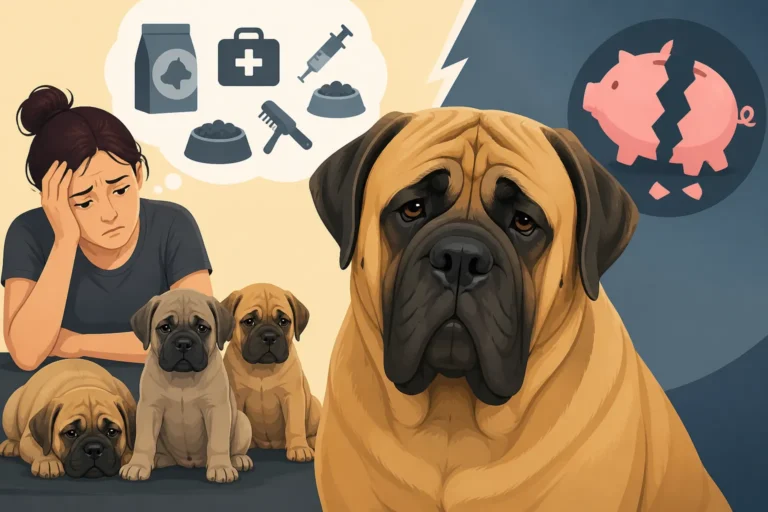
If you’re only focused on the initial purchase price of an apricot Mastiff versus another color, you're missing the bigger picture of what it truly costs to own one of these magnificent dogs. The upfront cost is often just a drop in the bucket compared to the lifetime expenses. These are the expenses that will impact your wallet far more significantly, regardless of your Mastiff’s coat color.
Lifetime Expenses Dwarf Initial Puppy Costs
Mastiffs are giant dogs, and everything about them comes with a giant price tag – from their food bowl to their vet bills. They eat a lot, requiring high-quality large-breed specific food to support their massive frames. Imagine how much food a two-hundred-pound dog goes through in a month! The cost of their specialized diet alone over their lifetime can be astounding. Services like Chewy can help manage the logistics of getting such large quantities of food delivered right to your door, and if you’re considering fresh food options, Ollie offers plans that accommodate larger breeds, though at a corresponding cost. This is why What Feeding a Two Hundred Pound Mastiff Costs a Month is a crucial read for any prospective owner.
Then there's veterinary care. Preventative medications, like flea, tick, and heartworm treatments, are dosed by weight, meaning a Mastiff will almost always fall into the highest weight category, making these routine expenses significantly more than for a smaller dog. Emergency vet visits, surgeries, or ongoing care for common giant breed issues like hip and elbow dysplasia or bloat can easily run into thousands of dollars. Anesthesia alone for a dog of this size is a complex and expensive procedure. This is precisely why many Mastiff owners consider pet insurance. Providers like Healthy Paws can offer a financial safety net against unexpected medical crises. For a deep dive into these ongoing expenses, explore Why a Mastiff Costs More Per Year Than a Dog That Lives Twice as Long and What a Mastiff's Weight Does to Every Line on the Vet Invoice.
Beyond food and vet care, you'll need larger crates, stronger leashes, bigger beds, and potentially even a larger vehicle to comfortably transport your Mastiff. Their sheer size means everything from toys to training classes needs to be scaled up. These aren't just minor incidentals; they are significant, ongoing costs that will far eclipse the difference of a few hundred dollars on an initial puppy price, regardless of its color. You'll want to think about How Many Pounds of Kibble a Mastiff Eats in a Week to truly grasp the scale of their appetite.
Avoiding Red Flags in Mastiff Puppy Purchases
When the cost seems too good to be true, it almost always is. If you find an apricot Mastiff puppy advertised at a significantly lower price than others, or if a breeder is pushing a "special" low price on an apricot pup, proceed with extreme caution. This often indicates corners have been cut, most commonly in crucial health testing, quality of care, or even honesty about the dog’s lineage. A puppy from parents who haven't had their hips, elbows, eyes, and heart checked, or who haven't been DNA tested for genetic diseases, is a huge risk down the line. You might save a few hundred dollars initially, but you could easily face thousands in vet bills for preventable conditions.
Beware of breeders who only talk about the puppy’s color or size and are evasive about health records, parentage, or how the puppies are raised. A reputable breeder will be eager to discuss their health clearances, show you where the puppies live, and let you meet the parent dogs. They will have a detailed contract, ask you many questions about your living situation, and offer a health guarantee. If a breeder is reluctant to provide this transparency, especially if they are trying to justify a higher price with a "rare" color, it’s a sign to walk away. It's truly worth reading Whether a Mastiff Under Fifteen Hundred Was Health Tested for insights into potential issues with unusually low-priced Mastiffs.
The Breeder's Role and Ethical Considerations
The relationship with your breeder is one of the most important aspects of bringing a Mastiff into your home. An ethical breeder is a guardian of the breed, prioritizing health, temperament, and responsible ownership above all else. Their practices directly influence the quality, health, and ultimately the true cost of your Mastiff, regardless of its coat color.
Reputable Breeders Prioritize Health, Not Color Trends
A truly reputable Mastiff breeder understands that their responsibility goes far beyond producing cute puppies. Their focus is on preserving and improving the health and temperament of the Mastiff breed. This means they invest heavily in health clearances for their breeding dogs. These aren't just superficial checks; they involve certifications like OFA (Orthopedic Foundation for Animals) for hips and elbows, CERF (Canine Eye Registry Foundation) for eyes, and cardiac evaluations by a board-certified veterinary cardiologist. On top of this, they'll often perform DNA testing for conditions such as Progressive Retinal Atrophy (PRA) and Cystinuria Type III. These tests are expensive, time-consuming, and an absolute non-negotiable for a responsible breeder. The cumulation of these efforts contributes to the overall price of a puppy, ensuring you're getting a dog with the best possible genetic start. This commitment to health is why The CHIC Four Plus the DNA Stack Behind a Mastiff's Price is so critical.
An ethical breeder will openly share the health records and pedigrees of the parent dogs, explain their breeding philosophy, and be genuinely interested in finding the right home for each puppy. They won't pressure you based on a puppy's color. Instead, they'll guide you toward a puppy whose temperament and needs align with your family and lifestyle. They understand that a healthy, well-adjusted Mastiff will bring joy for its Six to Ten Years Is What a Mastiff Gets, and that's their ultimate goal. Many valuable resources and guidance can be found by engaging with breed clubs, such as outlined in What the Mastiff Club of America Offers a Buyer.
Asking the Right Questions
When you're speaking with a potential breeder, don't be shy about asking detailed questions. A good breeder will welcome your inquiries and be able to provide clear, thorough answers. Here are some key questions to consider, regardless of whether you're looking for an apricot, fawn, or brindle Mastiff:
- What health clearances have both parents undergone? Ask for proof of OFA certifications for hips and elbows, cardiac clearances, eye exams, and DNA test results for PRA and Cystinuria.
- What are the temperaments of the parent dogs? A breeder should be able to describe their dogs' personalities and how they interact with people and other animals.
- How are the puppies socialized? Puppies should be raised in a stimulating home environment, exposed to various sights, sounds, and gentle handling.
- What is included in your health guarantee and contract? Understand the terms, especially regarding genetic health conditions.
- Can I visit the premises and meet the parents? A reputable breeder will generally welcome visits, though they might have protocols to protect young puppies.
- What is your experience with the Mastiff breed? Look for someone with deep knowledge and a passion for Mastiffs.
Focusing on these critical questions will help you identify a responsible breeder who prioritizes the welfare of their dogs over fleeting trends or perceived "rarity" of a coat color. The real value of your Mastiff will be in its health, temperament, and the joy it brings, not in the shade of its beautiful apricot coat.
| Feature | Primary Influence on Mastiff Puppy Price | Secondary Influence on Mastiff Puppy Price |
|---|---|---|
| Health Testing | High (OFA Hips/Elbows, Eye, Cardiac, DNA) | Minimal |
| Breeder Reputation | High (Experience, support, facilities) | Minimal |
| Lineage/Pedigree | High (Champion titles, proven genetics) | Minimal |
| Temperament | High (Parent temperaments, socialization) | Minimal |
| Geographic Location | Moderate (Local demand, vet costs) | Minimal |
| Coat Color (e.g., Apricot) | Minimal (If standard color) | Potentially high if marketed as "rare" (red flag) |
| Gender | Minimal (May vary slightly by demand) | Minimal |
Disclaimer
This article is for general informational purposes only and does not constitute professional advice. Laws, prices and regulations vary by location and change over time. Consult a qualified professional for guidance on your specific situation.