The CHIC Tests Both Mastiff Parents Must Clear
Bringing a Mastiff into your life is an incredible joy, but it's also a significant commitment, especially when it comes to their health. One of the biggest heartaches for prospective owners is navigating the complex world of breeder health claims, trying to understand what "health tested" truly means, and feeling overwhelmed by the alphabet soup of genetic screenings. This guide will demystify the essential health clearances required for Mastiff parents by the Canine Health Information Center (CHIC) and help you understand why these tests are non-negotiable for responsible breeding and for securing a healthy future for your beloved giant.
Understanding CHIC and Its Importance for Mastiffs
The Canine Health Information Center, or CHIC, is a joint program of the Orthopedic Foundation for Animals (OFA) and the AKC Canine Health Foundation (CHF). Its primary goal is to establish health testing protocols for specific breeds, create a central database of health clearances, and ultimately promote responsible breeding practices to reduce the incidence of genetic diseases. For a breed as massive and prone to certain health issues as the Mastiff, these standardized tests aren't just a suggestion; they are a vital safeguard.
Think about it: you're investing years of your life, countless hours of training, and significant financial resources into your Mastiff. The last thing any owner wants is to face preventable, debilitating, and often heartbreaking genetic conditions that could have been avoided with proper screening of the parents. CHIC helps to remove some of the guesswork and provides a transparent record of health testing. When you see a CHIC number attached to a Mastiff's pedigree, it means that dog has undergone all the recommended breed-specific health screenings and that those results are publicly available. It doesn't mean the dog is guaranteed to be free of all disease, but it demonstrates a breeder's commitment to improving the breed's overall health and making informed breeding decisions. It's about stacking the odds in favor of a healthier puppy, which is an invaluable gift for both the dog and its future family.
The Four Core CHIC Tests Every Mastiff Parent Must Clear
For Mastiffs, the CHIC program mandates a specific set of four health tests. These are chosen because they address the most prevalent and impactful genetic health concerns within the breed. A responsible breeder will have proof of these clearances for both the sire and the dam of any litter.
Hip Dysplasia Screening
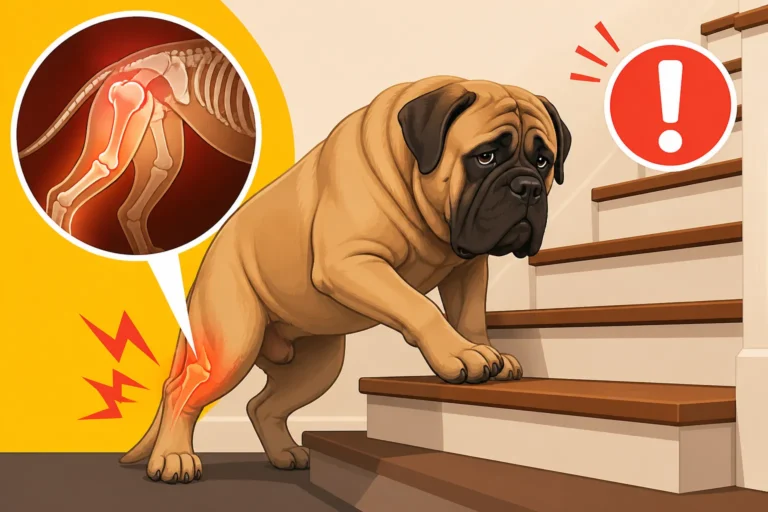
Hip dysplasia is a notoriously common and often painful condition in large and giant breeds like the Mastiff. It's a malformation of the hip joint, where the ball (femoral head) doesn't fit snugly into the socket (acetabulum). Over time, this poor fit leads to grinding, wear and tear, and eventually debilitating arthritis. Given the immense weight a Mastiff carries, even mild hip dysplasia can cause significant discomfort and mobility issues, sometimes quite early in life.
The standard method for screening hip dysplasia for CHIC is through OFA hip radiographs. These X-rays are taken when the dog is at least 24 months old, as skeletal maturity is necessary for an accurate assessment. The OFA board-certified radiologists evaluate the radiographs based on several criteria, including hip joint conformation, subluxation, and signs of degenerative joint disease. The hips are then graded as Excellent, Good, Fair (all considered passing), Borderline, or Dysplastic (Mild, Moderate, Severe). A breeder presenting a CHIC number for a Mastiff will have a passing grade for both parents. While genetics play a huge role, environmental factors during growth, such as improper exercise and nutrition, can also exacerbate hip dysplasia. This is why you'll often hear discussions about Why a Mastiff Puppy Must Not Be Exercised Hard. Even with clear parents, managing a Mastiff puppy's growth is crucial.
Elbow Dysplasia Screening
Just like hip dysplasia, elbow dysplasia is another significant orthopedic concern for Mastiffs, affecting the elbow joint. It's actually a complex of inherited conditions that can include fragmented coronoid process (FCP), ununited anconeal process (UAP), osteochondritis dissecans (OCD), and incongruity of the joint. All these conditions lead to pain, lameness, and eventual arthritis in the elbow. The sheer size and weight of a Mastiff mean that any elbow issue can quickly become severely debilitating, making every movement a struggle.
OFA elbow radiographs are also required for CHIC certification and are performed at 24 months of age or older. The OFA graders examine the elbows for any signs of these developmental abnormalities. Elbows are graded as Normal (no evidence of dysplasia) or Dysplastic (Grade I, II, or III, with increasing severity). A passing grade for CHIC is "Normal." The statistics are sobering; Why One Mastiff in Seven Fails Its Elbow Grade, making this particular screening incredibly important for reducing suffering in future generations. It's another area where informed breeding can make a profound difference in a Mastiff's quality of life.
Ophthalmologist Examination (Eyes)
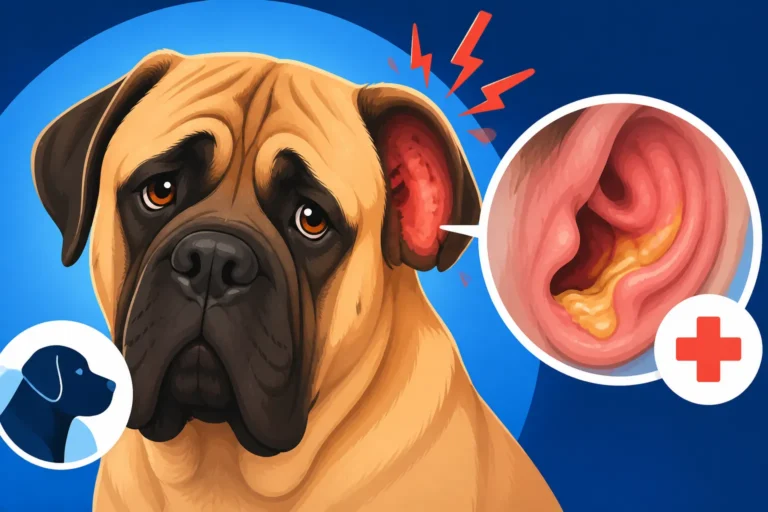
Eye health is paramount for any dog, and Mastiffs are no exception. Several inherited eye conditions can affect the breed, leading to discomfort, impaired vision, or even blindness. The CHIC program requires an annual eye examination by a board-certified veterinary ophthalmologist. This exam checks for a range of conditions, including Progressive Retinal Atrophy (PRA), entropion (inward-rolling eyelids), ectropion (outward-rolling eyelids), cataracts, and other ocular abnormalities.
The results of these examinations are registered with the OFA Eye Certification Registry (formerly CERF). Unlike hip and elbow evaluations, which are typically a one-time clearance at 24 months, eye exams are recommended annually because some conditions can develop or progress later in life. A "clear" result means the dog showed no evidence of inherited eye disease at the time of the examination. Conditions like Eye and Eyelid Disease in a Mastiff are common concerns, and while surgery can sometimes correct issues like entropion or ectropion, breeding dogs with these predispositions is undesirable. Early detection through regular screening allows breeders to make responsible choices and helps owners prepare for potential future challenges, knowing they are giving their dog the best possible chance at a lifetime of clear vision.
Cardiac Evaluation
Heart health is a serious consideration in giant breeds, and the Mastiff is unfortunately susceptible to certain cardiac conditions, the most prominent being dilated cardiomyopathy (DCM) and subaortic stenosis (SAS). DCM causes the heart muscle to thin and weaken, reducing its ability to pump blood effectively, leading to heart failure. SAS is a narrowing of the outflow tract from the left ventricle, which can strain the heart and lead to sudden death. These conditions can be devastating, often without obvious symptoms until they are advanced.
For CHIC certification in Mastiffs, a cardiac evaluation by a board-certified veterinary cardiologist is required. This typically involves an auscultation (listening to the heart for murmurs) and often an echocardiogram (an ultrasound of the heart) to assess its structure and function. The cardiologist will evaluate for congenital heart defects and signs of conditions like DCM or SAS. A "clear" report indicates no evidence of congenital or acquired heart disease. While an annual check-up with your regular vet is always a good idea, a specialist cardiac exam goes much deeper. Whether a Mastiff Needs a Cardiac Exam isn't just a casual question; it's a critical part of ensuring your Mastiff's longevity and quality of life, as hidden heart issues can be silent killers.
Beyond the Basics: Recommended Additional Tests
While the four tests listed above are the required components for a Mastiff to earn a CHIC number, many highly responsible breeders go above and beyond. They recognize that a healthy breeding program looks at the bigger picture, using all available tools to minimize the risk of known breed-specific conditions. These additional screenings, while not mandatory for CHIC, are definitely a mark of an exceptional breeder.
DNA Tests for Inherited Diseases
Thanks to advancements in canine genetics, DNA tests are now available for several conditions that affect Mastiffs. These tests can identify carriers (dogs that carry one copy of a mutated gene and may pass it on, but don't show symptoms themselves) and affected individuals (dogs that carry two copies and are likely to develop the disease). Using DNA tests allows breeders to make informed pairing decisions to avoid producing affected puppies.
One significant DNA test is for Progressive Retinal Atrophy (PRA). Specifically, some Mastiffs can be affected by Progressive Retinal Atrophy (PRA-PC). This is a degenerative eye disease that ultimately leads to blindness. A DNA test can definitively identify if a dog is clear, a carrier, or affected, even before clinical signs appear. Understanding How Dominant Inheritance Works in Mastiff PRA helps breeders understand the risks and ensure they are not breeding two carriers together, which could result in affected puppies.
Another critical DNA test for Mastiffs is for Cystinuria Type III. This is a metabolic disorder that leads to the formation of cystine stones in the urinary tract, primarily affecting intact male Mastiffs. These stones can cause painful blockages, which are a life-threatening emergency. The condition is complex, being androgen-dependent, meaning it's influenced by male hormones. A DNA test can identify carriers and affected individuals, allowing breeders to eliminate this predisposition from their lines. For families considering an intact male Mastiff, understanding What Cystinuria Type III Does to a Mastiff and the importance of this testing is vital, as emergency surgery for urinary blockages can be incredibly costly and risky. It's one of those conditions where prevention through genetic testing is truly worth its weight in gold.
Patella Evaluation
While not universally required for Mastiffs to obtain a CHIC number, patella (kneecap) evaluations are often performed by breeders to screen for luxating patella. This condition occurs when the kneecap slips out of its groove, causing lameness and pain. In a breed as heavy as the Mastiff, patellar luxation can put immense strain on other joints and lead to early arthritis.
OFA offers patella certification, which involves a veterinarian manually examining the knee joints for any instability. A "normal" rating means the patella is stable and does not luxate. While a less common severe issue than hip or elbow dysplasia in Mastiffs, some breeders choose to include this as a comprehensive measure of joint health, especially when A Mastiff Lying Two Hundred Pounds on One Elbow All Day might place additional stress on other limb joints.
Thyroid Evaluation
Hypothyroidism, an underactive thyroid gland, is another condition that can affect Mastiffs. While not always inherited in a simple Mendelian fashion, there is a genetic component, and affected dogs can suffer from a range of symptoms including weight gain, lethargy, skin problems, and a dull coat.
OFA also registers thyroid evaluations, which typically involve a blood test to measure thyroid hormone levels. These tests can identify dogs with subclinical or overt hypothyroidism. While treatable with medication, a breeder committed to overall health may screen for this to avoid propagating predispositions in their lines.
Decoding CHIC Numbers and Public Databases
So, you're looking at a Mastiff puppy and the breeder mentions CHIC. What's next? Don't just take their word for it. The beauty of the CHIC program, particularly with its OFA database component, is transparency. Every Mastiff that has completed all the required health screenings and had their results submitted will receive a CHIC number. This number is essentially a unique identifier for that dog's health record.
You can, and should, verify these claims. The OFA website has a public search engine where you can look up a dog's health clearances by its registered name or registration number. This allows you to independently confirm that the sire and dam of your potential puppy have indeed undergone the full spectrum of CHIC tests and received passing grades.
Here’s what a typical OFA search might reveal:
| OFA Test Category | Mastiff CHIC Requirement | Potential Result (Passing) | Potential Result (Failing) | Age for Clearance |
|---|---|---|---|---|
| Hips | Yes | Excellent, Good, Fair | Borderline, Dysplastic | 24 Months + |
| Elbows | Yes | Normal | Grade I, II, or III | 24 Months + |
| Eyes | Yes (Annual) | Normal (No evidence of disease) | Affected (Various conditions) | 12 Months + (annually) |
| Cardiac | Yes | Normal (No evidence of disease) | Affected (Various conditions) | 12 Months + |
Beyond confirming the results, the public database reinforces a breeder's commitment to openness. It's easy for someone to say their dogs are "health tested," but a publicly accessible CHIC number backed by OFA results provides verifiable proof. This kind of transparency builds trust and helps you, as a prospective owner, make an informed decision. Remember, the journey with a Mastiff is often accompanied by significant veterinary bills. While comprehensive health screening by breeders reduces risks, it doesn't eliminate them entirely. This is where forward-thinking owners consider options like pet insurance, with companies like Healthy Paws offering plans that can help manage unexpected veterinary costs that can arise even in well-bred dogs. Understanding The CHIC Four Plus the DNA Stack Behind a Mastiff's Price gives you insight into the investment a breeder makes, and why it contributes to the overall cost of a puppy.
The Breeder's Responsibility and Your Role as a Buyer
A truly responsible Mastiff breeder views health testing not as an optional expense, but as a moral obligation to the breed and to the families who will welcome their puppies. They are actively working to improve the breed's health, aiming to reduce the incidence of debilitating conditions that cause suffering and immense financial strain for owners. When a breeder meticulously screens their breeding stock, they are investing time, money, and expertise into ensuring the healthiest possible start for each puppy.
As a potential Mastiff owner, your role is crucial. Don't be afraid to ask direct questions about health testing. A reputable breeder will be eager to share their dogs' CHIC numbers and walk you through the OFA database. They will explain the results, discuss the genetic predispositions in the breed, and articulate how they are working to mitigate those risks in their breeding program. If a breeder is evasive, claims their dogs are "vet checked" instead of specifically mentioning OFA/CHIC clearances, or tells you that specific tests aren't necessary for their lines, it should raise a red flag. While genetic health testing cannot guarantee a perfect, lifelong bill of health—after all, dogs are living creatures and things can still happen—it significantly reduces the risk of inheriting known genetic diseases that are prevalent in the Mastiff breed.
Choosing a puppy from parents with clear CHIC clearances is one of the most proactive steps you can take to foster a long, healthy, and happy life for your Mastiff. It means that the breeder has taken important steps to ensure that their dogs are genetically sound, reducing the likelihood of you facing significant medical challenges down the road. Even with the best genetic background, Mastiffs are known for a shorter lifespan, often only Six to Ten Years Is What a Mastiff Gets, and ensuring those years are as healthy as possible is a shared goal between breeders and owners. Being an informed buyer, understanding what these tests mean, and insisting on verifiable proof will empower you to make the best decision for your future family member. Remember that even with the best planning, owning a giant breed comes with its own set of potential health challenges, and having a reliable pet insurance provider like Healthy Paws can be a real lifeline for unexpected medical expenses throughout your Mastiff's life.
Disclaimer
This article is for general informational purposes only and does not constitute professional advice. Laws, prices and regulations vary by location and change over time. Consult a qualified professional for guidance on your specific situation.